Oak Twigs, Sticks & Branches | Q. imbricaria & fusiformis
Oak Twigs, Sticks & Branches on the Surface:
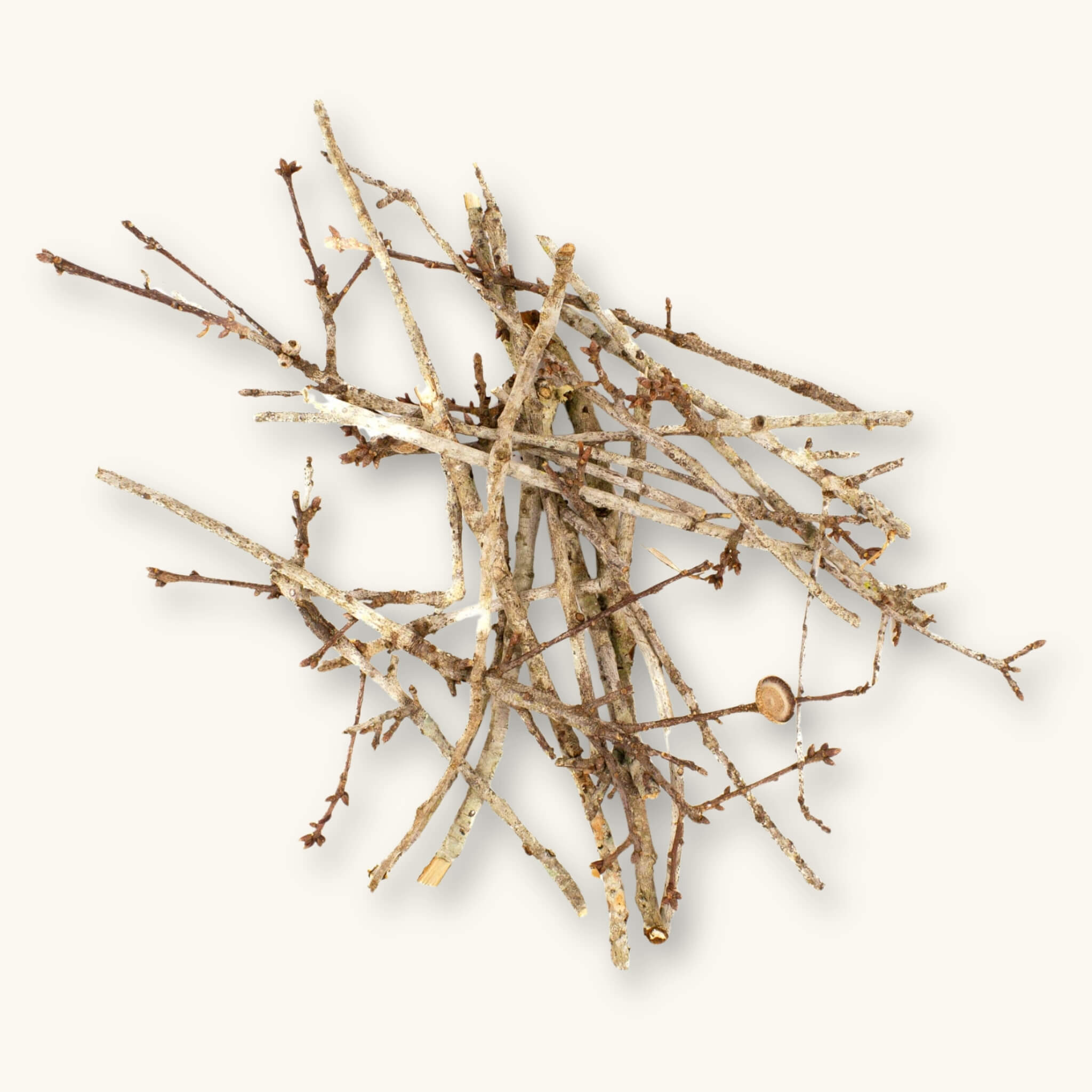
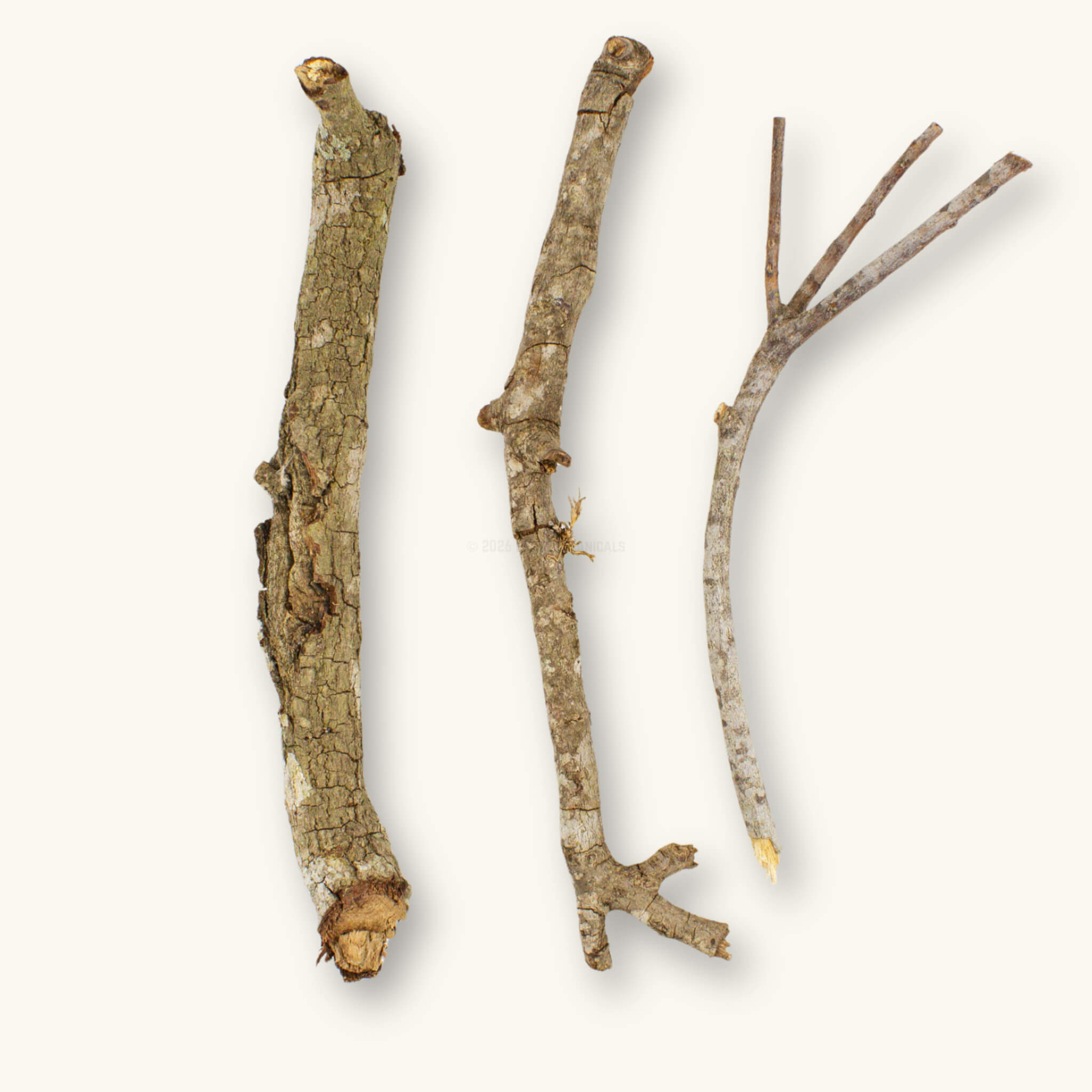
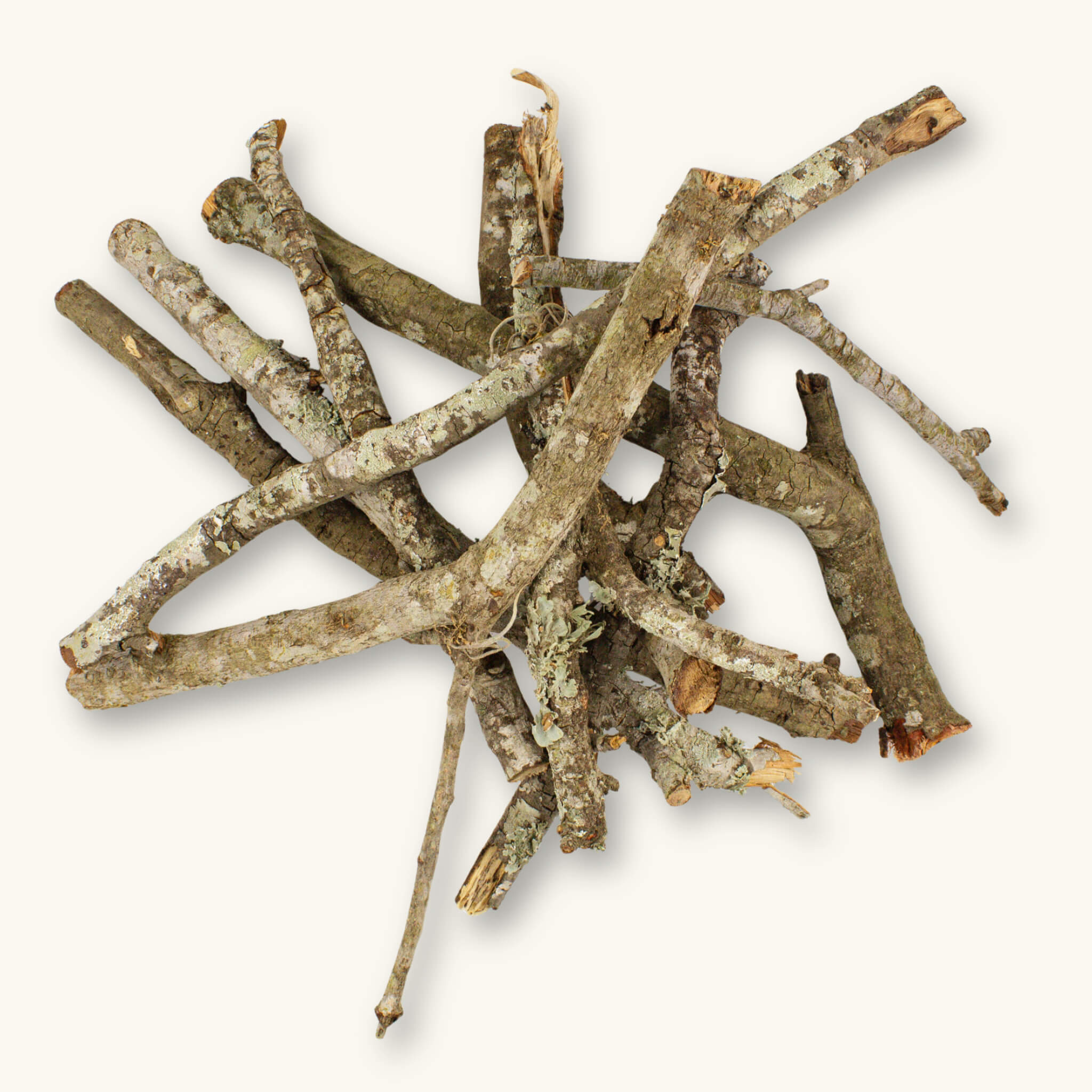
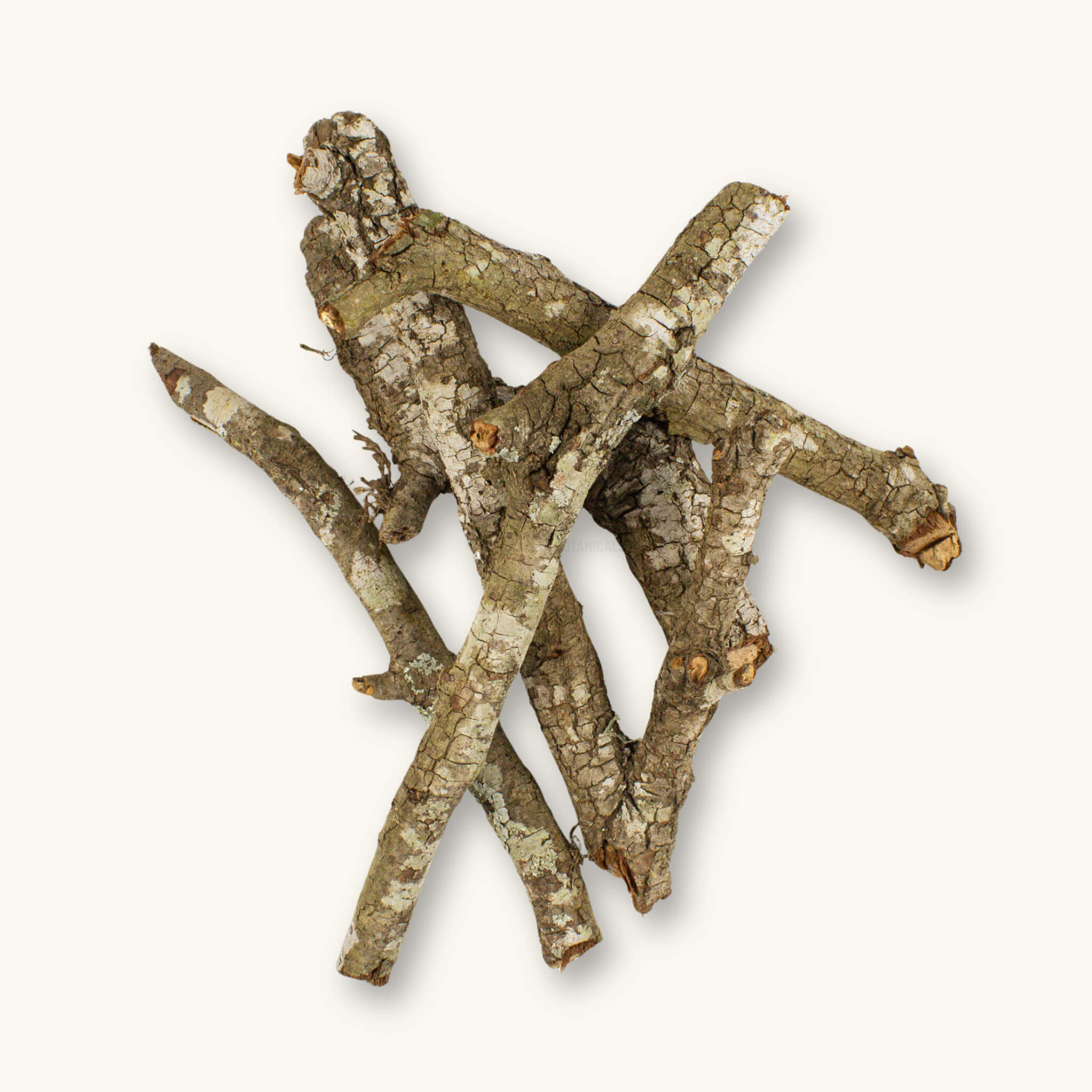
Our Oak Twigs, Sticks & Branches for aquariums are sustainably sourced from two North American oaks that suit North American Biotope Aquariums, yet are equally at home as generic tropical wood alongside fishes of South America and Southeast Asia. The slender twigs come from Quercus imbricaria, the Shingle Oak, and the thicker sticks and branches from Quercus fusiformis, the Texas live oak.
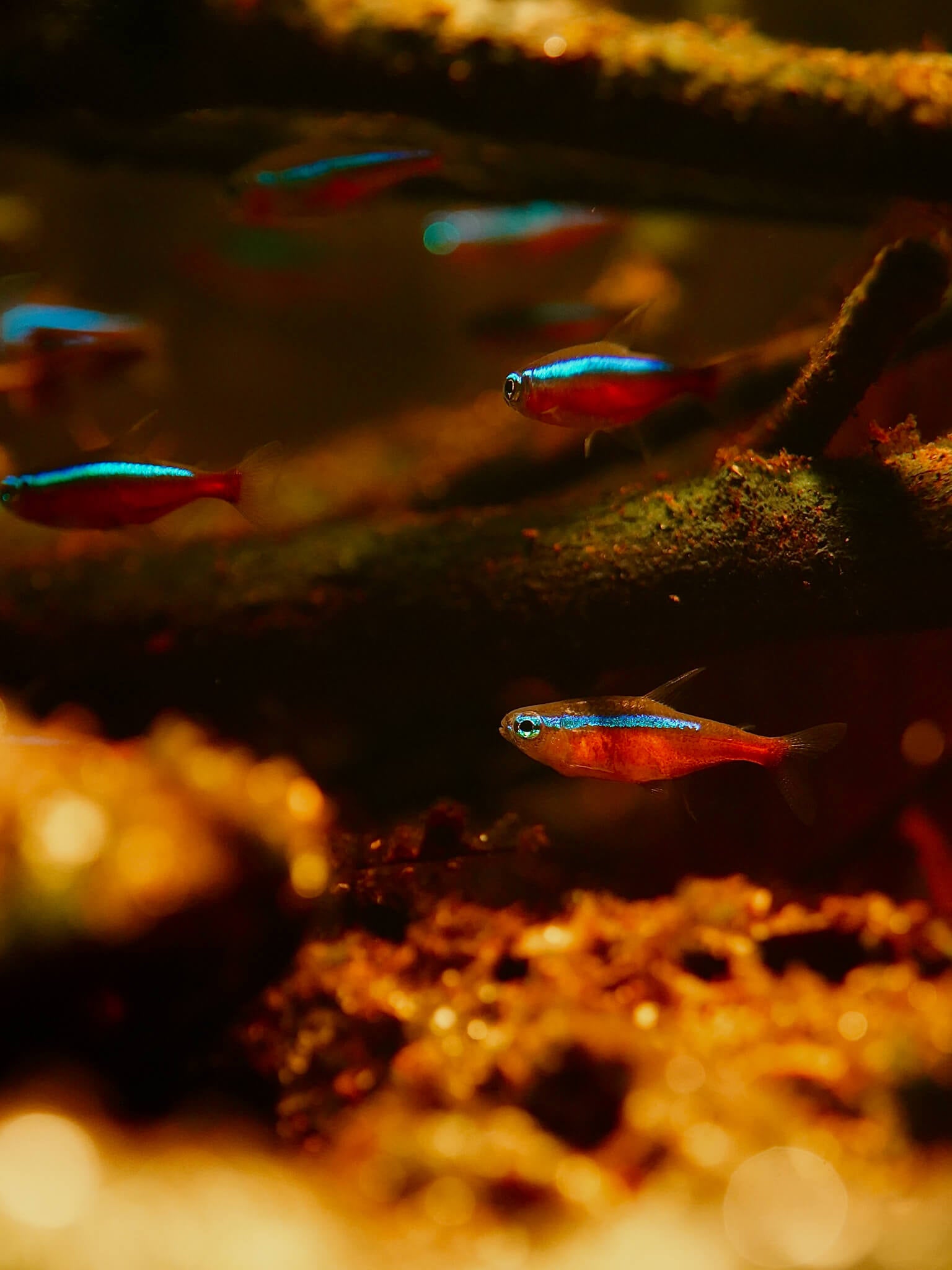
All three are collected as naturally shed, dormant wood, and all three function as long-term structural botanicals in the botanical method, blackwater, and biotope aquarium and vivarium. Thinner twigs can be woven through leaf litter substrates, while the more robust branches can be layered on top as focal points. This range lets you build understory and flooded forest ecosystem diversity at whatever scale your habitat calls for. The sticks and branches are more durable, providing better grazing surfaces for microfauna, shrimp, and rasping fish such as otocinclus, farlowella, and plecos.
Essential Details
- Tannin Level: Moderate
- Tint Color: Light brown
- Durability: Slow to break down; retains structure for extended periods across all three sizes, with larger branches persisting longest
- Habitat Location: North America — eastern uplands (Q. imbricaria) and the Southwestern United States and northern Mexico (Q. fusiformis)
- Optimal For: Shrimp, snails, rasping fish, nano fish, community fish, and bioactive enclosures with frogs, geckos, isopods, and springtails
- Use with Caution: No known concerns for standard aquarium inhabitants. Gently rub off lichens that remain after following the prep instructions.
- Size Range: Three sizes from smallest to largest — twigs, sticks, and branches with sizes ranging from 6” to 12” long and 1/8” to 1.5” diameter. Natural variation is expected, which can include attached leaves and acorns.
- Quantities: Available as 20c Oak Twigs, 10c Oak Sticks, and 5c Oak Branches.
Oak Twigs, Sticks & Branches for Aquariums & Vivariums
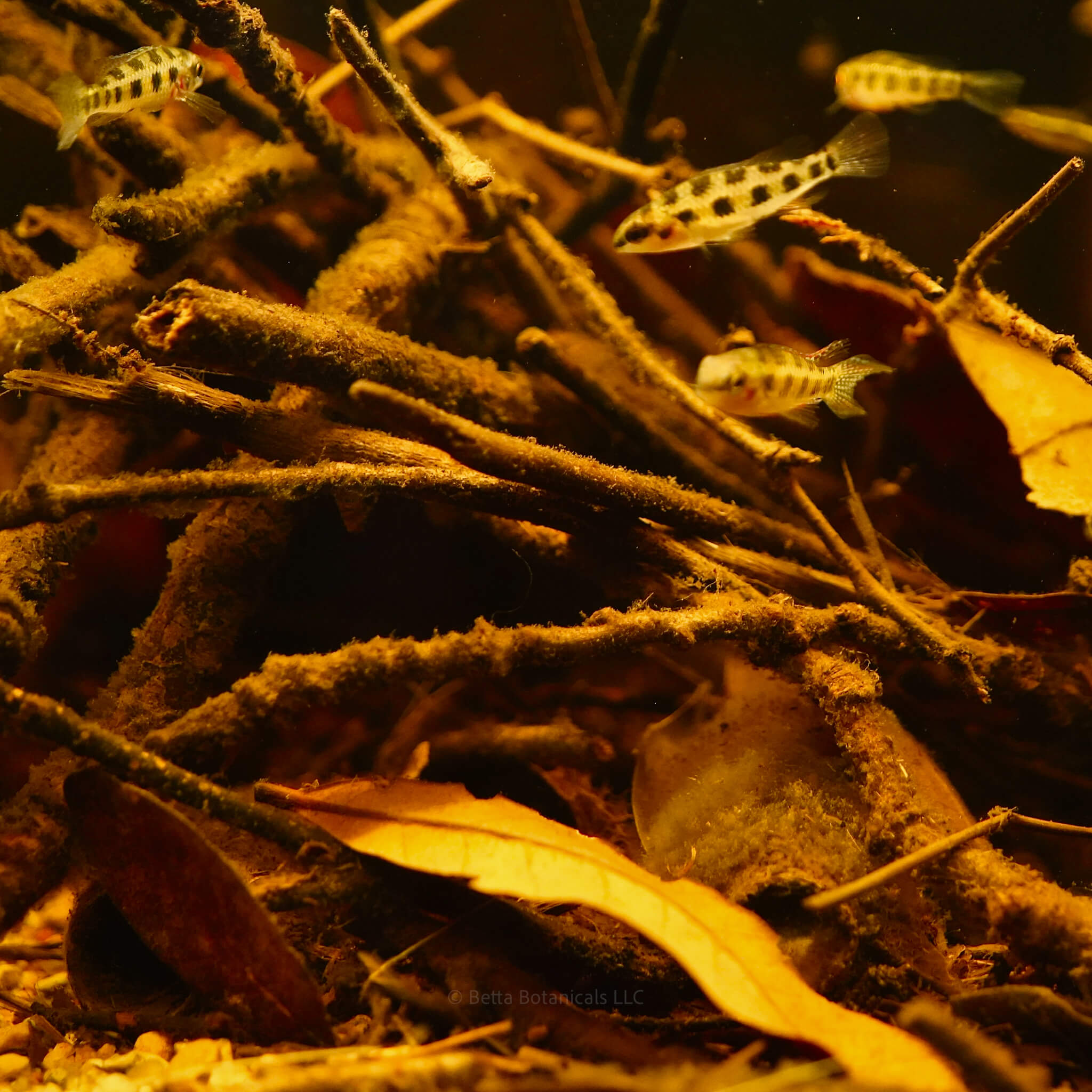
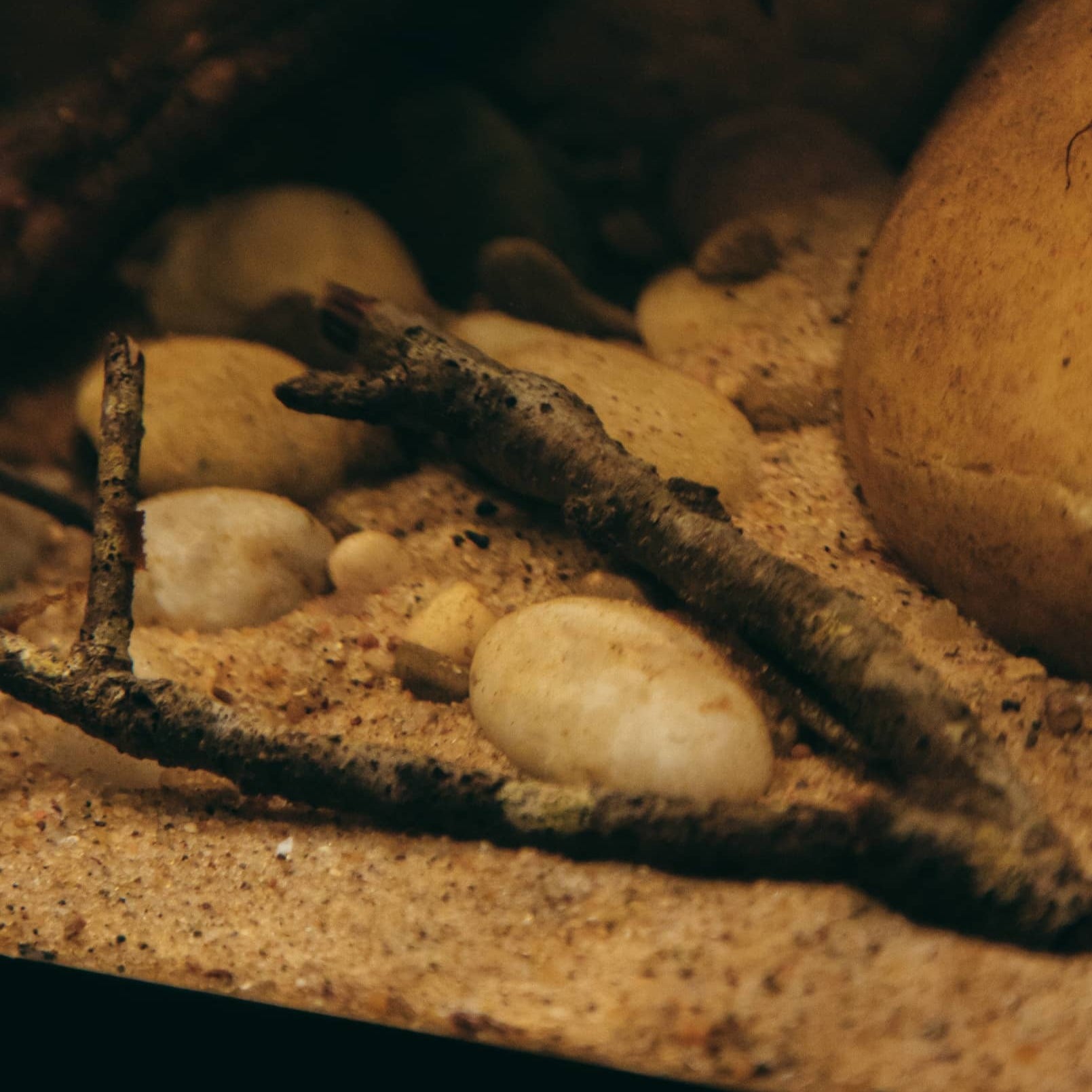
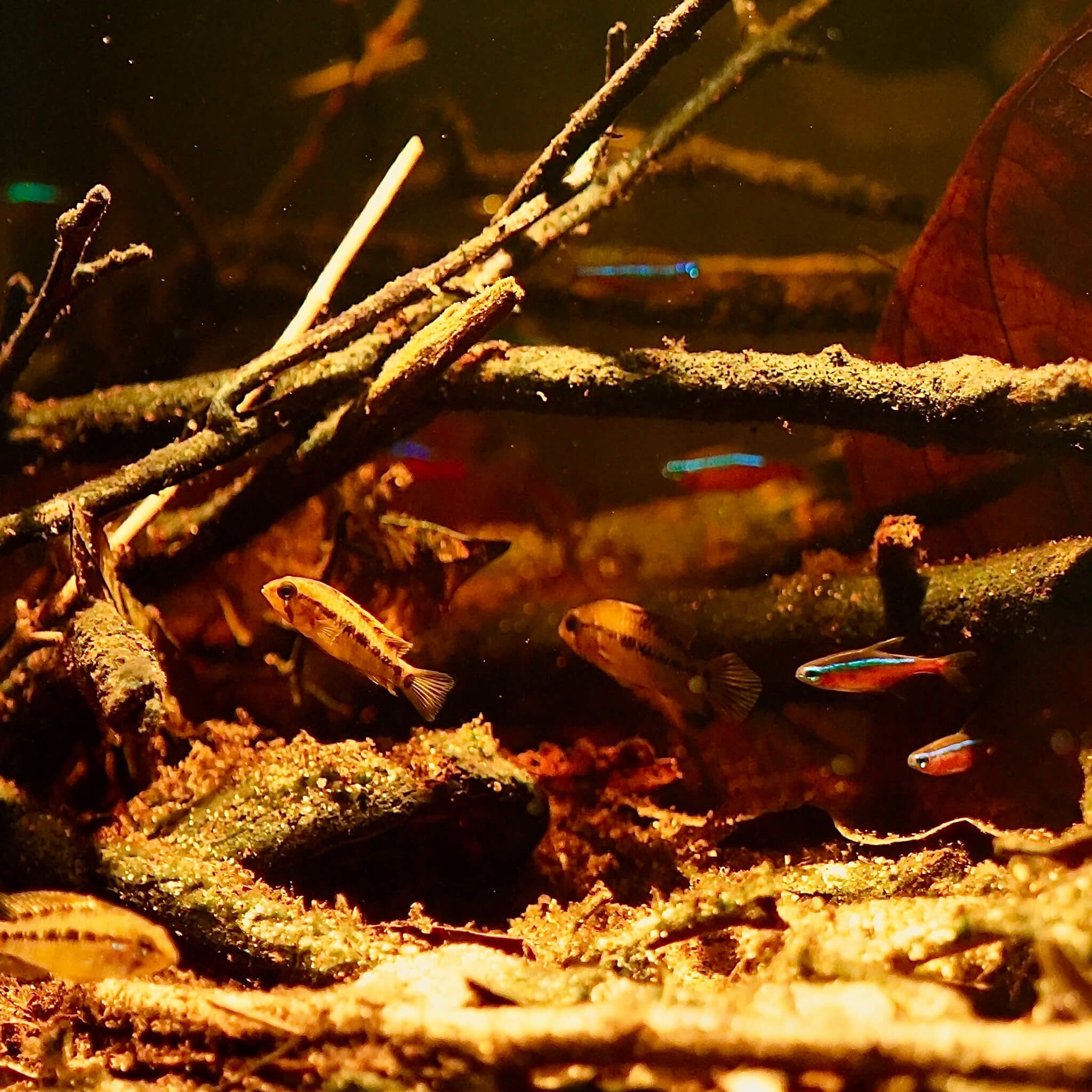
These oaks play a distinct role within the botanical method aquarium by adding durable structure that persists above and within the leaf litter layer. The narrow twigs weave between leaves and pods, helping stabilize developing substrates while creating shelter for shrimp, microfauna, and small fish. The heavier sticks and branches hold their position as primary hardscape, anchoring the aquarium or vivarium, improving composition and diversity as the substrate matures.
As the wood soaks and conditions, its surfaces become colonized by bacterial films and fungi. These biofilms remain available over weeks and months, supporting continuous grazing by shrimp and rasping fish. Both oaks carry the polyphenolic compounds documented across the Quercus genus, which passively release tannins and humic substances into the water as the wood ages. These compounds accumulate gradually over the decomposition cycle and can contribute to water conditions that may support fish immune function if you let the oak materials fully break down into beneficial detritus.
The three sizes let you match material to ecosystem scale. In nano aquariums, the twigs act as your primary hardscape on their own. In larger ecosystems, sticks and branches look most natural when layered with leaf litter — such as Texas Live Oak or Shingles Oak, and seed pods — such as sterculia or cacao pods, providing botanical diversity that allows the ecology of your aquarium to function similarly to what we’d find in natural habitats.
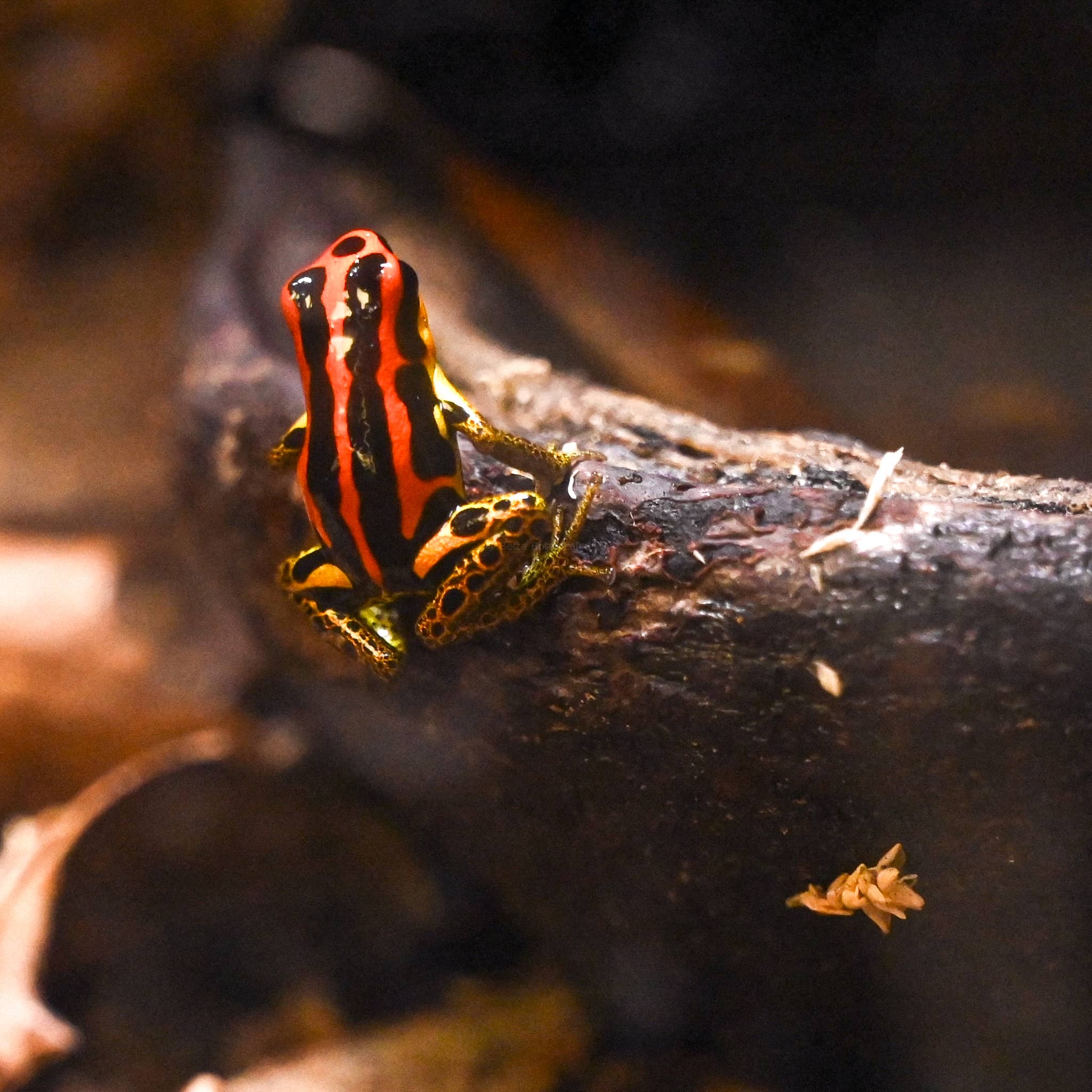
In bioactive enclosures, these same properties benefit the terrestrial environment. The wood provides climbing surfaces, refuges, and microbial grazing zones for clean-up crews, while slowly returning carbon-rich material to the soil food web as it ages. In our vivariums, twigs and sticks are frequently observed becoming colonized by moss and are best placed atop refreshed leaf litter during routine re-leafing.
Beneath the Leaves: North American Oak Trees in the Wild
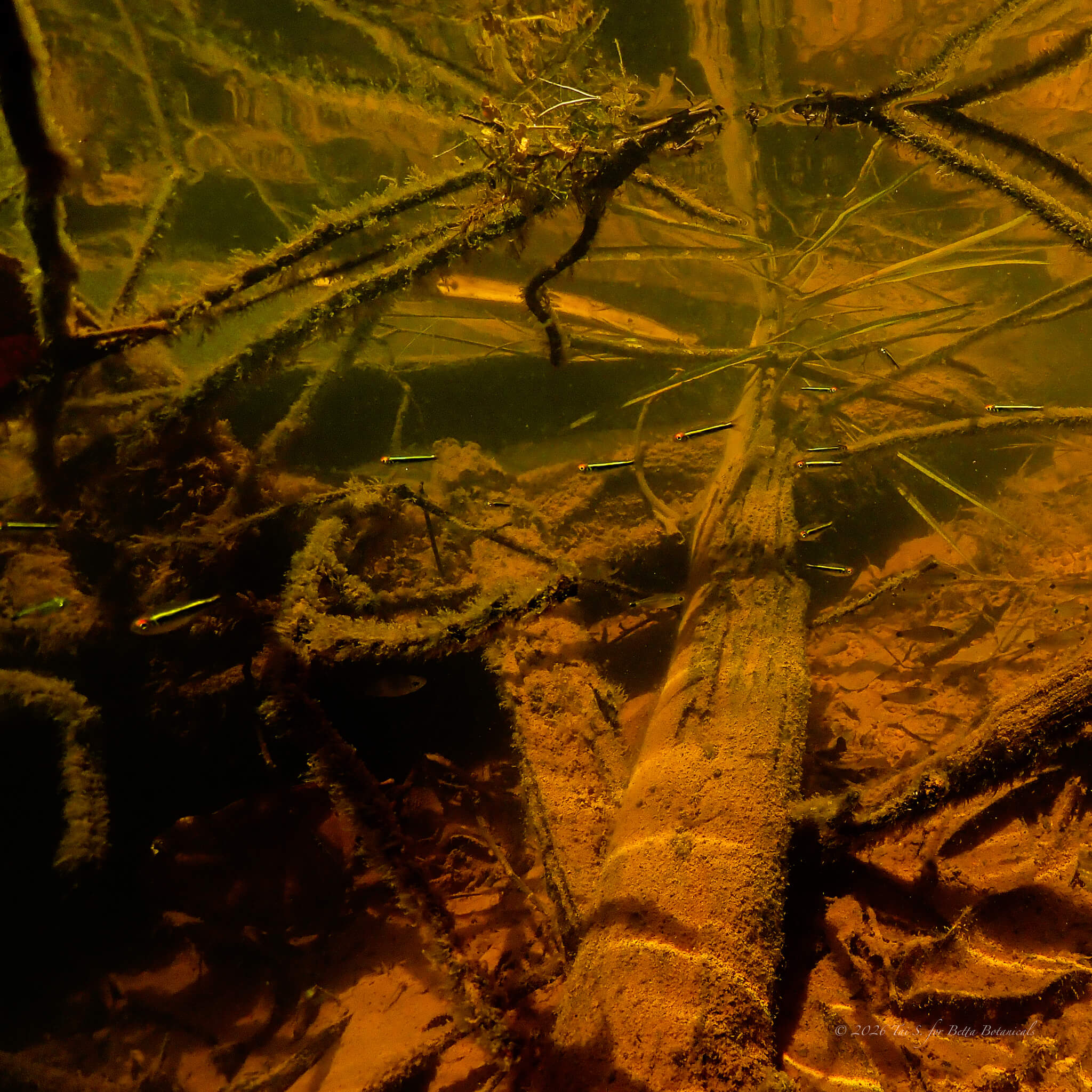
In oak woodlands, fallen twigs and branches accumulate alongside leaves, bark, and acorn material beneath the canopy. The Shingle Oak drops its wood across the moist eastern uplands, while the Texas live oak does the same across the drier limestone country of the Southwest, where it holds its leaves nearly year-round. Rather than breaking down quickly, these woody fragments persist as part of the forest understory, where fungi, microorganisms, and invertebrates gradually colonize their surfaces and begin to break them down slowly.
This persistence helps stabilize the forest floor. Wood traps detritus, retains moisture, and creates transition zones between soil and litter layers that support diverse invertebrate communities. When we incorporate these oaks into the aquarium or vivarium, they mirror that same process, providing an anchor for biological activity to develop naturally around them. Mother Nature leads the way.
Sustainability Note:
This product's packaging is home compostable.
Just like the botanicals inside, it will break down naturally and return to the soil—because what supports your ecosystem should minimally impact our planet.
Not for human consumption. Preparation required.
This is a natural product—variation in color, shape, and texture is expected.
Oak Twigs, Sticks & Branches | Q. imbricaria & fusiformis
Home is getting more natural
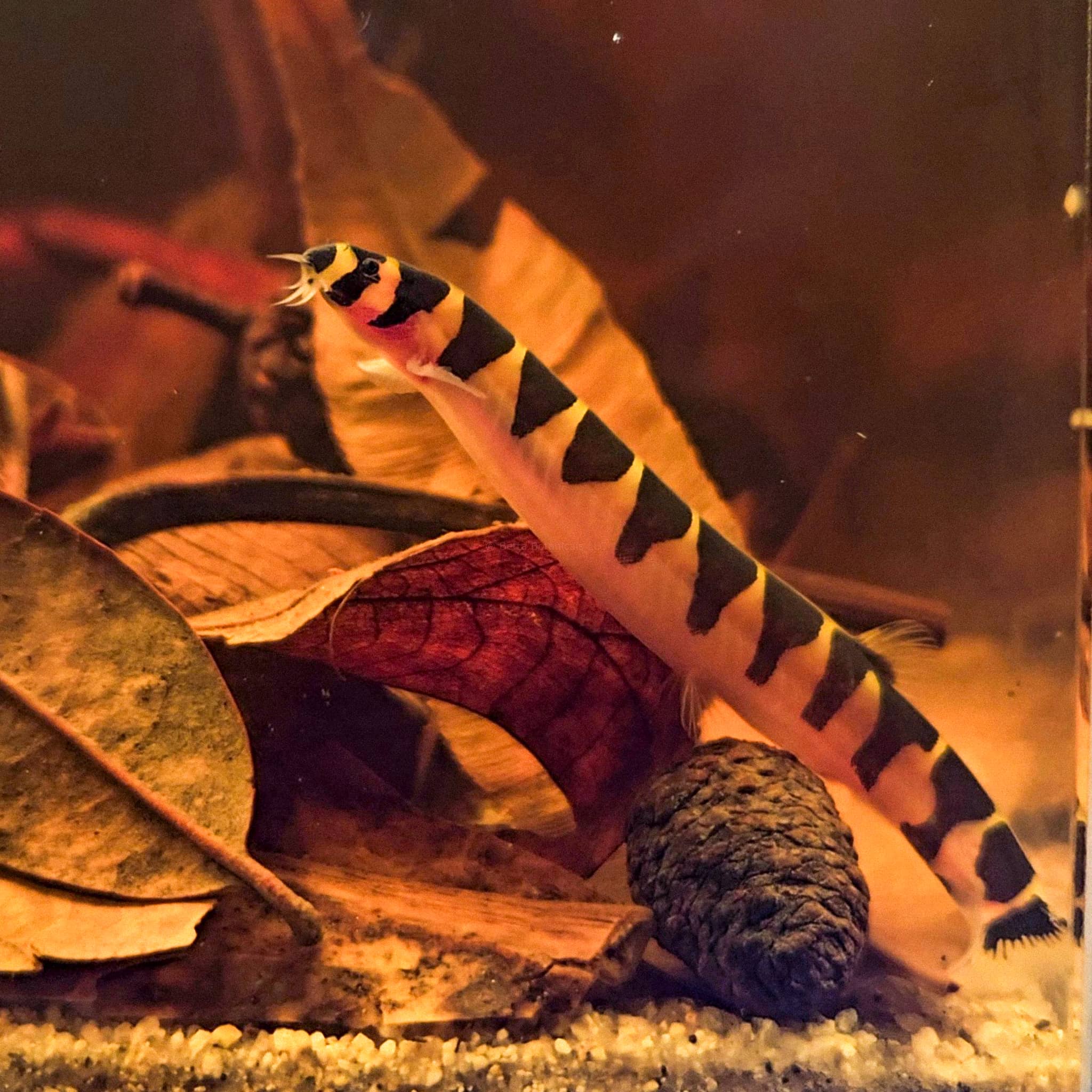
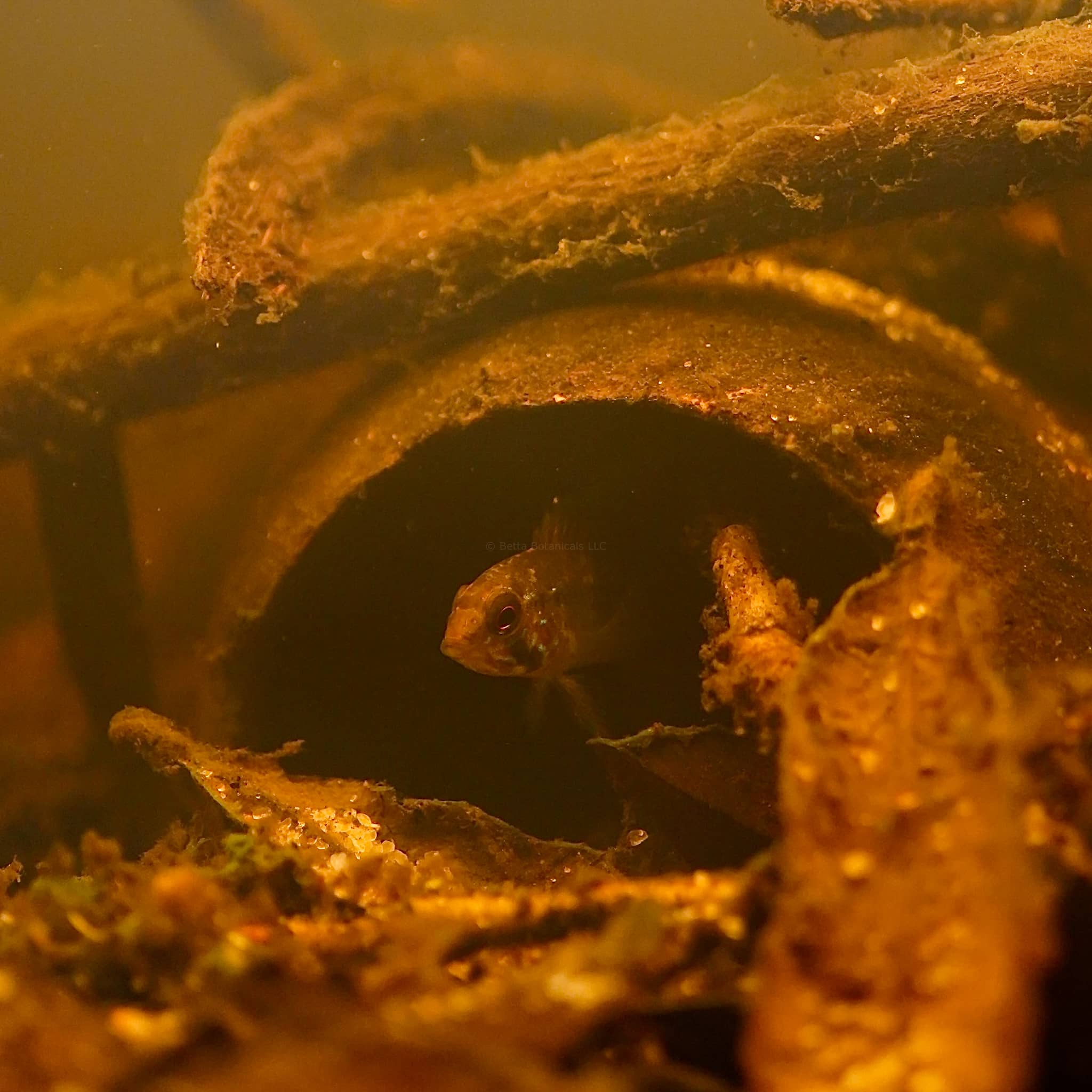
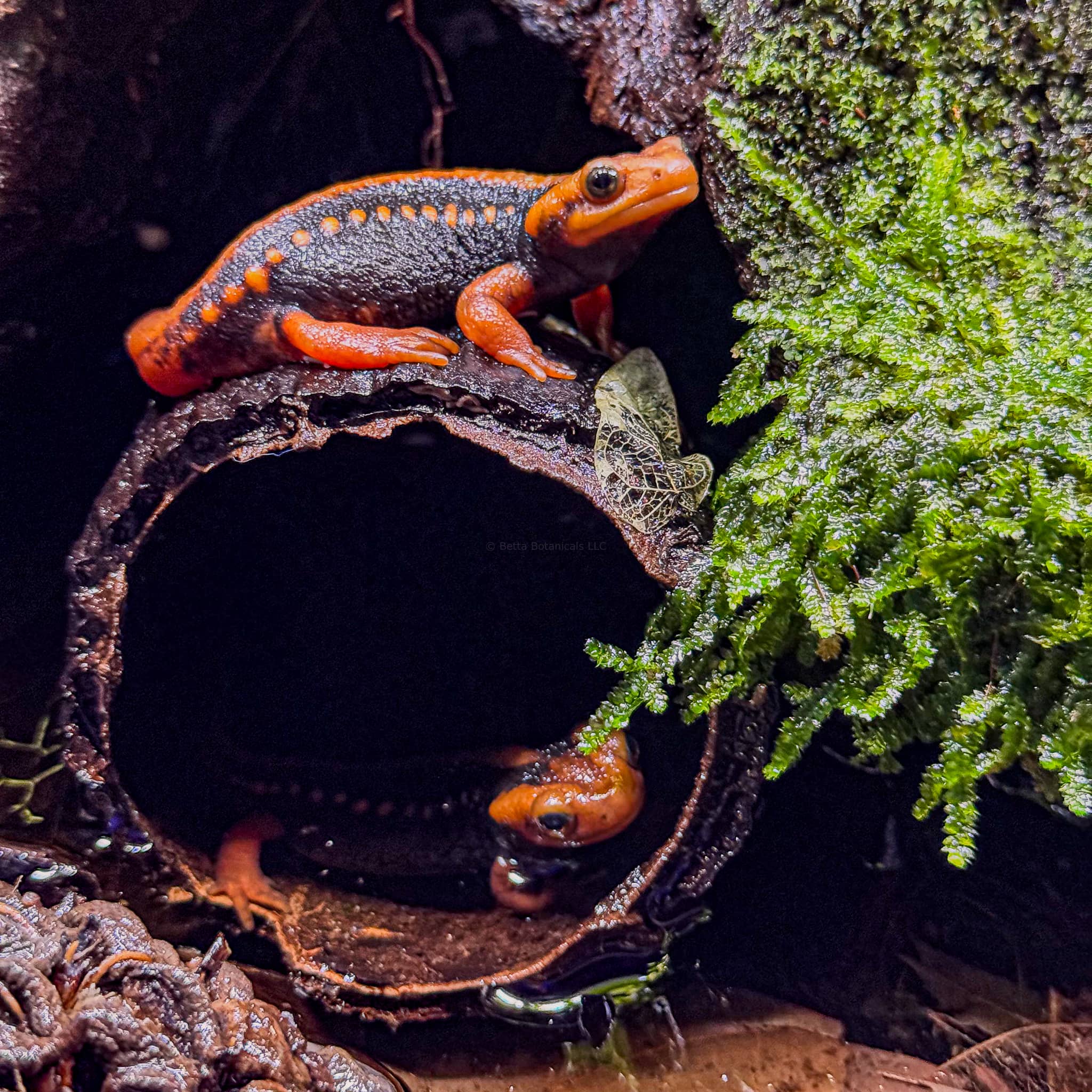
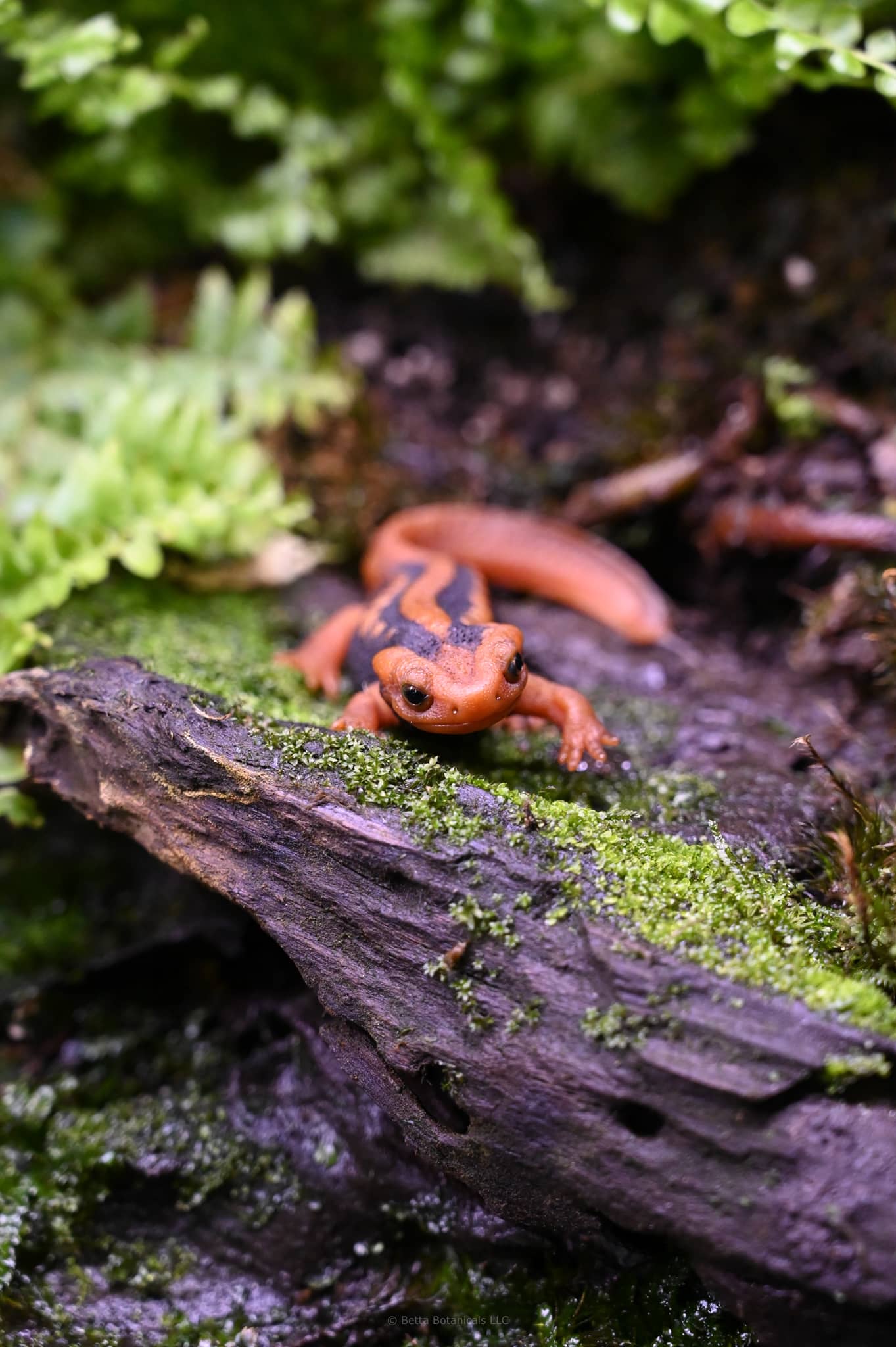
While the aesthetic appeal of botanicals and tinted water can be quite attractive to us, the recreation of nature to emulate water conditions, feeding patterns, spawning displays, and territory building are the true benefits botanicals provide to our critters.
Botanical FAQs
Compostable Packaging Promise
Our packaging is designed to return safely to the Earth, just like the botanicals inside. Every bag is BPA- and Phthalate-free, GMO-free, and contains no animal products. Each meets ASTM D6400 composting standards, ensuring it can fully break down in a home compost bin.
What are the Fluffy White Growths on my Botanicals?
That’s biofilm and fungi—what we call the “goo phase.” It’s one of the clearest signs that your aquarium is alive and functioning. These growths wax and wane naturally as botanicals decompose. They’re harmless, even beneficial, and will disappear on their own once microbial populations stabilize.
Will botanicals lower the pH of my water?
That depends entirely on your source water. In very soft or RODI water, botanicals can gradually lower pH as tannins and humic substances accumulate. In medium to hard tap water, buffering capacity often resists these shifts, and you may not notice much change. At Betta Botanicals HQ, our very hard water (350+ ppm) shows almost no pH change unless we use botanicals like Alder Cones or Macaranga Leaves.
When should I replace leaves or pods in my tank?
We recommend allowing botanicals to fully break down into detritus, since this fuels microbial life and enriches the substrate. You can remove them once they stop tinting the water, but you’ll lose some of their ecological benefits. Each time you add new botanicals, follow proper preparation and observe your livestock until you learn your aquarium’s rhythm.
Are your products just for bettas?
Nope. Our botanicals are safe for almost all aquariums, terrariums, vivariums, and paludariums. The only exceptions are goldfish and axolotls, which may ingest small pods like alder cones or casuarina cones. For those species, we recommend large leaves such as Indian Almond, Loquat, or Jackfruit.
What are Tannins?
Tannins are natural compounds released by leaves, seed pods, and bark as they decompose in water. They soften water, gently lower pH, and create the characteristic tea-stained tint found in blackwater habitats. But their role goes far beyond color—tannins fuel beneficial bacteria, fungi, and biofilms, which form the foundation of a healthy ecosystem. They also offer mild antifungal benefits and help reduce stress in fish by replicating the natural conditions they’ve evolved in. At their core, tannins are plant-derived antioxidants that connect your aquarium to the same processes at work in wild flooded forests and streams.