Cacao Pod | Theobroma cacao
Cacao Pods on the Surface:
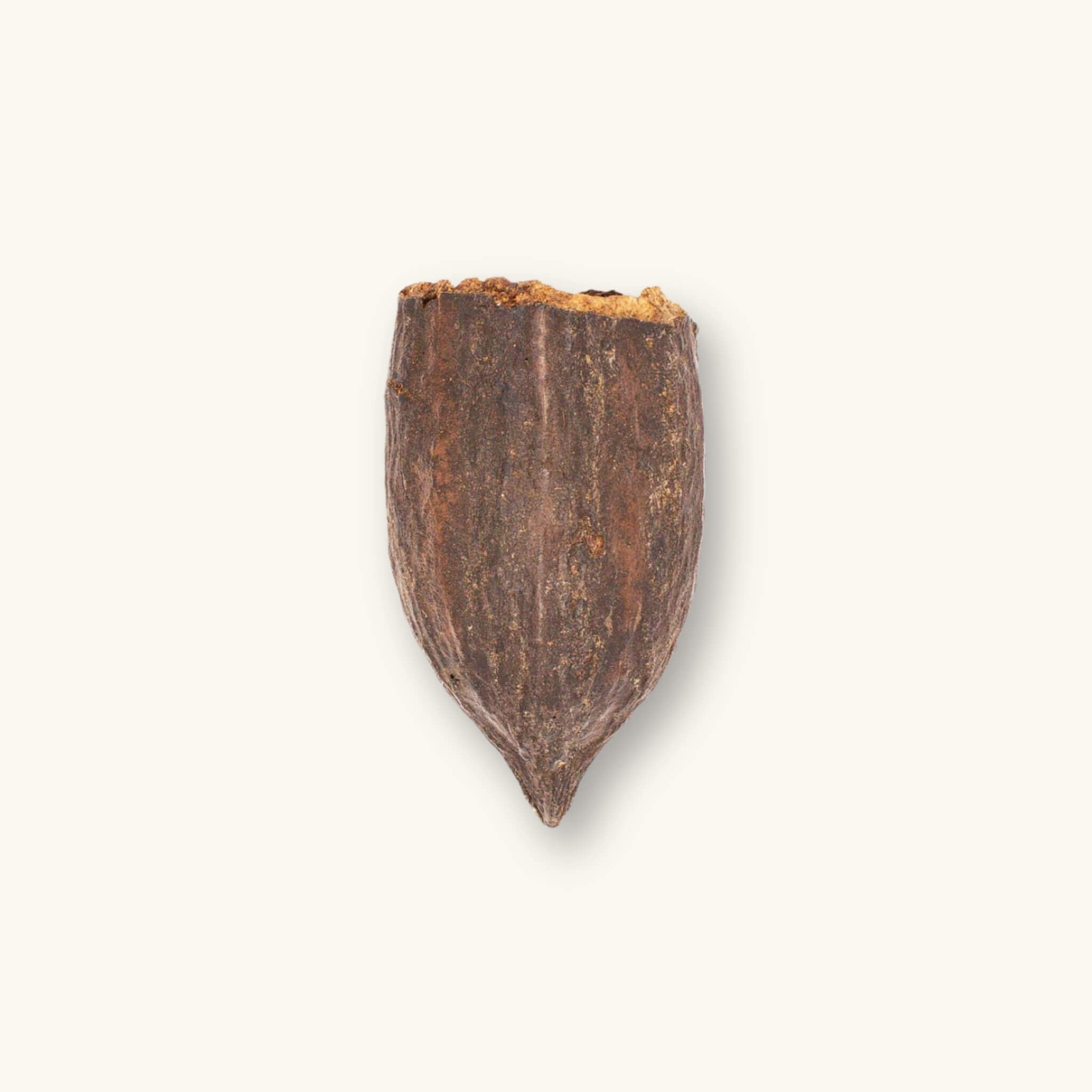
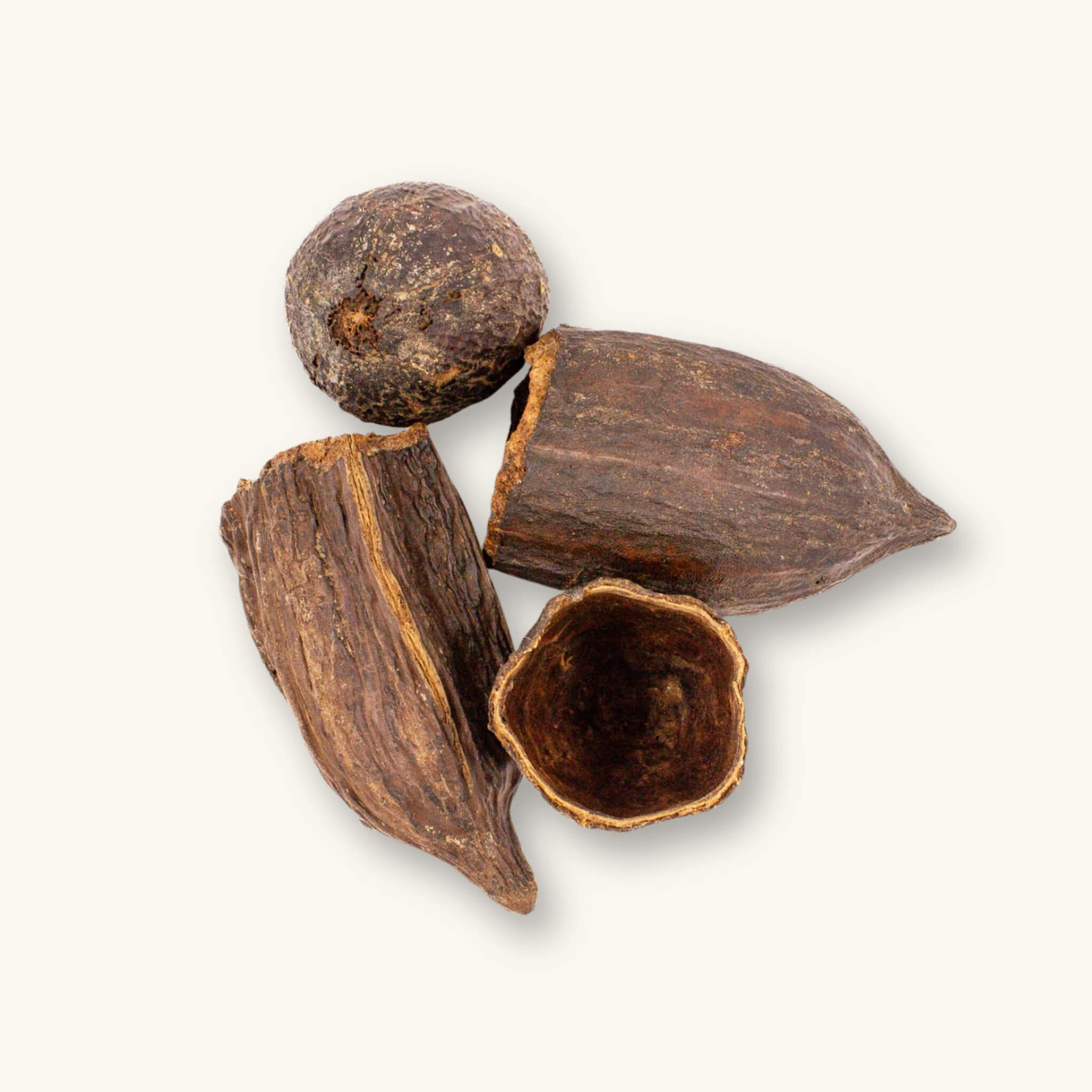
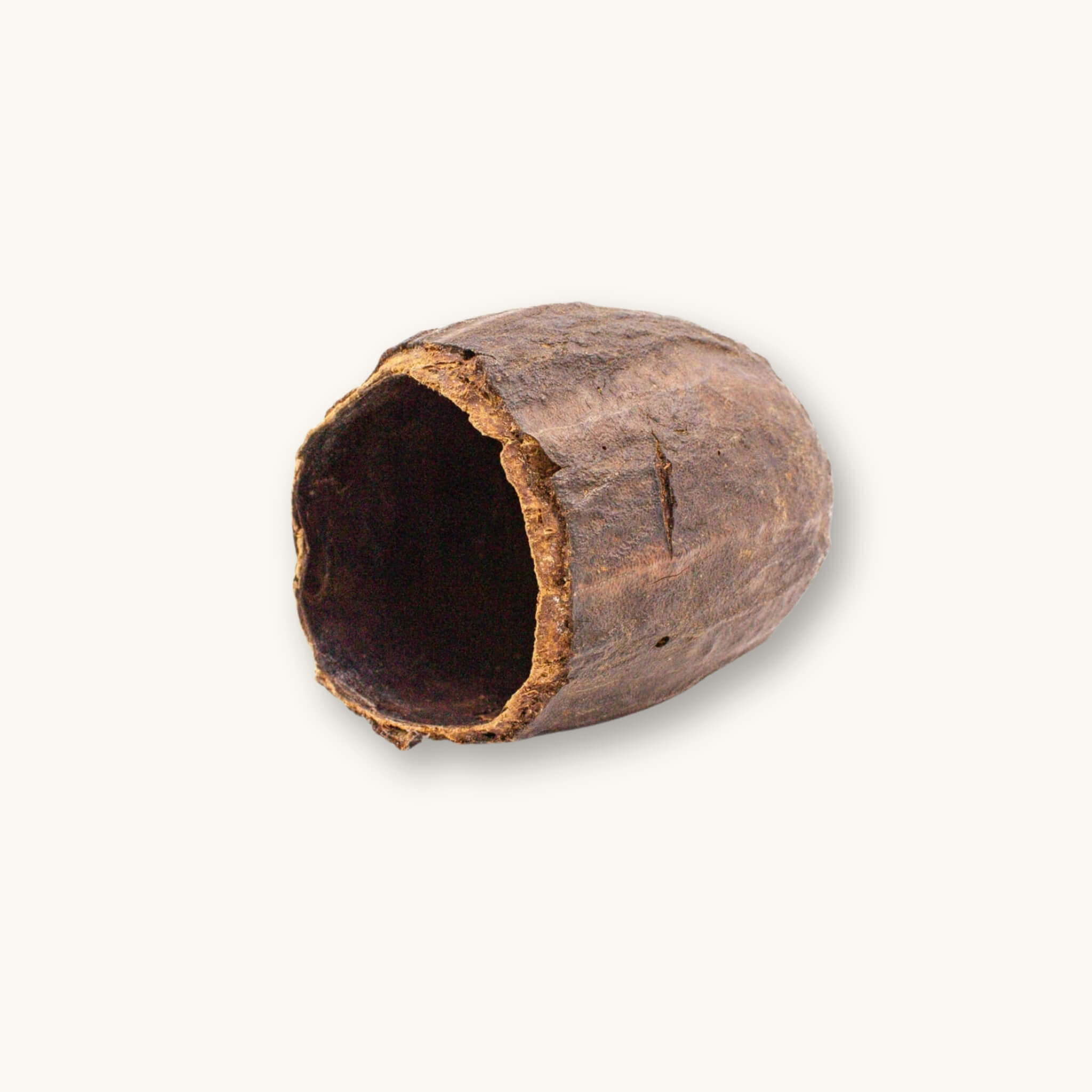
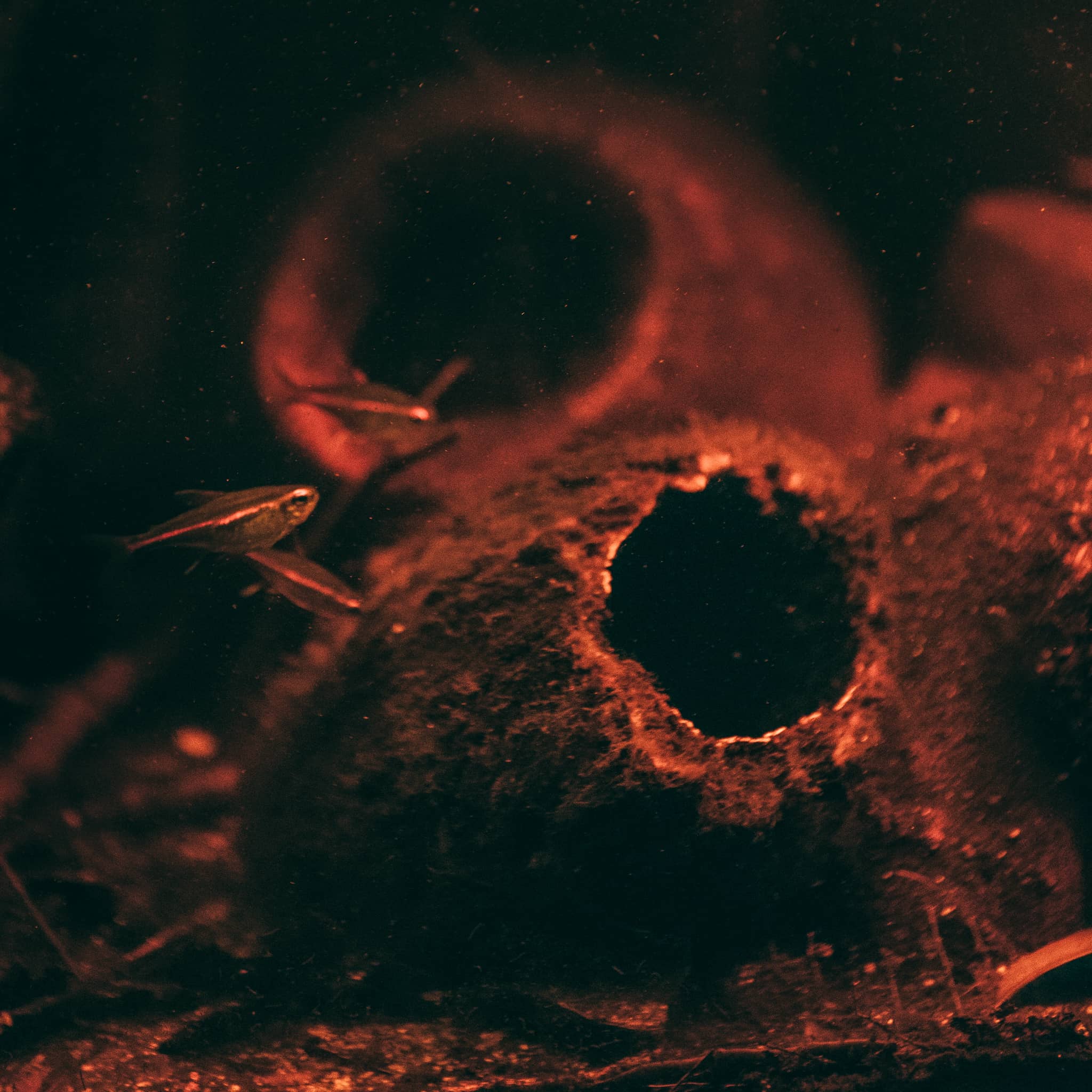
The Cacao Pod (Theobroma cacao) is the dried husk of the cacao fruit, native to tropical forests across Southeast Asia and parts of South America, and sourced here from Sumatra, Indonesia, and Sri Lanka. Its dense, dark exterior and hollow interior make it one of the more structurally appropriate natural caves, quick to waterlog once introduced to the Botanical Method, blackwater, or biotope aquarium, yet durable enough to hold its shape for up to six months before breaking down into detritus. In aquariums and vivariums, its main benefit is as a natural cave for refuge, but it also provides beneficial surface area for microbial colonization.
Essential Details
- Tannin Level: Low
- Tint Color: Minimal; may produce a faint amber tint
- Durability: Softens within days of submersion; maintains structural integrity for approximately six months before breaking down into detritus
- Habitat Location: Sumatra, Indonesia
- Optimal For: Bettas, Apistogramma, Corydoras, Plecos, dart frogs, newts, shrimp, isopods, springtails.
- Use with Caution: Suitable for all tank inhabitants
- Size Range: Varies by harvest; pod sizes and shapes range naturally between 3” to 7” long with openings between 2” and 4” diameter.
- Quantities: Available in 1-count and 4-count Cacao Pods
Cacao Pod for Aquariums & Vivariums
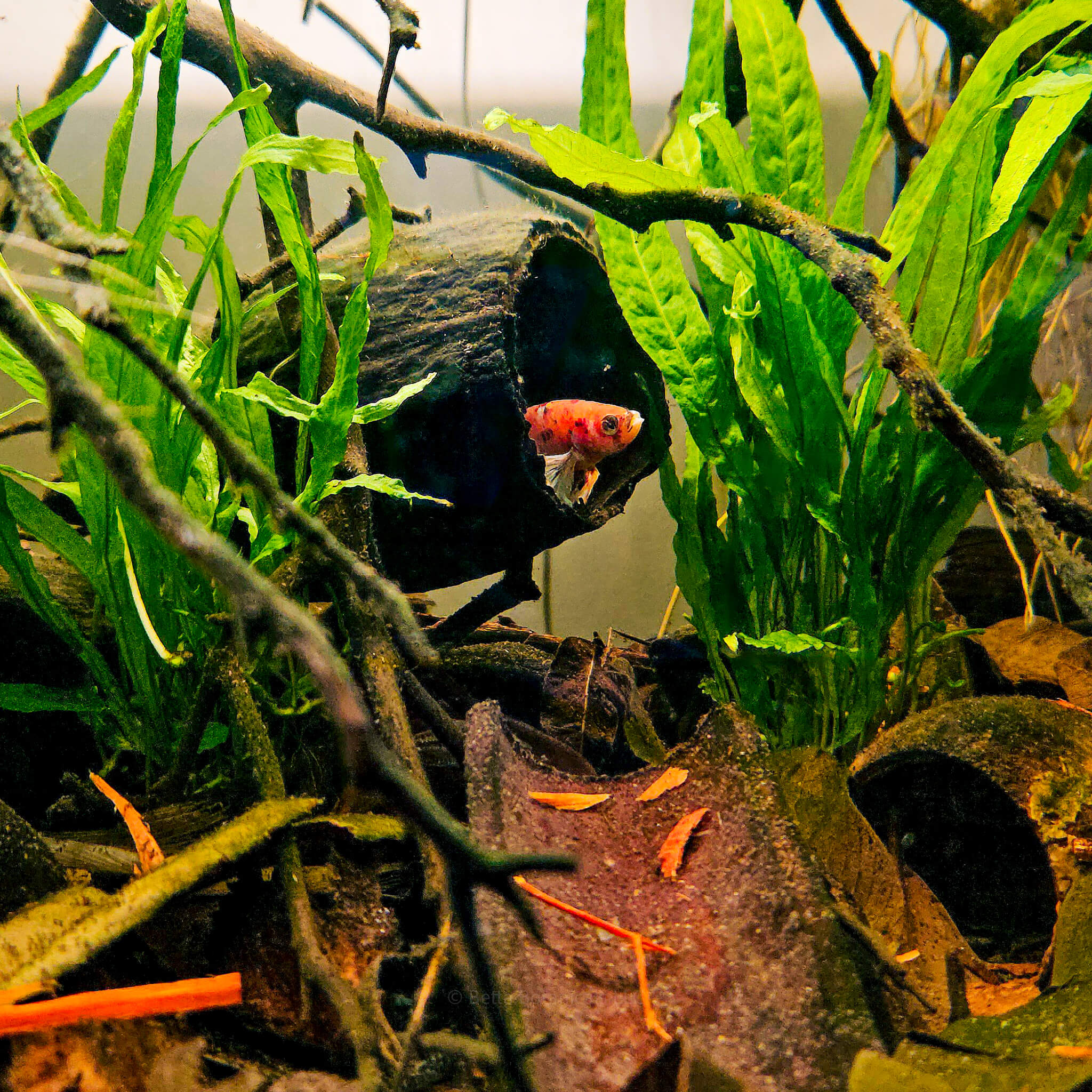
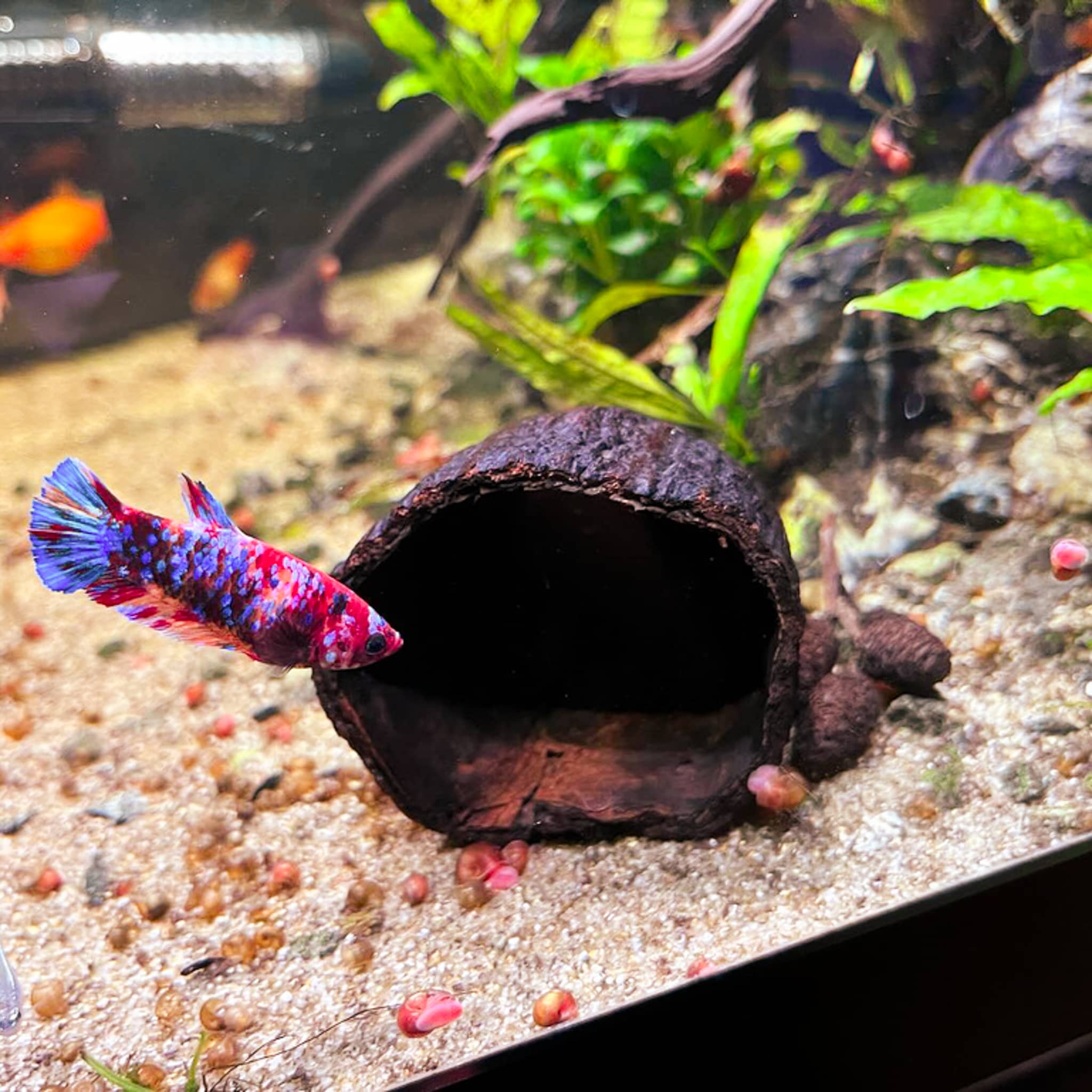
The Cacao Pod is first used in the botanical method aquarium as a structural botanical, but over time, it contributes to the perpetual substrate as it breaks down into beneficial detritus. Its hollow interior provides immediate refuge for cave-dwelling fish. Apistogramma, Bettas, Corydoras, and Plecos are all documented users of cavities like this one in the wild, for territory, spawning, and shelter.
Within the first few days, expect biofilms and aquatic hyphomycetes to colonize the pod's exterior surface. This is not a problem to solve. Biofilm is one of the primary food sources for shrimp, fry, and invertebrates in any botanical method aquarium, and its presence signals that the pod has become ecologically active. Leave it undisturbed, as no amount of ‘re-boiling’ can speed up this process.
As the pod's fibrous tissue begins to soften and break down, it releases polyphenols, flavonoids, and trace organic compounds documented in the Theobroma cacao pod husk; compounds that may support the microbial food web and contribute to the organics of the aquarium’s substrate layer. This is a process-driven benefit that develops gradually, not at the moment of introduction, so the longer you leave this pod husk in the aquarium, the more compounds are released from its tissues.
Over the following months, fungal and microbial communities will continue working through the fibrous tissue. By the time the pod begins to break down into detritus, it has contributed colonizable surface area, refuge sites, and organic material to the substrate below. In a well-maintained botanical method aquarium, this decomposition cycle is continuous: one pod replaces another, and the substrate layer builds incrementally over time.
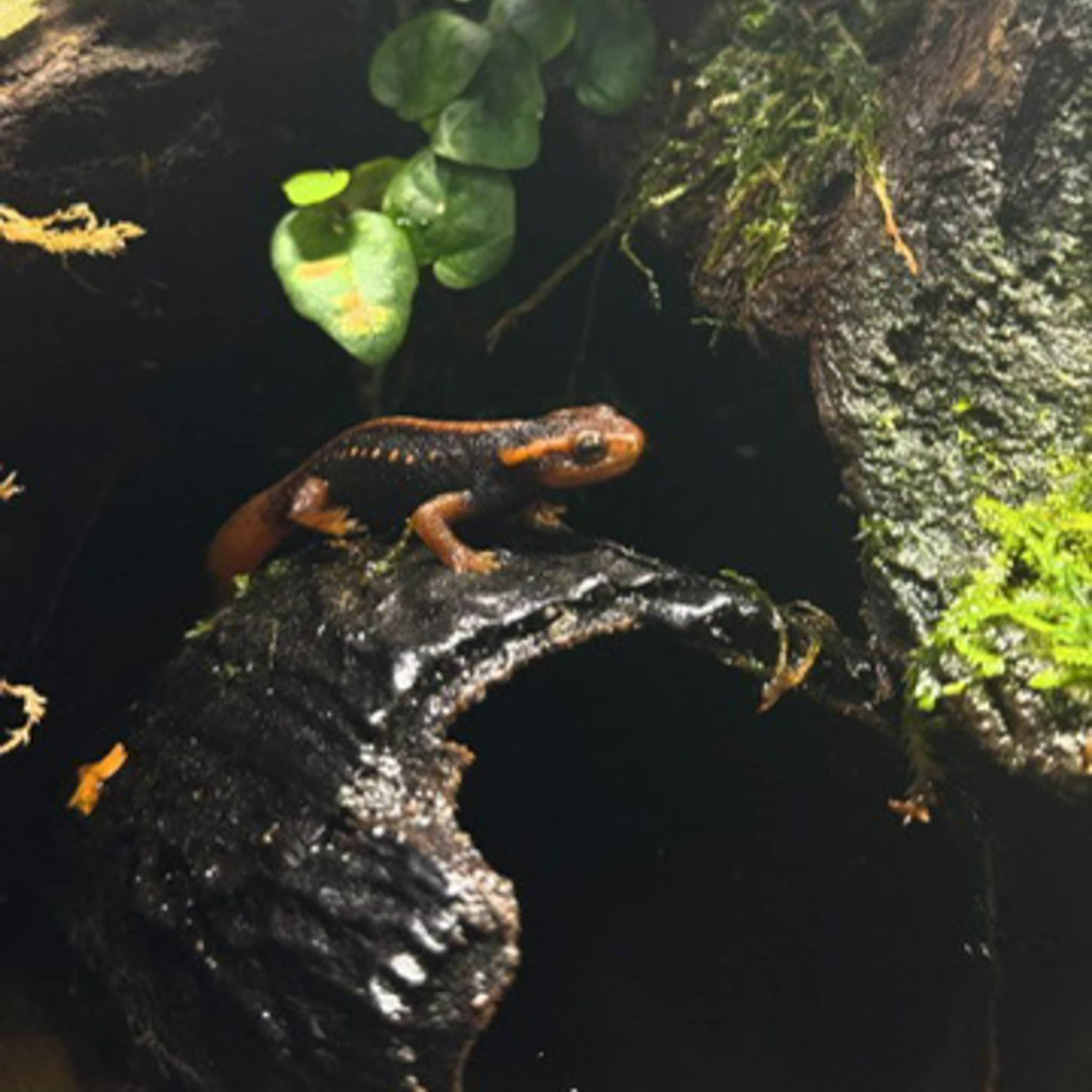
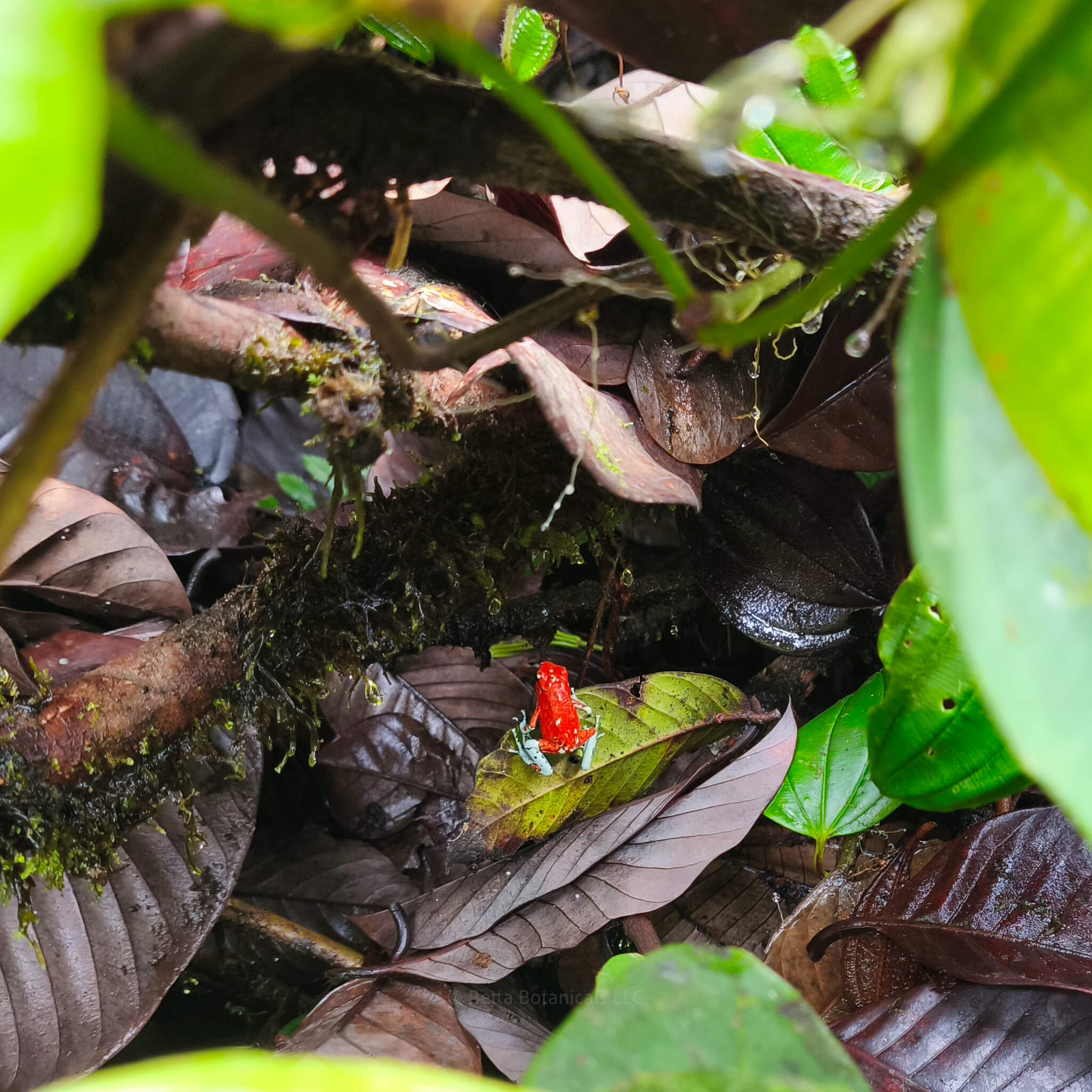
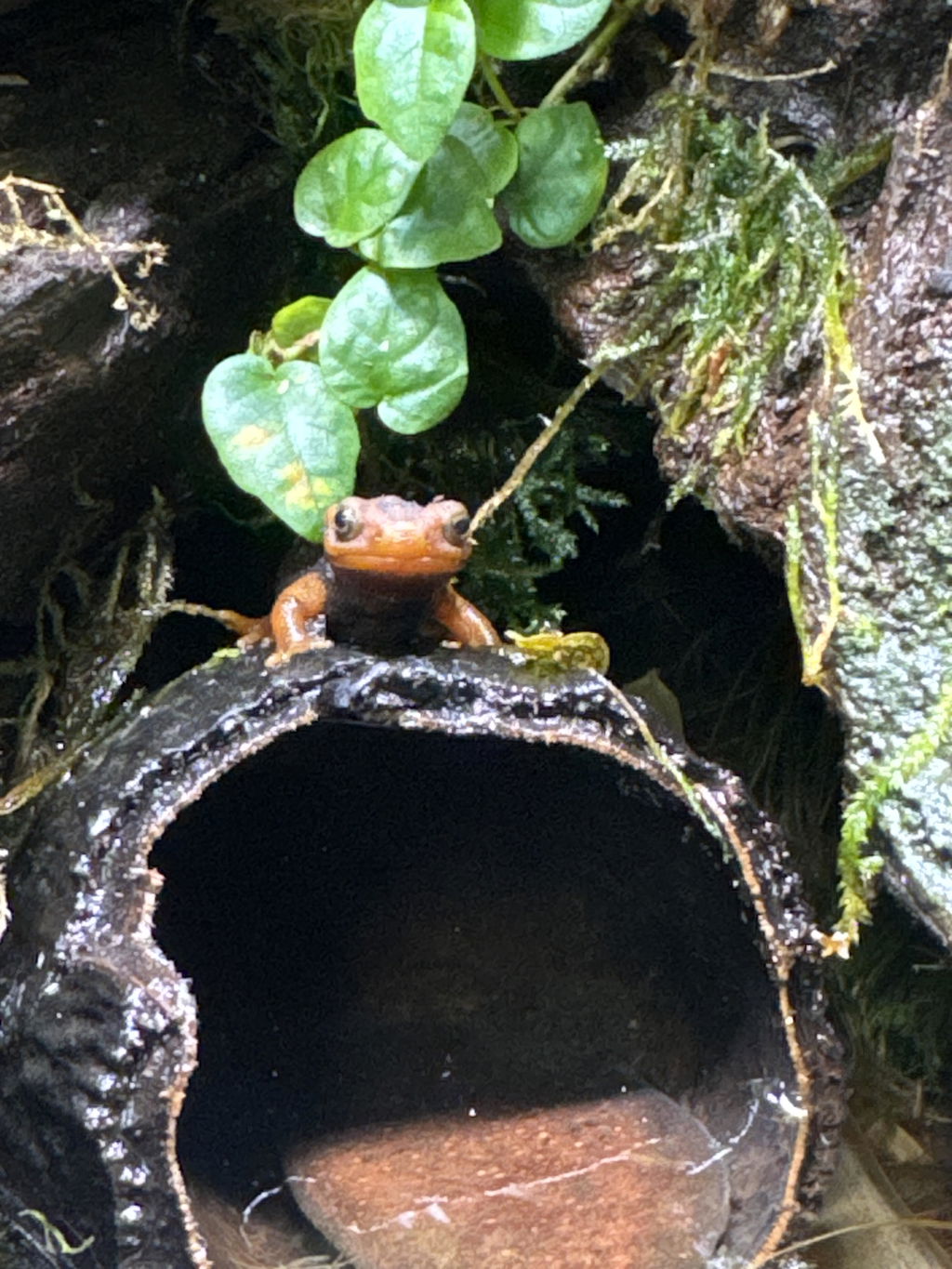
In the vivarium, the Cacao Pod serves a similar function. Isopods and springtails will graze its surfaces and, once sufficiently saturated, begin consuming the fibrous interior. Dart frogs, newts, and smaller salamanders use the cacao pod as a natural retreat, a resting site, and — given the right conditions — a staging area for egg deposition.
Beneath the Leaves: Theobroma cacao in the Wild
Theobroma cacao grows in the humid understory of tropical forests from Southeast Asia to the Amazon basin, where its fruit develops directly from the trunk — a growth pattern known as cauliflory. When pods fall or are harvested, the husks remain on the forest floor and gradually saturate during rainfall. During season flooding, they become part of the leaf litter layer of flooded forests, helping to influence blackwater tributaries.
Fish native to these zones encounter pod husks, fallen fruit, woody debris, and accumulated organic matter as part of the substrate they forage, spawn, and shelter beneath. Recreating that physical substrate diversity at the aquarium scale provides territorial and cave-spawning species the environmental cues they need to express natural behaviors. Mother Nature leads the way.
Sustainability Note:
This product's packaging is home compostable.
Just like the botanicals inside, it will break down naturally and return to the soil — because what supports your ecosystem should minimally impact our planet.
Not for human consumption. Preparation required.
This is a natural product — variation in color, shape, and texture is expected.
Cacao Pod | Theobroma cacao
Home is getting more natural
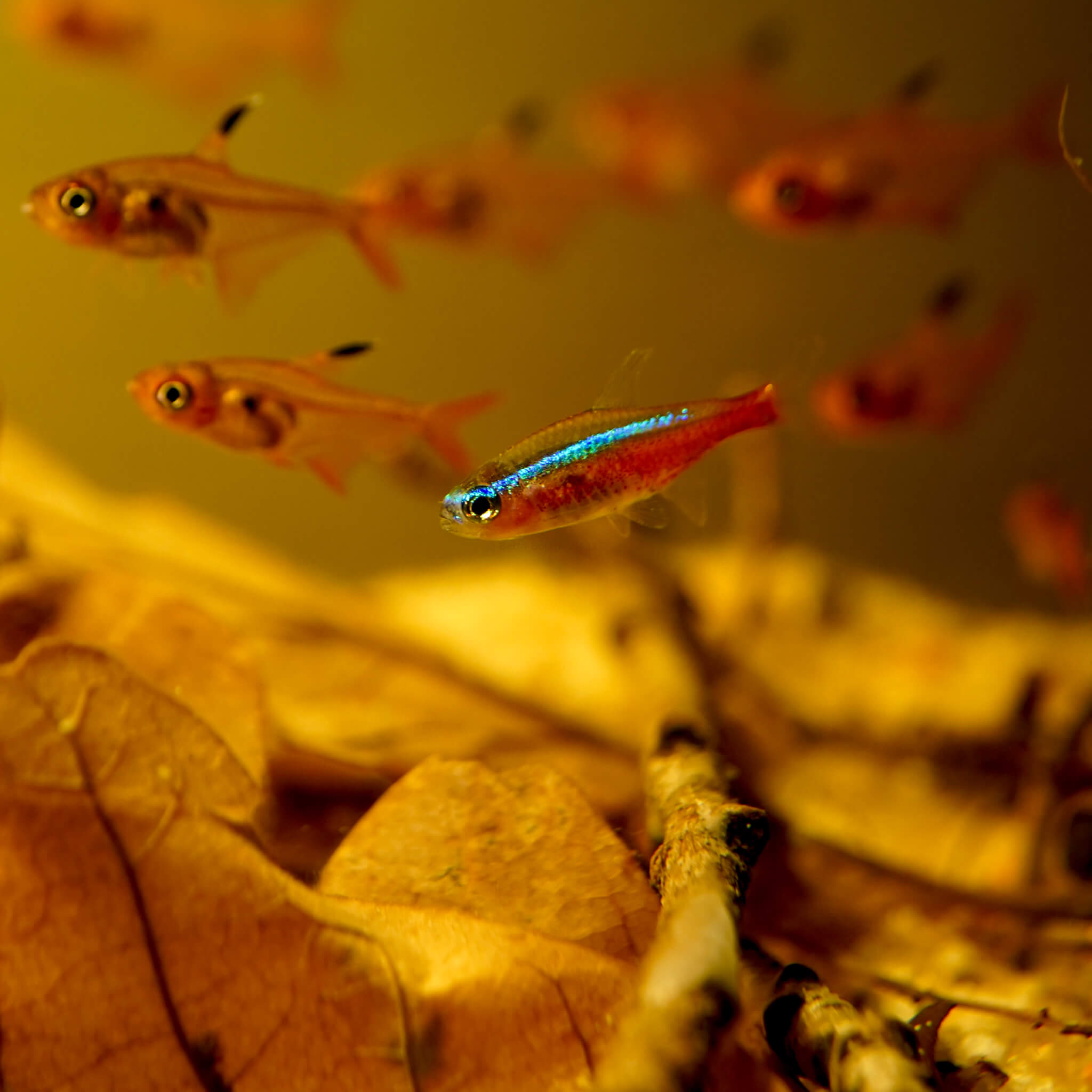
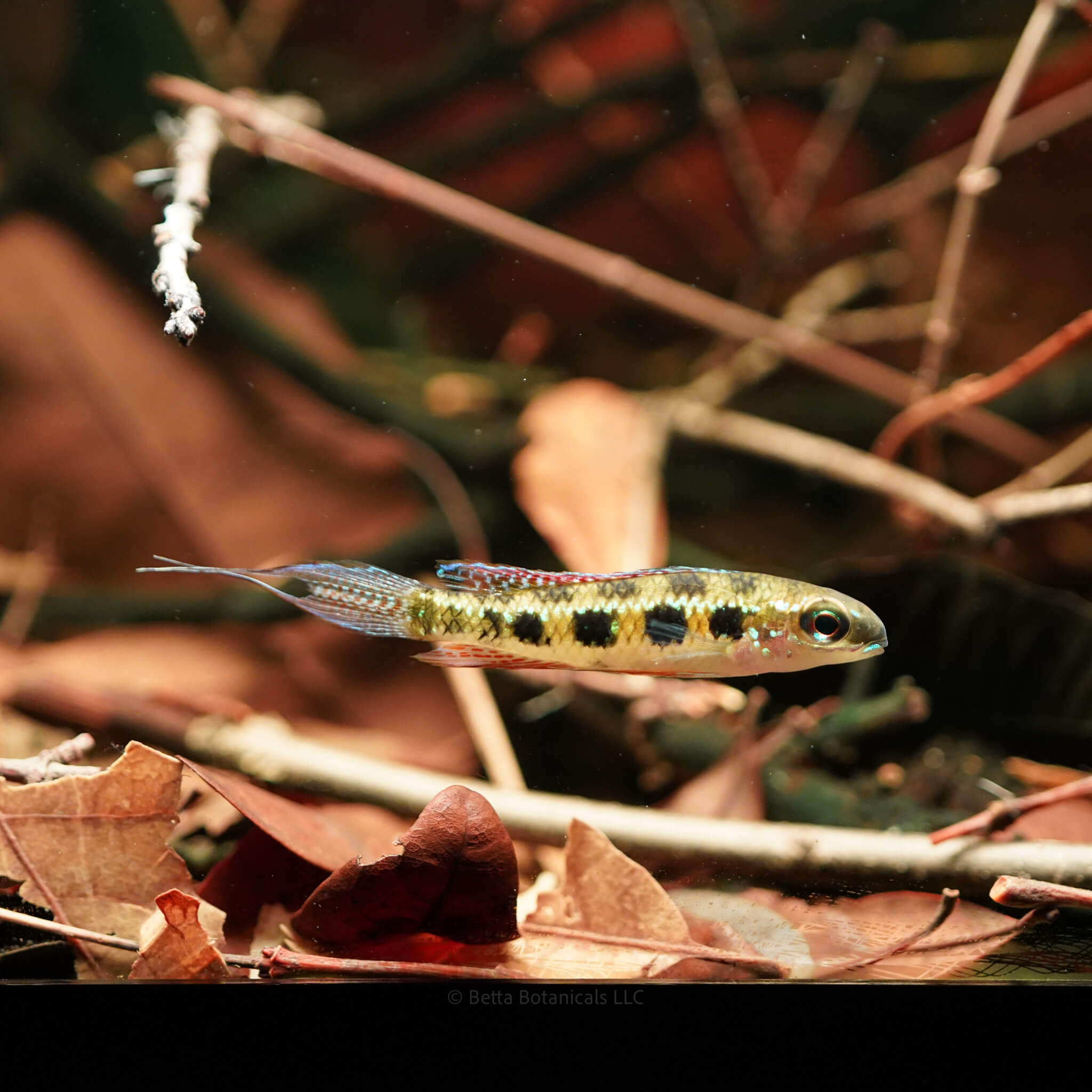
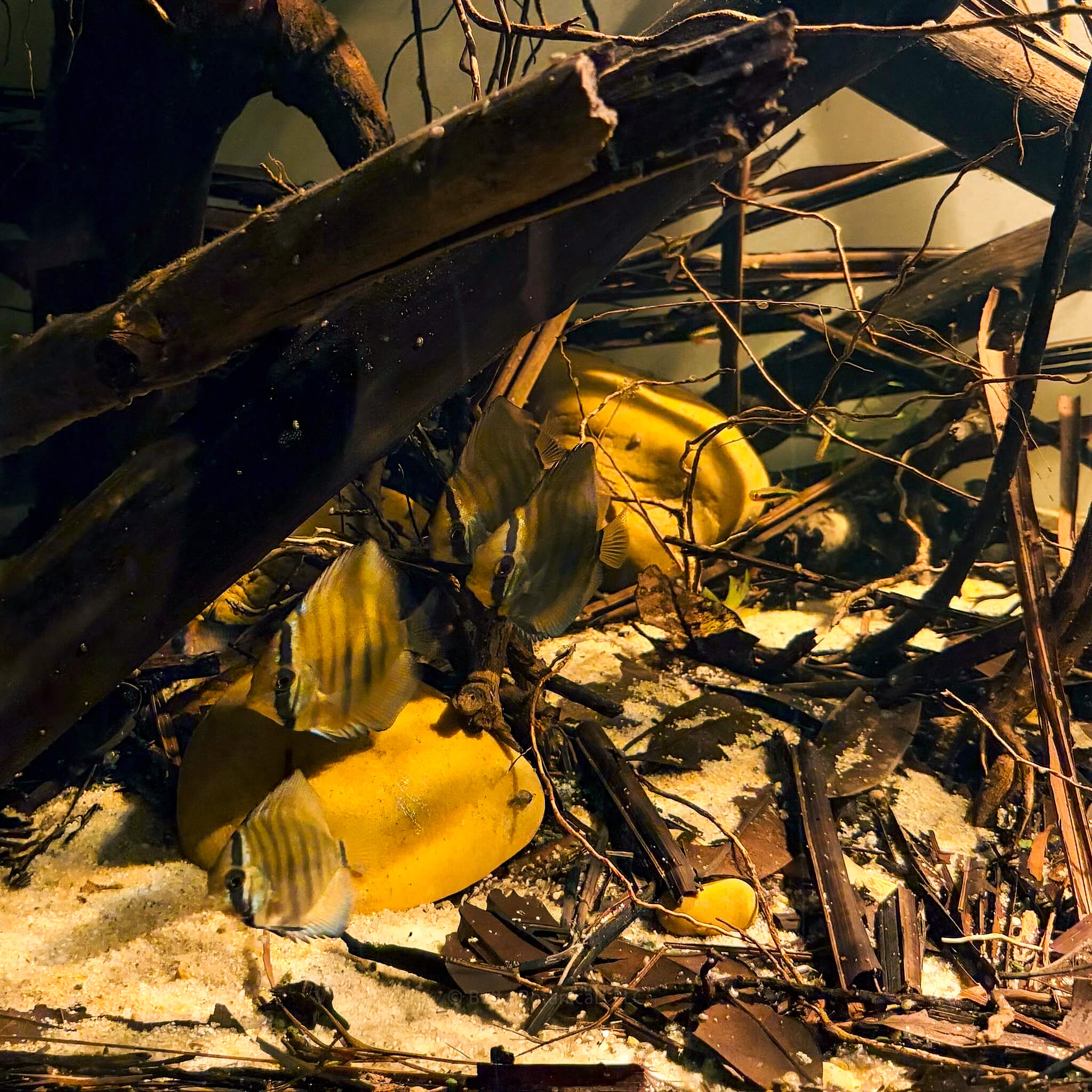
While the warm tones of tinted water and layered botanicals may first catch our eye, their true value is ecological. In South American habitats, fallen leaves, seed pods, and woody debris shape water chemistry, soften light, and sustain the microbial food web. Recreating these conditions allows us to mirror the rhythms of blackwater rivers and flooded forests where South American fish, amphibians, and invertebrates feel most at home.
Botanical FAQs
Compostable Packaging Promise
Our packaging is designed to return safely to the Earth, just like the botanicals inside. Every bag is BPA- and Phthalate-free, GMO-free, and contains no animal products. Each meets ASTM D6400 composting standards, ensuring it can fully break down in a home compost bin.
What are the Fluffy White Growths on my Botanicals?
That’s biofilm and fungi—what we call the “goo phase.” It’s one of the clearest signs that your aquarium is alive and functioning. These growths wax and wane naturally as botanicals decompose. They’re harmless, even beneficial, and will disappear on their own once microbial populations stabilize.
Will botanicals lower the pH of my water?
That depends entirely on your source water. In very soft or RODI water, botanicals can gradually lower pH as tannins and humic substances accumulate. In medium to hard tap water, buffering capacity often resists these shifts, and you may not notice much change. At Betta Botanicals HQ, our very hard water (350+ ppm) shows almost no pH change unless we use botanicals like Alder Cones or Macaranga Leaves.
When should I replace leaves or pods in my tank?
We recommend allowing botanicals to fully break down into detritus, since this fuels microbial life and enriches the substrate. You can remove them once they stop tinting the water, but you’ll lose some of their ecological benefits. Each time you add new botanicals, follow proper preparation and observe your livestock until you learn your aquarium’s rhythm.
Are your products just for bettas?
Nope. Our botanicals are safe for almost all aquariums, terrariums, vivariums, and paludariums. The only exceptions are goldfish and axolotls, which may ingest small pods like alder cones or casuarina cones. For those species, we recommend large leaves such as Indian Almond, Loquat, or Jackfruit.
What are Tannins?
Tannins are natural compounds released by leaves, seed pods, and bark as they decompose in water. They soften water, gently lower pH, and create the characteristic tea-stained tint found in blackwater habitats. But their role goes far beyond color—tannins fuel beneficial bacteria, fungi, and biofilms, which form the foundation of a healthy ecosystem. They also offer mild antifungal benefits and help reduce stress in fish by replicating the natural conditions they’ve evolved in. At their core, tannins are plant-derived antioxidants that connect your aquarium to the same processes at work in wild flooded forests and streams.
- Perfect little cave, looks awesome and smells great when boiling!
- They work great for a natural apistogramma cave.
- They also double as nice places for fish to hide.
Very happy with all the botanicals I ordered, plan to use them in my Bettas’ aquariums.

Perfect little cave, looks awesome and smells great when boiling!
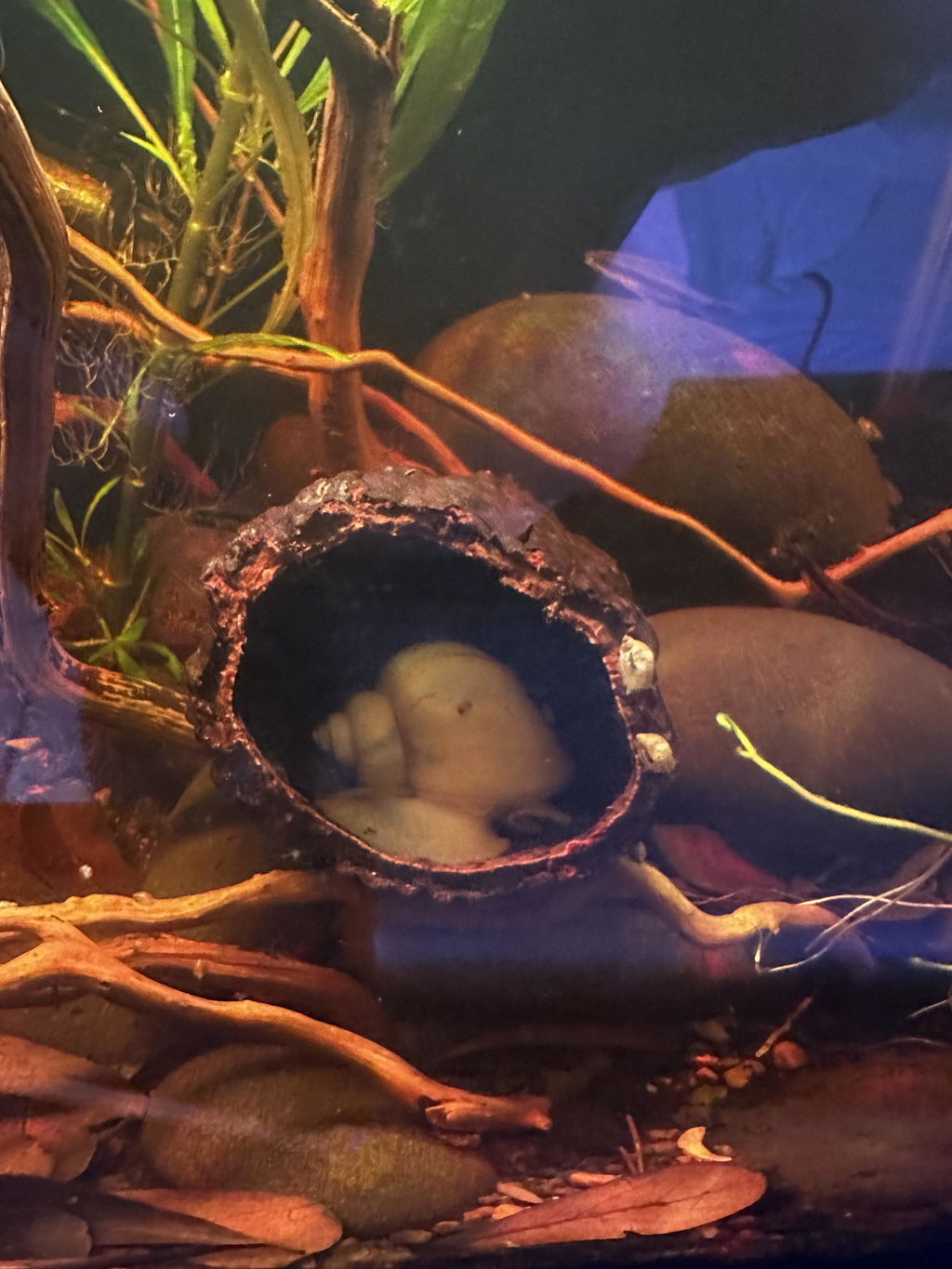
I love this little (big) pod so much! It’s very cute and sits great in my tank.
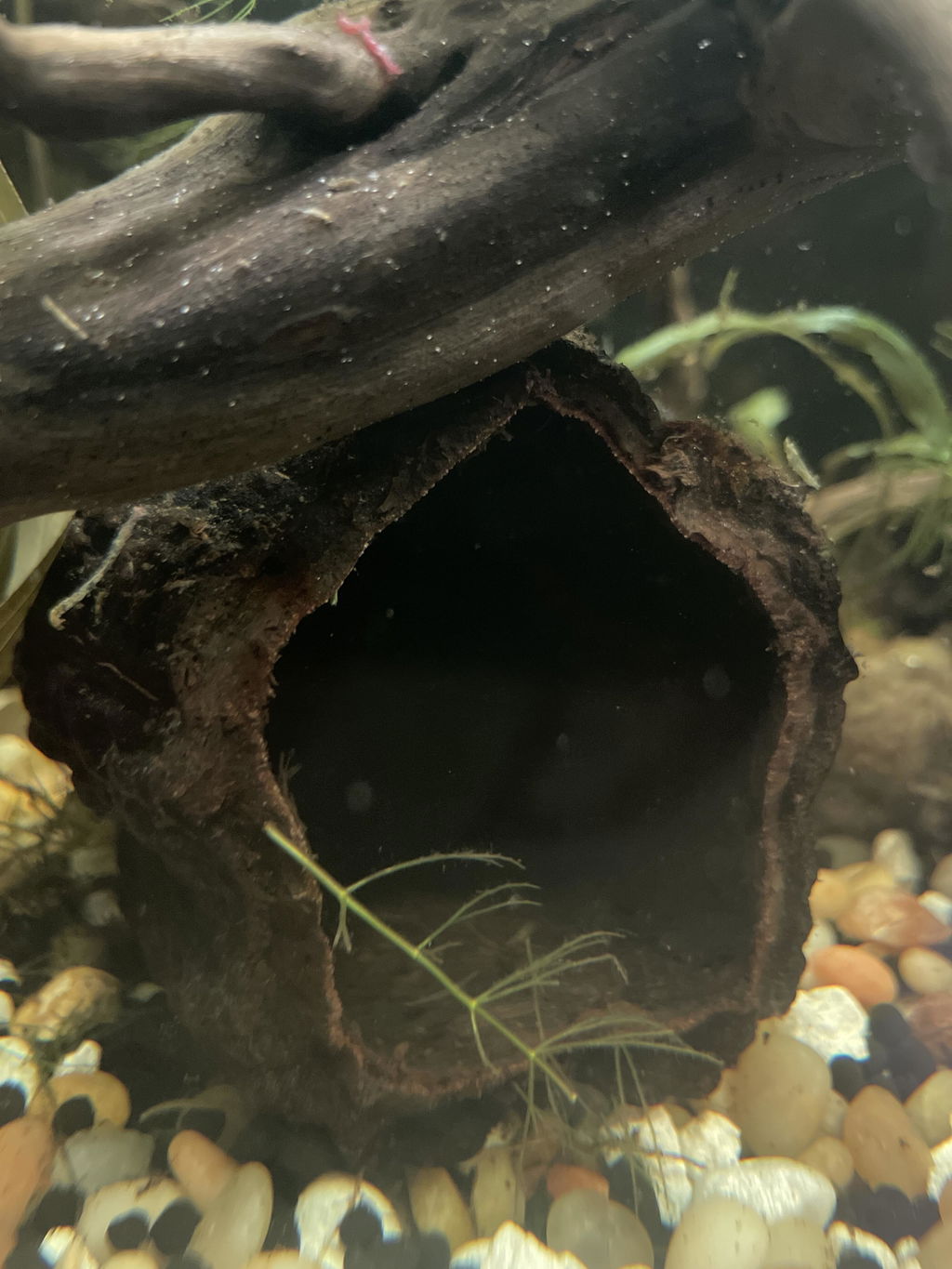
Hey Morgan! A great cave for bettas and I just had my Ivanacara bimaculata spawn inside a cocoa pod last week - pro tip; when the coco pod begins to show signs of its age and lose structural support, it can be broken up into fragments to enrich your substrate :)
The most functional botanical, my newts hang out inside and on top of theirs all the time!
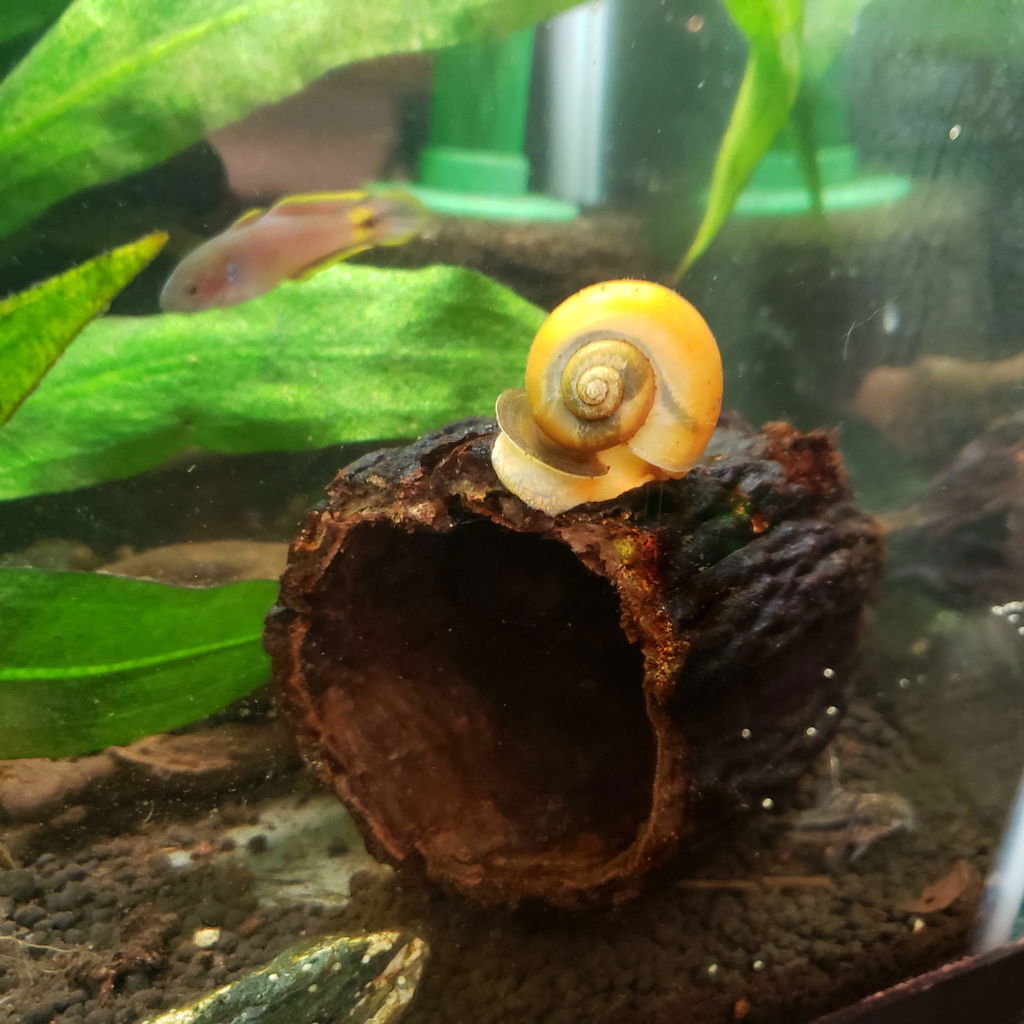
I bought these cocopods for my peacock gudgeons, in hopes of having a natrual cave/tunnel structure for them to breed. It looks fantastic and natural in my tank and is the perfect size. Shipping was very prompt and the compostible packaging is really nice since we all love nature!
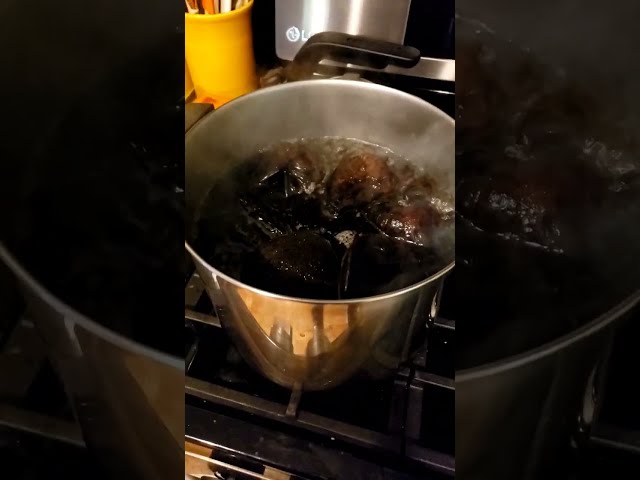
Thank you for the great pods.
Really love these in my betta aquarium! Perfect size too! Thank you!
beautiful
Great condition and good size varieties.
Perfect size and quality!
Just as described
My betta will love this
They work great for a natural apistogramma cave. Especially when you have a bigger male apistogramma.
Great little cave for my bettas! Highly recommend
I love the shape and size of the cacao pod I recieved! Very pleased with it. I'm excited to use it! I may have to purchase more in the future.
One of my favorite seed pods as well. Even after it gets saturated, I find that it holds together underwater quite well! -Ben
As advertised. Really nice stuff from this seller. Highly recommend!
Thank you for the 5-star review of our Cacao pod! Hopefully your critters like using it as a cave. -Ben
This was honestly so perfect and went great in my tank. I will say scrub the inside out with a little brush or something after you boil it to get some of the junk out.
Jumbo is right 😍 I can't wait to get these in my aquarium. All 4 are amazing pieces
purchased these on a whim because i thought they might look cool in tank. I was right . they also double as nice places for fish to hide . very happy with this product and betta botanicals, really like that they come in multi packs and different sizes.
Awesome pods.high quality.would Def purchase again.
Two of the four were perfect size betta caves. Alpha the Betta loves them.
A great decor piece or hiding spot for little guys. Surprisingly good size. Will be ordering again!