








Betta Tea™ | Natural Blackwater Tannin Replenishment
HOME COMPOSTABLE PACKAGING
BOTANICALS FROM YOUR FISH'S NATIVE HABITAT
REPLENISHES BENEFICIAL TANNINS + HUMIC SUBSTANCES
Betta Tea™ for Aquariums on the Surface
Betta Tea™ is a curated blend of crushed leaves, bark, and seed pods sourced from the native habitats of tannin-loving fishes. Sealed in fully compostable packaging, it delivers a concentrated release of humic substances and tannins into the water column without introducing additional botanical mass to your ecosystem.

It is formulated for aquarists who want to replenish the tint in their blackwater, biotope, or botanical method aquarium without adding more leaf litter or seed pods to the substrate. It is also intended for aquarists who do not like the look of leaves but understand the benefits of tannins for their fishes. Both blends share the same core botanical benefits, with the Maroon blend simply incorporating a bark with a higher antioxidant profile, making the primary difference between the two a matter of color preference.

Directions: Use one tea bag per 5-10 gallons of aquarium water. Each bag can be used in two ways. For a cold brew, place the bag directly into the aquarium or filter compartment and remove after 48 hours. For a hot brew, steep the bag in a mug of boiling water, allow it to cool completely, then add the brewed tea to the aquarium until the desired tint is reached. Hot-brewed tea can be refrigerated for up to two weeks. After use, the spent tea bag contents can be worked directly into the substrate as a detrital input, or composted.
Essential Details
- Tannin Level: High
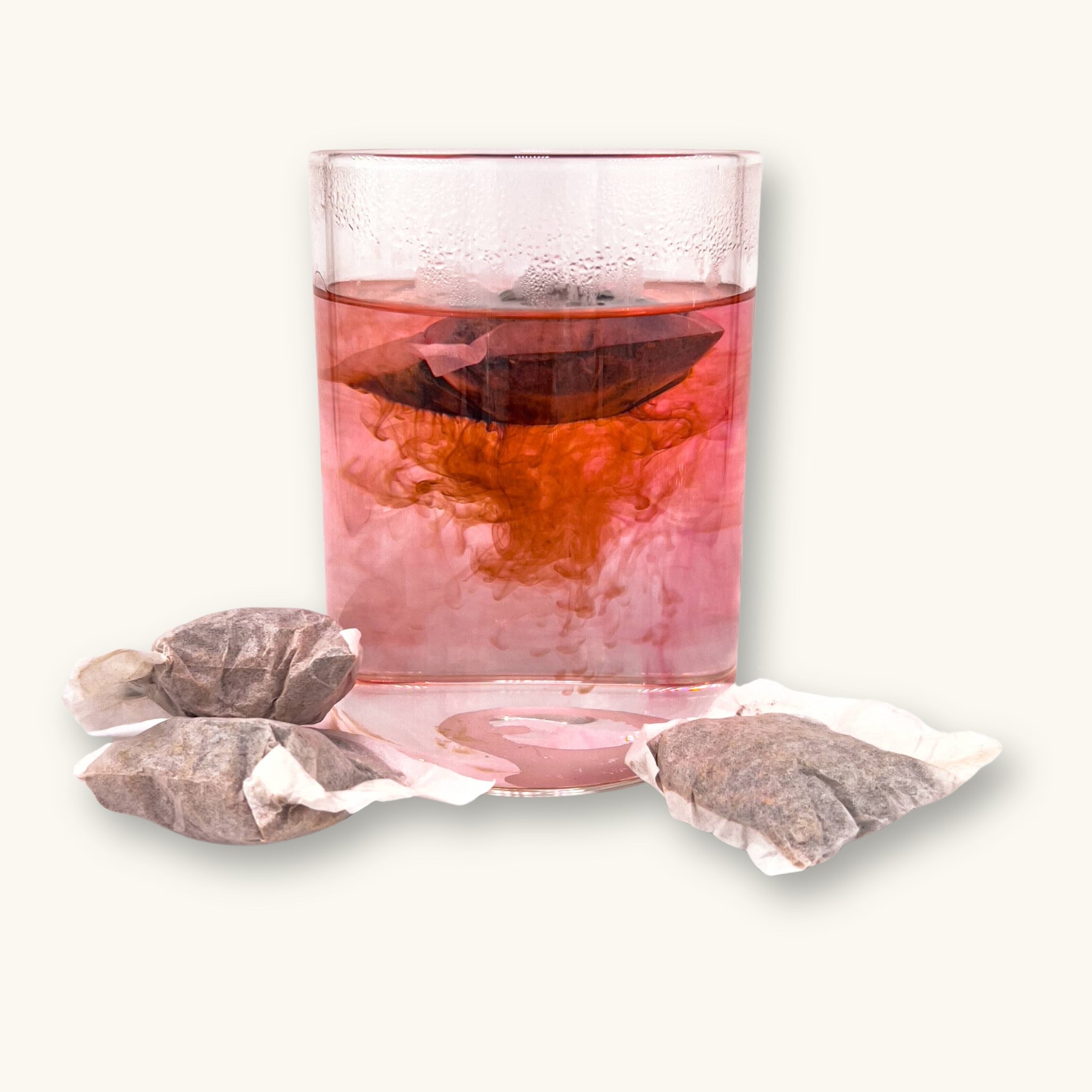
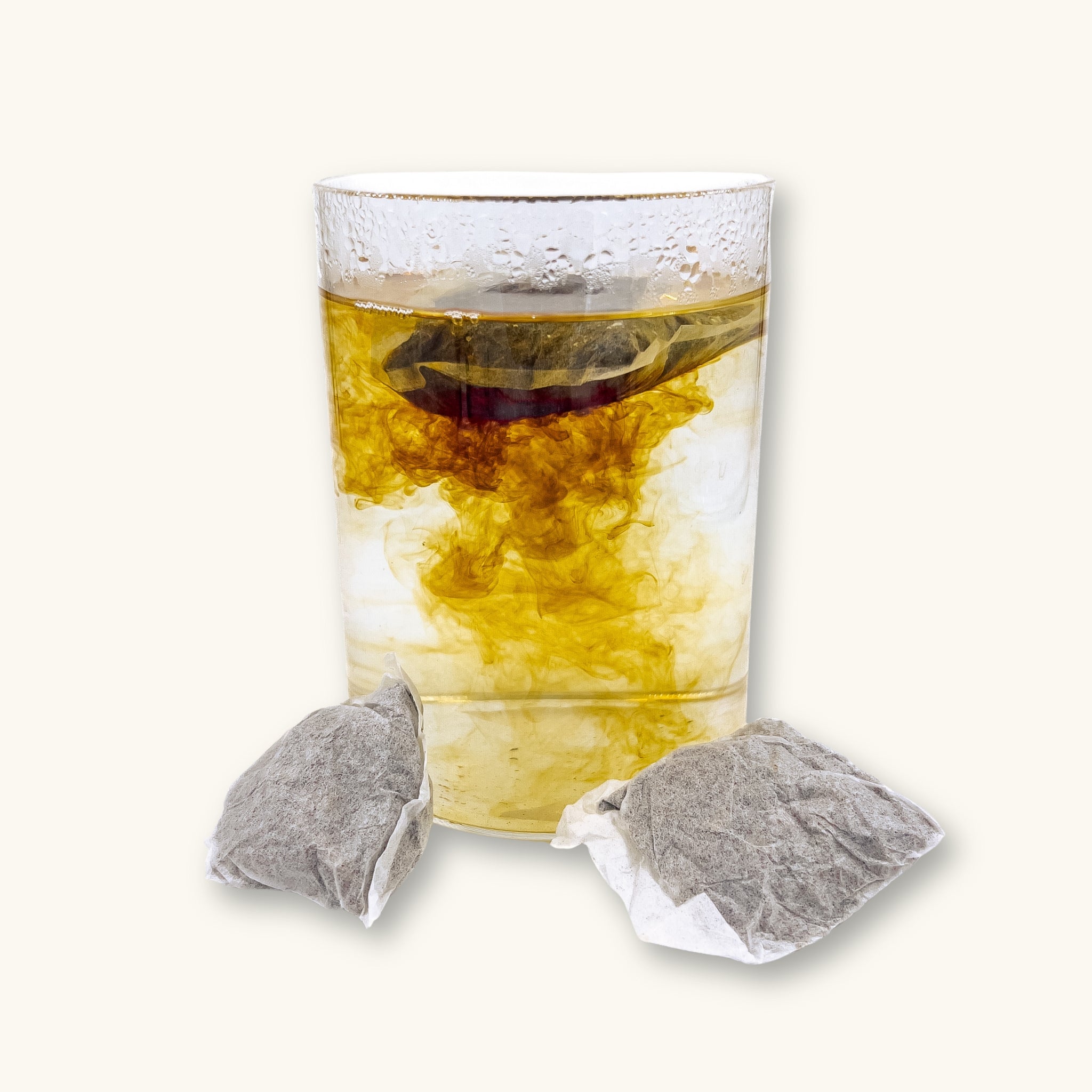
- Tint Color: Brown blend produces a warm amber to golden brown; Maroon blend produces a deep red-brown
- Durability: Single use; active tannin release over 48 hours
- Habitat Location: Botanicals sourced from our fishes' native habitats
- Optimal For: Bettas, tetras, rasboras, discus, dwarf cichlids, shrimp, guppies, amphibians, and all tannin-adapted species
- Use with Caution: Carbon filters, Purigen, and aquasoils will significantly reduce tannin retention and color
- Size Range: Standardized tea bag containing the equivalent of 2–3 whole leaves
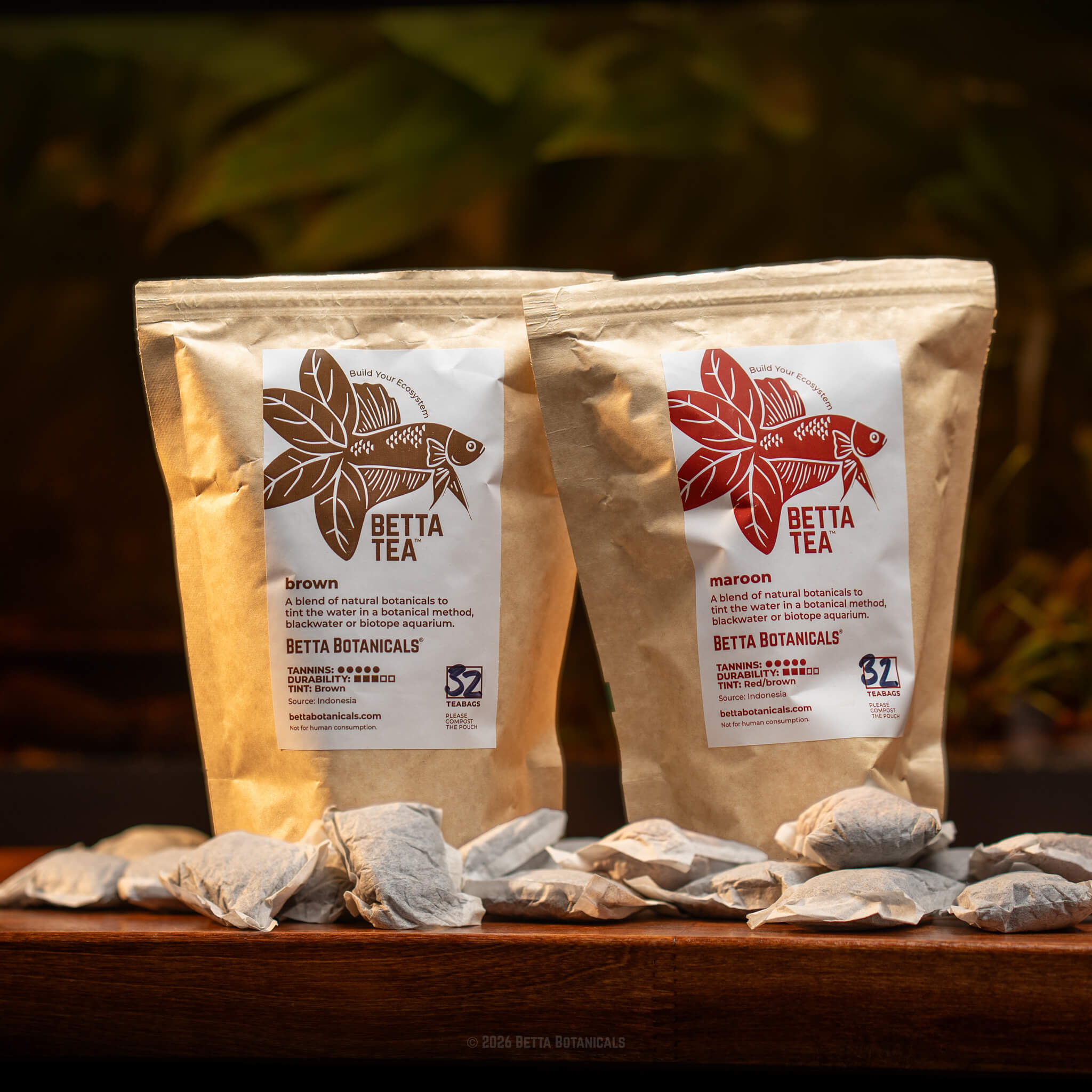
- Quantities: 32 tea bags per package
Betta Tea™ for Botanical Method, Blackwater & Biotope Aquariums
Betta Tea™ was curated in 2021 to solve a specific problem in maturing botanical method aquariums: the point at which the water tint has faded, and adding more botanical elements is no longer practical. Each tea bag releases a concentrated blend of tannins and humic substances, replicating the passive leaching that occurs as leaves and bark naturally decompose on the forest floors surrounding blackwater environments around the globe.
Tannins and humic acids can shift water chemistry toward the acidic nutrient-poor conditions that popular aquarium fish have adapted to, but only when that source water is devoid of buffers. In aquariums with soft water, a slight reduction in the pH is expected, especially when used with reverse osmosis water. The blend of botanicals was intentionally selected to have a minimal effect on pH when used with tap water, making it accessible across a wide range of aquariums.
Betta Tea™ is equally suited for aquarists who prefer a tinted aquarium without the visual presence of leaf litter. Because we used crushed botanicals inside every tea bag, the tannin release is functionally equivalent to what a decomposing botanical contributes passively. The blend was selected for its diverse composition of beneficial condensed and hydrolyzed tannins, antioxidants, trace minerals, and vitamins that collectively help restore the natural water color and conditions your fish are adapted to. Tannins, especially those from catappa leaves, are widely associated with supporting the slime coat and their passive benefits during mild stress or early-stage disease recovery. However, the use of Betta Tea™ does not replace the medications needed to treat fish disease.
The tint will shift gradually as tannins naturally degrade. The Brown blend transitions from a hazy warm brown toward a clearer golden brown. The Maroon blend opens with a deep red-brown and moves toward warm brown as the tannins break down. Minor variation in tint intensity between bags is expected and reflects the natural variation present in real botanical materials.
Beneath the Leaves: From the Forests to You
The rivers and peat swamps that inspire Betta Tea™ are heavily tinted. In the blackwater tributaries of Indonesia, water moves slowly through layers of decomposing organic matter, stained by tannins leaching continuously from newly submerged leaves, bark, and seed pods. These environments are defined by what they accumulate. Canopy materials fall, soften, and release beneficial compounds into the water that help influence its chemistry, its biology, and the behavior of every organism living within.
The fish that thrive in these ecosystems have adapted to water that is heavily shaped by the seasonal flooding of the forest floor. As botanical method aquariums mature and tannin levels decrease, Betta Tea™ returns what the ecosystem is missing. Restoring the tint and humic substances. From the Forests to you.
Sustainability Note:
This product's packaging is home compostable. Just like the botanicals inside, it will break down naturally and return to the soil—because what supports your ecosystem should minimally impact our planet.
Not for human consumption. No preparation required.
This is a natural product, and slight variation in color, tannin intensity, and tint between bags is expected.
Betta Tea™ | Natural Blackwater Tannin Replenishment
Pick your perfect shade
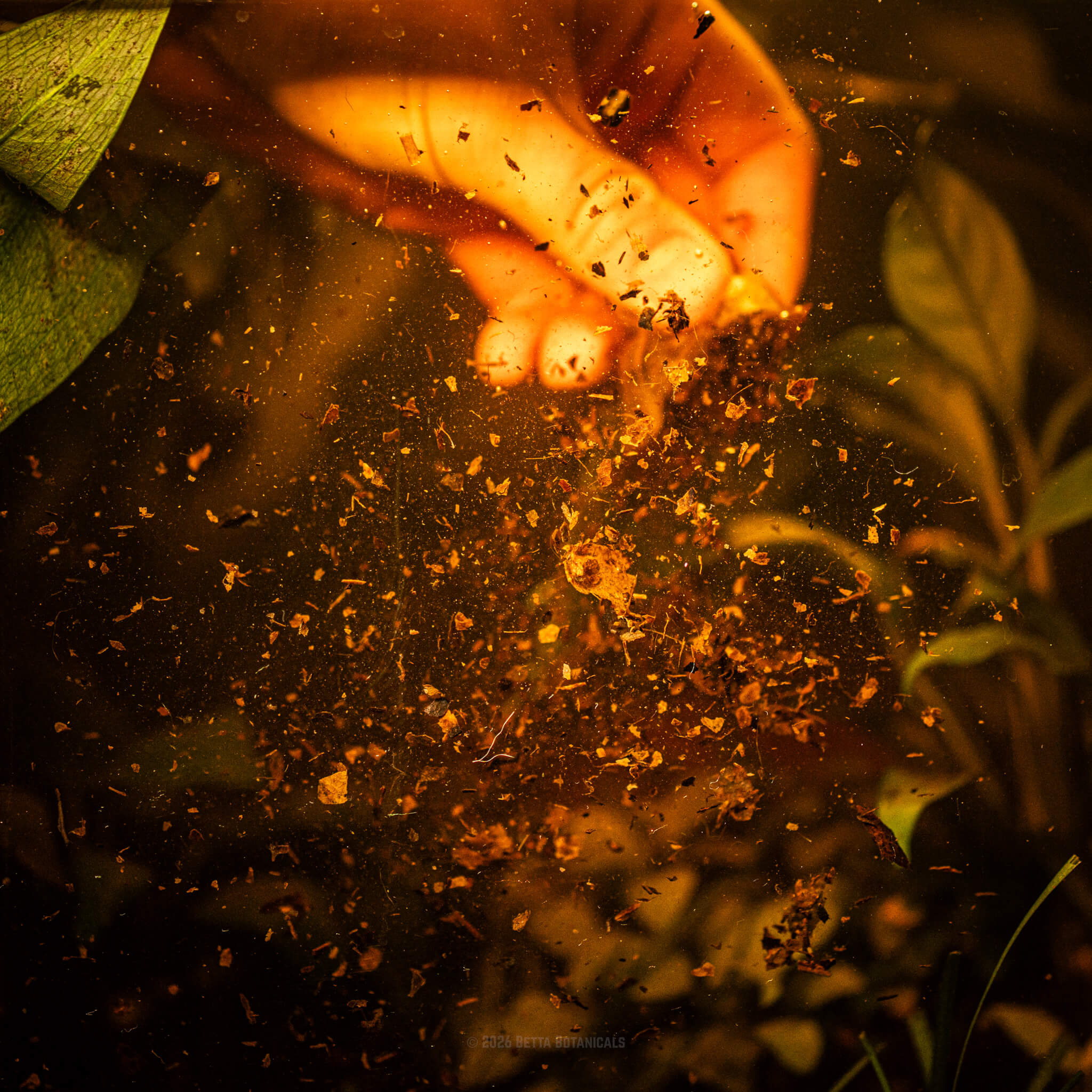
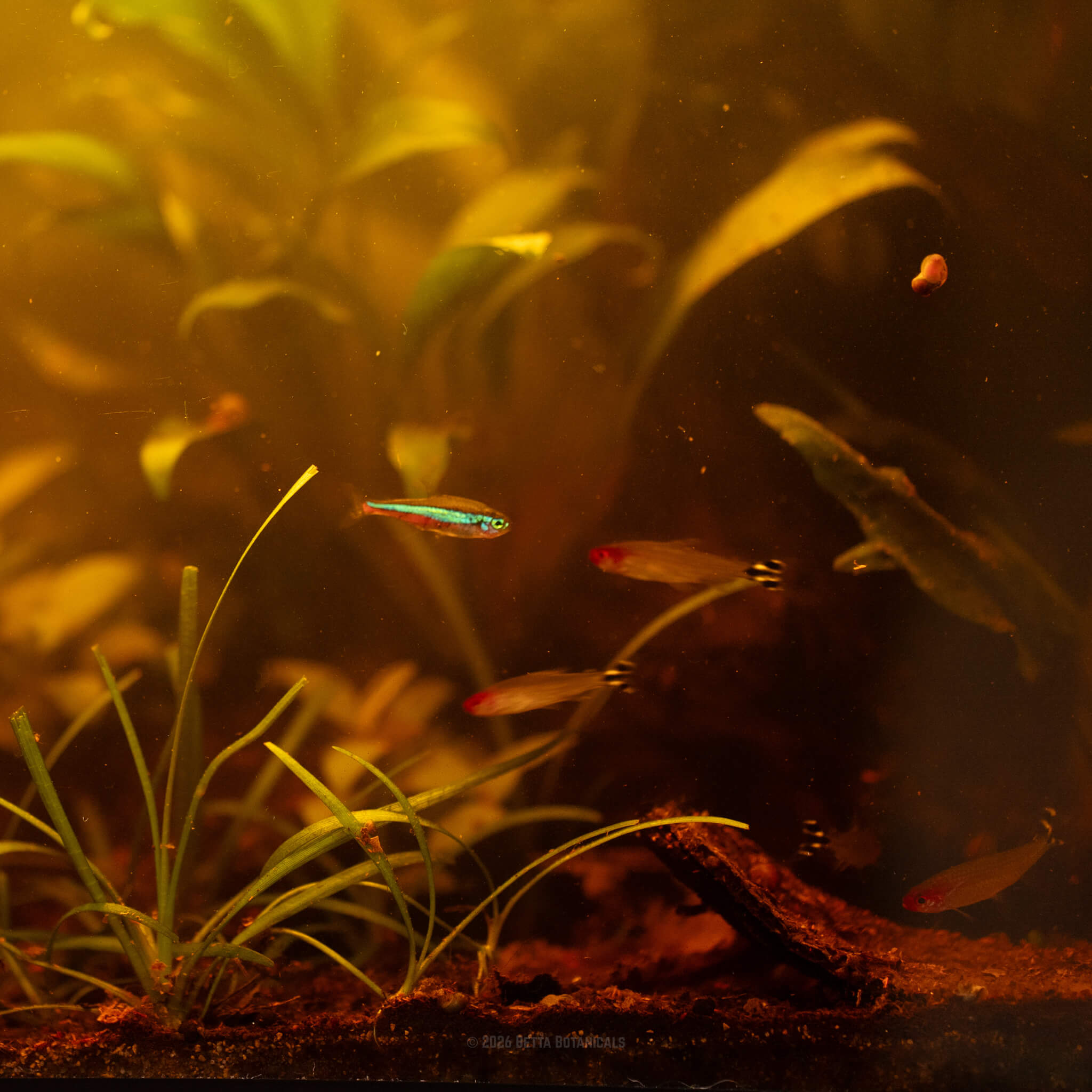
Both blends release beneficial tannins and humic substances. The difference is in color. Brown produces a warm amber to golden brown. Maroon produces a deep red-brown.
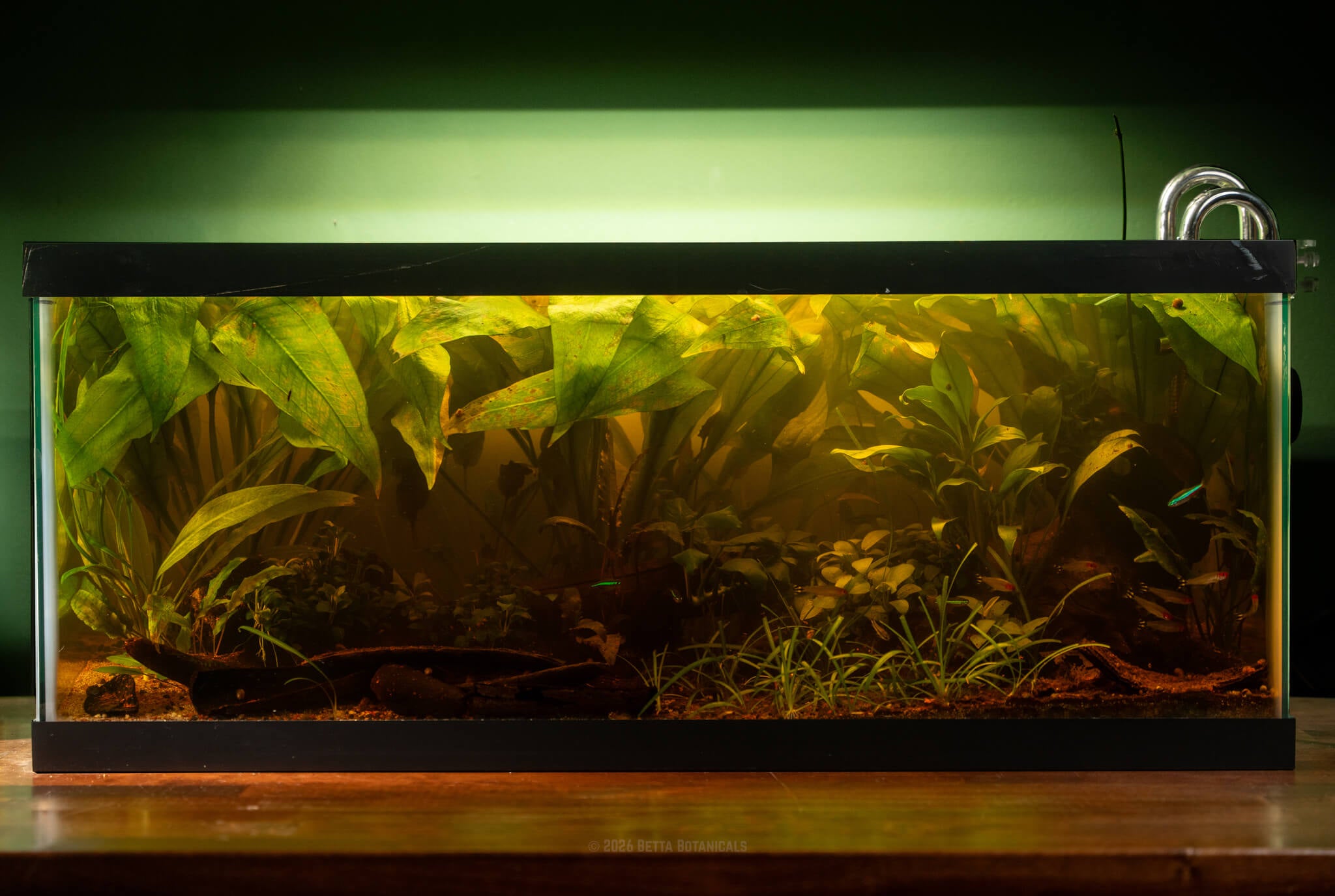
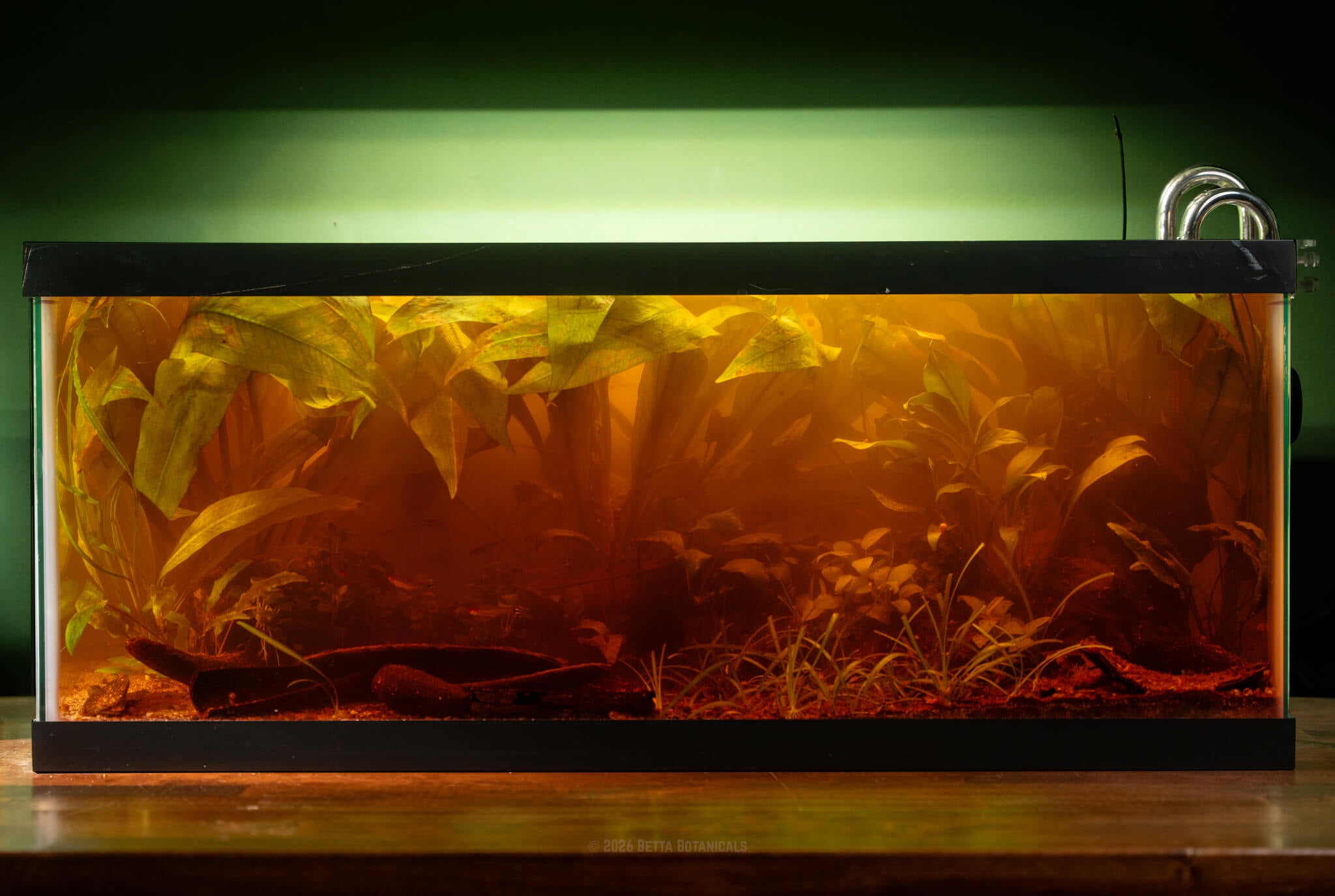
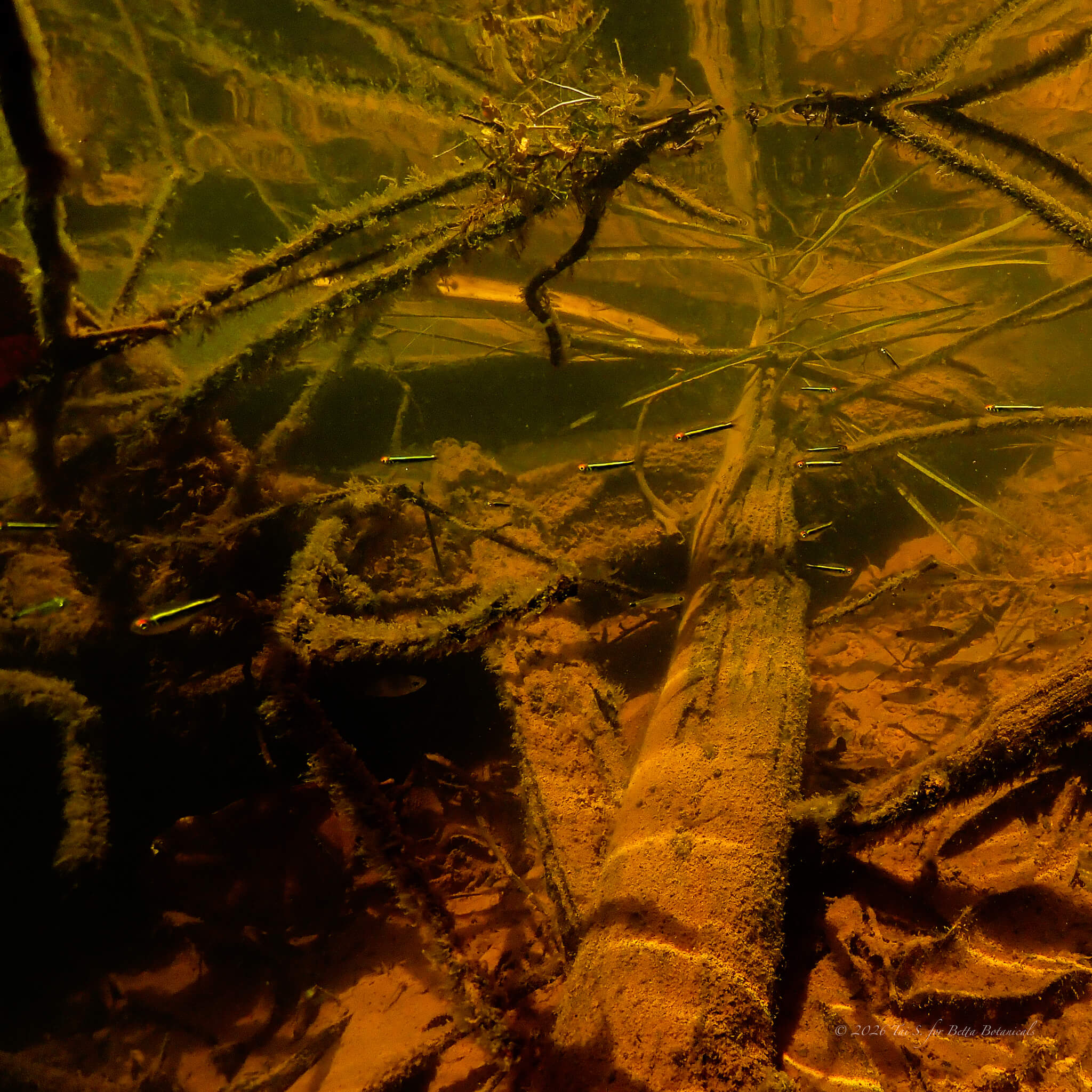

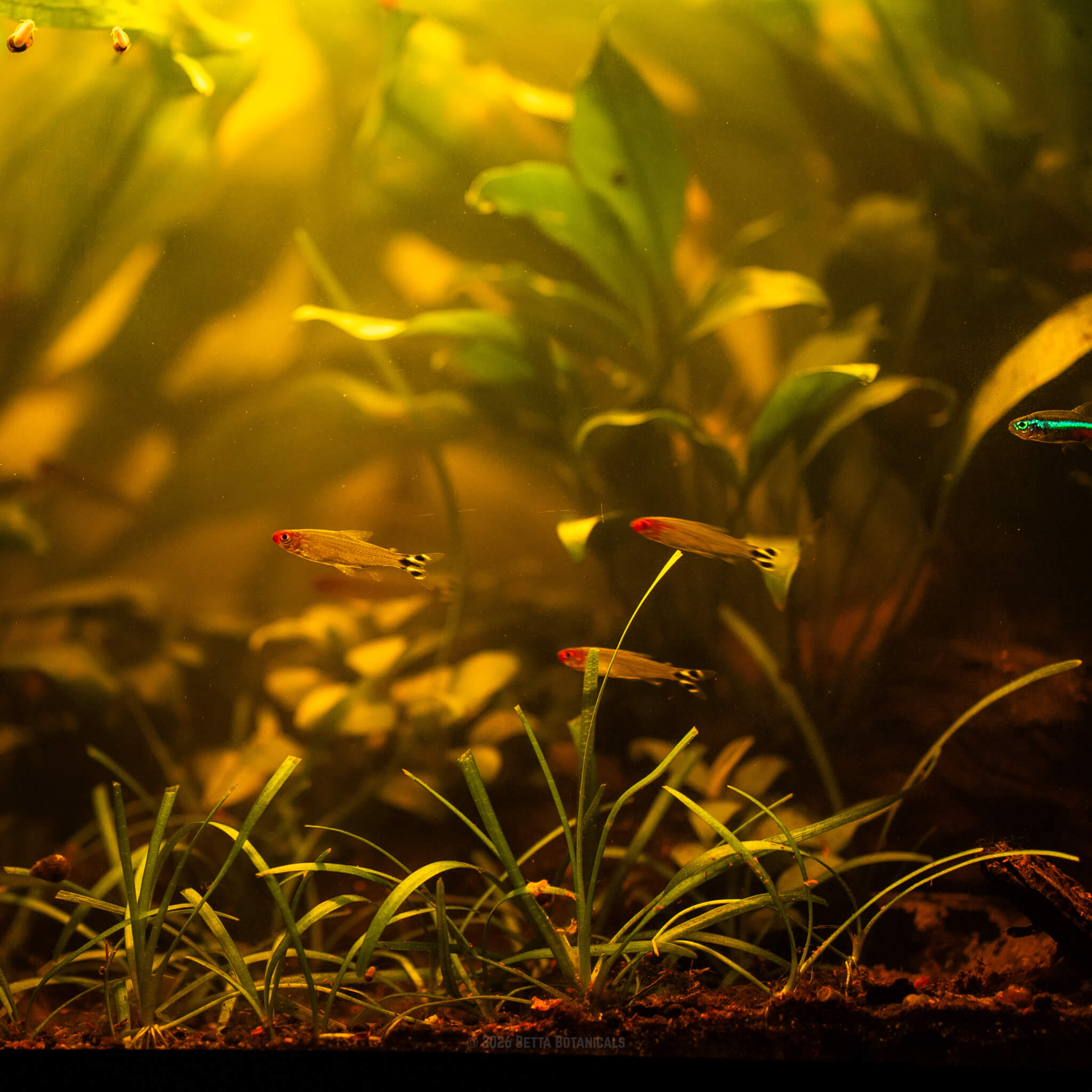
your fish's native habitat
Each botanical material blended in Betta Tea was selected because it can be found in the native ranges of tannin-loving fishes. Crushed leaves, bark, and seed pods sourced from the same flooded forest floors your fish call home.
Aquatic Botanical FAQs
What are Tannins?
Tannins are plant-derived antioxidants released by leaves, seed pods, and bark as they break down in water. They connect your aquarium to the same processes at work in wild flooded forests and streams. Tannins can help soften water, gently lower pH, and create the characteristic tea-stained tint found in blackwater habitats.
Their role extends to the biological layer as well. Tannins fuel beneficial bacteria, fungi, and biofilms, which form the foundation of a healthy ecosystem. They also offer mild antifungal benefits and help reduce stress in fish by replicating the natural conditions they have evolved in.
Will botanicals lower the pH of my water?
That depends entirely on your source water. In soft or RO/DI water, botanicals can gradually lower pH as tannins and humic substances accumulate. In medium to hard tap water, buffering capacity often resists these shifts, and pH change may be minimal. In hard water above 350 ppm, most botanicals produce little to no measurable pH shift unless high-tannin materials like Alder Cones or Macaranga Leaves are used in quantity.
How long does one tea bag last?
The tint from one tea bag will gradually diminish over one to two weeks. This process accelerates if your aquarium contains live plants, aquasoil, or chemical filter media such as carbon, Purigen, or filter floss. Tannins are naturally broken down by bacteria and fungi over time.
Can I reuse a tea bag?
If you follow the cold brew method and remove the tea bag after 10 to 20 minutes, you can dry it completely and reuse it later. This is especially useful for smaller aquariums, as each tea bag is designed to tint 5 to 10 gallons of aquarium water.
Can I use Betta Tea with tap water?
Betta Tea can be brewed using tap, distilled, or RO/DI water. If your tap water contains chlorine or chloramine, treat it with a water conditioner before adding the brewed tea to your aquarium.
Are your products just for bettas?
Nope. Our botanicals are safe for almost all aquariums, terrariums, vivariums, and paludariums. The only exceptions are goldfish and axolotls, which may ingest small pods like alder cones or casuarina cones. For those species, we recommend larger leaves such as Indian Almond, Loquat, or Jackfruit.
Compostable Packaging Promise
Our packaging is designed to return safely to the Earth, just like the botanicals inside. Every bag is BPA- and Phthalate-free, GMO-free, and contains no animal products. Each meets ASTM D6400 composting standards, ensuring it can fully break down in a home compost bin.
- This beats everything on the market. The best color, fast, you can see it working.
- This stuff is incredible! My chili rasboras are thriving! Their reds are even brighter.
- My bettas love it, they are more relaxed and have grown so healthy since adding them!
10/10 my betta fish loves it!!! He loves to dance right underneath it :) would 100% buy again
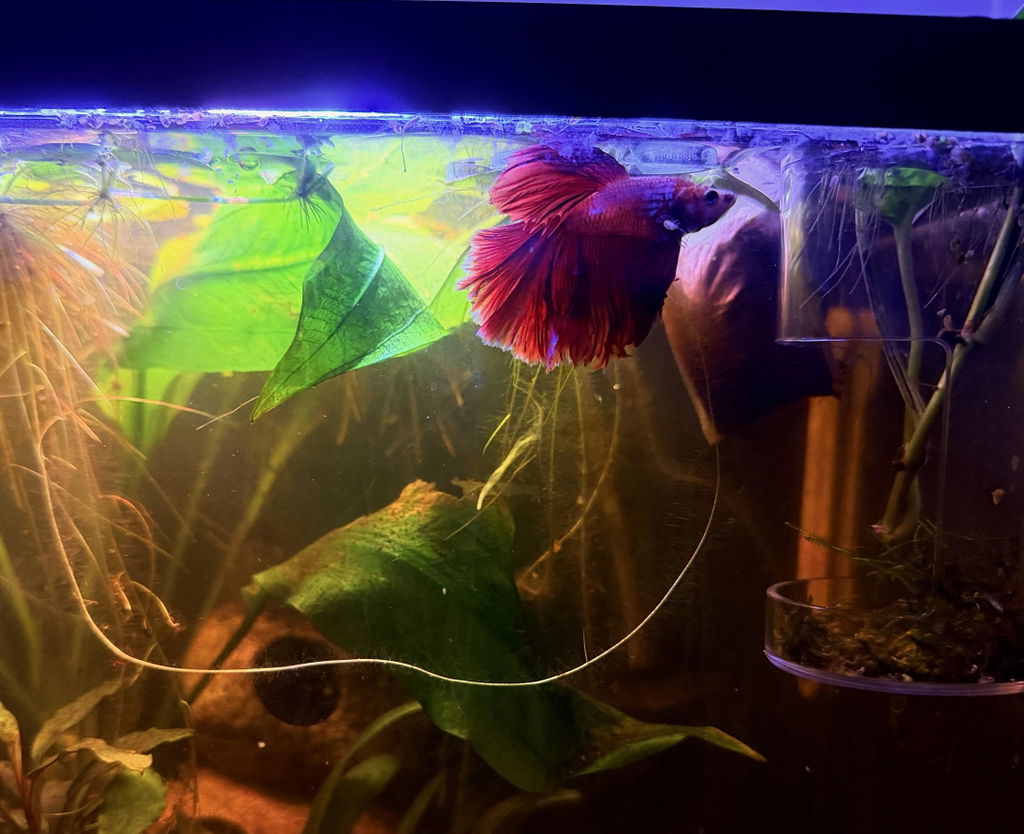
Looks nice and my betta and shrimp seem happy with it.

The color of the tannins was so rich and beautiful. My betta fish was so happy to have his water nice and pigmented again!
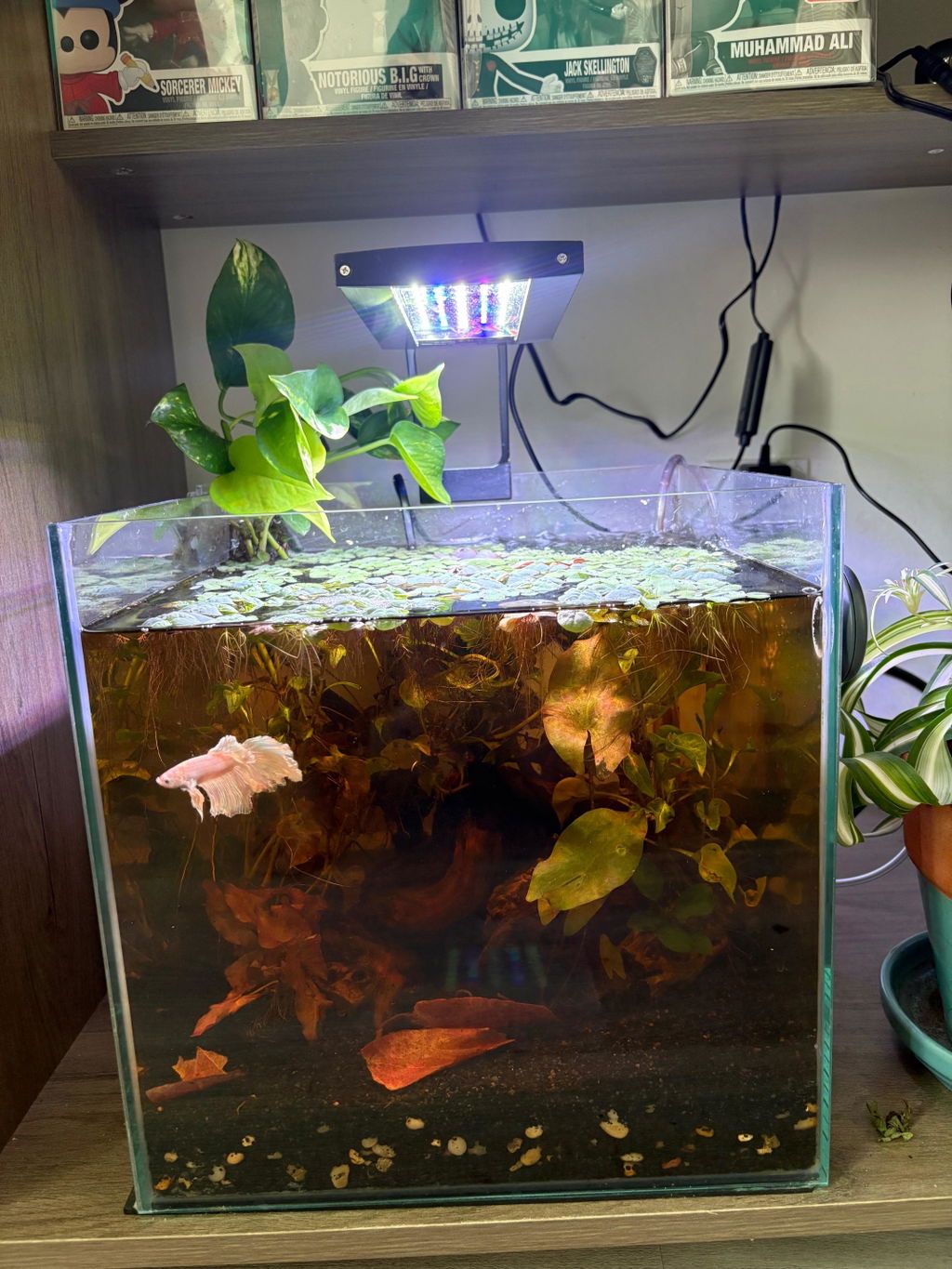
Bought the maroon tint tannins and my bettas love it, they are more relaxed and have grown so healthy since adding them! Honestly such a great product. 5 stars across the board, totally recommend these to any betta owner.
Amazing, beautiful, stunning, my number favorite product ever!! Incredible color and it lasts soo long!!!
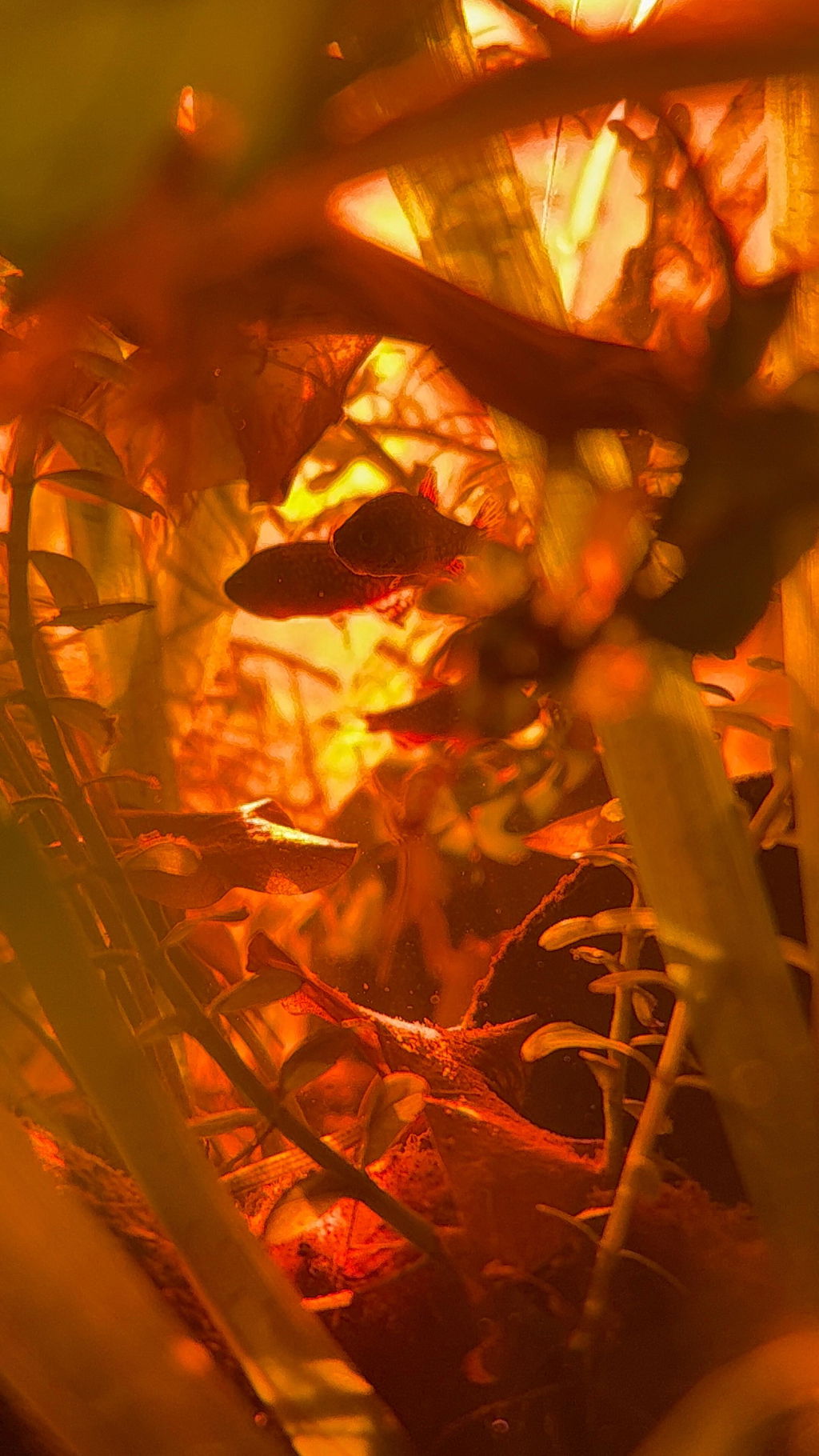
I swear there’s a betta in this tank somewhere lol.
This was after under 24 hours of one in a 10 gallon.

Best product ever!!
I used to use just almond leaves, this is such a game changer. I ordered the maroon.
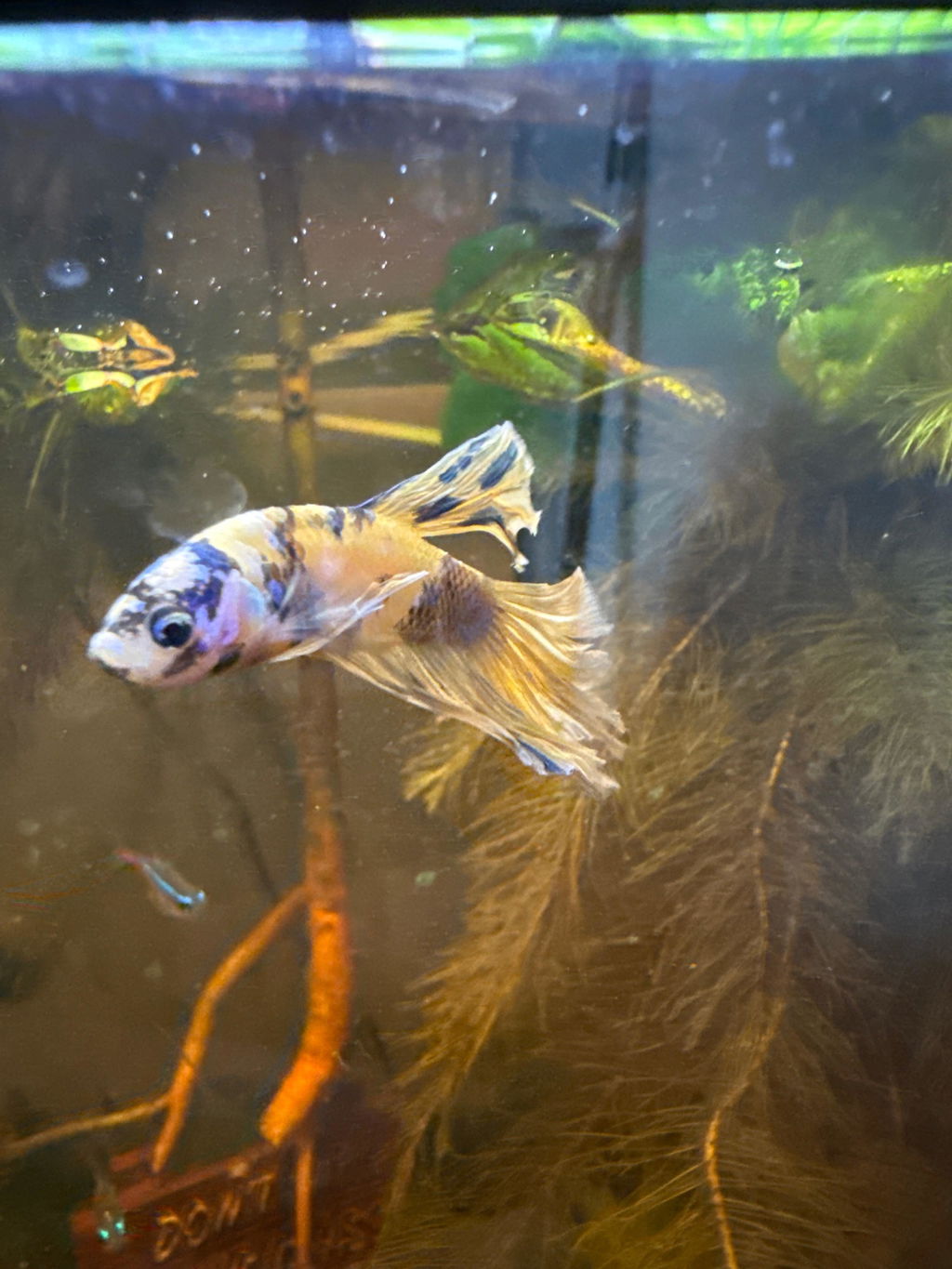
I just got my first order of Betta Tea bags. Purchasing both the brown and maroon bags will let me experiment with using both color tea bags at once and see what beautiful color I will obtain.
Having a 10 gallon tank there is about 9 gallons of actual water. Only needed 24 hours for one maroon colored bag to make the tank turn a very dark maroon. The instructions said to keep in 48 hours. That wasn’t necessary. The bag was dropped into the water as a dry bag. It was placed in the water baffle that was in front of the water pump.
Used to make the botanicals using the long process with a dry Indian almond leaf and boiling water. Just dropping the teabag in the water gives me ALL the natural botanicals.
I have a beautiful Hellboy Placket 1/2 moon Betta and 3 cory catfish. They are loving the botanicals. All very active and hungry.. The male betta is busy making lots of bubble nests. Proof he is happy.
Thank you Ben for making these teabags available. Also for the helpful emails.
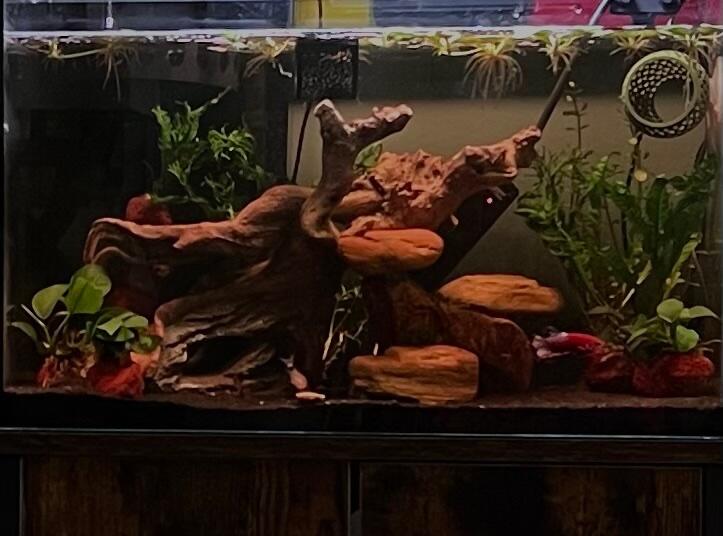
If there’s any small business I recommend buying from, it is this one. I received the best customer service from Ben who helped resolve an issue quickly and easily. These products are the first of many I’ve tried that actually give me the dark water I’ve been wanting and knowing they are quality products makes it even better. I will definitely be buying more in the future!

Absolutely incredible product. Extremely potent and leaves the water looking gorgeous. Get it while it’s in stock! 😍
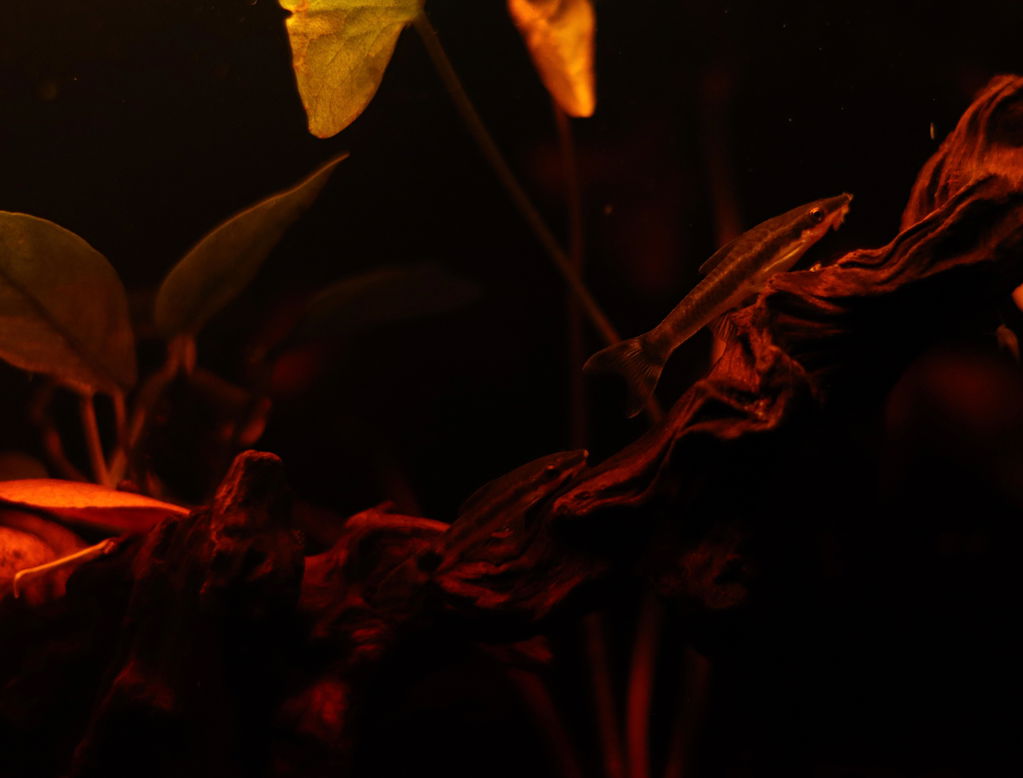
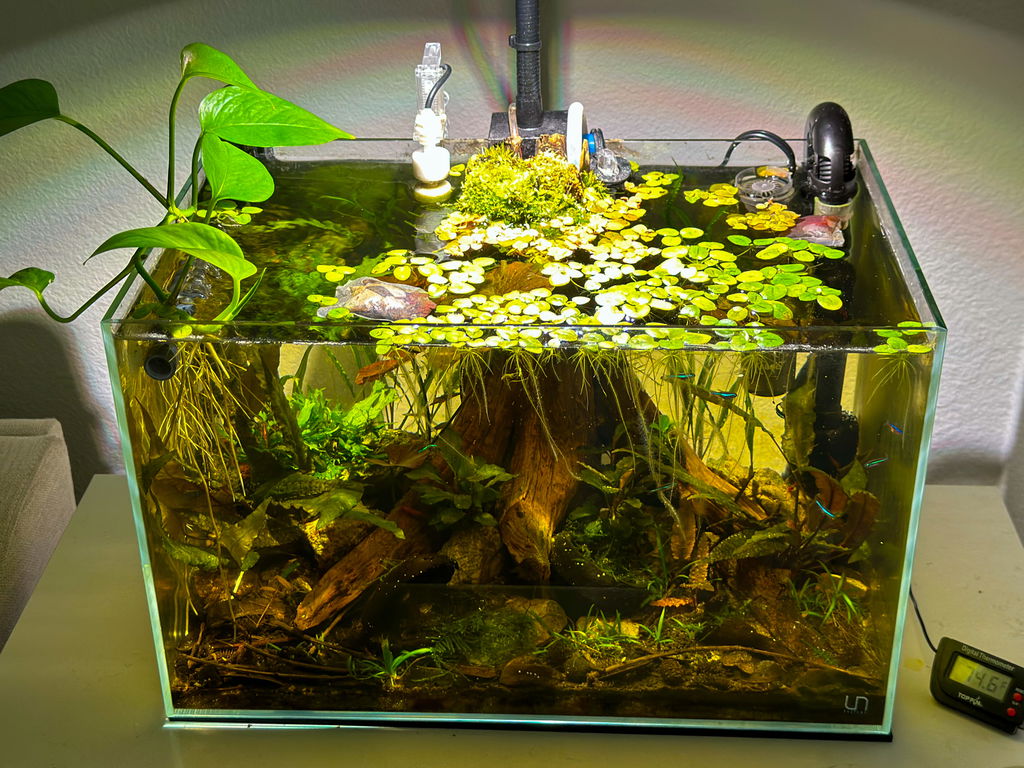
Thank you for leafing a review of Betta Tea and for adding a photo Great looking Botanical Method Aquarium, and I'm sure the fish appreciate the re-tint. Let minnow if you need help building your next ecosystem! -Ben
I love the tea bags they work great! I added one in each of my aquariums after water change and maintenance and they immediately started working. For my 10gl it looks nice and a bit clear but for my 5gl it made it considerably darker but I don't mind it at all. I love the look and love that my bettas have good water and a nice environment!


Very happy with this, and so is my betta. I wanted tannins but did not want to have to go through the process of boiling / letting stuff decay. This gives Fast results.

As always, I absolutely love these little tint tea bags. So happy I found them since the beginning. Theyve neve ronce disappointed me. They for sure help make everyone feel at home. Like my bettas, plecos and assortment of loaches. I enjoy adding them to my weekly water changes, aid in illness, and even active breeding with my hillstream loaches!
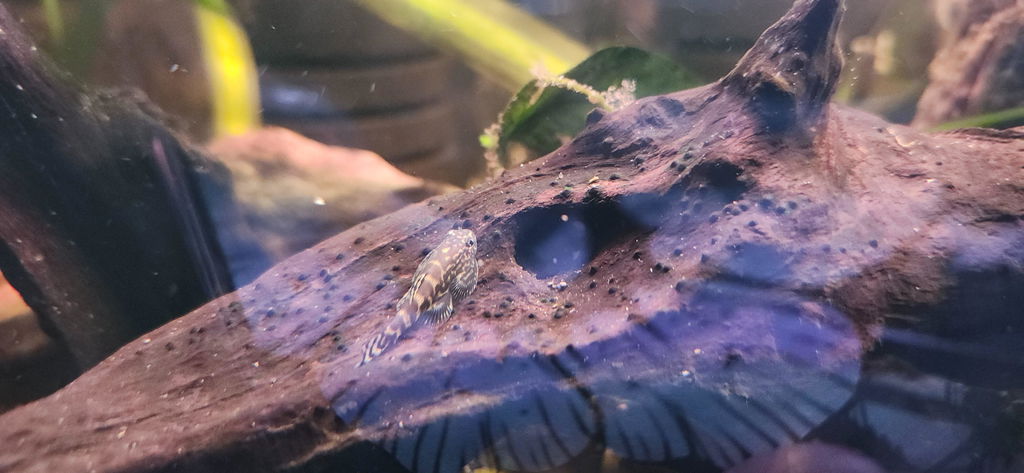
Theses botanical bags I purchased were my first attempt to try to recreate Blackwater for my betta tanks and they were so easy to use. And they got the job done!
These little bags are great and add a lot of tannins to the water I can see my betta fish loves it and I love the maroon color it gives my tank
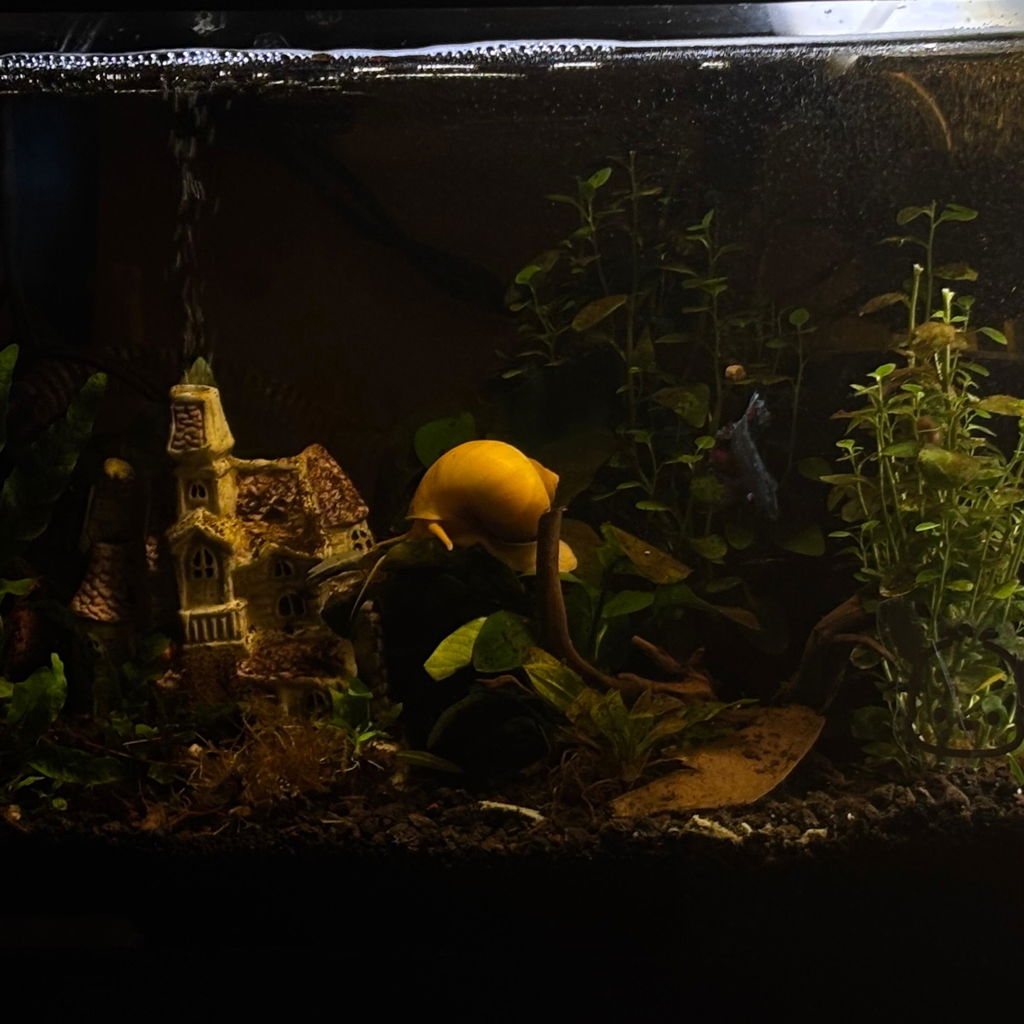
Thank you for this 5-star review! -Ben
Me and my betta tang love betta botanicals I mention it to everyone I can. I like the maroon tea a lot, shipping was fast, comparing the quality to other botanicals the price is amazing and I will be making more purchase in the future!
Thank you so much for posting this video review! -Ben
The teabags were packed well (love the lack of plastic!), and the instructions on the site are so simple. I haven’t even had them in for 20 minutes and the results are already coming through! So excited to see what’s to come in the next 3 days I keep them in the tank. 100% recommend!
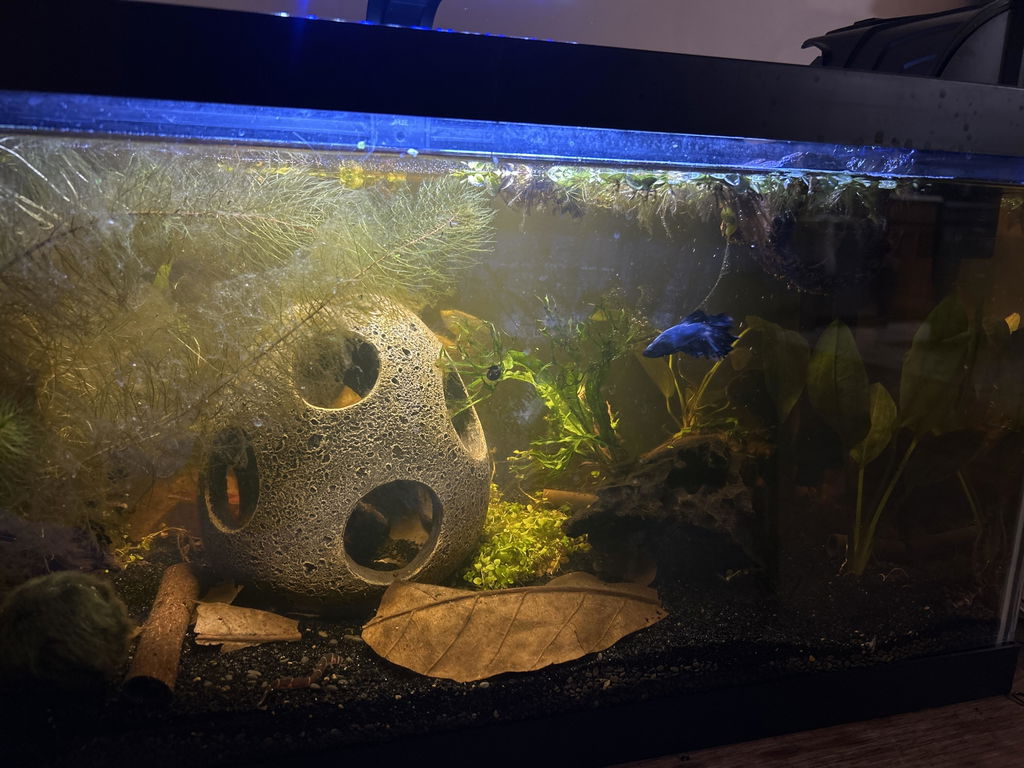
Thank you for this kind review! When the tea bags stop releasing tannins you can remove them, or if you like the mulm substrate look of a botanical method aquarium you can break open the tea bag and let the botanicals sink to the bottom to enrich the substrate. -Ben
I’m so happy I came across this product on my tiktok fyp. I have a new tank that I’ve been playing Goldilocks with different extracts & leaves & couldn’t find anything I loved. One bag of this steeped & cooled took care of my whole 15 gallon tank (with extra to spare) & it’s a gorgeous brown for the last few days. I love that a full bag will last for awhile.
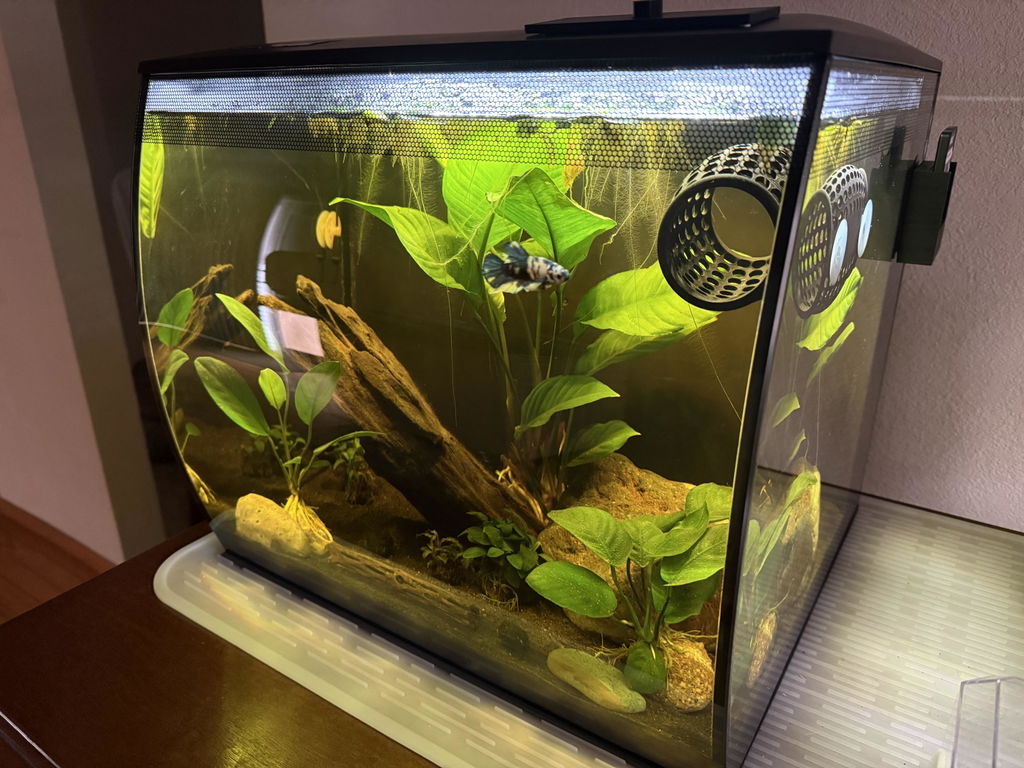
Love that there was no preparation for the tea! Made it so much quicker and worked in minutes.
Adding tannins to my betta tank has never been easier! Blackwater botanical tea bags make it fast and fun to provide my boy with wonderful benefits.
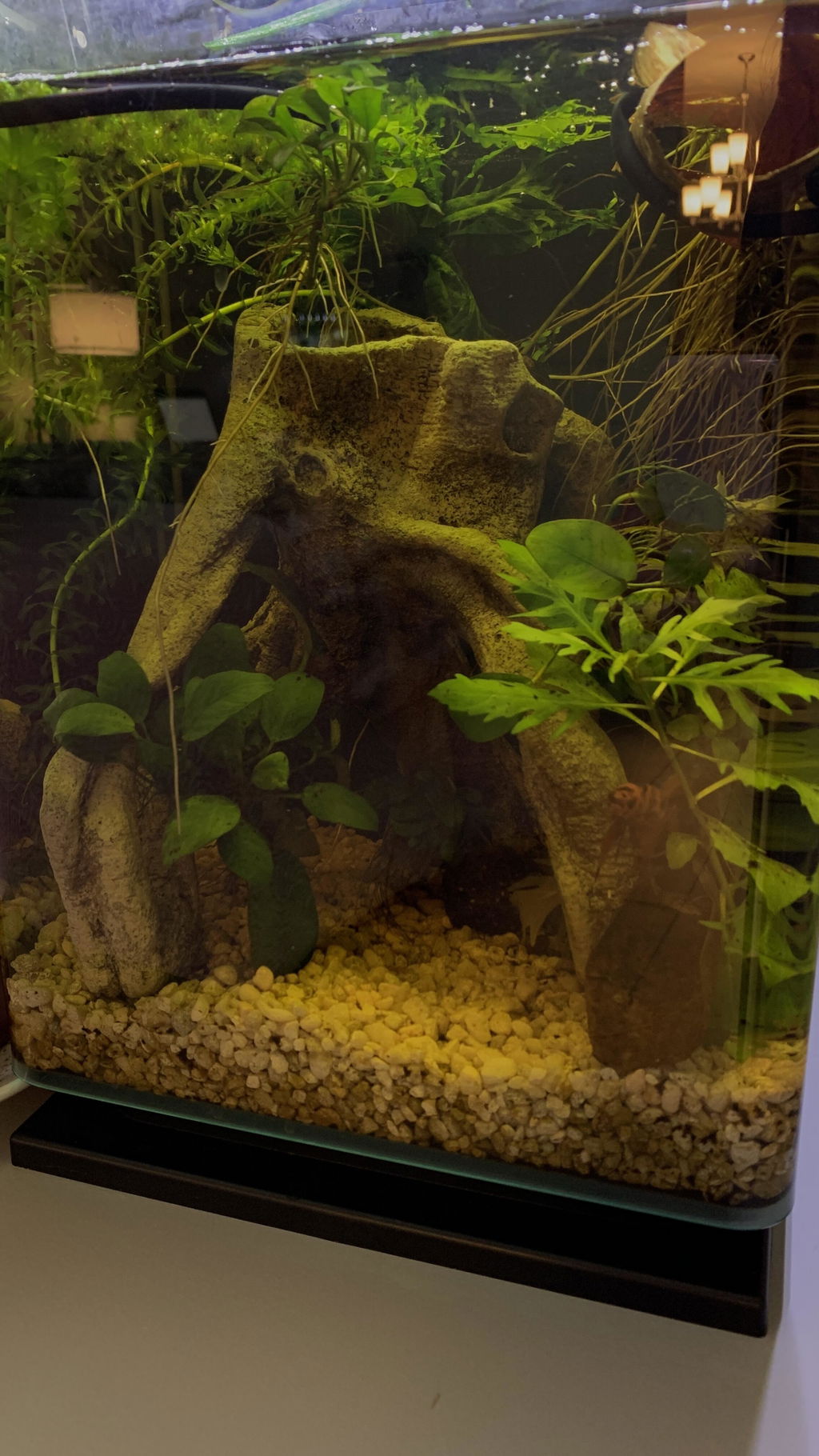
I wanted to tint the water and found this. Gives me the brown I was looking for. I can split a bag for a quick brew then do a long brew over night and get a good brown and red.
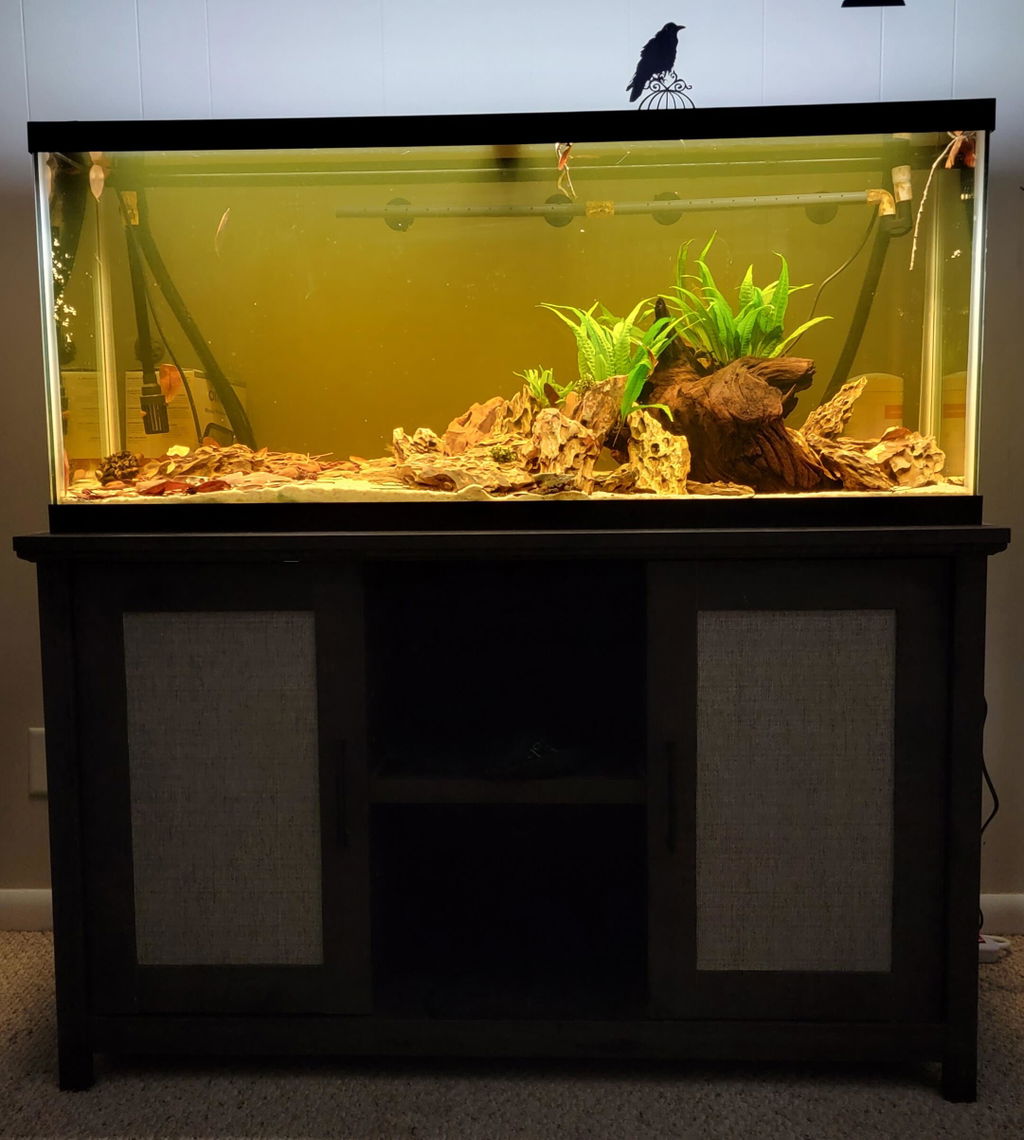
This product is revolutionary, I cannot recommend it enough. The color is just beautiful and the fact that you can then open the bags and pour the botanicals in your tank and let them become part of your substrate is the cherry on top. 10/10