

Ourico Mayan Nut Pods | Bertholletia excelsa
Ourico Mayan Nut Pod on the Surface:
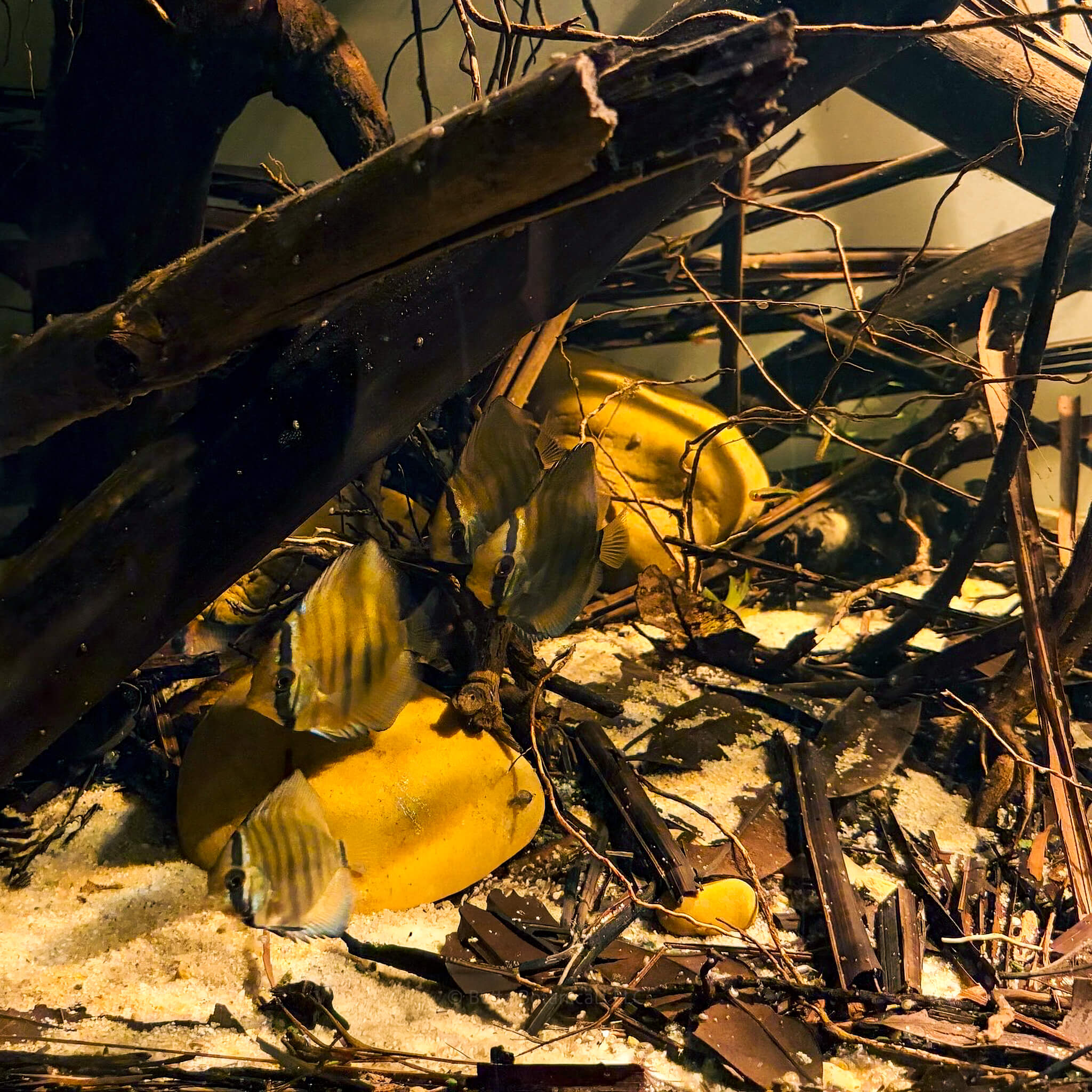
The Ourico Mayan Nut Pod, known in our hobby as both the Ourico Pod and the Mayan Nut, is the woody fruit capsule of the Brazil nut tree, sourced from the Peruvian Amazon. It is a highly durable botanical due to its thick woody pod casing, which provides refuge in the Botanical Method Aquarium and in blackwater and biotope aquariums, and serves as a natural cave or planter in the vivarium. Plecos and otocinclus rasp and consume the softened casing, gaining their nutrition from the biofilm and fungi that grow on its surface, a supplemental food source also grazed by snails and shrimp.
Essential Details
- Tannin Level: Moderate
- Tint Color: Dark yellow
- Durability: High; lasts for years
- Habitat Location: Peruvian Amazon, non-flooded lowland rainforest
- Optimal For: Plecos, otocinclus, Apistogramma, tetras, snails, shrimp, dart frogs, isopods, springtails
- Use with Caution: No known concerns for standard aquarium inhabitants
- Size Range: 4 to 10 inches across and 4 to 6 inches tall, with a 1/4 to 1/2 inch wall
- Quantities: 1 pod
Ourico Mayan Nut Pod for Aquariums & Vivariums
The Ourico Pod is one of our largest South American seed pods. The highly fibrous outer casing is an ideal surface for beneficial bacteria and fungi to colonize, providing our snails, rasping fish, tetras, and shrimp grazing and foraging surfaces. As the pod matures in the aquarium, periphyton can develop across the pod's surfaces and provide a lasting supplemental food source. Together, they provide what we call supplemental nutrition, a food source available to our critters alongside our normal feeding routines.
As it soaks, the pod releases tannins into the water column, adding a dark yellow tint. In soft water with low KH, these tannins can contribute to a gradual pH reduction. In harder water, carbonate buffering prevents this drop in pH. The pod still releases tannins, humic substances still form as it matures, and it continues to provide habitat structure and supplemental nutrition. We recommend adding the Ourico pod alongside leaf litter as a recurring input, layering fresh leaves next to the pod and replenishing them as they break down into the perpetual substrate.
The thick, woody casing breaks down far more slowly than leaf litter, with one pod providing structure through many replenishments of leaves. Each pod is cut open, forming a natural cave that provides refuge for shrimp and Peruvian fishes such as bleeding heart tetras and the cockatoo dwarf cichlid (Apistogramma cacatuoides), a cave spawner. Place a single pod on top of the litter bed and build layers around it with Cows Ears Leaf Litter or Marupa Leaf Litter, also sourced from the Peruvian Amazon, so the leaf litter bed is built with a diverse range of materials.
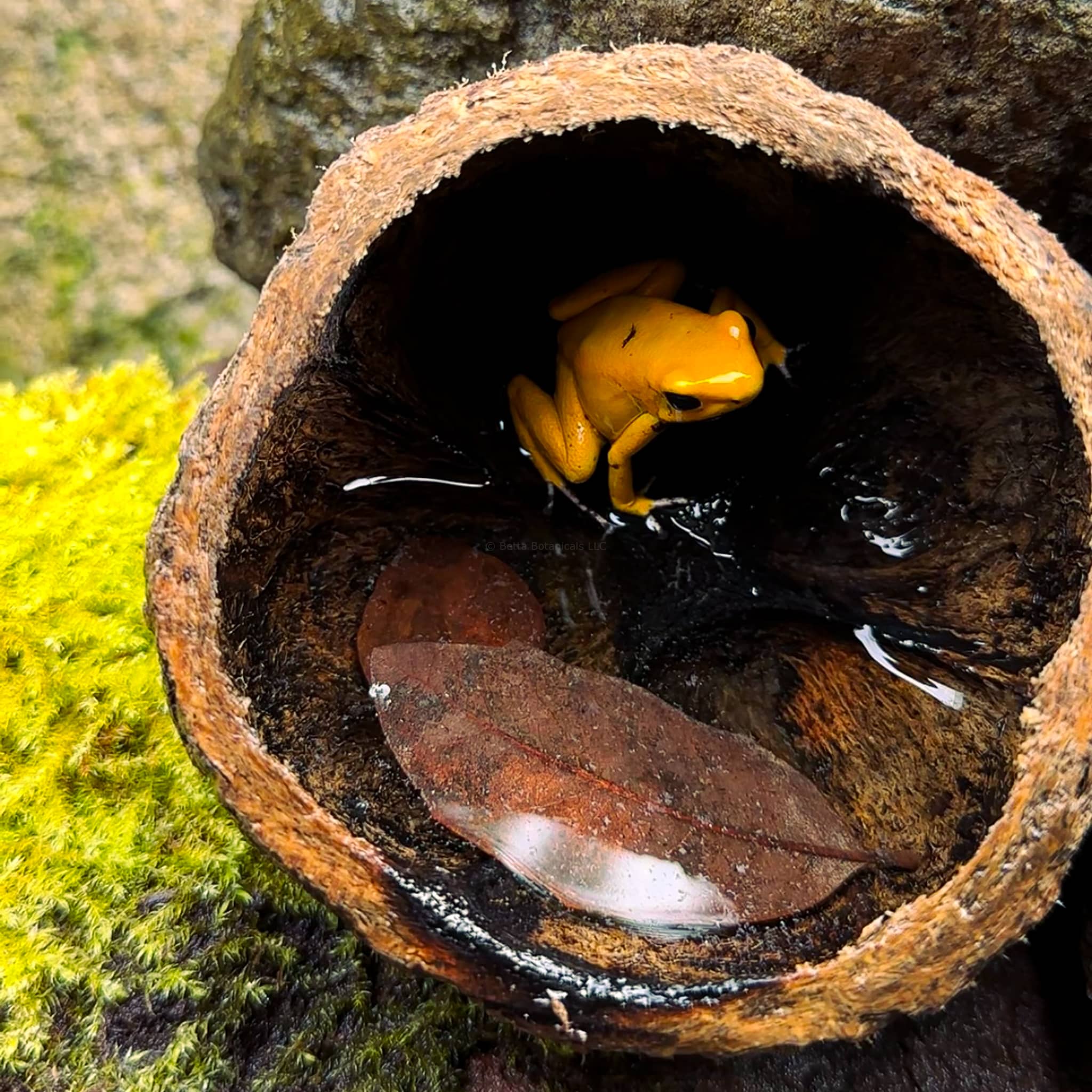
In the vivarium, the open capsule holds water as a shallow dish for dart frogs, or can be filled with substrate as a planter. Over time, fungi and bacteria soften the inner wall, and springtails and isopods graze its surface. The fine detritus they leave behind will mix into the substrate, enriching the soil food web beneath the leaves.
Beneath the Leaves: Bertholletia excelsa in the Wild
The Brazil nut tree grows in the non-flooded terra firme forests of the Amazon basin, including the lowlands of Peru. Large, strong-bodied bees pollinate its flowers, with each fruit taking about 14 to 15 months to fully develop. The heavy capsules fall to the forest floor with 10 to 25 seeds sealed inside. Their small opening is narrower than the seeds, so rabbit-sized rodents called agoutis gnaw through the wall to reach them, burying some a short distance away. Forgotten seed caches can germinate into the next generation of trees.
Once emptied, the capsule stays on the forest floor and fills with rainwater. Insects lay their eggs in these small pools, and in the Brazilian state of Pará, the Brazil-nut poison frog (Adelphobates castaneoticus) carries its tadpoles to them. As the wall slowly breaks down, the capsule returns to the leaf litter of the forest floor. When we add Ourico Mayan Nut Pods into the aquarium or vivarium, we replicate the allochthonous inputs that fuel the food webs of aquatic and forest-floor ecosystems around the globe. Mother Nature leads the way.
Sustainability Note:
This product's packaging is home compostable. Just like the botanicals inside, it will break down naturally and return to the soil — because what supports your ecosystem should minimally impact our planet.
Not for human consumption. Preparation required.
This is a natural product — variation in color, shape, and texture is expected.
Ourico Mayan Nut Pods | Bertholletia excelsa
Home is getting more natural
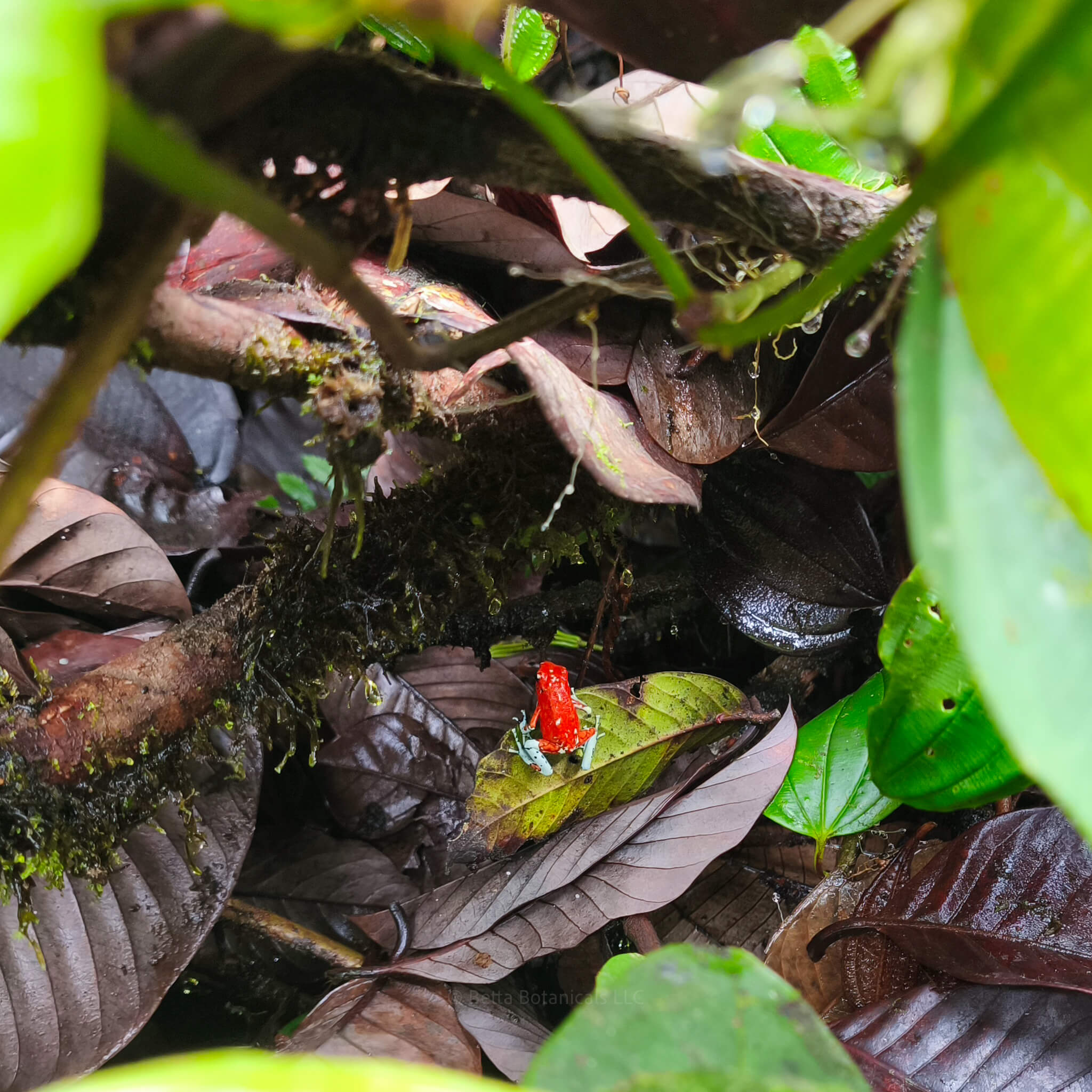
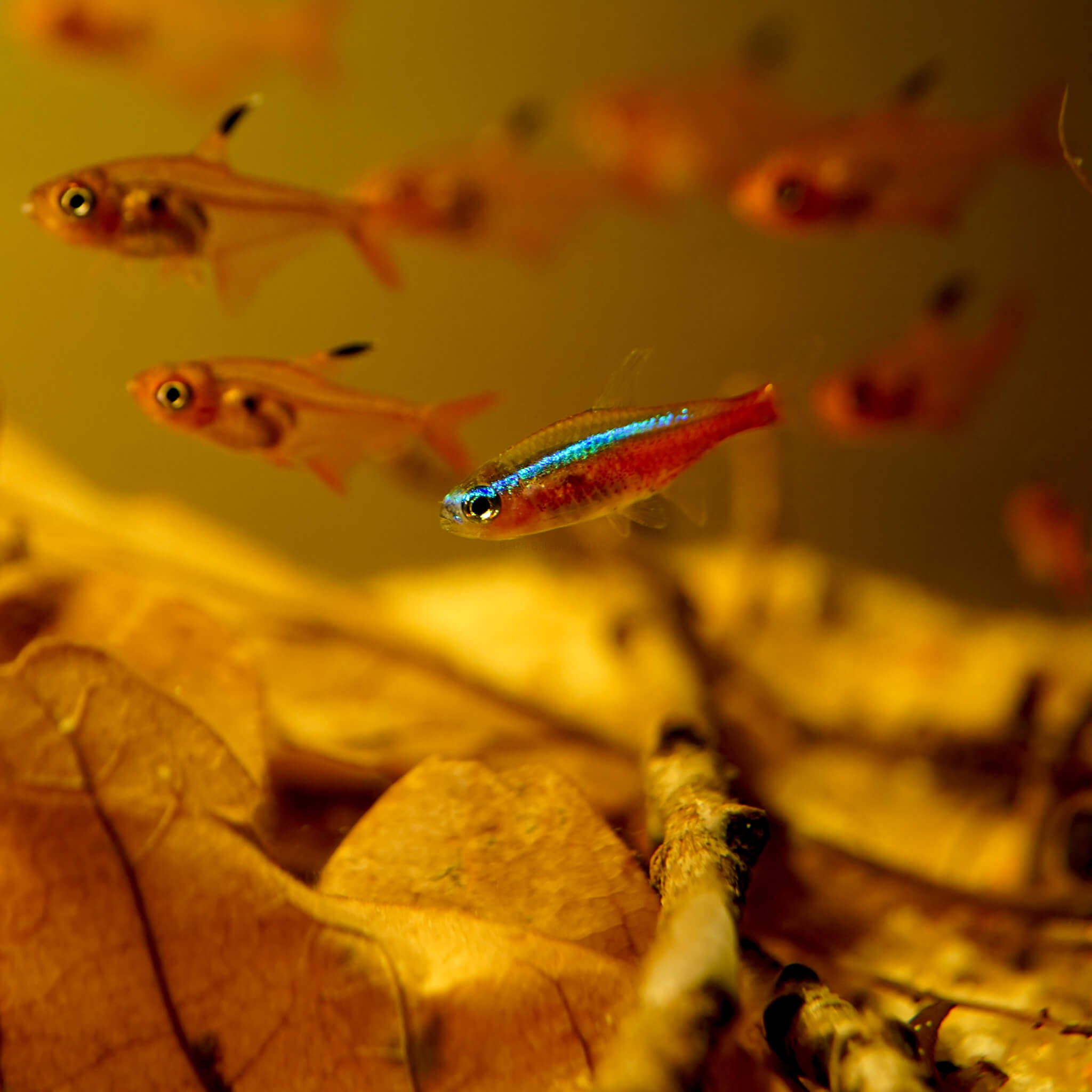
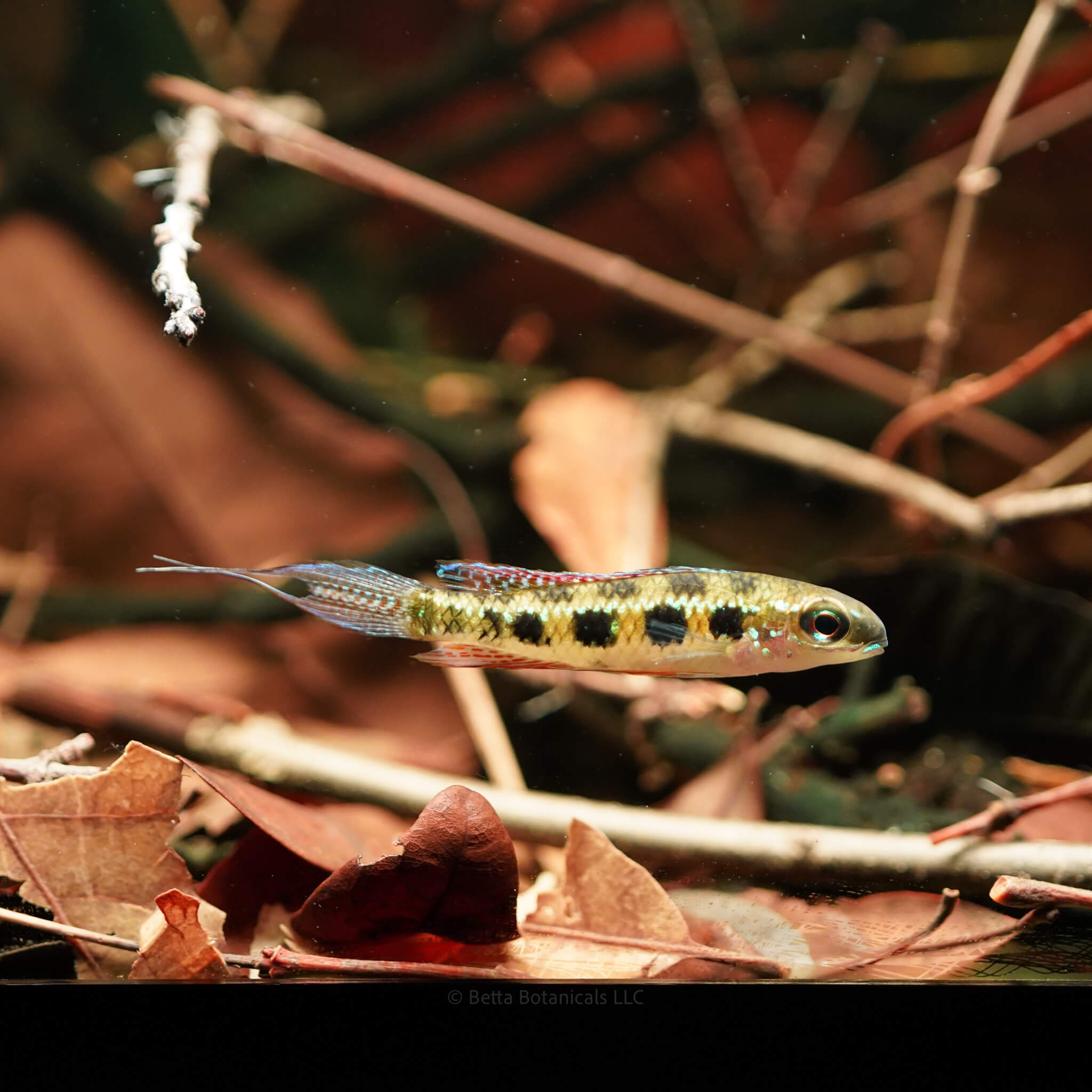
While the warm tones of tinted water and layered botanicals may first catch our eye, their true value is ecological. In South American habitats, fallen leaves, seed pods, and woody debris shape water chemistry, soften light, and sustain the microbial food web. Recreating these conditions allows us to mirror the rhythms of blackwater rivers and flooded forests where South American fish, amphibians, and invertebrates feel most at home.
Botanical FAQs
Compostable Packaging Promise
Our packaging is designed to return safely to the Earth, just like the botanicals inside. Every bag is BPA- and Phthalate-free, GMO-free, and contains no animal products. Each meets ASTM D6400 composting standards, ensuring it can fully break down in a home compost bin.
What are the Fluffy White Growths on my Botanicals?
That’s biofilm and fungi—what we call the “goo phase.” It’s one of the clearest signs that your aquarium is alive and functioning. These growths wax and wane naturally as botanicals decompose. They’re harmless, even beneficial, and will disappear on their own once microbial populations stabilize.
Will botanicals lower the pH of my water?
That depends entirely on your source water. In very soft or RODI water, botanicals can gradually lower pH as tannins and humic substances accumulate. In medium to hard tap water, buffering capacity often resists these shifts, and you may not notice much change. At Betta Botanicals HQ, our very hard water (350+ ppm) shows almost no pH change unless we use botanicals like Alder Cones or Macaranga Leaves.
When should I replace leaves or pods in my tank?
We recommend allowing botanicals to fully break down into detritus, since this fuels microbial life and enriches the substrate. You can remove them once they stop tinting the water, but you’ll lose some of their ecological benefits. Each time you add new botanicals, follow proper preparation and observe your livestock until you learn your aquarium’s rhythm.
Are your products just for bettas?
Nope. Our botanicals are safe for almost all aquariums, terrariums, vivariums, and paludariums. The only exceptions are goldfish and axolotls, which may ingest small pods like alder cones or casuarina cones. For those species, we recommend large leaves such as Indian Almond, Loquat, or Jackfruit.
What are Tannins?
Tannins are natural compounds released by leaves, seed pods, and bark as they decompose in water. They soften water, gently lower pH, and create the characteristic tea-stained tint found in blackwater habitats. But their role goes far beyond color—tannins fuel beneficial bacteria, fungi, and biofilms, which form the foundation of a healthy ecosystem. They also offer mild antifungal benefits and help reduce stress in fish by replicating the natural conditions they’ve evolved in. At their core, tannins are plant-derived antioxidants that connect your aquarium to the same processes at work in wild flooded forests and streams.