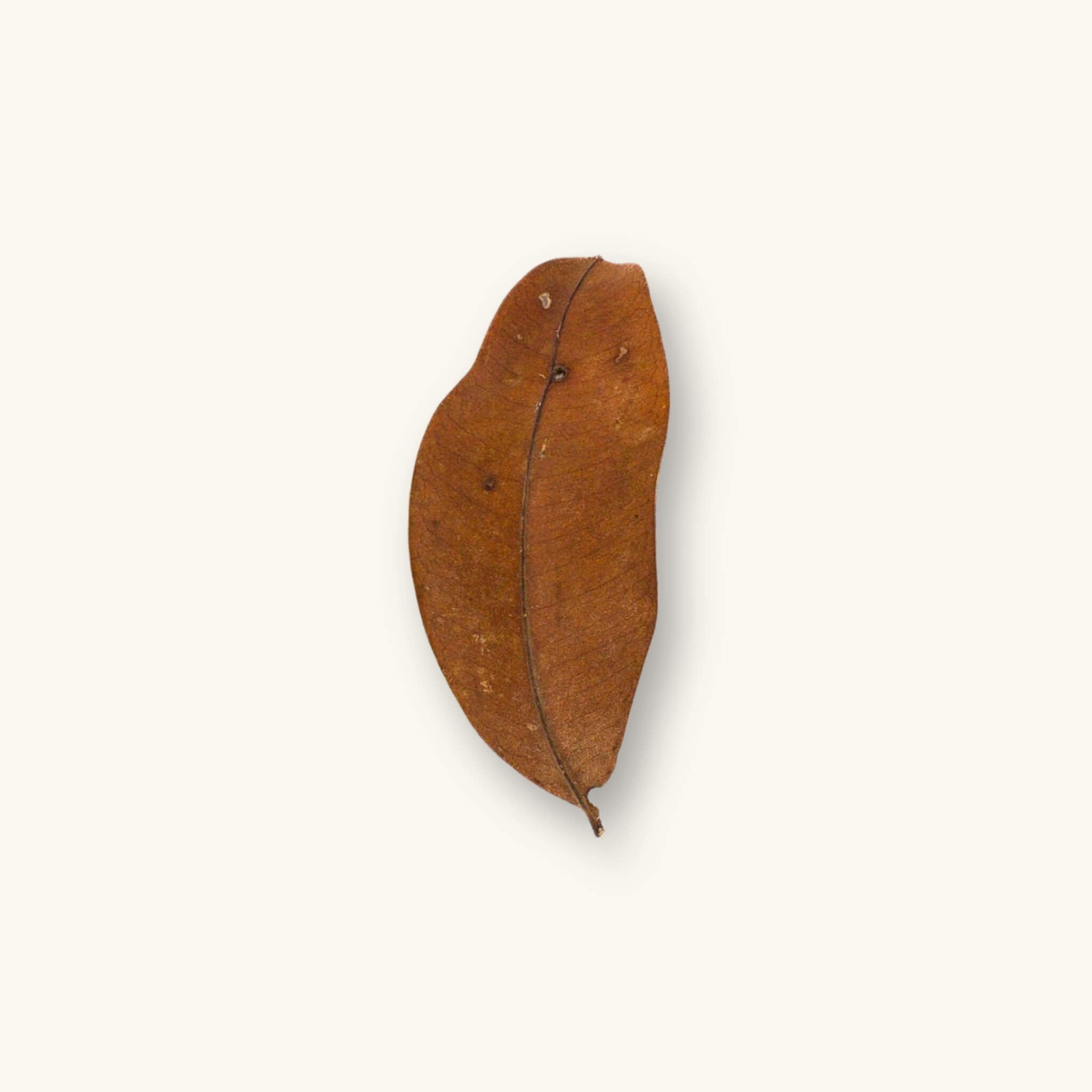
Peruvian Marupa Leaf Litter | Simarouba amara
Marupa Leaf Litter on the Surface:
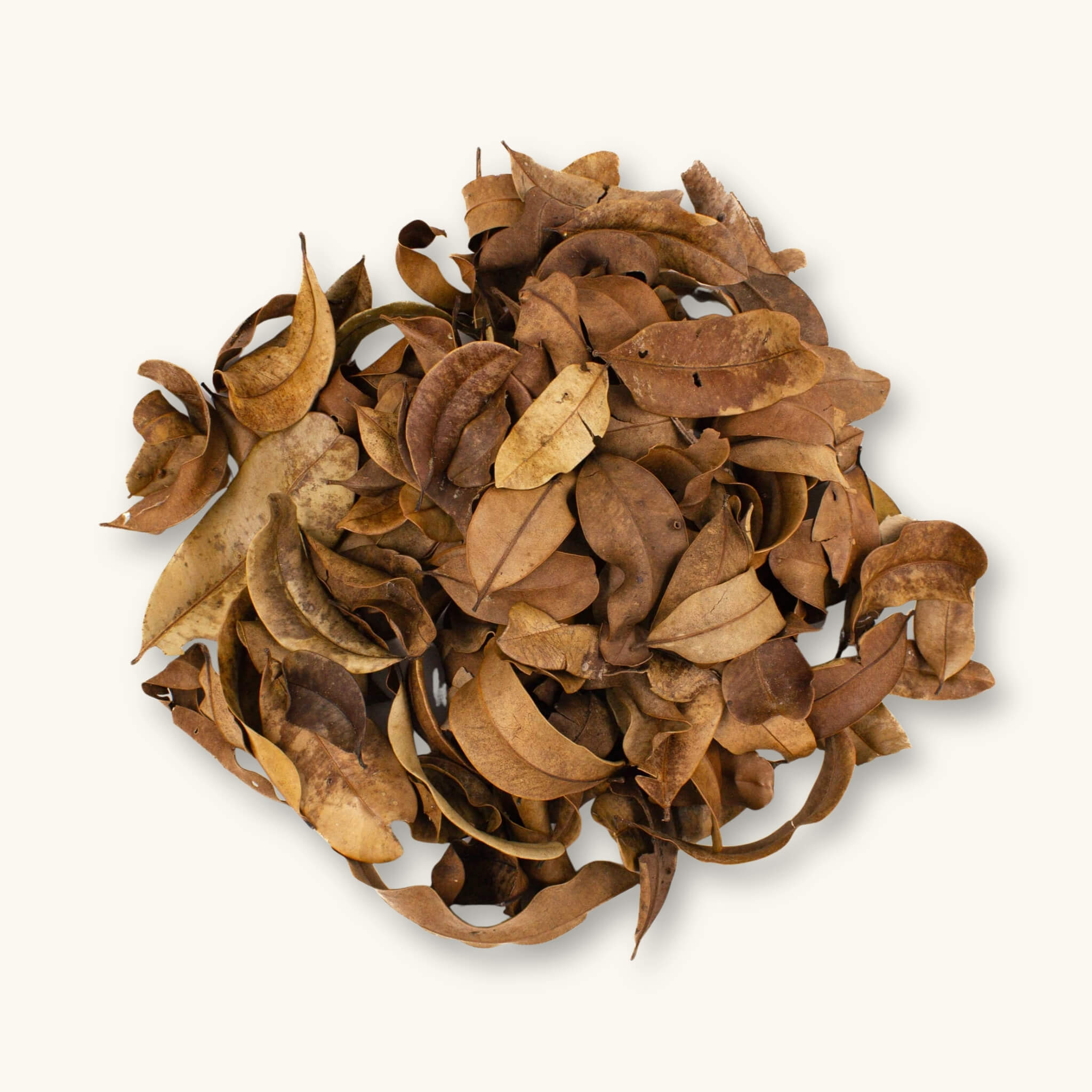
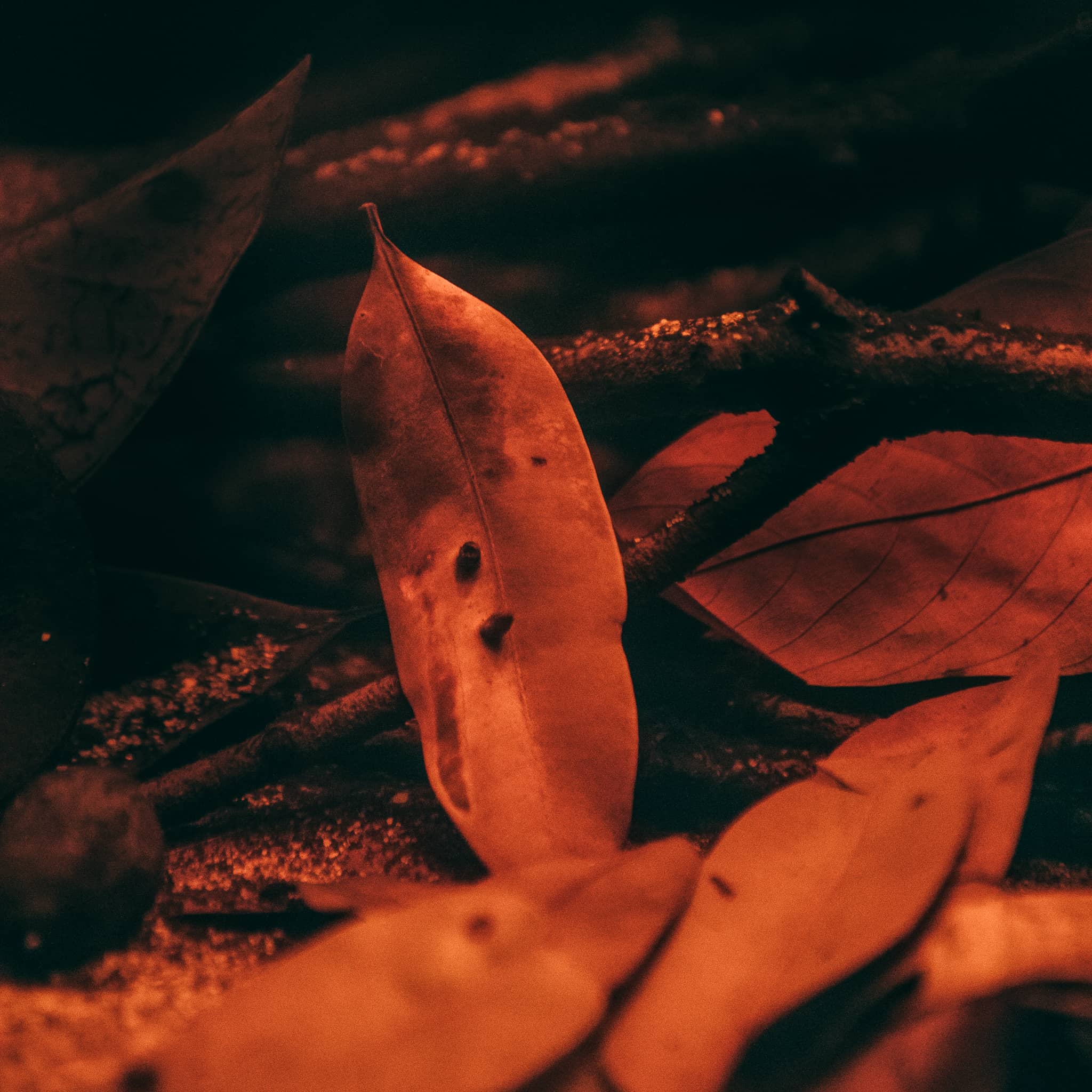
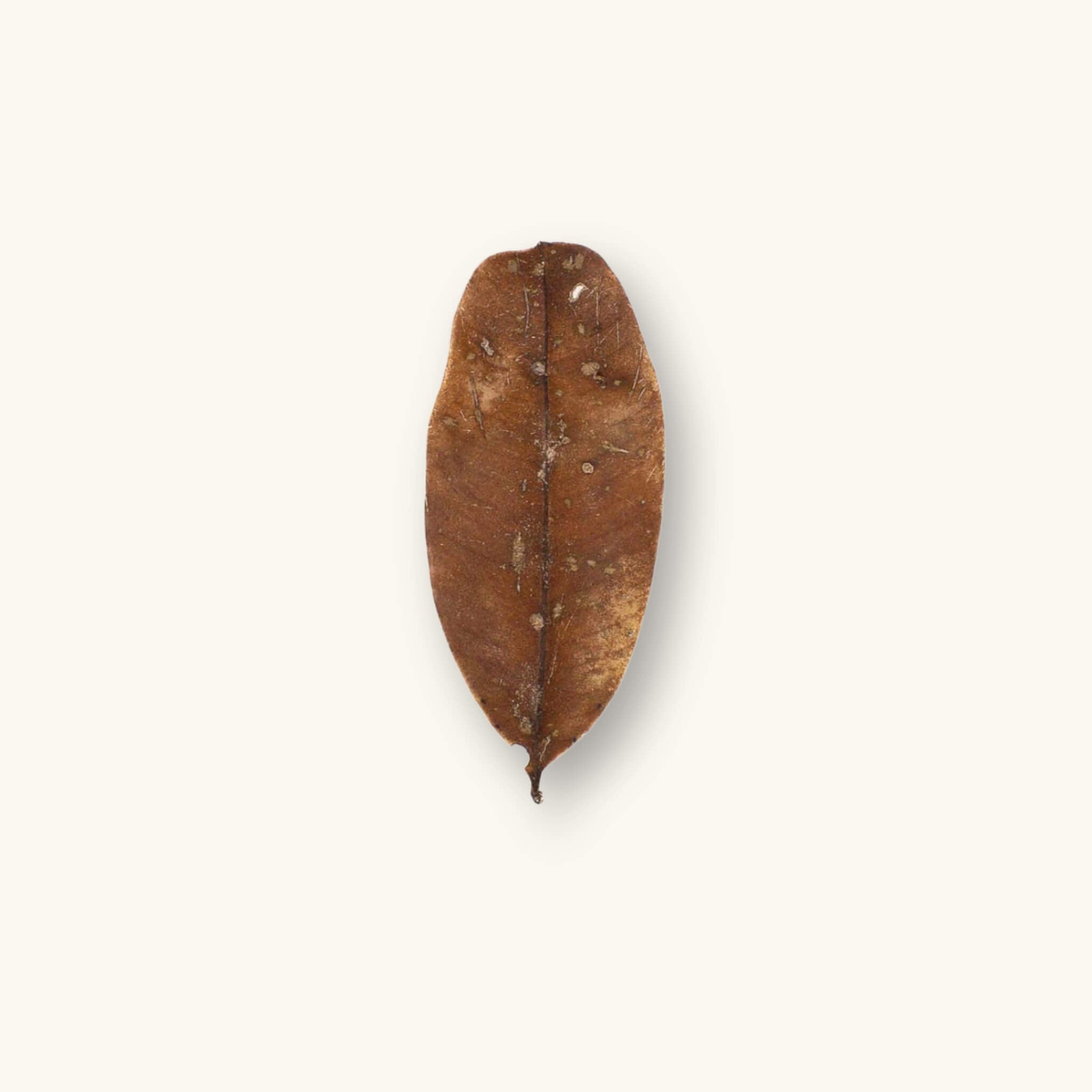
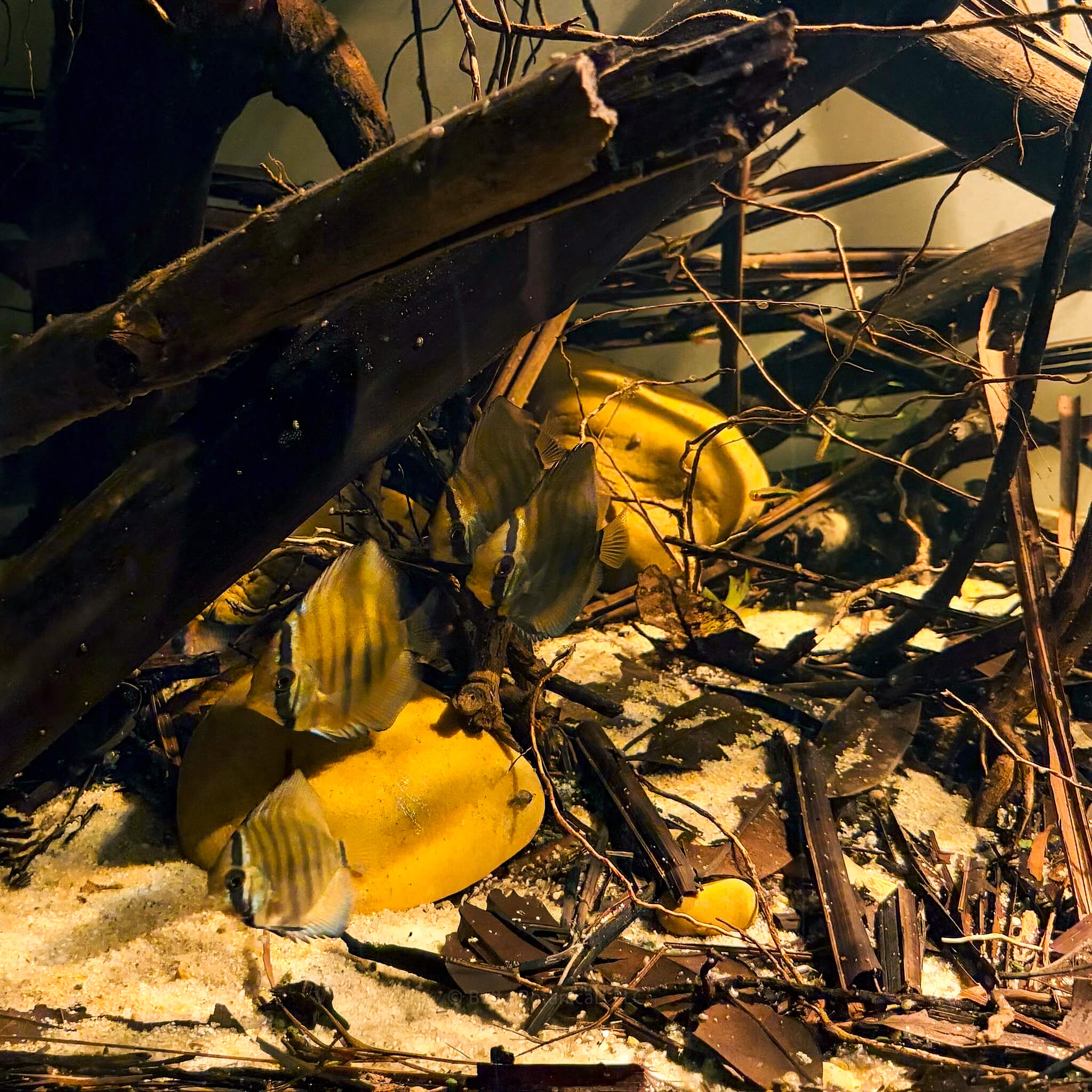
Marupa Leaf Litter comes from the Simarouba amara tree, a fast-growing canopy tree found across much of the lowland rainforests of the Peruvian Amazon. Leaf Litter from the Marupa tree falls to the forest floor in a range of sizes, with leaves up to 2 ft long. We source the smaller leaflets, which help to create more of a dynamic leaf litter bed full of nooks and crannies for your Botanical Method Aquarium or Dart Frog Vivarium. Because each leaflet is curled rather than flat, they can stack into an intricate leaf litter layer instead of a flush mat, building refuge and foraging habitat within the leaf litter bed of your Botanical Method, blackwater, and biotope aquarium, or vivarium.
Essential Details
- Tannin Level: Moderate
- Tint Color: Amber to brown
- Durability: High; a waxy cuticle helps the leaflets hold up for 4 to 6 weeks before breaking down
- Habitat Location: Peruvian Amazon rainforest
- Optimal For: Cardinal tetras, corydoras, apistogramma, discus, dart frogs, isopods
- Use with Caution: Not recommended for axolotls or goldfish, as its size poses a choking hazard.
- Size Range: 1 to 5 inches long, 1 to 2 inches wide
- Quantities: 32oz bag, approximately 25 to 35 leaves per bag
Marupa Leaf Litter for Aquariums & Vivariums
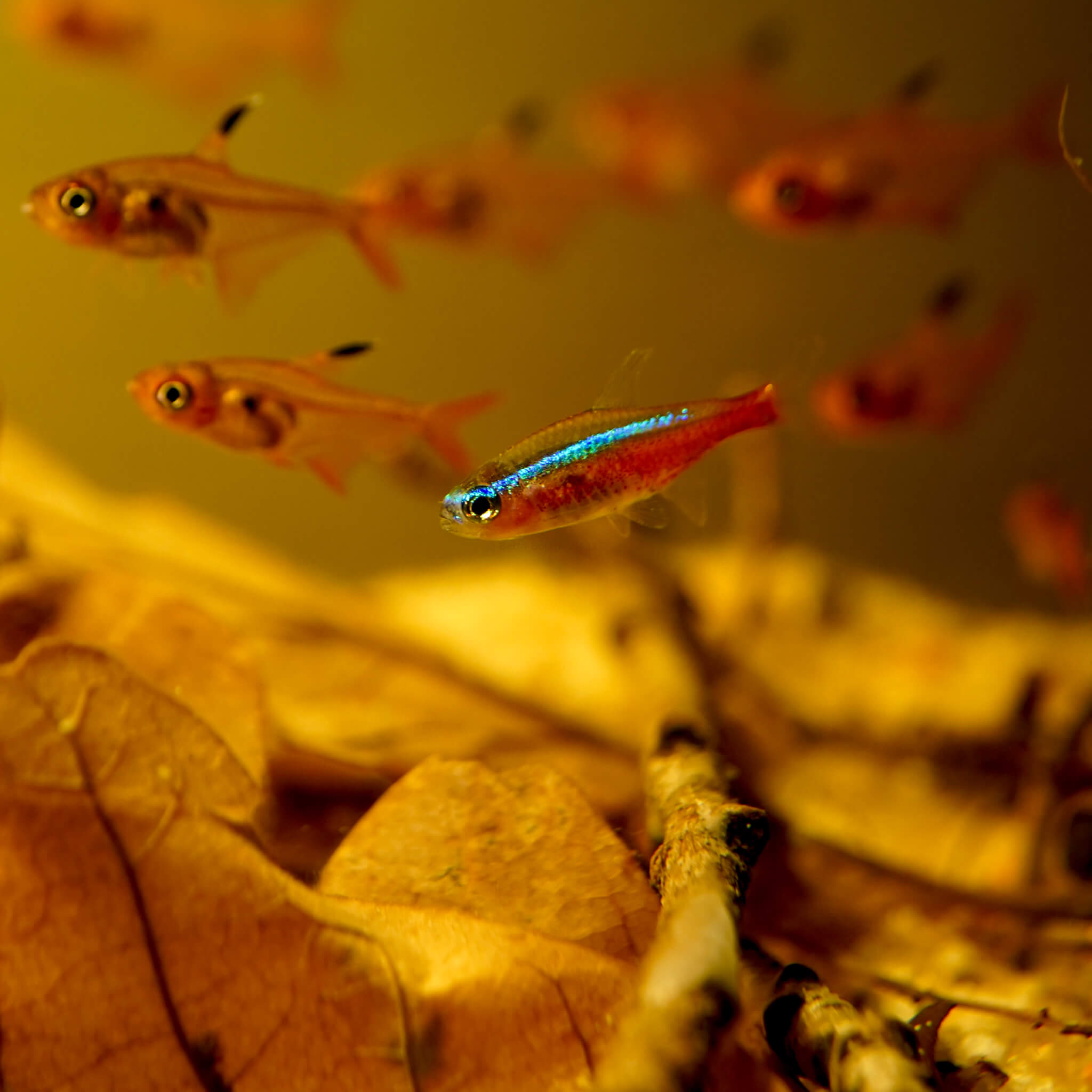
Within a few days of submersion in the Botanical Method Aquarium, Marupa Leaf Litter will begin developing a coating of biofilm, an extracellular microbial community which can become a grazing resource for shrimp and smaller fishes that we call supplemental nutrition. The interstitial pore space created between multiple leaves can provide cardinal tetras, corydoras, and apistogramma with room to seek refuge, spawn, and forage within the litter bed.
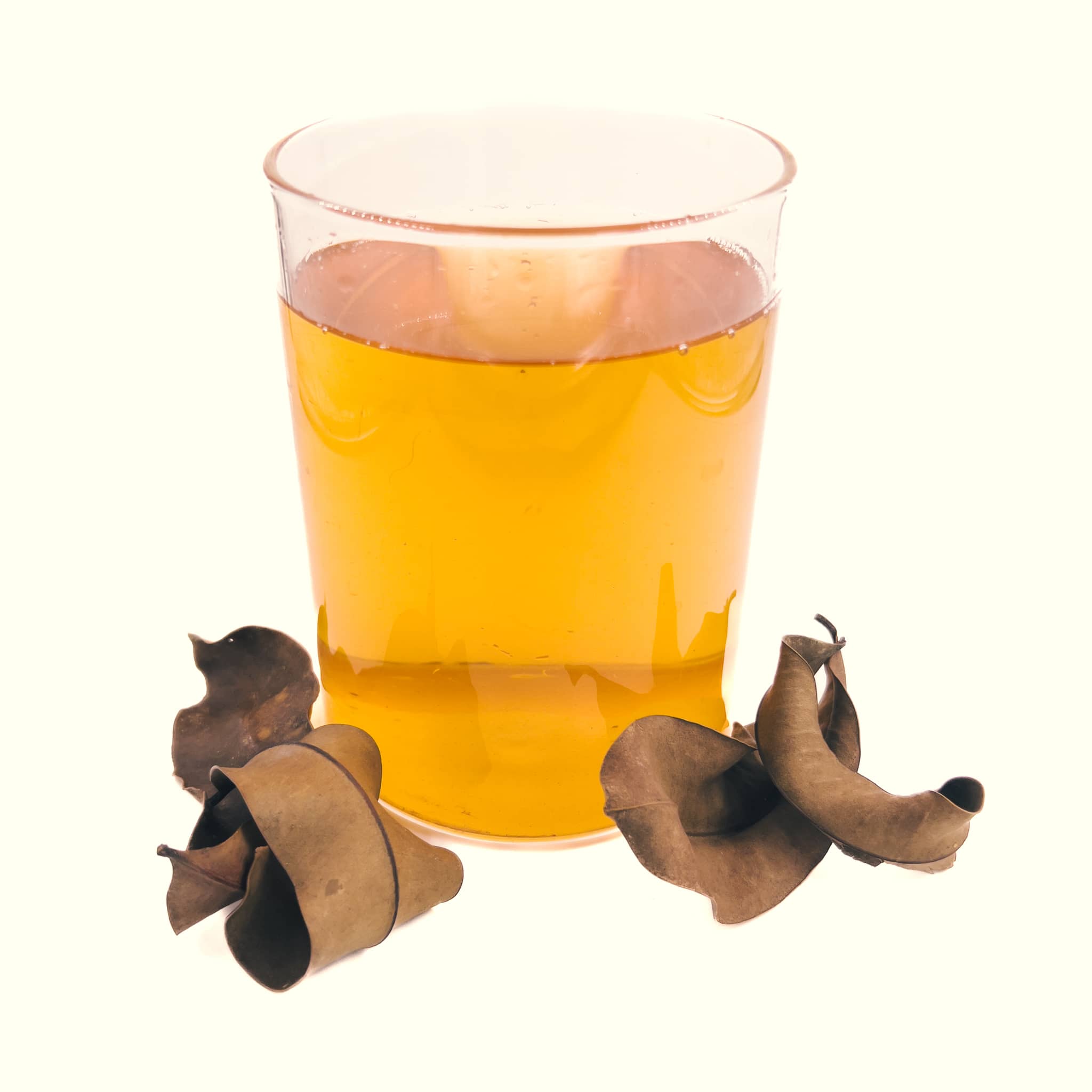
Marupa Leaf Litter carries a moderate tannin load, providing the water with an amber to brown hue, which can also be a bit hazy for the first few days due to the lignin content... this is Natural! These tannins and other polyphenols are precursors for humic substances, which form as they oxidize and condense in reactions with microbial byproducts. The resulting humic and fulvic acids can help chelate heavy metals and buffer pH as they build up in the water column. We recommend adding Marupa Leaf Litter as a recurring input rather than a single addition, layering fresh leaflets on top as older ones break down into the perpetual substrate below.
A waxy cuticle helps Marupa Leaf Litter hold its shape for 4 to 6 weeks, resisting degradation into beneficial detritus better than thinner, softer leaves. When building natural leaf litter beds in the home aquarium and vivarium, it is important to consider a wide durability range in order to help create what our fishes would expect to encounter in their wild habitats. In the nano aquarium, start with a small handful and build your ecosystem slowly rather than adding the entire compostable pouch at once. In larger aquariums, Marupa Leaf Litter pairs well layered alongside Cows Ears Leaf Litter or Casho Leaf Litter, both also sourced from the Peruvian Amazon.
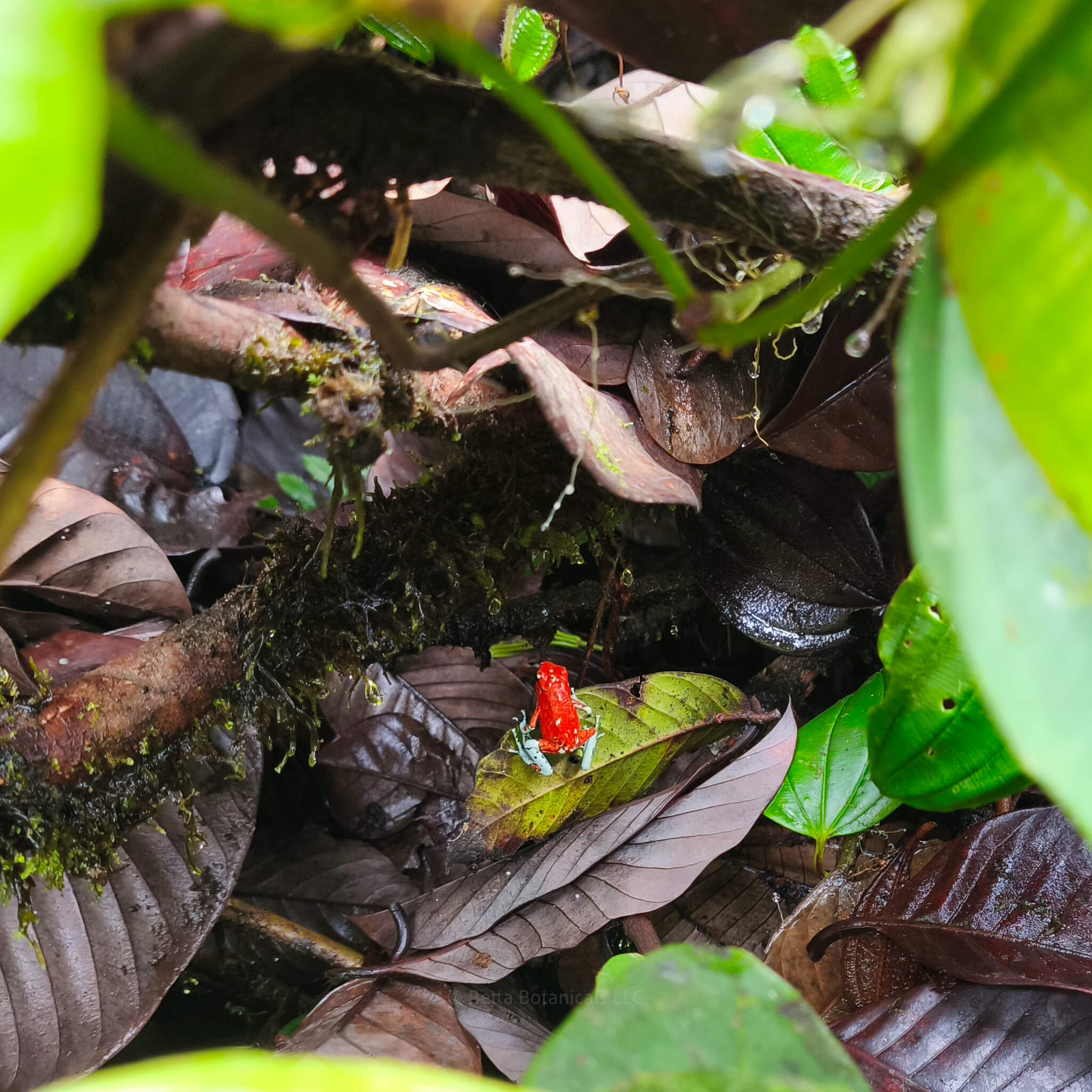
In the bioactive vivarium, the curled, cupped leaflets help to create small pockets of cover across the substrate for dart frogs and other terrestrial microfauna, while isopods and springtails work through them as a preferred food source. When breeding our Ranitomeya dart frogs, we often place a single large marupa leaf in our film canisters to help make them look, and feel, a bit more natural. Once the litter has fully broken down, there is no need to remove it. The detritus and mulm it leaves behind become inputs for the bacterial and fungal network working beneath the leaves.
Beneath the Leaves: Simarouba amara in the Wild
Simarouba amara is dioecious, meaning each tree bears only male or only female flowers, small and pale yellow, pollinated by bees and moths across the Amazon canopy. The purplish black fruit that follows is eaten by birds and monkeys, which carry its seeds an average of nearly 400 meters from the parent tree; a study on distance research on Panama's Barro Colorado Island ties this to seedlings surviving better further away from the pests and pathogens that build up around the parent tree. Across the Amazon, communities have long turned to Marupa's bark to treat dysentery and fever, one of the region's many bitter barks with a documented history of use long before this tree found a role in our Botanical Method Aquariums.
When we add Marupa Leaf Litter into the aquarium, we replicate the allochthonous inputs that fuel the food webs of aquatic ecosystems around the globe. Mother Nature leads the way.
Sustainability Note:
This product's packaging is home compostable.
Just like the botanicals inside, it will break down naturally and return to the soil — because what supports your ecosystem should minimally impact our planet.
Not for human consumption. Preparation required.
This is a natural product — variation in color, shape, and texture is expected.
Home is getting more natural
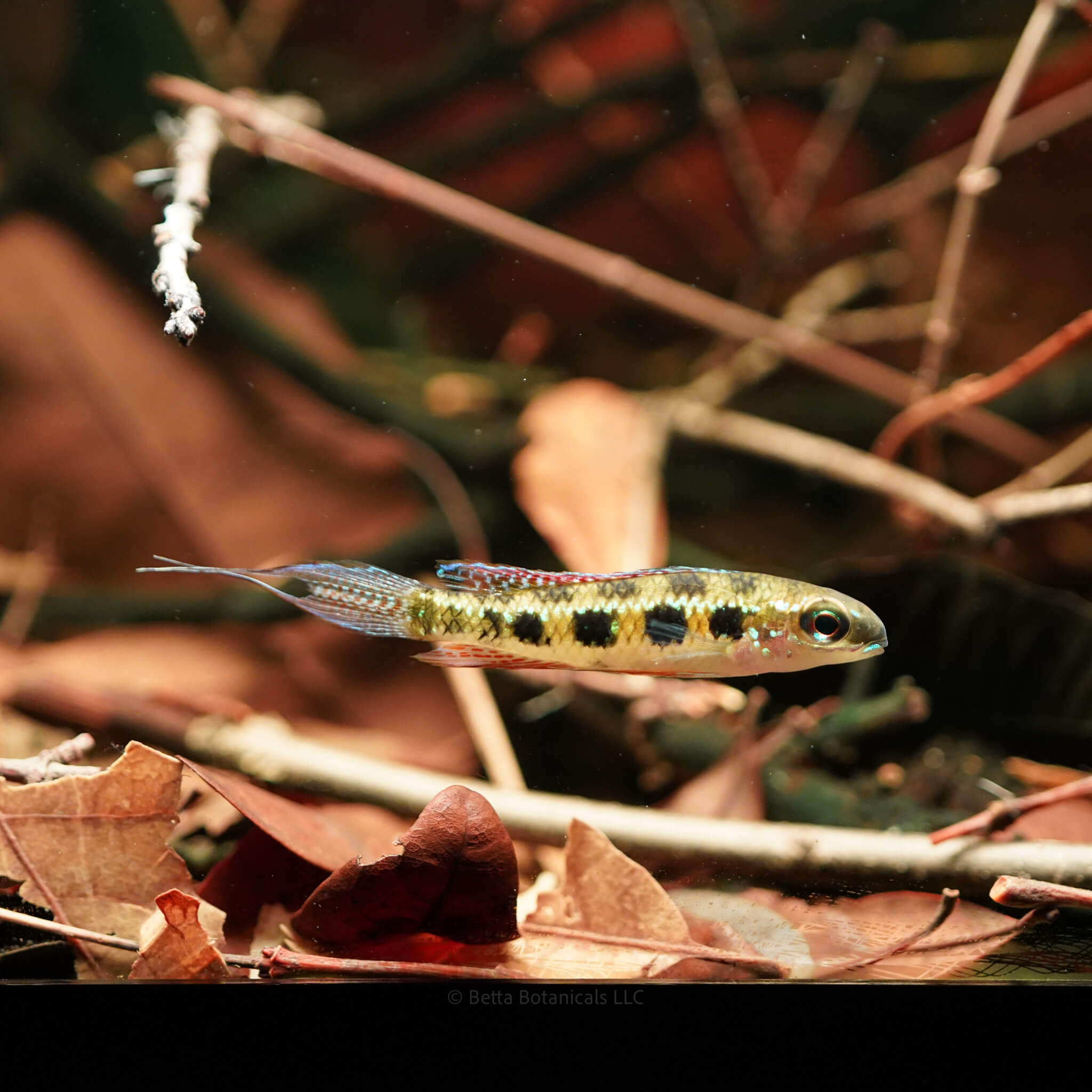
While the warm tones of tinted water and layered botanicals may first catch our eye, their true value is ecological. In South American habitats, fallen leaves, seed pods, and woody debris shape water chemistry, soften light, and sustain the microbial food web. Recreating these conditions allows us to mirror the rhythms of blackwater rivers and flooded forests where South American fish, amphibians, and invertebrates feel most at home.
Botanical FAQs
Compostable Packaging Promise
Our packaging is designed to return safely to the Earth, just like the botanicals inside. Every bag is BPA- and Phthalate-free, GMO-free, and contains no animal products. Each meets ASTM D6400 composting standards, ensuring it can fully break down in a home compost bin.
What are the Fluffy White Growths on my Botanicals?
That’s biofilm and fungi—what we call the “goo phase.” It’s one of the clearest signs that your aquarium is alive and functioning. These growths wax and wane naturally as botanicals decompose. They’re harmless, even beneficial, and will disappear on their own once microbial populations stabilize.
Will botanicals lower the pH of my water?
That depends entirely on your source water. In very soft or RODI water, botanicals can gradually lower pH as tannins and humic substances accumulate. In medium to hard tap water, buffering capacity often resists these shifts, and you may not notice much change. At Betta Botanicals HQ, our very hard water (350+ ppm) shows almost no pH change unless we use botanicals like Alder Cones or Macaranga Leaves.
When should I replace leaves or pods in my tank?
We recommend allowing botanicals to fully break down into detritus, since this fuels microbial life and enriches the substrate. You can remove them once they stop tinting the water, but you’ll lose some of their ecological benefits. Each time you add new botanicals, follow proper preparation and observe your livestock until you learn your aquarium’s rhythm.
Are your products just for bettas?
Nope. Our botanicals are safe for almost all aquariums, terrariums, vivariums, and paludariums. The only exceptions are goldfish and axolotls, which may ingest small pods like alder cones or casuarina cones. For those species, we recommend large leaves such as Indian Almond, Loquat, or Jackfruit.
What are Tannins?
Tannins are natural compounds released by leaves, seed pods, and bark as they decompose in water. They soften water, gently lower pH, and create the characteristic tea-stained tint found in blackwater habitats. But their role goes far beyond color—tannins fuel beneficial bacteria, fungi, and biofilms, which form the foundation of a healthy ecosystem. They also offer mild antifungal benefits and help reduce stress in fish by replicating the natural conditions they’ve evolved in. At their core, tannins are plant-derived antioxidants that connect your aquarium to the same processes at work in wild flooded forests and streams.