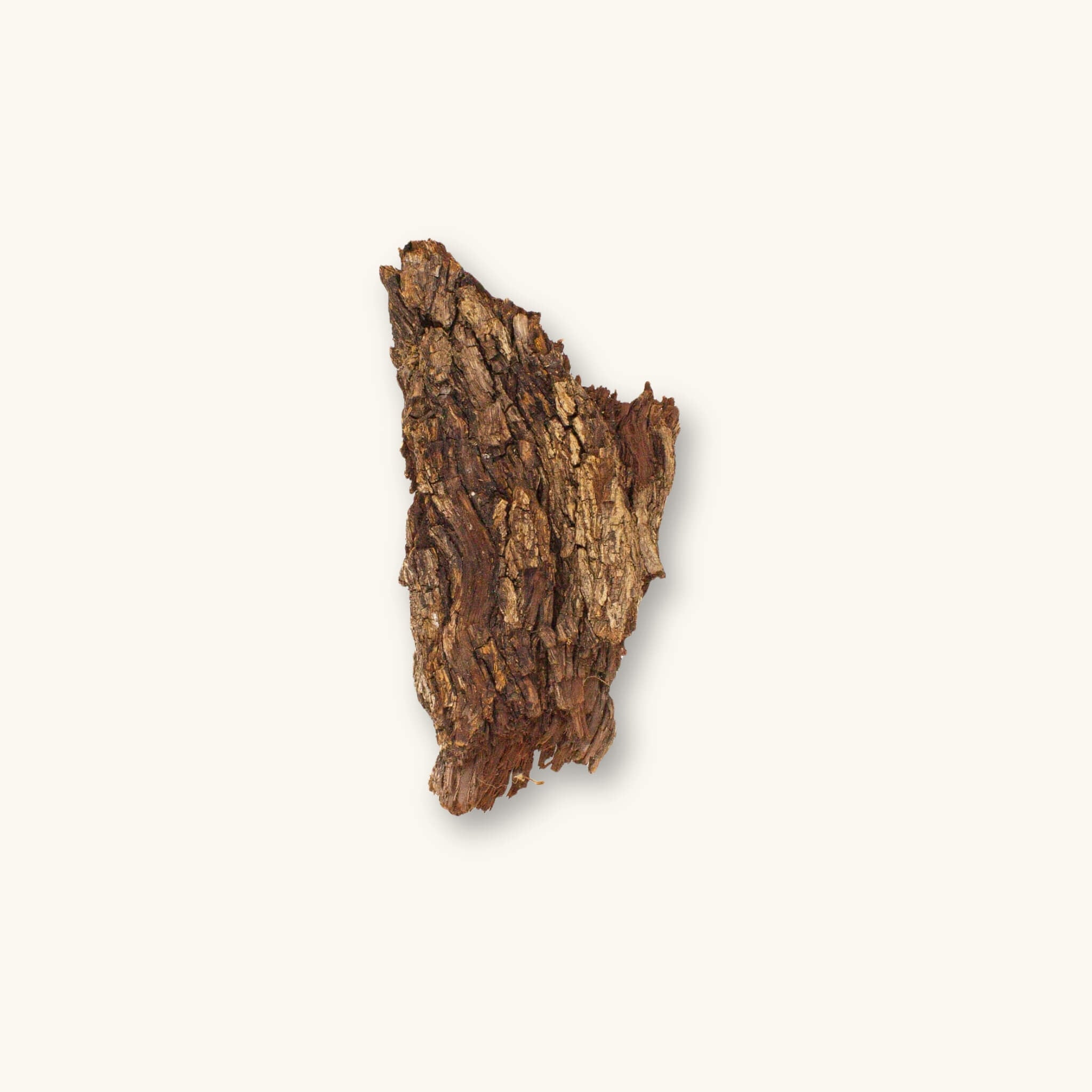
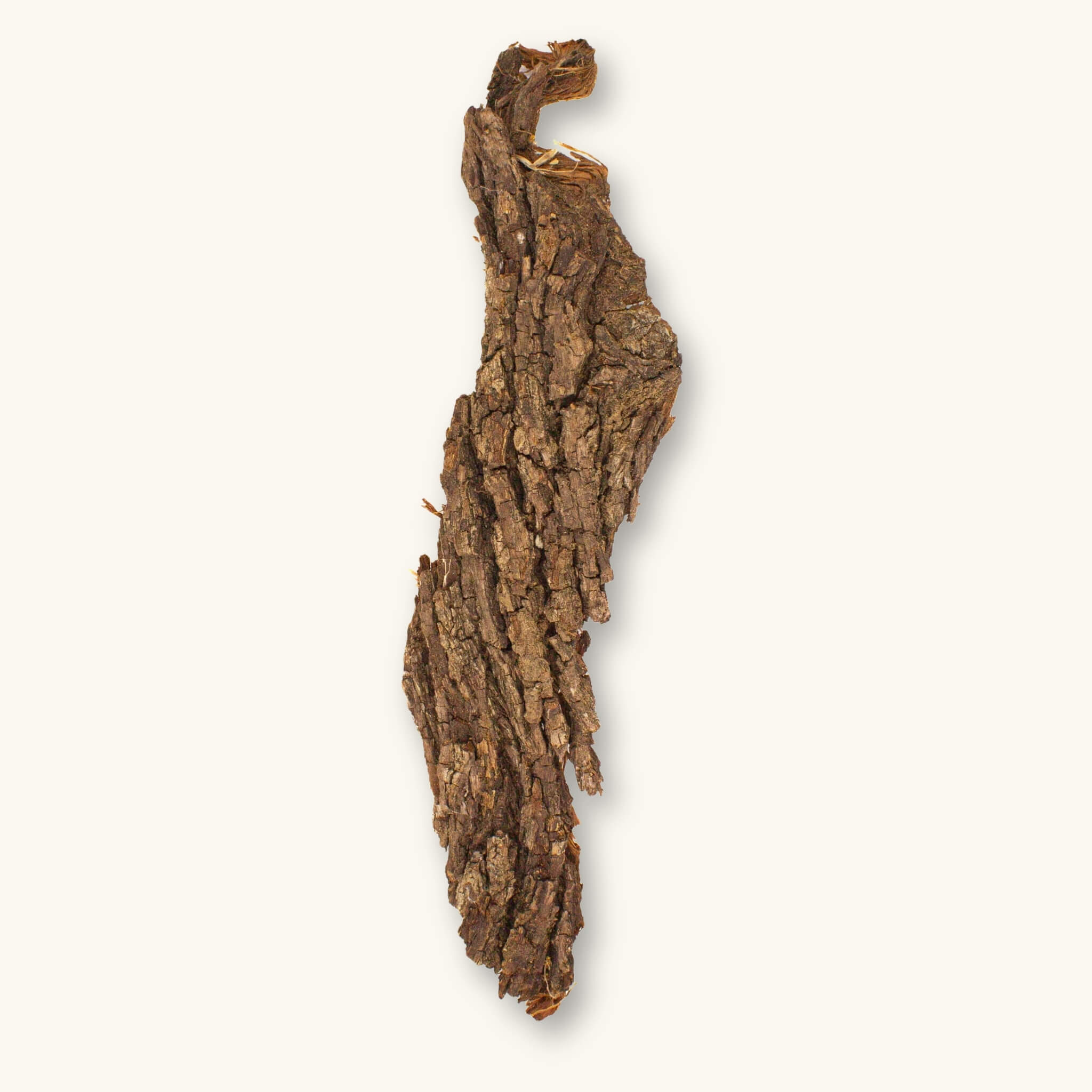
NEW! Texas Live Oak Bark | Quercus fusiformis
Texas Live Oak Bark on the Surface
Texas Live Oak Bark comes from Quercus fusiformis, an evergreen oak native to the Southwestern United States and northern Mexico. This bark is thick, highly durable, and slow to break down, making it a long-term structural botanical for the botanical method, blackwater, and biotope aquarium, and bioactive enclosure. Its rough texture provides ideal attachment surfaces for aquatic and terrestrial plant roots, shelter for fish and shrimp, and an extended source of tannins and beneficial phenolic compounds. This aquarium bark is sustainably harvested each winter from fallen branches, never from live trees.
Essential Details
- Tannin Level: Moderate
- Tint Color: Light tea brown to soft amber
- Durability: Very slow to decompose; retains structure for months
- Habitat Location: North America, Southwestern United States, and northern Mexico
- Optimal For: Bettas, gouramis, cichlids, catfish, shrimp, snails, and other fish species, and bioactive enclosures with isopods, springtails, reptiles, and amphibians
- Use with Caution: Suitable for all inhabitants
- Size Range: Irregular bark slabs and fragments ranging approximately 4 to 12 inches long and 2 to 6 inches wide
- Quantities: Available in both 65g and 130g Quantities
Texas Live Oak Bark for Aquariums & Vivariums
Texas Live Oak Bark serves a different ecological role than leaf litter. Where leaves cycle quickly into detritus, bark functions as a long-term source of habitat. This is because bark contains different ratios of cellulose and lignin, which slows decomposition, allowing it to persist as shelter, attachment surfaces for plants or algae for months to years.
In botanical method aquariums, bark pieces cultivate biofilms and fungi for snails and rasping fish to graze on for longer periods than leaf litter. These biofilms support grazing organisms for longer, especially important for plecos, which require consistent sources of fiber in their diets. The bark also releases tannins and antioxidants at a slower pace than leaves, helping maintain water chemistry stability over longer time frames.
Bark is also particularly useful for anchoring epiphytic plants like buce, anubias, and aquatic ferns. Its irregular surfaces are ideal for their roots, and the grooves help trap fine detritus and leaf fragments, creating small pockets of soil.
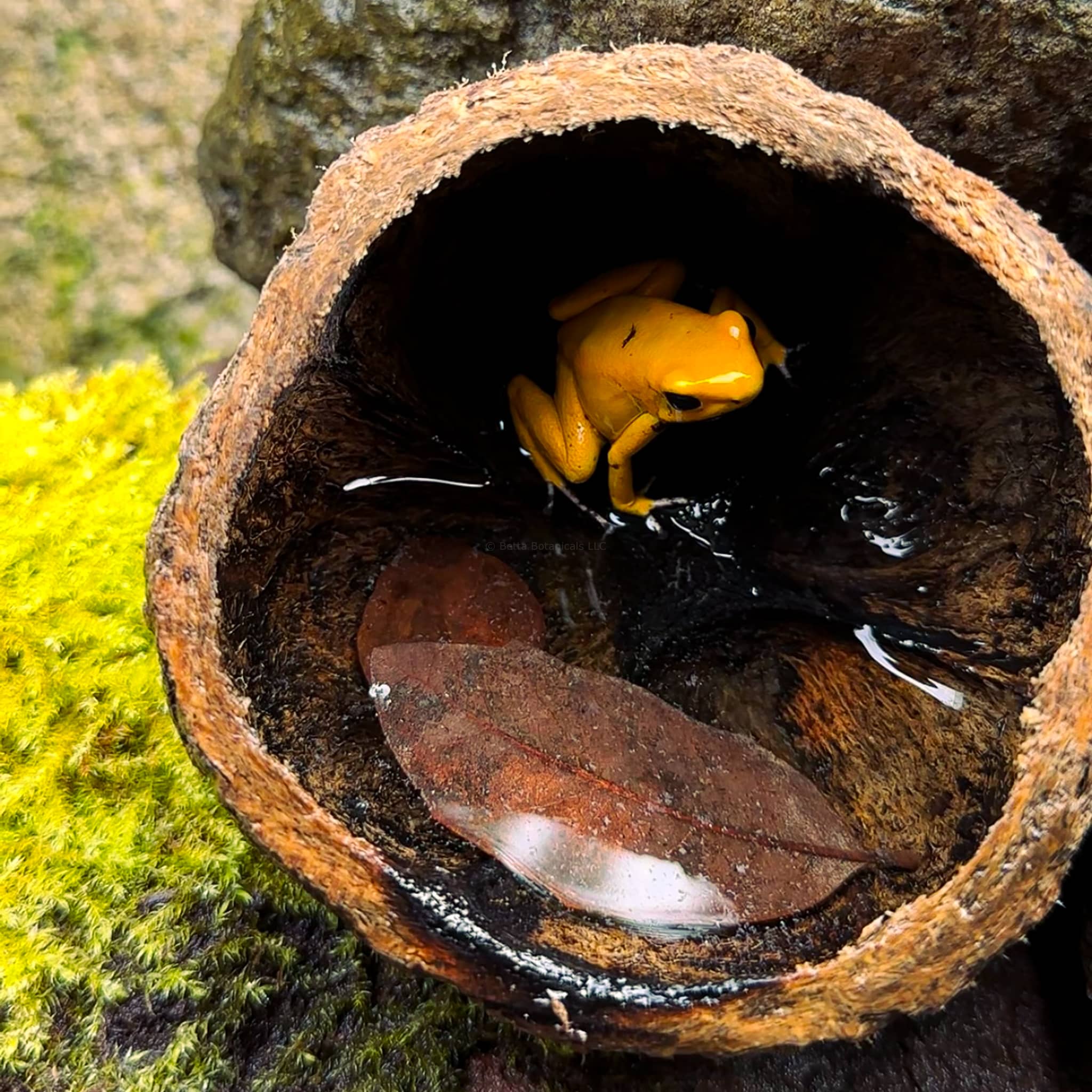
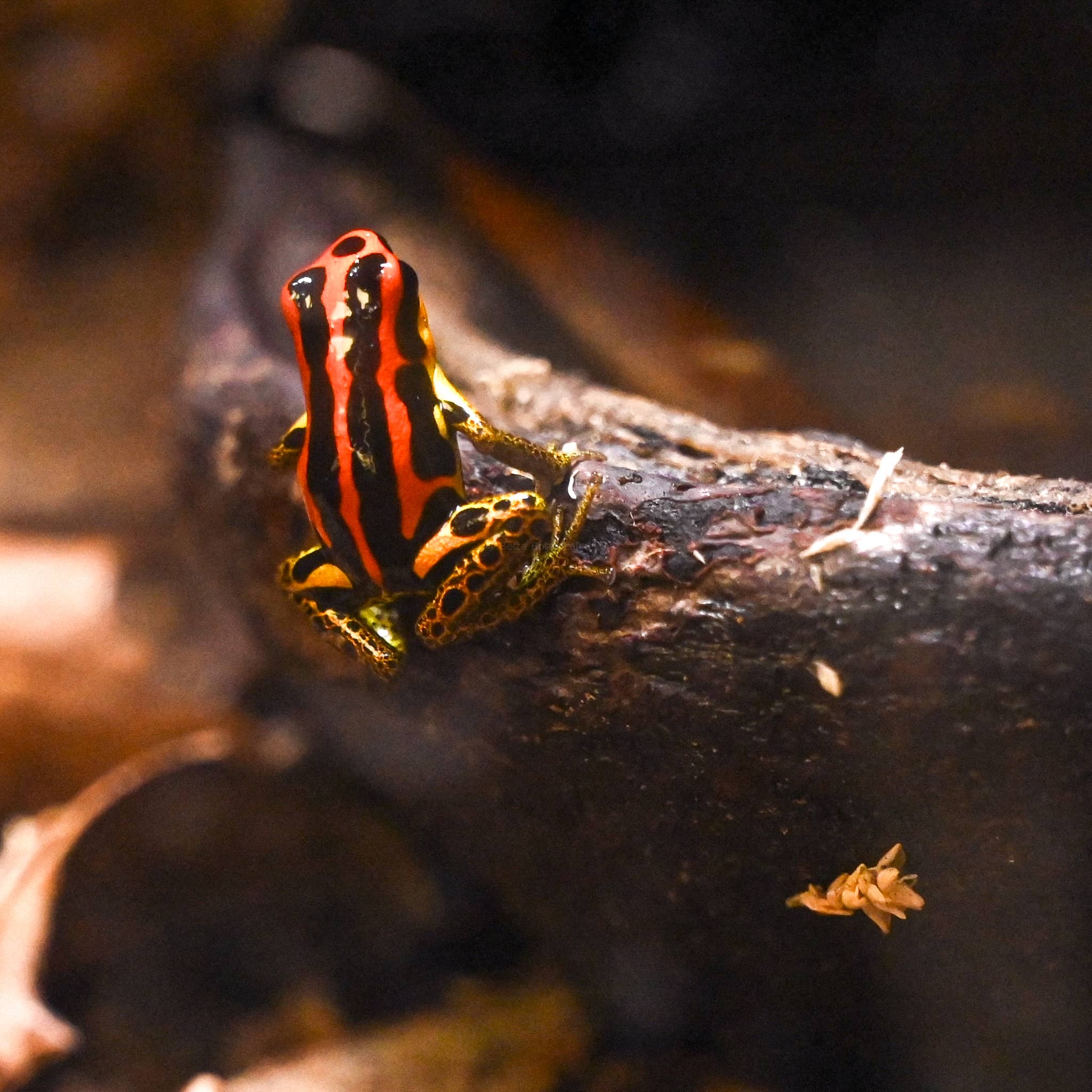
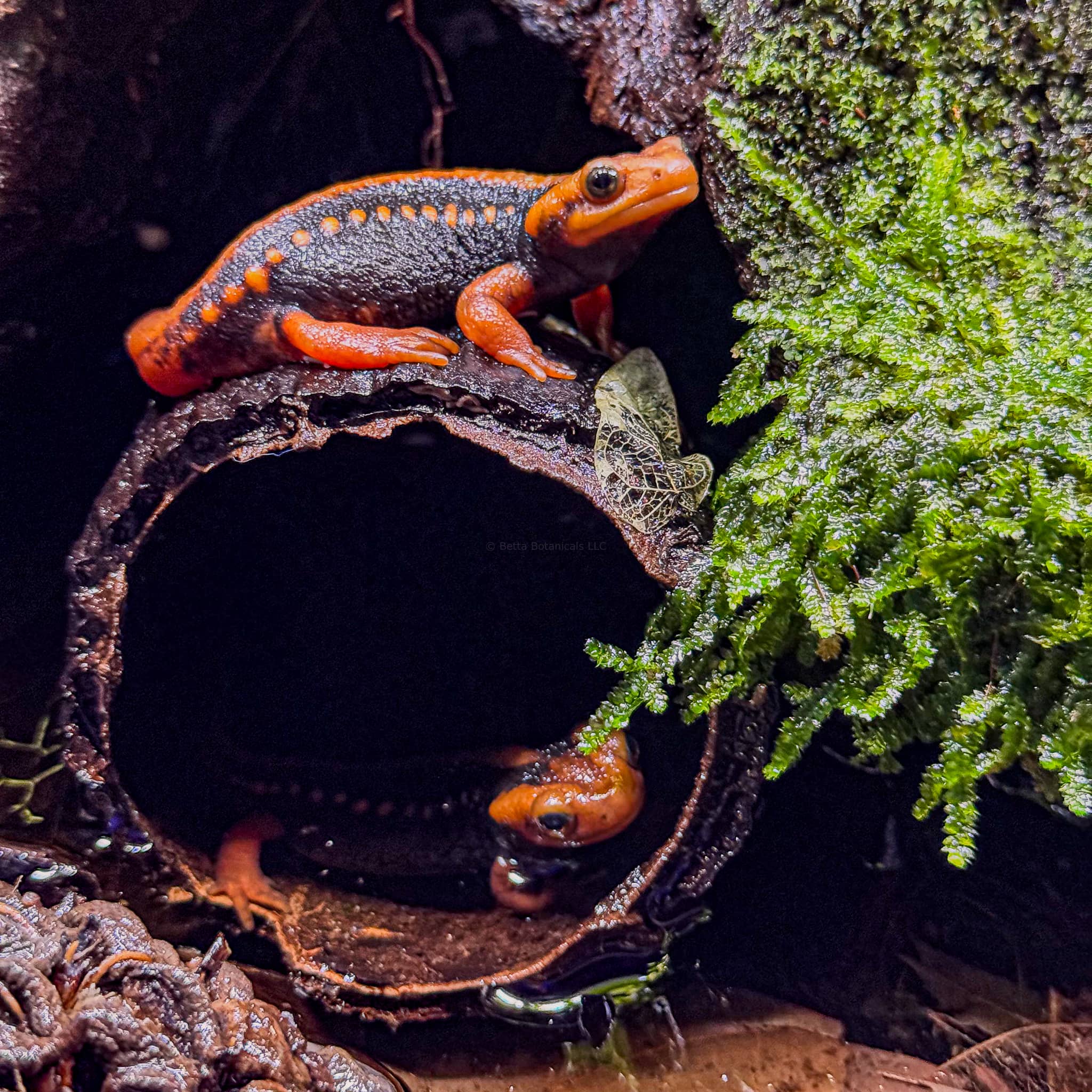
In bioactive enclosures, Texas Live Oak Bark can be used to create hides on the substrate, or for attaching epiphytic plants to such as orchids. Isopods and springtails are quick to colonize these surfaces, using them as refuge sites. As the bark slowly softens over time, it contributes carbon-rich material back into the soil food web, which benefits rooted plants and fungal networks.
Beneath the Leaves: Quercus fusiformis in the Wild
Live oak bark is rich in phenolic compounds, including tannins, flavonoids, and related antioxidants that play a defensive role against insects, fungi, and microbial pathogens.
As bark sheds naturally and accumulates on the forest floor or is carried into seasonal waterways, these compounds are released slowly into surrounding soils and water. Rather than acting as a sterilizing agent, oak tannins help regulate microbial communities by suppressing opportunistic organisms while allowing fungi and tannin-tolerant bacteria to dominate. This selective pressure supports stable decomposition pathways and microbial community regulation in the home aquarium.
Over time, oak bark becomes part of the substrate itself. By allowing this process to unfold without manual removal, we mirror the same long-term ecological rhythms found beneath live oak canopies, letting Nature guide the aquarium forward.
Sustainability Note:
This product’s packaging is home compostable.
Just like the botanicals inside, it will break down naturally and return to the soil — because what supports your ecosystem should minimally impact our planet.
Not for human consumption. Preparation required.
This is a natural product — variation in color, shape, and texture is expected.
NEW! Texas Live Oak Bark | Quercus fusiformis
Home is getting more natural
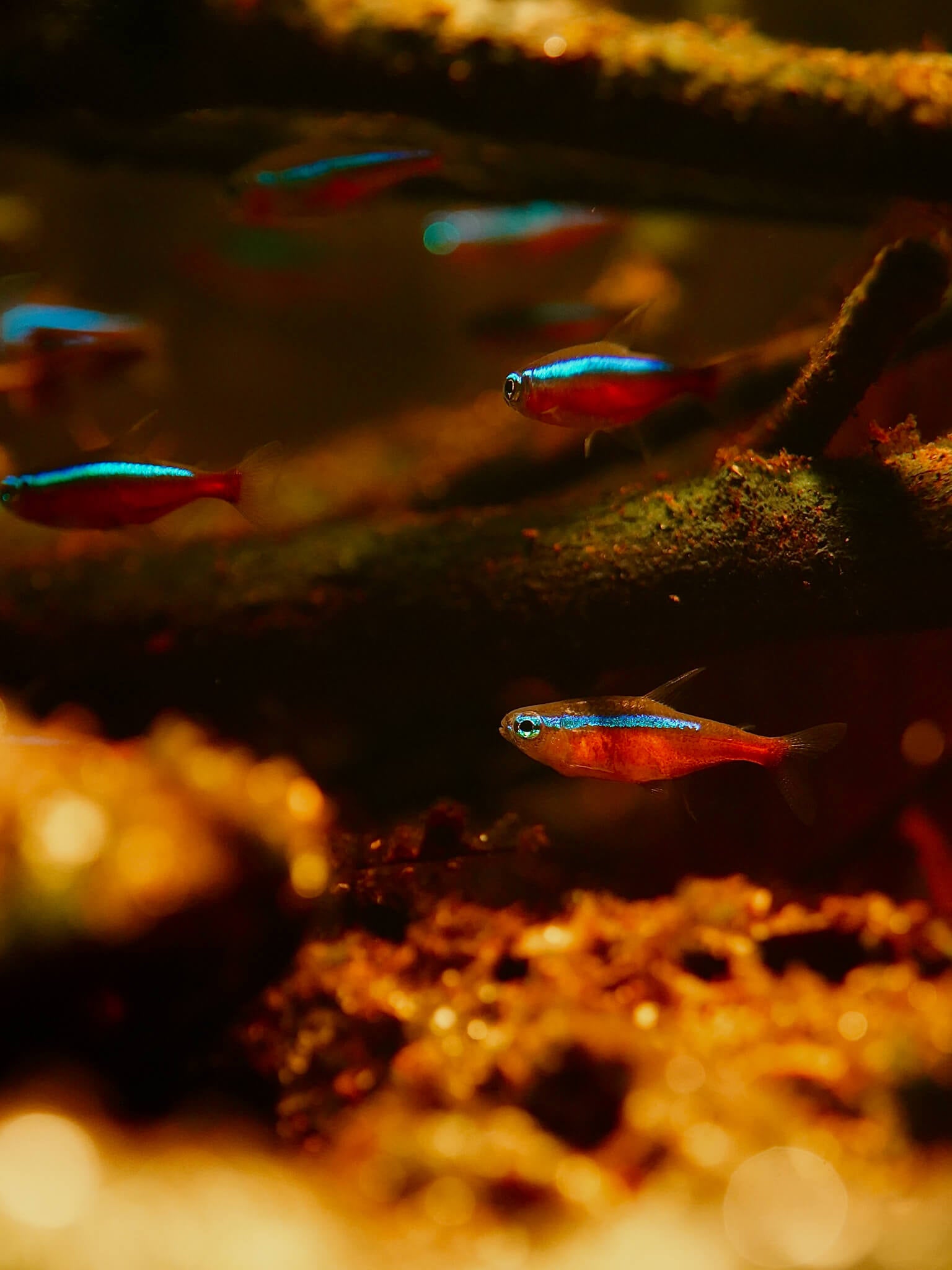
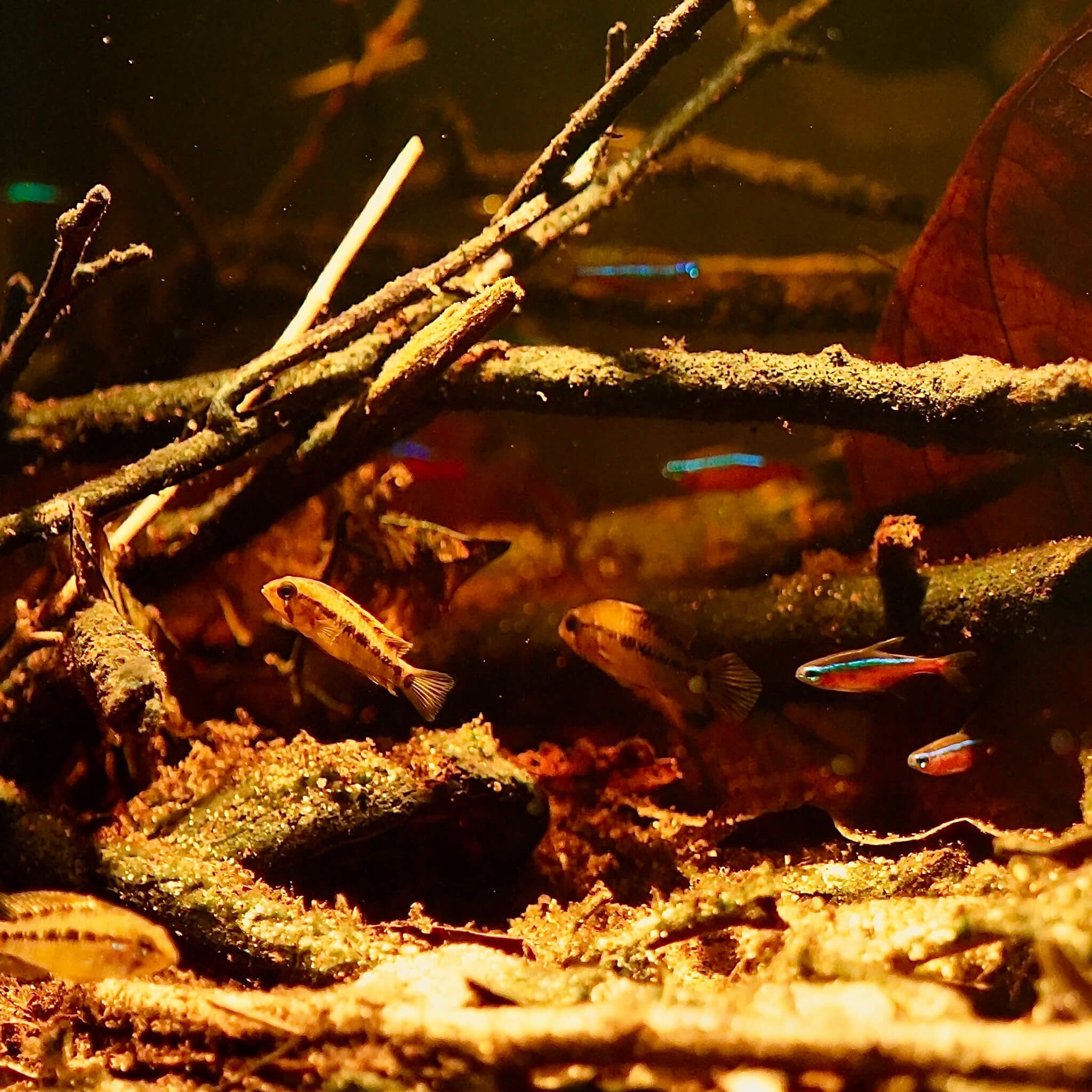
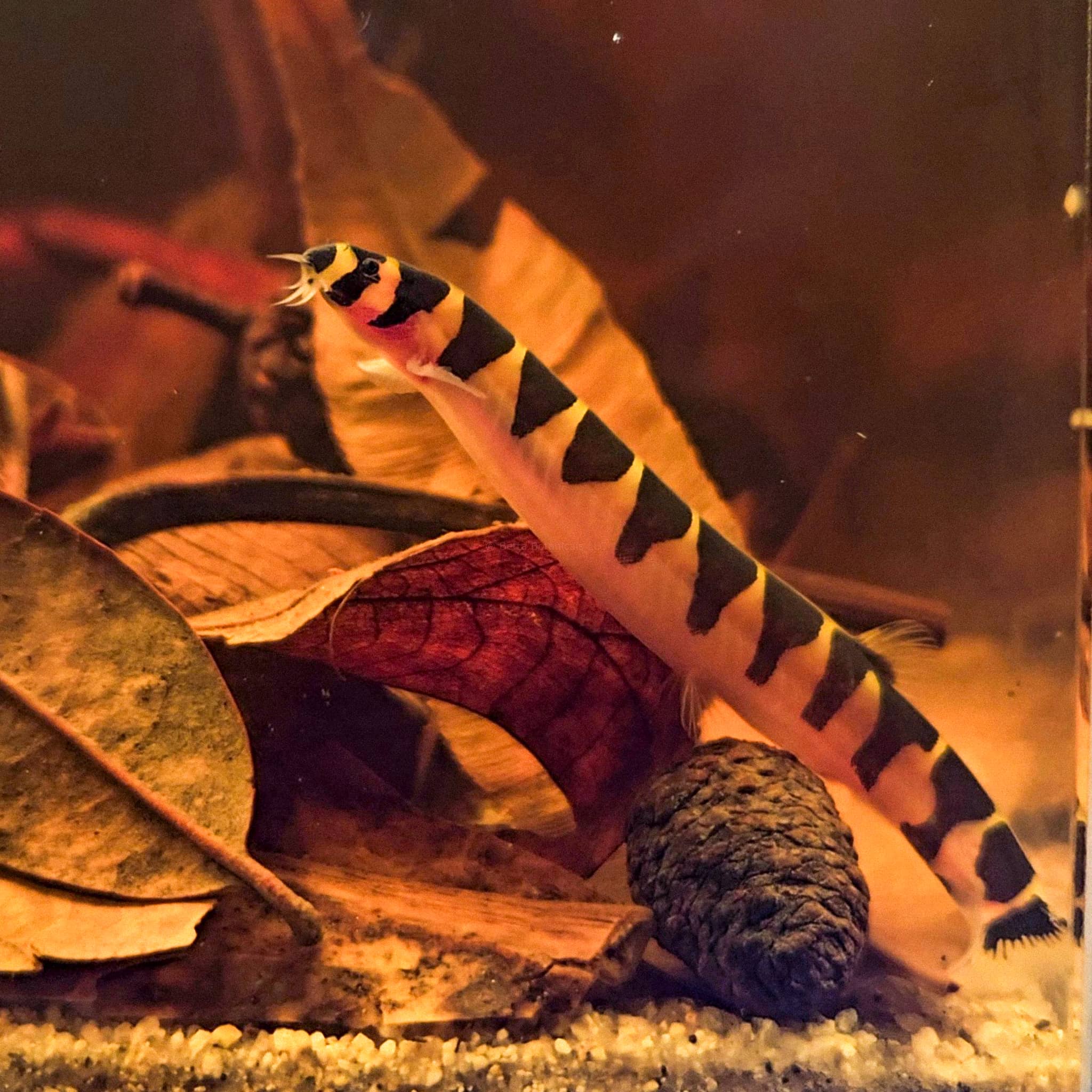
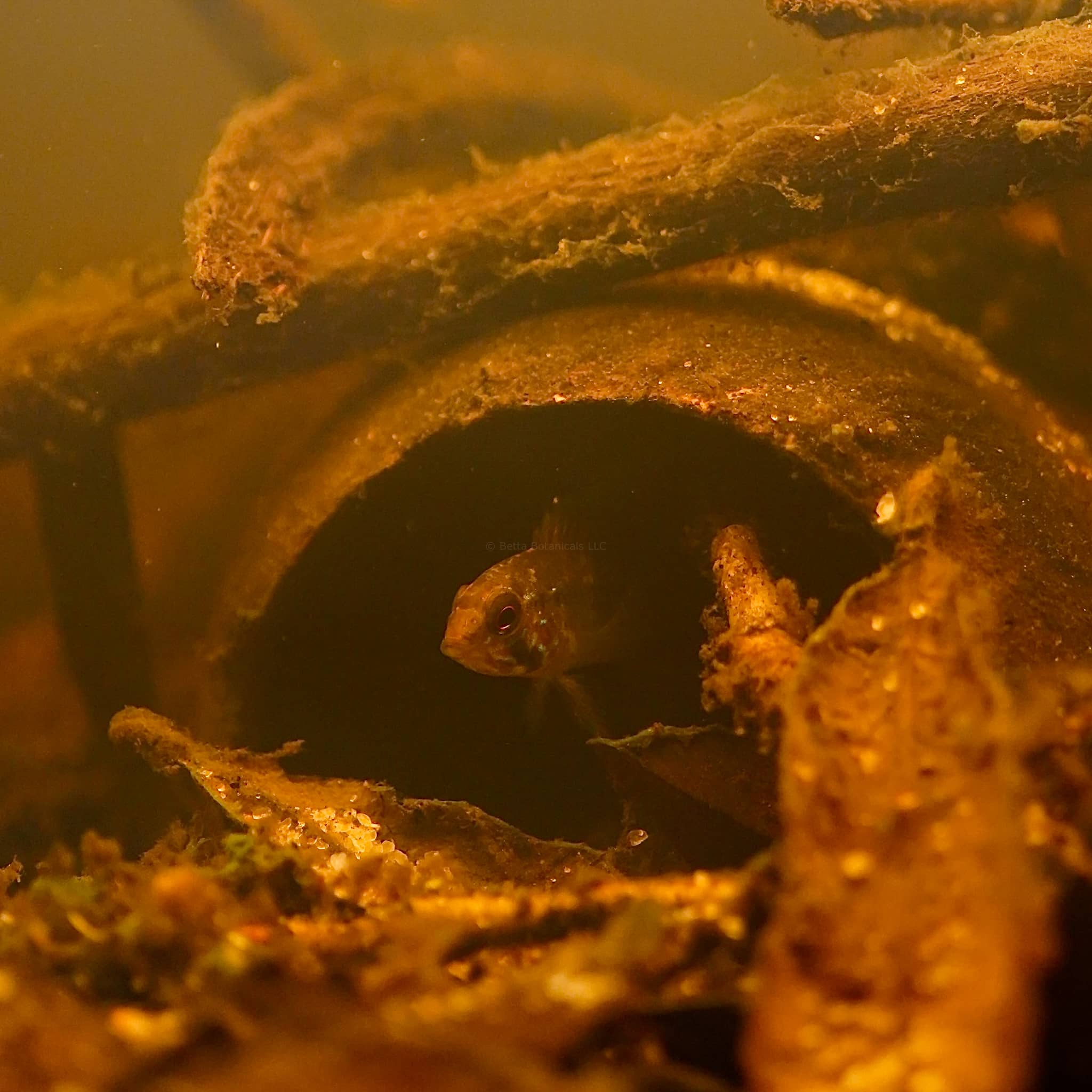
While the aesthetic appeal of botanicals and tinted water can be quite attractive to us, the recreation of nature to emulate water conditions, feeding patterns, spawning displays, and territory building are the true benefits botanicals provide to our critters.
Botanical FAQs
Compostable Packaging Promise
Our packaging is designed to return safely to the Earth, just like the botanicals inside. Every bag is BPA- and Phthalate-free, GMO-free, and contains no animal products. Each meets ASTM D6400 composting standards, ensuring it can fully break down in a home compost bin.
What are the Fluffy White Growths on my Botanicals?
That’s biofilm and fungi—what we call the “goo phase.” It’s one of the clearest signs that your aquarium is alive and functioning. These growths wax and wane naturally as botanicals decompose. They’re harmless, even beneficial, and will disappear on their own once microbial populations stabilize.
Will botanicals lower the pH of my water?
That depends entirely on your source water. In very soft or RODI water, botanicals can gradually lower pH as tannins and humic substances accumulate. In medium to hard tap water, buffering capacity often resists these shifts, and you may not notice much change. At Betta Botanicals HQ, our very hard water (350+ ppm) shows almost no pH change unless we use botanicals like Alder Cones or Macaranga Leaves.
When should I replace leaves or pods in my tank?
We recommend allowing botanicals to fully break down into detritus, since this fuels microbial life and enriches the substrate. You can remove them once they stop tinting the water, but you’ll lose some of their ecological benefits. Each time you add new botanicals, follow proper preparation and observe your livestock until you learn your aquarium’s rhythm.
Are your products just for bettas?
Nope. Our botanicals are safe for almost all aquariums, terrariums, vivariums, and paludariums. The only exceptions are goldfish and axolotls, which may ingest small pods like alder cones or casuarina cones. For those species, we recommend large leaves such as Indian Almond, Loquat, or Jackfruit.
What are Tannins?
Tannins are natural compounds released by leaves, seed pods, and bark as they decompose in water. They soften water, gently lower pH, and create the characteristic tea-stained tint found in blackwater habitats. But their role goes far beyond color—tannins fuel beneficial bacteria, fungi, and biofilms, which form the foundation of a healthy ecosystem. They also offer mild antifungal benefits and help reduce stress in fish by replicating the natural conditions they’ve evolved in. At their core, tannins are plant-derived antioxidants that connect your aquarium to the same processes at work in wild flooded forests and streams.