Texas Live Oak Leaf Litter | Quercus fusiformis
Texas Live Oak Leaf Litter on the Surface:
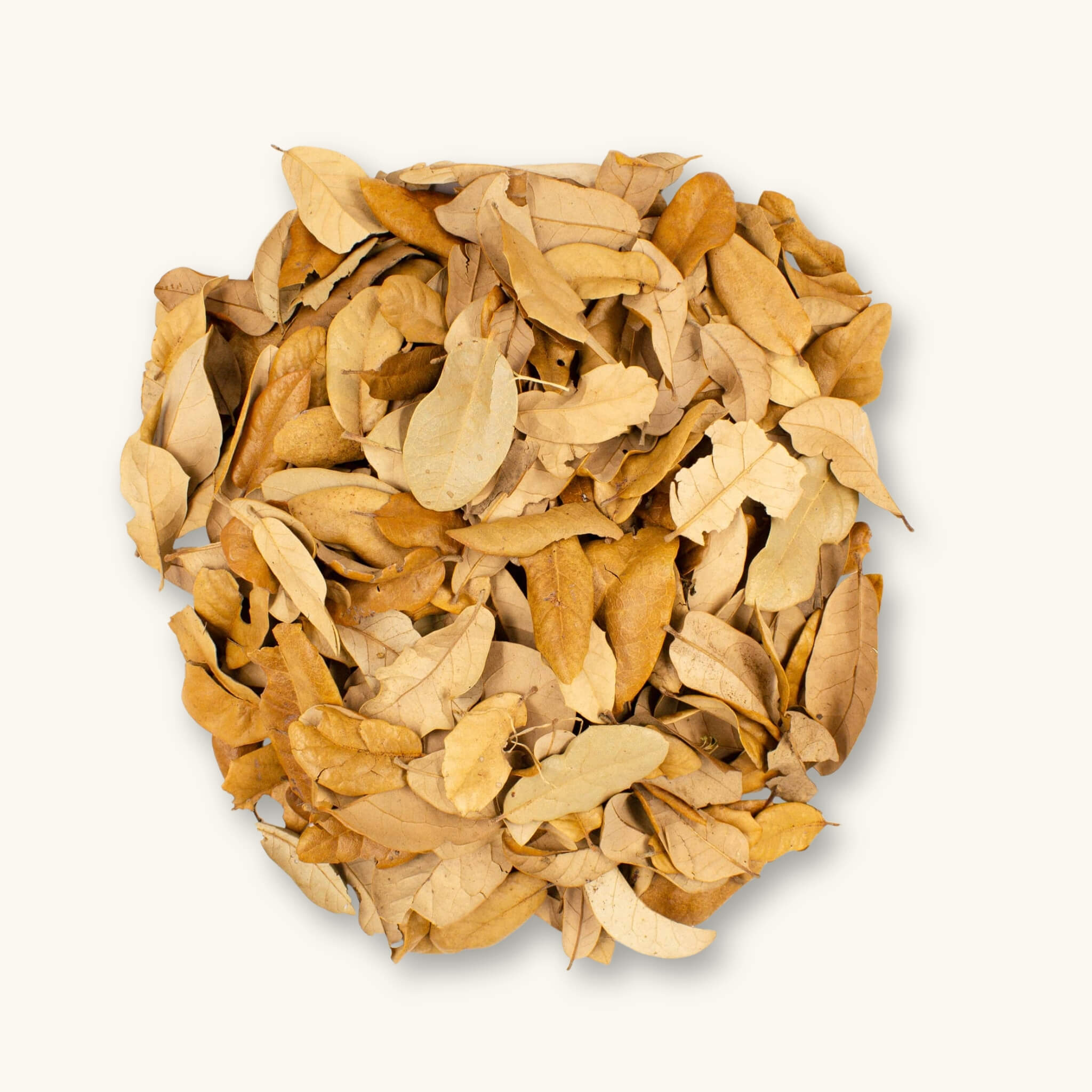
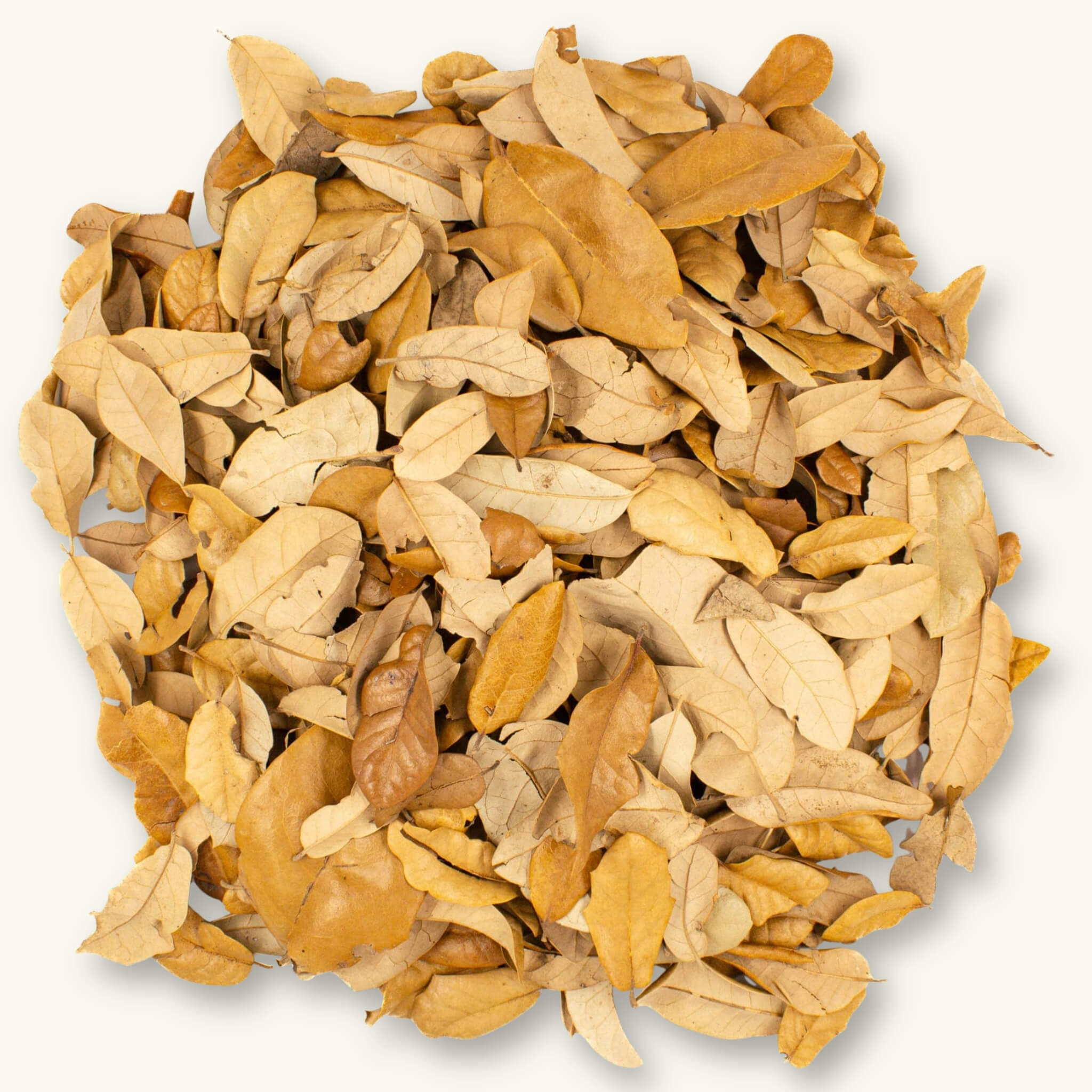
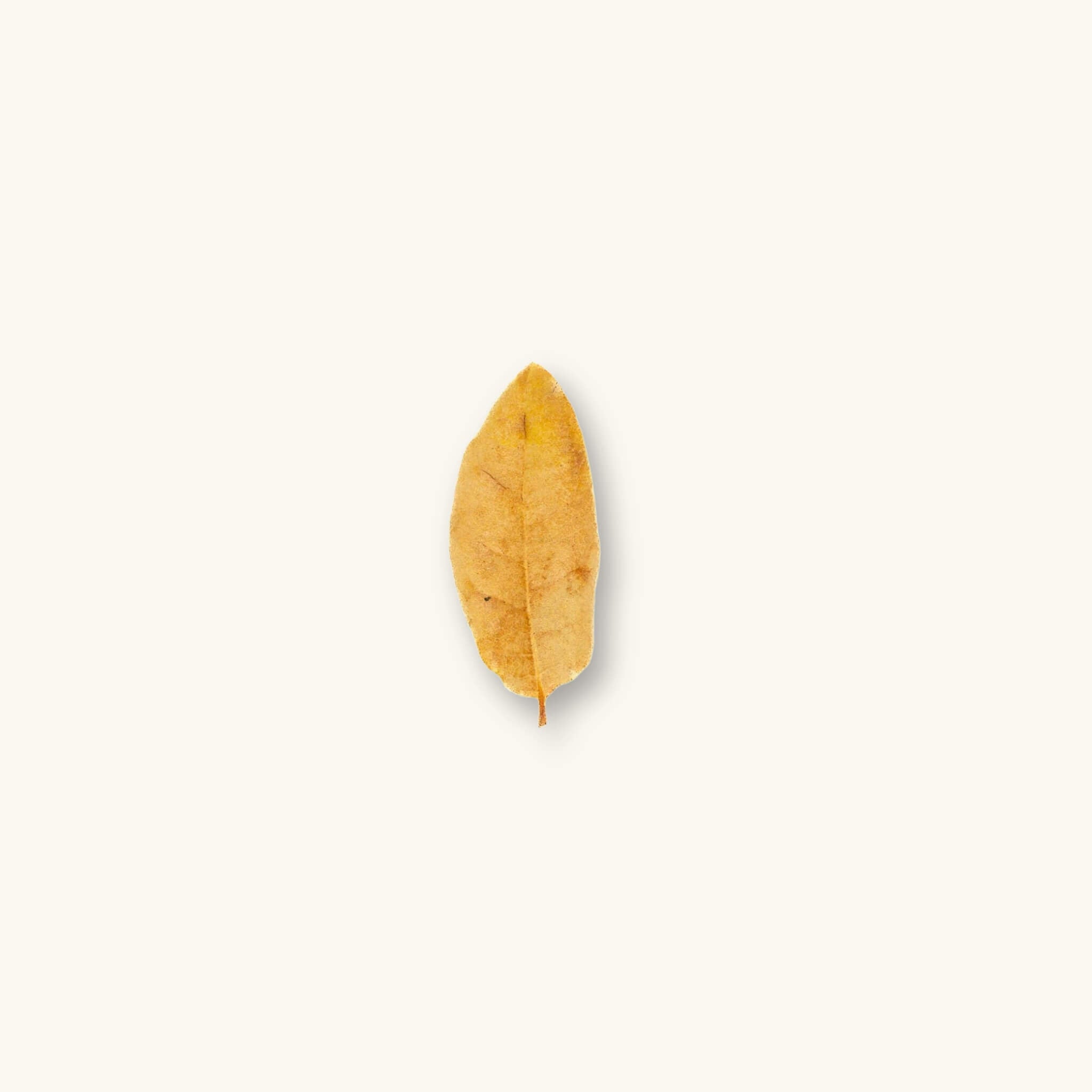
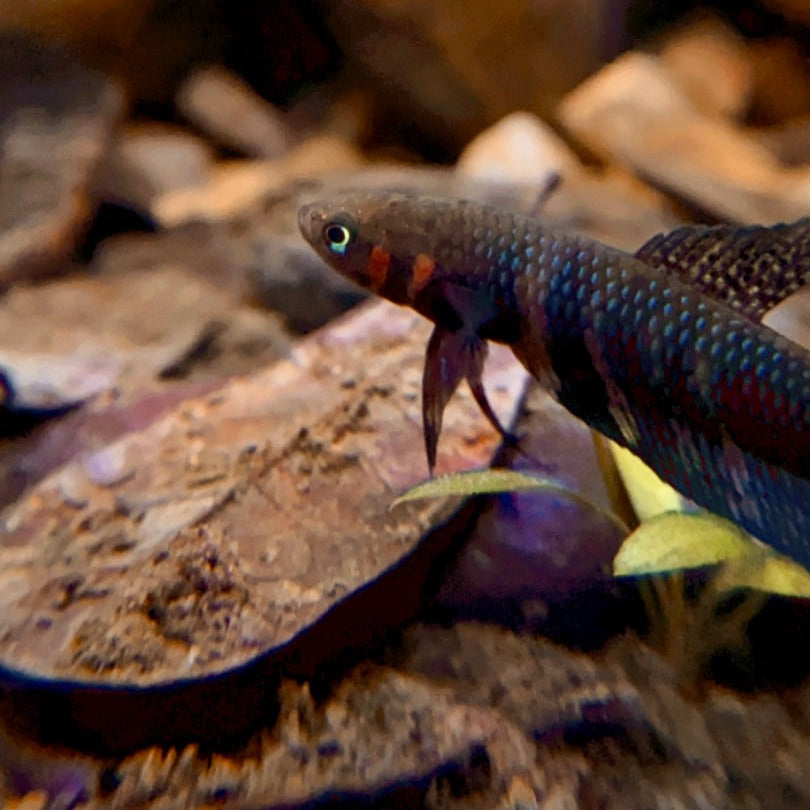
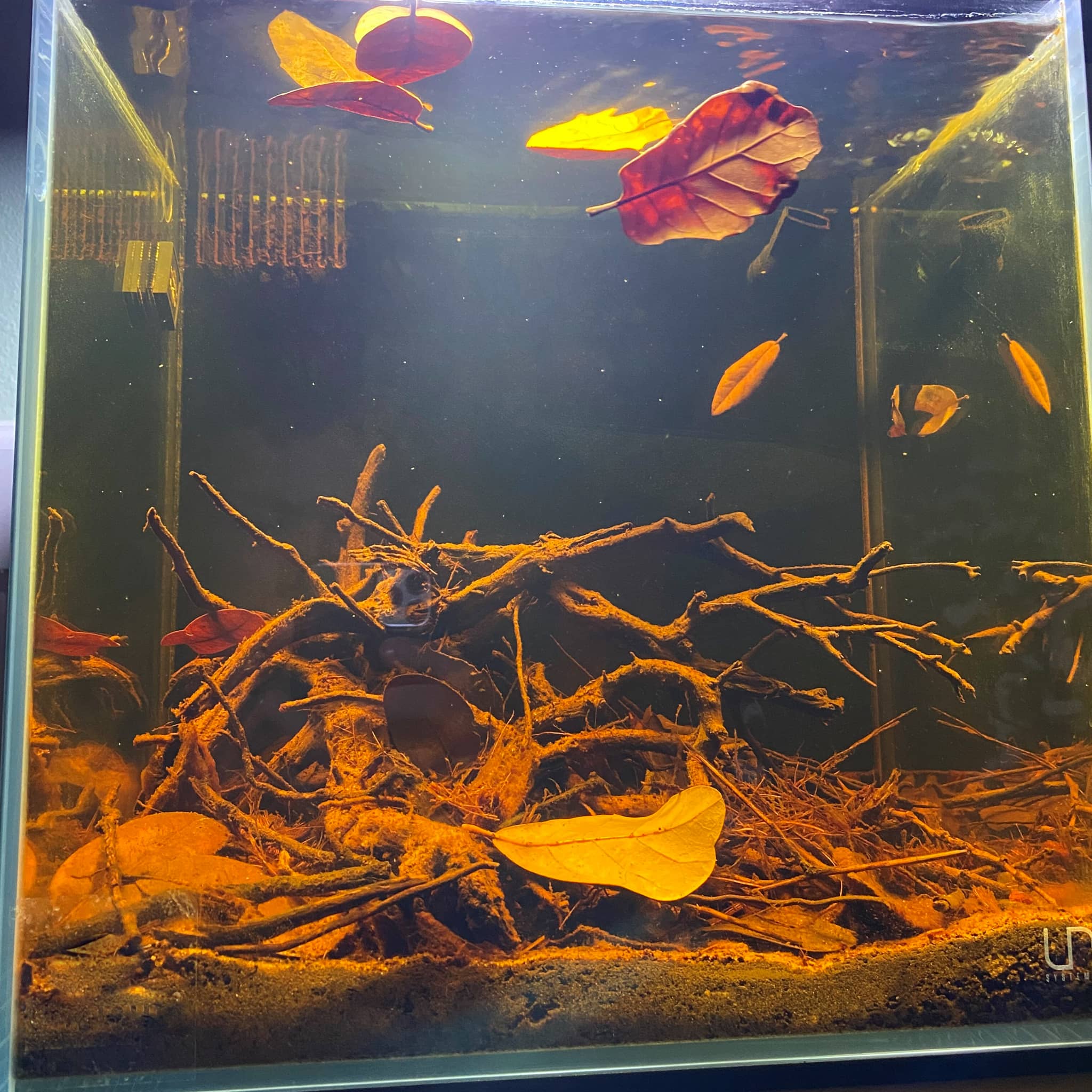
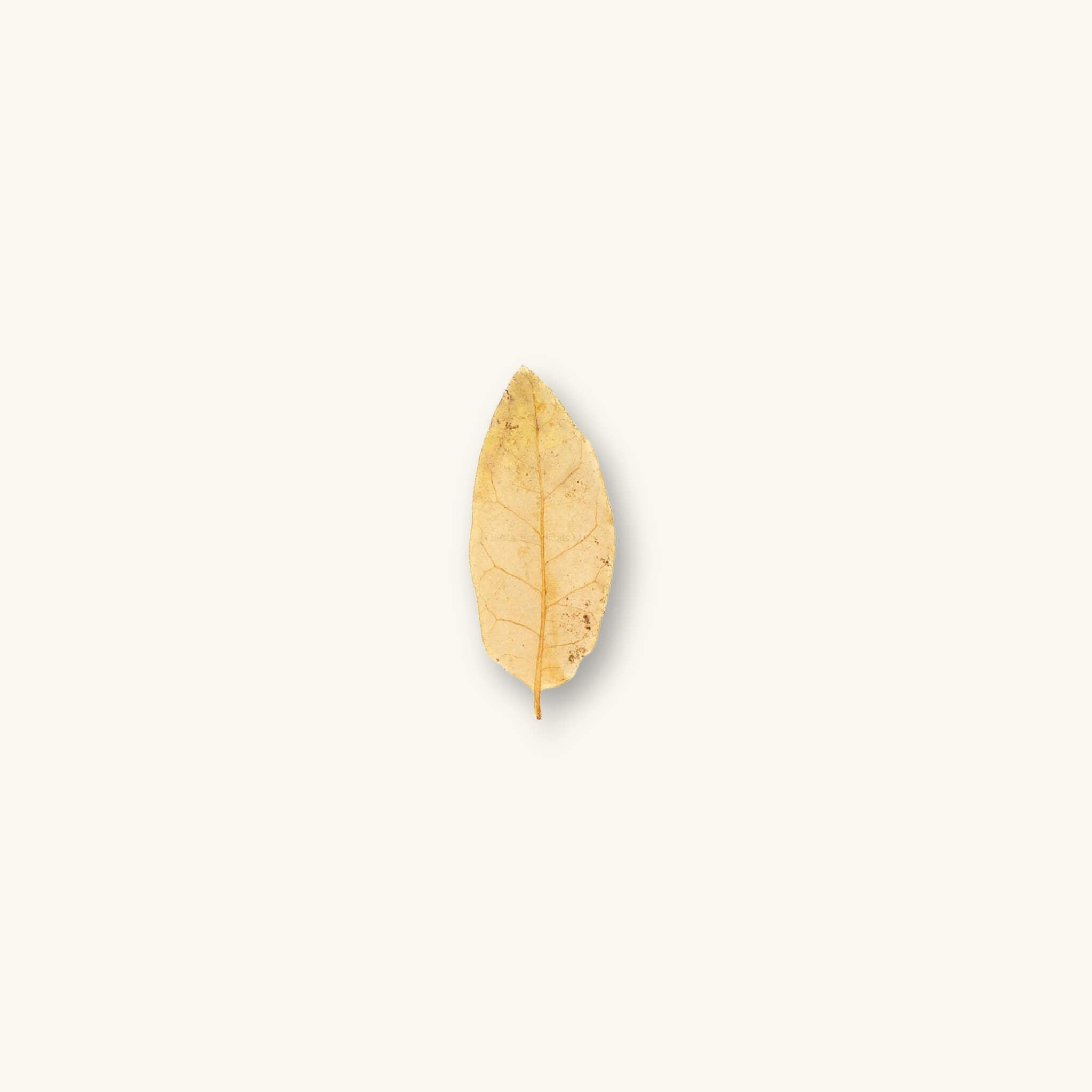
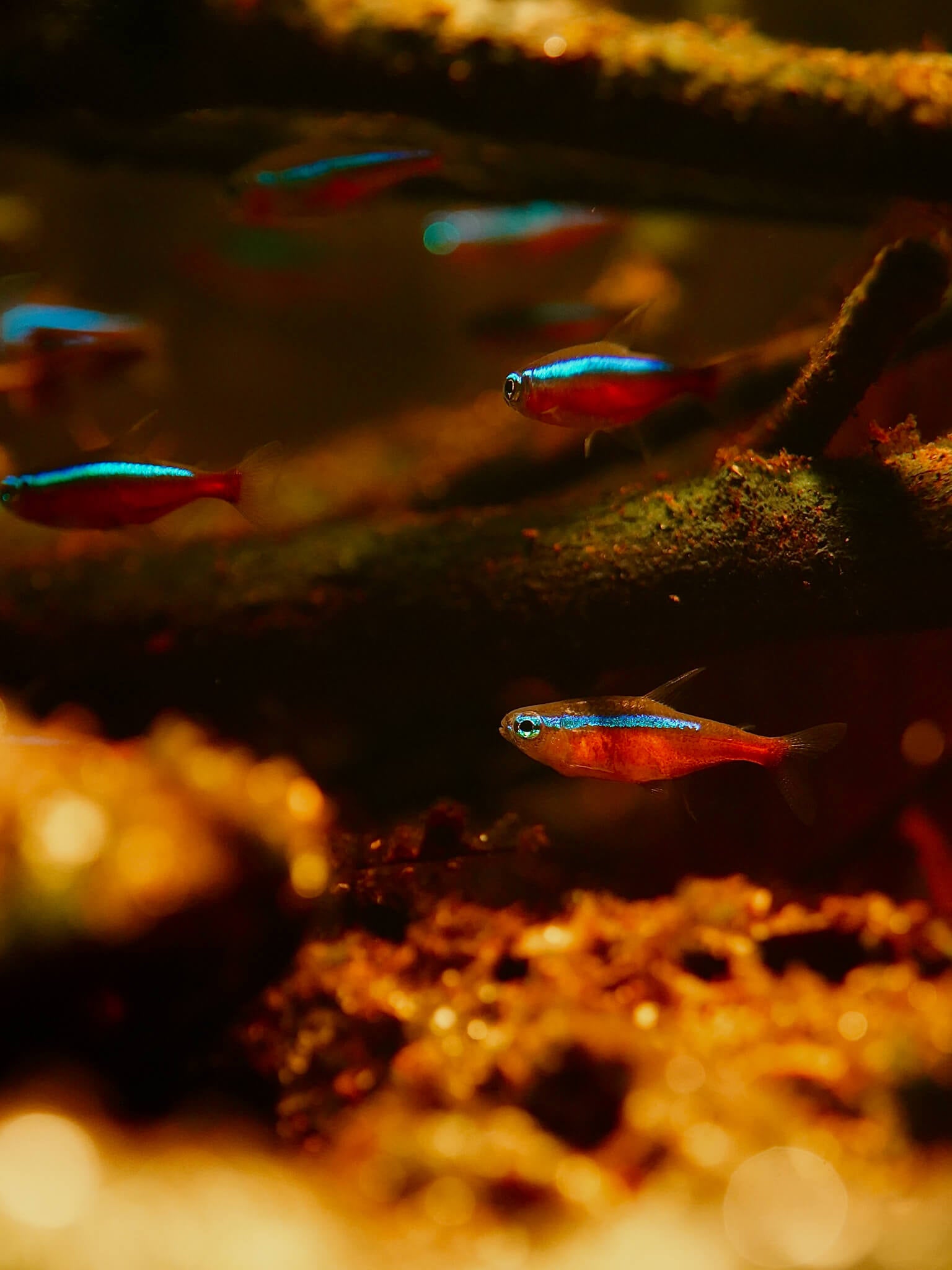
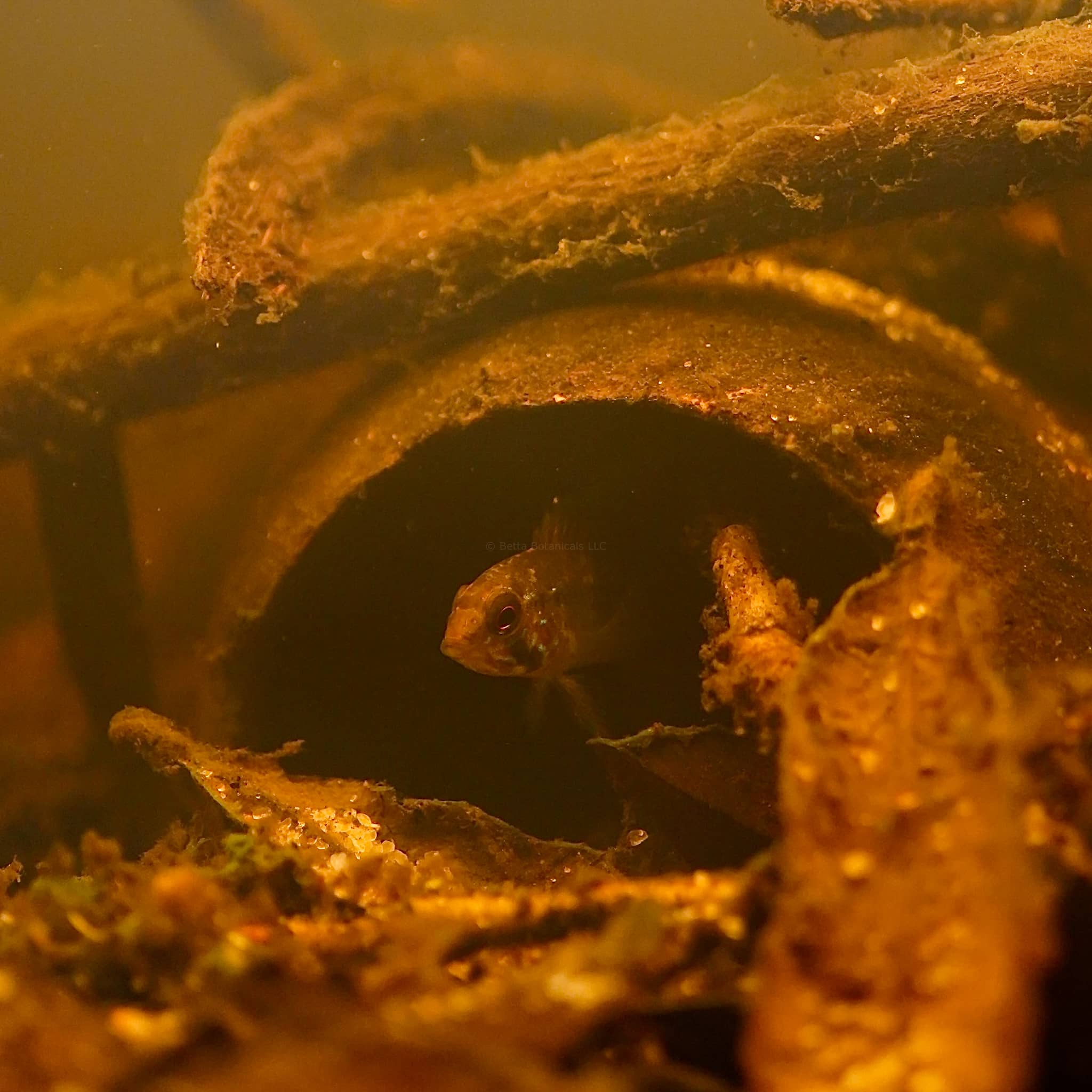
Texas Live Oak leaves (Quercus fusiformis) come from an evergreen oak native to the Southwestern United States and Northern Mexico. These small, durable leaves soften slowly underwater, making them one of the most recognizable and utilized leaf litters for both beginners and experienced aquarists and vivarists. Their shape and slight curvature are ideal for nano fish and shrimp to seek refuge under, and their gradual breakdown, with an abundance of tannins, supports the food web of botanical method, blackwater, and biotope aquariums.
Essential Details
- Tannin Level: High
- Tint Color: Amber
- Durability: Slow to soften; decomposes over several months
- Habitat Location: North America (Texas and the Southwestern United States)
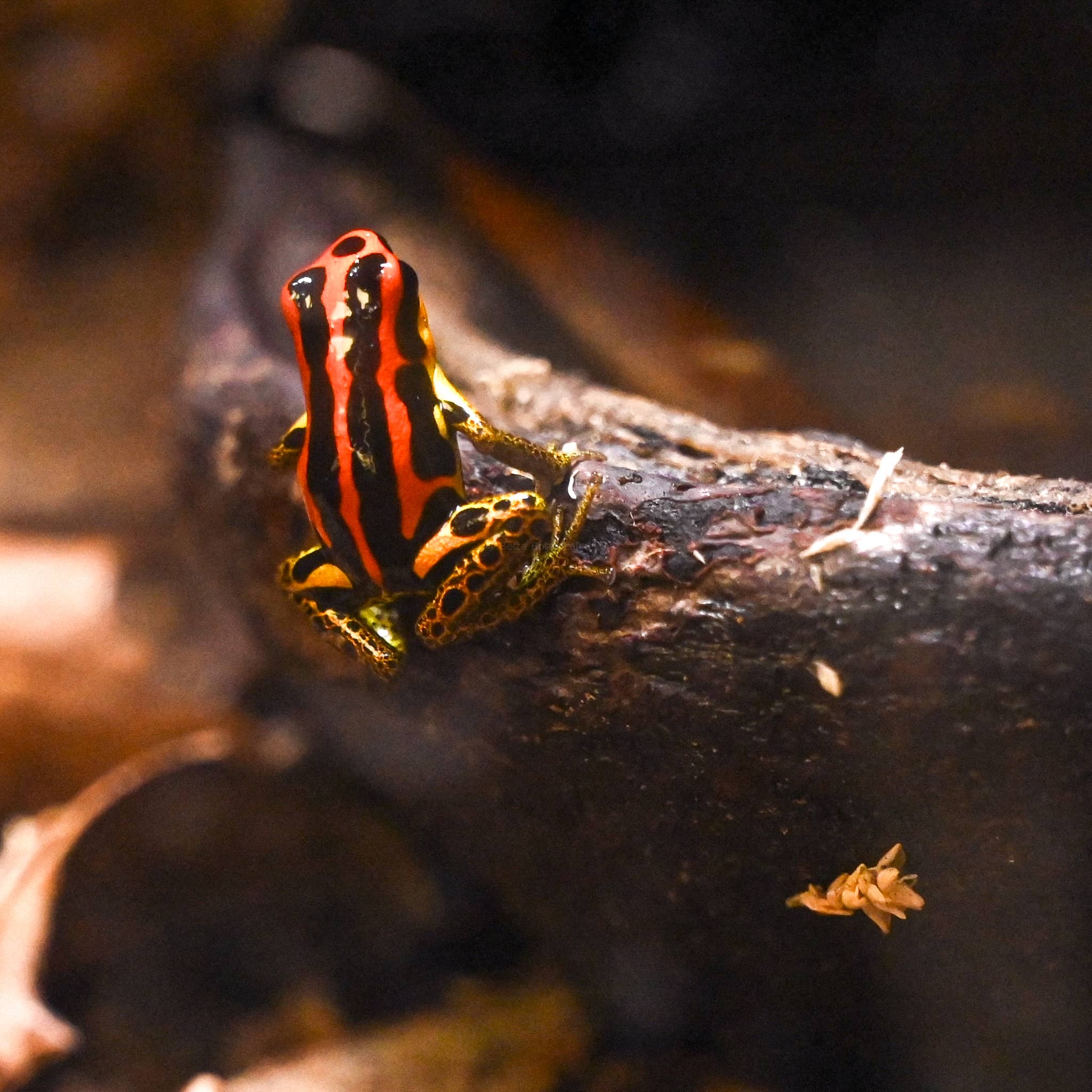
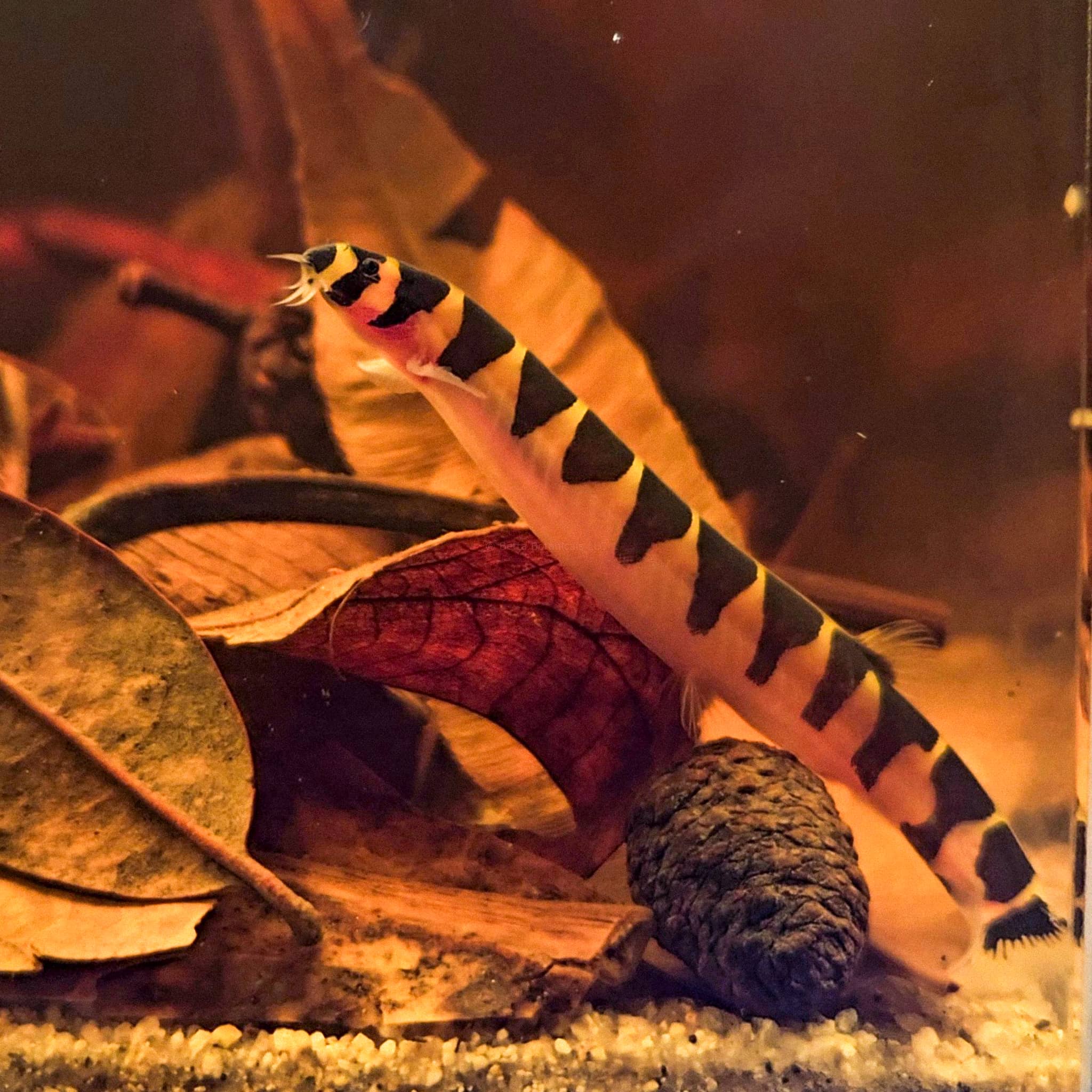
- Optimal For: Bettas, gouramis, livebearers, shrimp, dart frogs, geckos, rasboras, corydoras, and other species
- Use with Caution: Not suitable with Axolotls, poses a choking hazard
- Size Range: Leaf sizes vary widely from 1–4 inches in length and 1–2 inches wide
- Quantities: Offered in 12-oz by volume or 32-oz by volume pouches
Texas Live Oak Leaf Litter for Aquariums & Vivariums
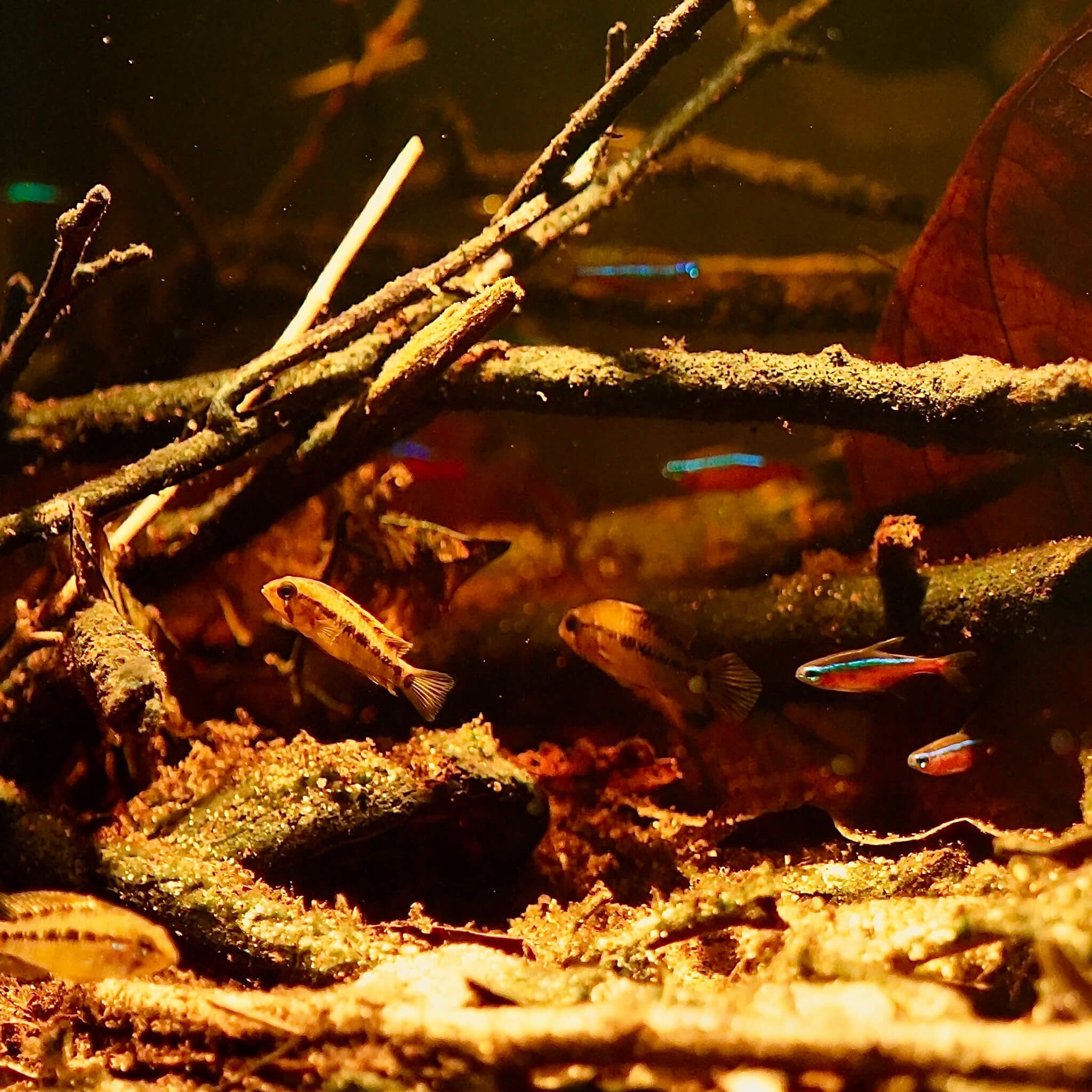
Texas Live Oak leaf litter is one of the most reliable foundations for establishing a stable leaf litter bed within your aquarium or vivarium. Their small size creates natural pockets of structure on the aquarium floor, giving shrimp, nano-fish, and microfauna places to graze and shelter. As the leaves soften, they develop a thin layer of fungi and biofilm that feeds the first level of the food web and provides supplemental nutrition for grazers. This makes Live Oak particularly valuable for newcomers who may be less accustomed to heavy biofilm formation from more nutrient-rich and less durable botanicals.
As decomposition progresses, the leaves settle into a particulate layer of detritus that helps develop the “perpetual substrate” in botanical method aquariums, a key feature of nature we strive to mirror. This gradual transition mirrors the litter beds of oak-dominated woodlands, where older leaves collapse into finer particles that support microbial diversity and nutrient cycling. Their phenolic compounds—including gallic acid, catechins, epicatechin, ellagic acid, and chlorogenic acid—offer natural antioxidants to support the aquatic and terrestrial ecosystem.
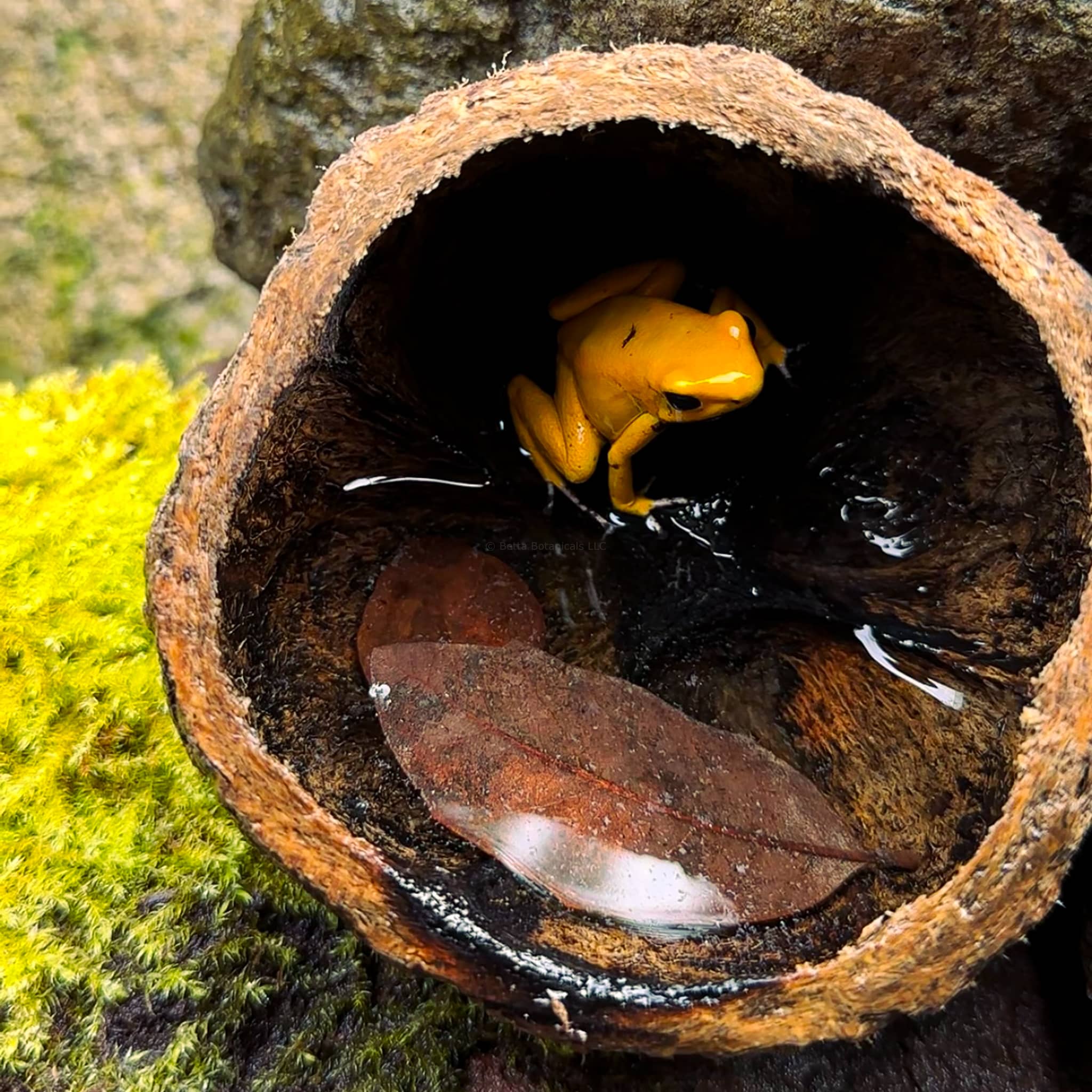
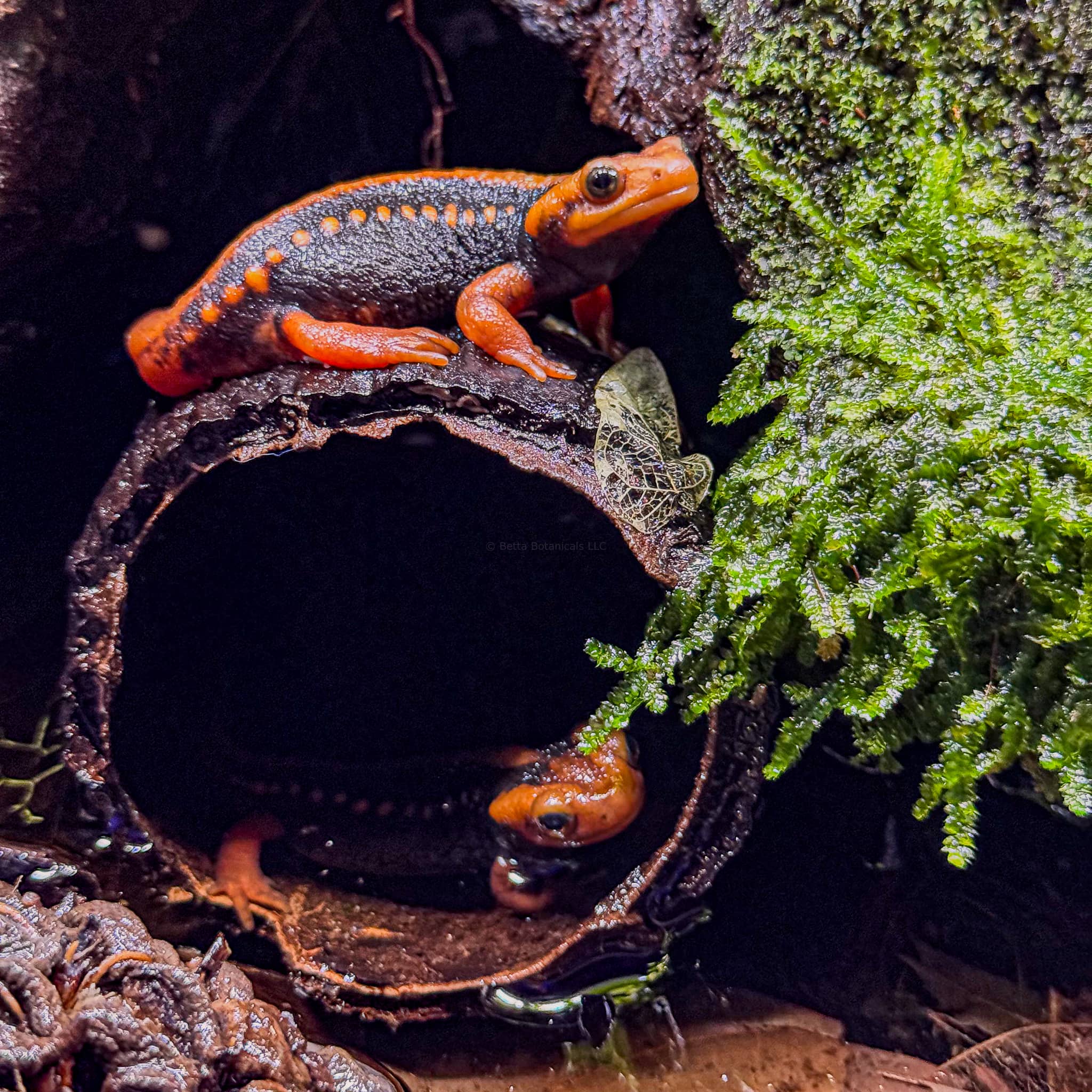
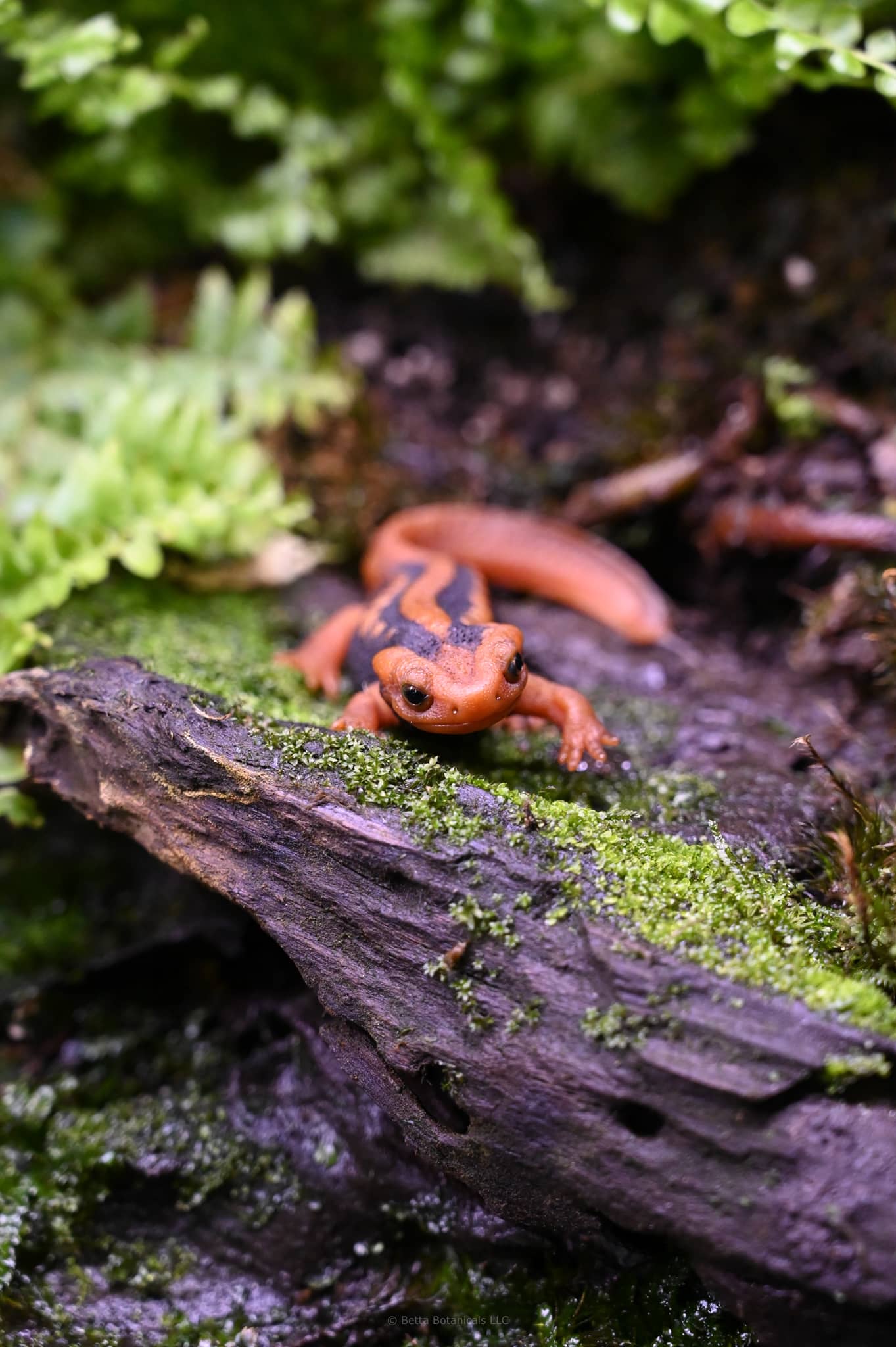
In bioactive enclosures, Texas Live Oak leaf litter is a staple. The leaves hold their structure long enough for isopods, springtails, frogs, and geckos to forage naturally, supporting microfauna populations while slowly returning nutrients to the soil. Their durability makes them a dependable backbone layer beneath faster-cycling leaves, supporting soil composition and humidity on the forest floor.
Beneath the Leaves: Quercus fusiformis in the Wild
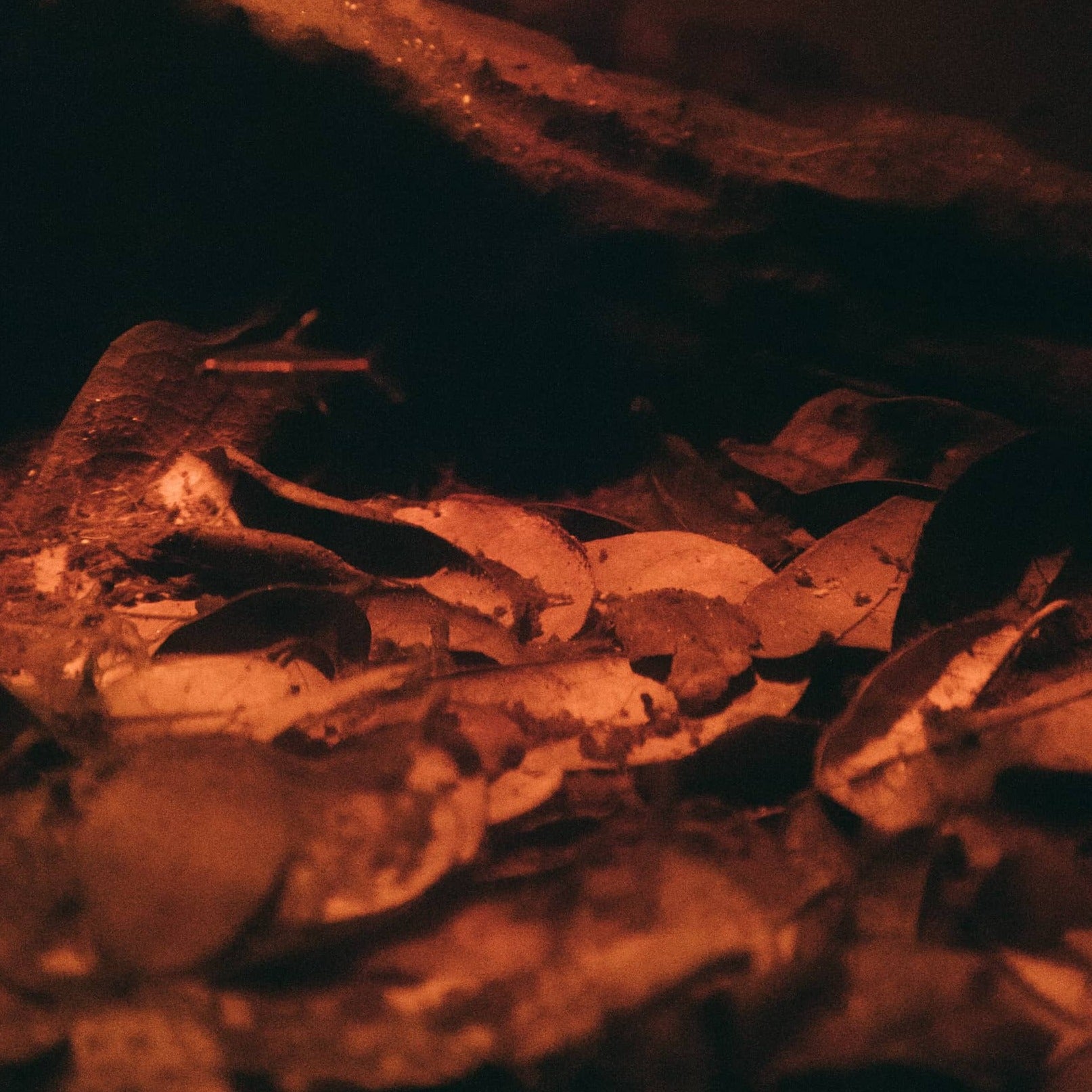
Across the dry limestone hills and plateaus ranging from the U.S. Southwest and northern Mexico, Quercus fusiformis sheds its leaves each winter, returning forest canopy nutrients back to the soils to mulch and feed the ecosystem beneath the trees. Seasonal rains wash them into drainage channels, where they accumulate in mats beneath twisted branches. Insects, fungi, and invertebrates pull these leaves apart from the edges inward, creating the slow-moving cycle of decay that feeds the woodland and aquatic substrate ecology. We strive to mirror this process within our aquariums, letting the leaves soften, settle, and decompose—letting Mother Nature guide the ecosystem forward through her familiar rhythms.
Sustainability Note:
This product’s packaging is home compostable.
Just like the botanicals inside, it will break down naturally and return to the soil — because what supports your ecosystem should minimally impact our planet.
Not for human consumption. Preparation required.
This is a natural product — variation in color, shape, and texture is expected.
Texas Live Oak Leaf Litter | Quercus fusiformis
Home is getting more natural
While the aesthetic appeal of botanicals and tinted water can be quite attractive to us, the recreation of nature to emulate water conditions, feeding patterns, spawning displays, and territory building are the true benefits botanicals provide to our critters.
Botanical FAQs
Compostable Packaging Promise
Our packaging is designed to return safely to the Earth, just like the botanicals inside. Every bag is BPA- and Phthalate-free, GMO-free, and contains no animal products. Each meets ASTM D6400 composting standards, ensuring it can fully break down in a home compost bin.
What are the Fluffy White Growths on my Botanicals?
That’s biofilm and fungi—what we call the “goo phase.” It’s one of the clearest signs that your aquarium is alive and functioning. These growths wax and wane naturally as botanicals decompose. They’re harmless, even beneficial, and will disappear on their own once microbial populations stabilize.
Will botanicals lower the pH of my water?
That depends entirely on your source water. In very soft or RODI water, botanicals can gradually lower pH as tannins and humic substances accumulate. In medium to hard tap water, buffering capacity often resists these shifts, and you may not notice much change. At Betta Botanicals HQ, our very hard water (350+ ppm) shows almost no pH change unless we use botanicals like Alder Cones or Macaranga Leaves.
When should I replace leaves or pods in my tank?
We recommend allowing botanicals to fully break down into detritus, since this fuels microbial life and enriches the substrate. You can remove them once they stop tinting the water, but you’ll lose some of their ecological benefits. Each time you add new botanicals, follow proper preparation and observe your livestock until you learn your aquarium’s rhythm.
Are your products just for bettas?
Nope. Our botanicals are safe for almost all aquariums, terrariums, vivariums, and paludariums. The only exceptions are goldfish and axolotls, which may ingest small pods like alder cones or casuarina cones. For those species, we recommend large leaves such as Indian Almond, Loquat, or Jackfruit.
What are Tannins?
Tannins are natural compounds released by leaves, seed pods, and bark as they decompose in water. They soften water, gently lower pH, and create the characteristic tea-stained tint found in blackwater habitats. But their role goes far beyond color—tannins fuel beneficial bacteria, fungi, and biofilms, which form the foundation of a healthy ecosystem. They also offer mild antifungal benefits and help reduce stress in fish by replicating the natural conditions they’ve evolved in. At their core, tannins are plant-derived antioxidants that connect your aquarium to the same processes at work in wild flooded forests and streams.