





Rotala Green | Rotala rotundifolia 'green'
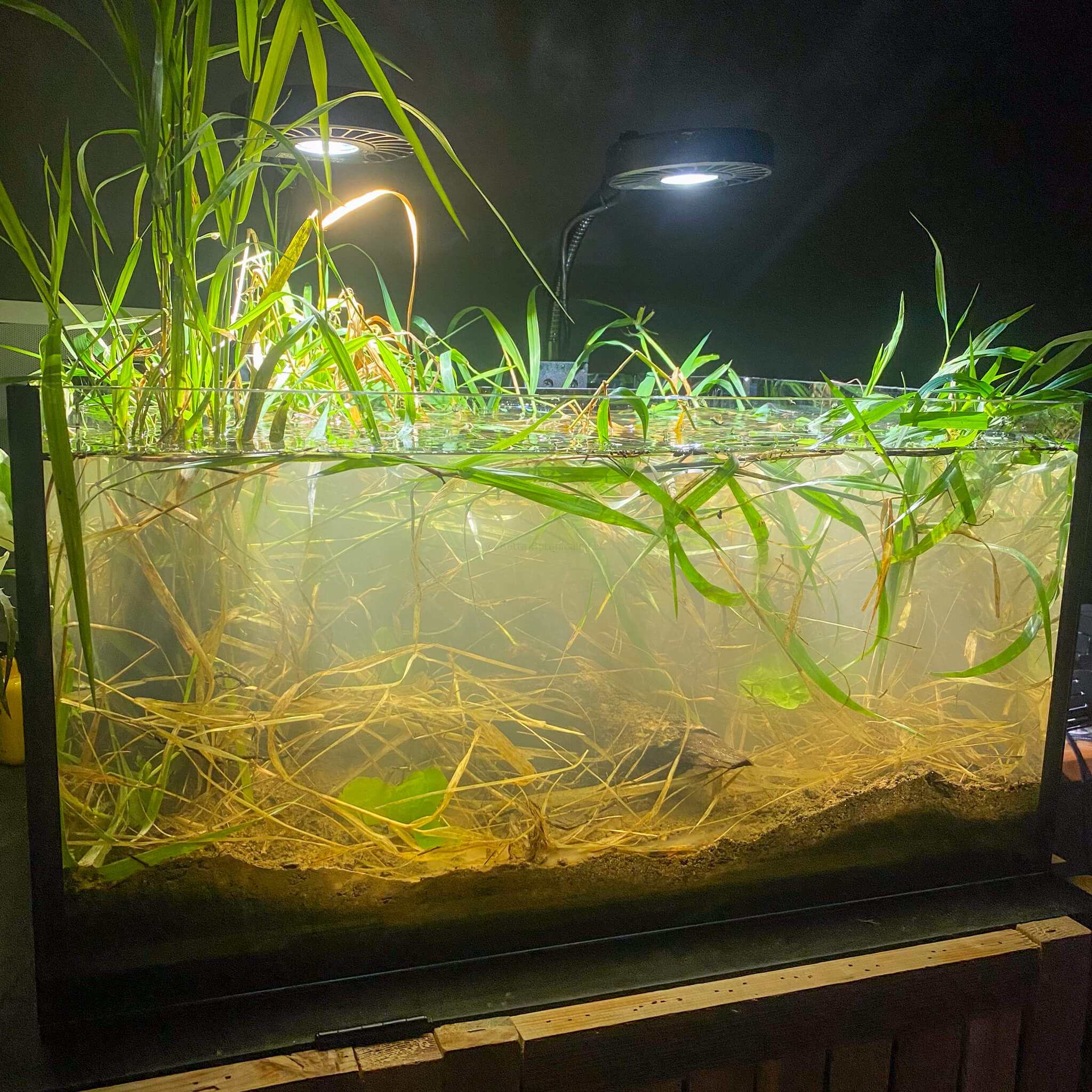
Rotala Green on the Surface:
Rotala Green (Rotala rotundifolia 'Green'), also called roundleaf toothcup, is an easy-to-grow, fast-growing stem plant to assist in excess nutrient absorption in the Botanical Method Aquarium. The species is native to marshes, swamps, and shallow ponds with a wide range of water parameters from India to Japan, and grows as a weed in rice fields throughout Asia. In the Botanical Method, blackwater, and biotope aquarium, its stems provide habitat and refuge for shrimp, betta fish, rasboras, and small tetras.
Essential Details
- Care Level: Easy
- Growth Habit: Fast, upright stem growth, can grow emergent out of the aquarium
- Light: Low to High
- CO2: Not Necessary
- Propagation: Trim tops and replant cuttings of at least 4 inches
- Tint Tolerance: Low to High
- Habitat Location: Marshes, swamps, shallow ponds, and rice fields of South and Southeast Asia, from India to Japan
- Shipping Restrictions: Not legal to ship to Louisiana
- Optimal For: Betta fish, shrimp, rasboras, and small tetras in blackwater and biotope aquariums
- Use with Caution: Rinse before introducing; may carry beneficial hitchhiking snails, snail eggs, or duckweed
- Size Range: Stems grow to many heights, optimal light ensures bushy growth from the substrate to the tip.
- Quantities: Sold as a bunch of 5-6 stems
Rotala Green for Planted Aquariums & Blackwater Biotopes
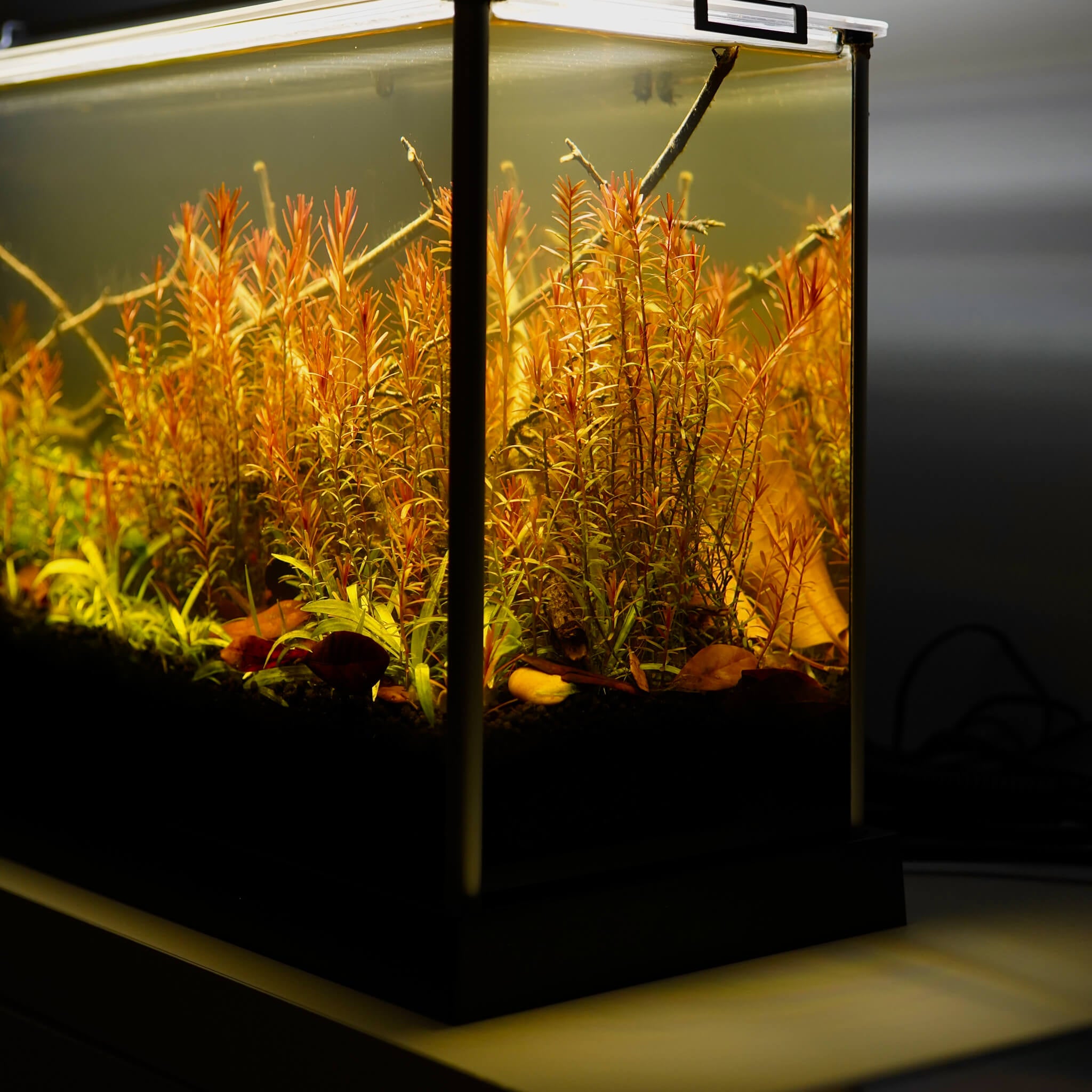
Rotala Green's paired leaves and closely spaced stems provide surface area for biofilm to form, providing a grazing resource for shrimp. A group of stems planted together can help fill in the water column, providing vertical hiding places and foraging opportunities within the aquarium. Betta fish, rasboras, and small tetras use this cover to rest and shelter.
The amount of tint in your aquarium will dictate how much light reaches the stems, and light intensity is important for influencing how fast Rotala Green grows. The plant tolerates low to high tint, with growth slowing as deeper tint filters more light from the water column. In a heavily tinted Botanical Method Aquarium, we like to plant it where the light is strongest and trim the tops regularly so light reaches the lower leaves.
Each trimmed top can be replanted as a new stem, rooting and branching from its nodes. In inert sand, root tabs placed beneath the stems provide the nutrients its roots take up. Thin the stand as it grows, compost the surplus trimmings, and never release aquarium plants into local waterways.
Beneath the Leaves: Rotala rotundifolia in the Wild
Rotala rotundifolia is native to South and Southeast Asia, from India to Japan, where it grows in marshes, swamps, and shallow ponds and as a weed of rice fields. Its leaves change shape with the water around it. Submersed stems carry narrow, lance-shaped leaves. Stems that reach above the surface carry small, round leaves and clusters of pink flowers.
Outside its native range, the plant spreads by seed and by floating stem fragments, and it has naturalized in South Florida drainage ditches. The U.S. Fish and Wildlife Service rates it a high-risk species based on its effects on Florida waterways and flood control canals. Louisiana regulates the species, and we are unable to ship it to that state as a result.
Where a botanical contributes as it breaks down, an aquatic plant is living and contributes as it grows. So let them grow. Mother Nature leads the way.
Sustainability Note:
Please select a heat/cold pack if necessary. Check your local weather before ordering to avoid any shipment holds or cancellations. Rotala rotundifolia cannot legally be shipped to Louisiana; if included in an order to that state, it will be removed before shipment. All Plants may contain snails or snail eggs. We keep them in all of our aquariums for the benefits they provide. Our blackwater aquarium plants are provided in cooperation with PNW Bettas in adherence to their Shipping and DOA Policies. Your curated selection will arrive in their packaging separate from your botanical, wood & merch orders.
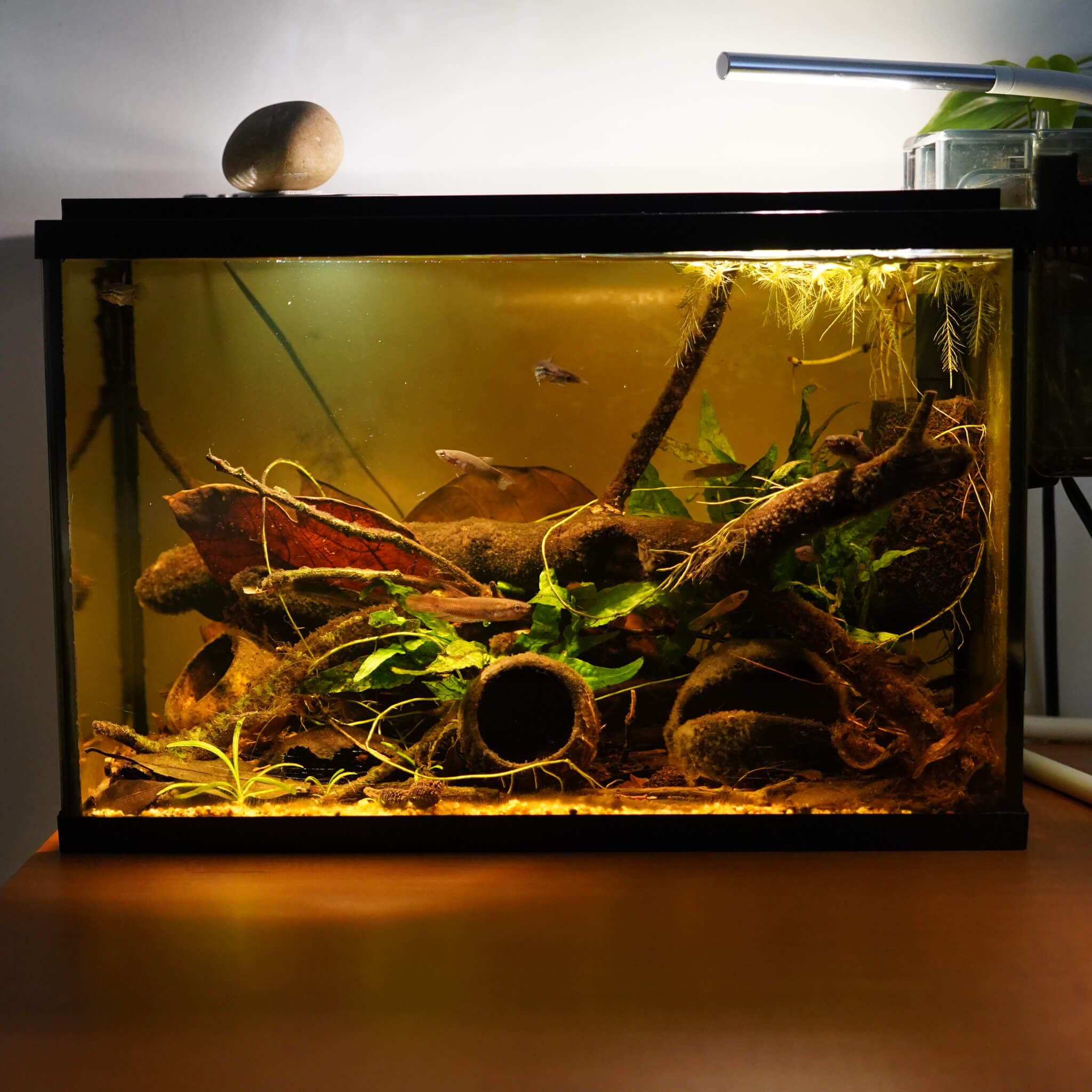
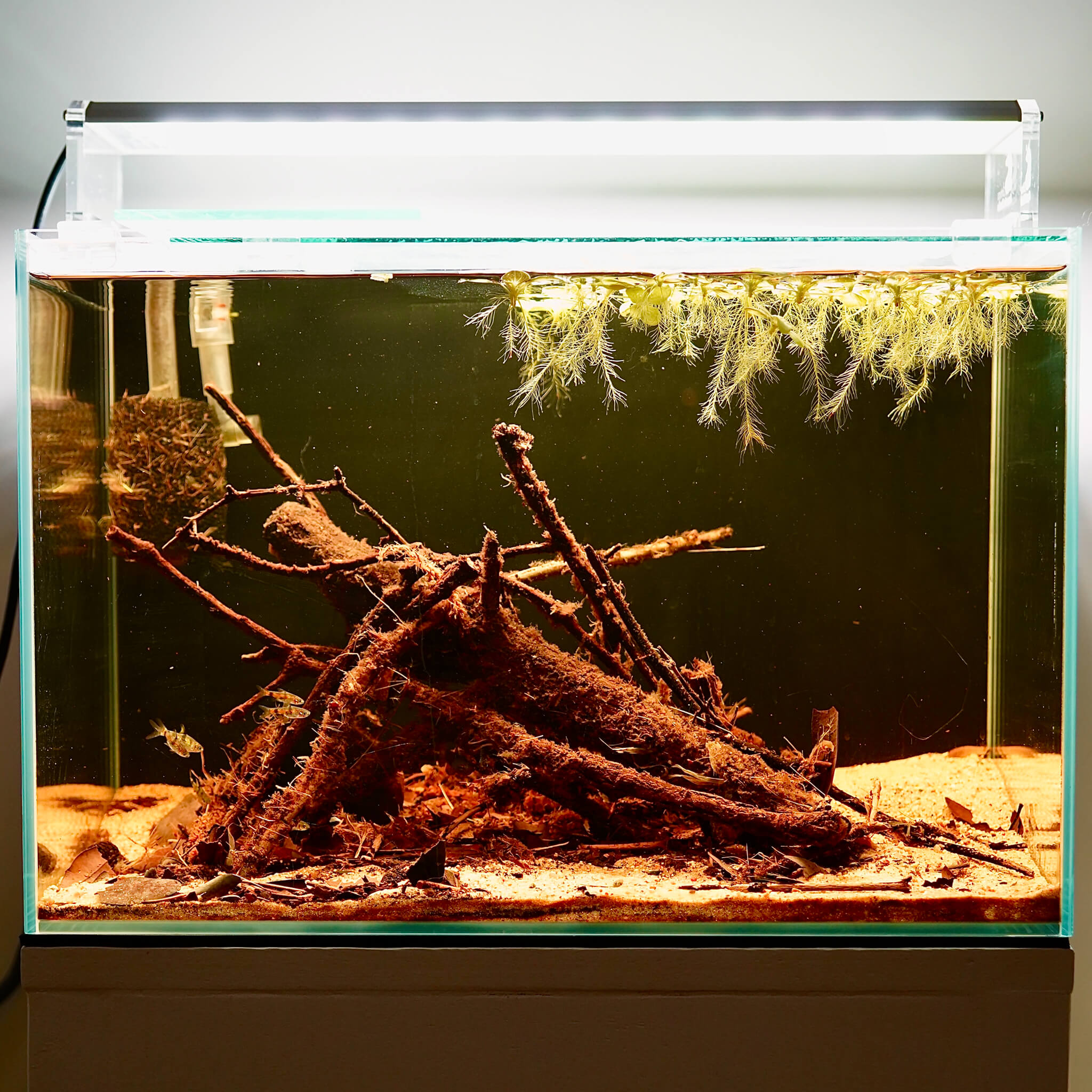
contrast the tint with greenery
While the aesthetic appeal of tinted waters can be quite attractive to us, the recreation of nature—which includes both submerged and emersed plants—is the end goal. Flora helps to improve water conditions, feeding patterns, spawning displays, and territory building.
Aquatic Plant FAQs
DOA Policy
Please ensure that you add a heat pack or cold pack to your orders if temperatures in your area are above 90°F or below 40°F. Click for more info on our DOA Policy.
Are these plants duckweed and snail free?
All Plants may contain snails or snail eggs, small macroinvertebrates, and duckweed. We keep them in all of our tanks for the benefits they provide. We have experienced the presence of small snails, ostracods, daphnia, and beneficial detritus worms.
Are your plants only for tinted water conditions?
Nope! All of our plants will grow perfectly in untinted aquariums that have CO2 and aquasoils, or low-tech planted aquariums. Our selection, though, is optimized for emersed plant growth and low- to medium-tinted water environments.
What is your aquatic plant shipping schedule?
To ensure our aquatic plants ship under the best conditions, we are currently shipping our aquatic plants on Mondays. Please have your orders placed by 11:59 pm on Sundays. Aquatic plants usually arrive within 1-4 business days
How are your plants packaged?
All of our aquatic plants are shipped in sealed bags or cups, inside insulated mailers. Void fill is used to ensure plants stay secure during transit to your ecosystem. Heat & Cold Packs are available for purchase.
Are your plants just for bettas?
Nope! Our aquatic plants are safe for almost all aquariums, terrariums, vivariums, and paludariums. Many of our plants can be grown emersed in filter compartments, vivariums, or incorporated into wabikua.
What are Tannins?
Tannins are natural compounds released by leaves, seed pods, and bark as they decompose in water. They soften water, gently lower pH, and create the characteristic tea-stained tint found in blackwater habitats. But their role goes far beyond color—tannins fuel beneficial bacteria, fungi, and biofilms, which form the foundation of a healthy ecosystem. They also offer mild antifungal benefits and help reduce stress in fish by replicating the natural conditions they’ve evolved in. At their core, tannins are plant-derived antioxidants that connect your aquarium to the same processes at work in wild flooded forests and streams.