


June 2026 PRIDE PACK | Botanical Variety Pack Fundraiser for Trevor
2026 PRIDE PACK in Support of Trevor
Our 2025 Variety Pack has sold out, and thanks to your support, a $500 Donation is going to TREVOR. Don't miss our 2026 pack, sign up for the back-in-stock notification! To date, we have donated thousands to TREVOR through this fundraiser, which would not be possible without you building your ecosystem.
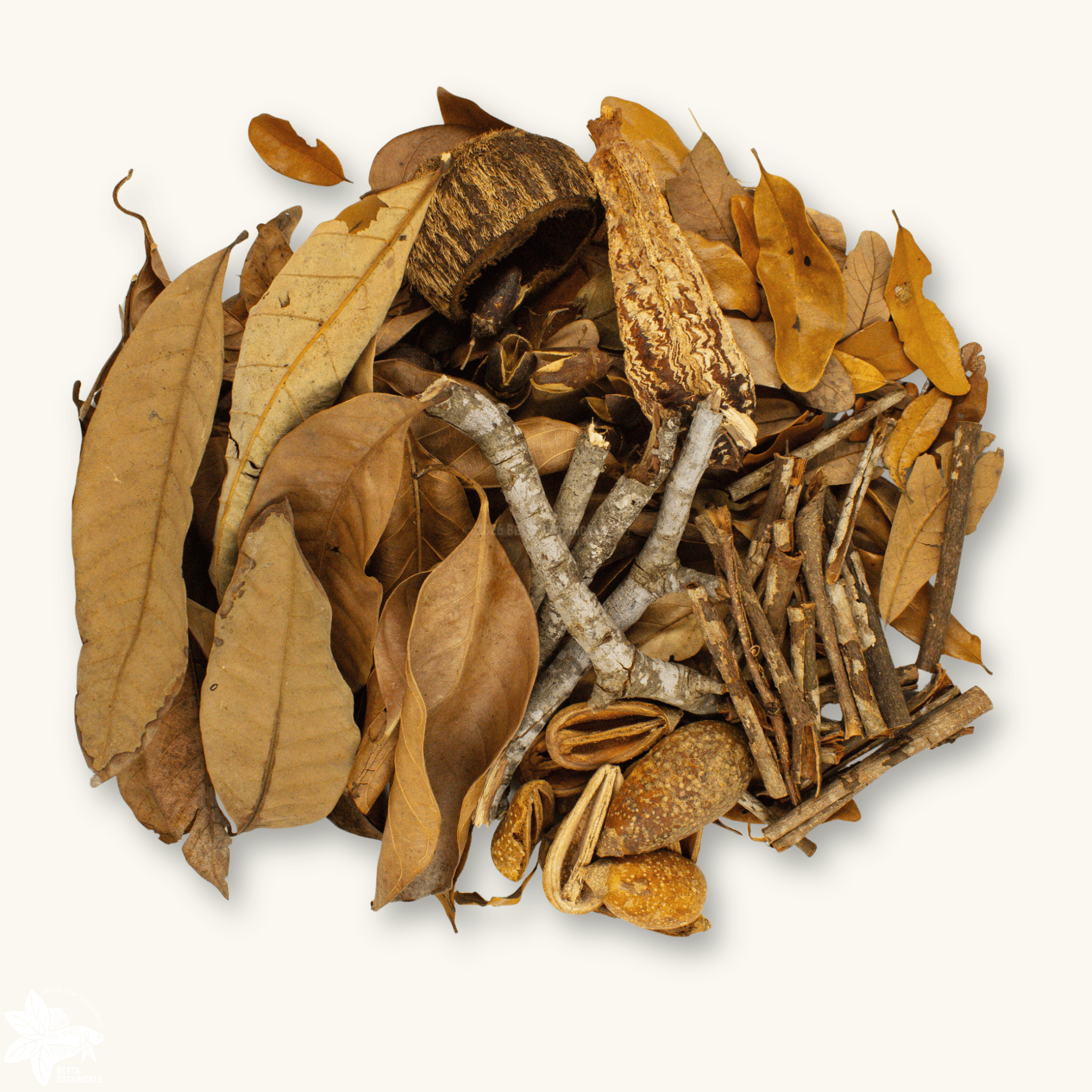
Our 2026 Pride Pack is a curated botanical variety pack containing nine botanicals sourced from tropical forests and coastal habitats across Southeast Asia, Central America, and the American South. Every building block for a botanical method aquarium is represented: leaf litter, bark, wood, and seed pods. A percentage of every purchase is donated directly to The Trevor Project, the world's largest suicide prevention and crisis intervention organization for LGBTQ+ youth.
This pack is available during Pride Month only. When it is gone, it is gone.
Essential Details
- Tannin Level: High
- Tint Color: Deep amber to brown
- Durability: Varies by botanical. Leaves break down in weeks, bark and pods persist for months to over a year
- Habitat Location: Southeast Asia, Central America, South America, North America
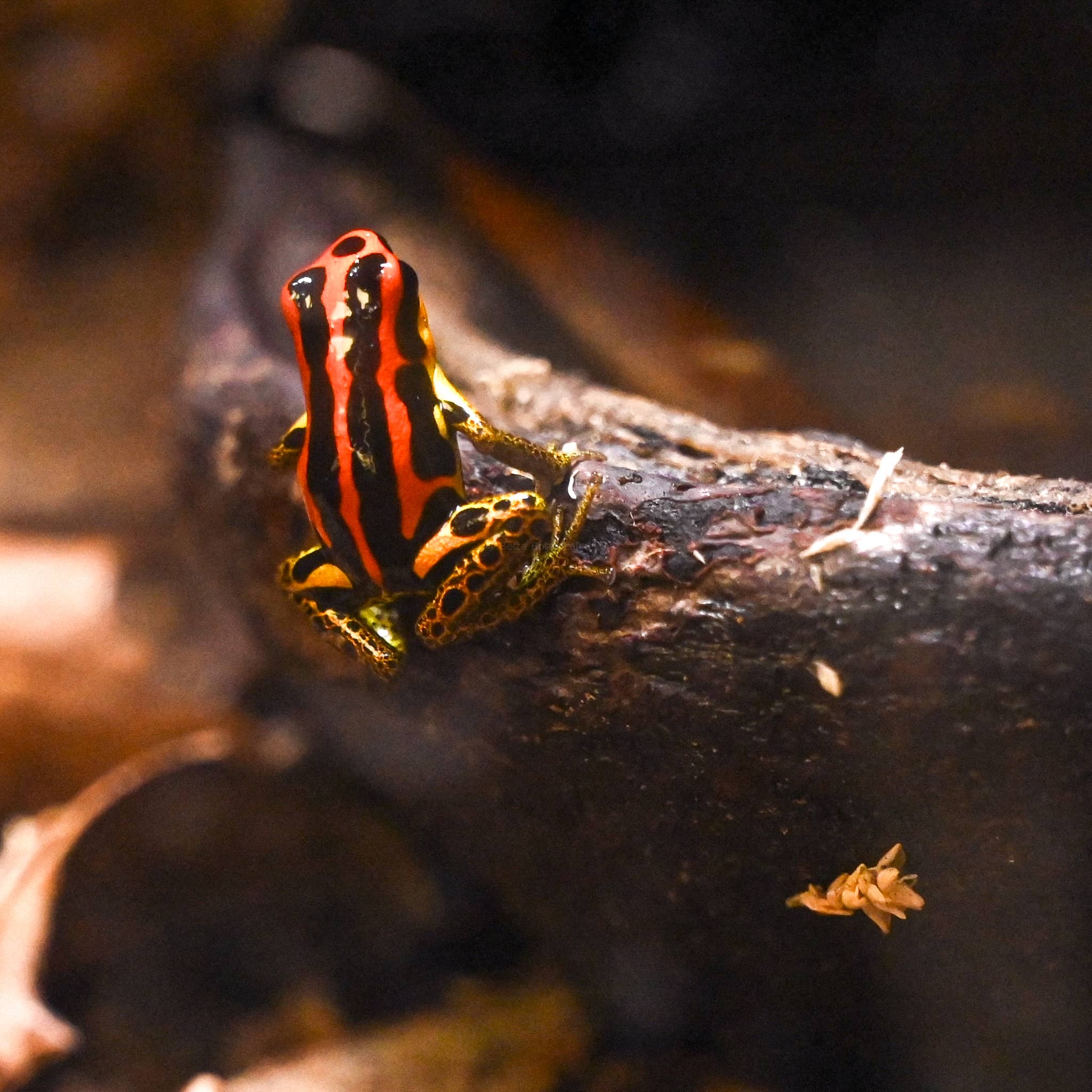
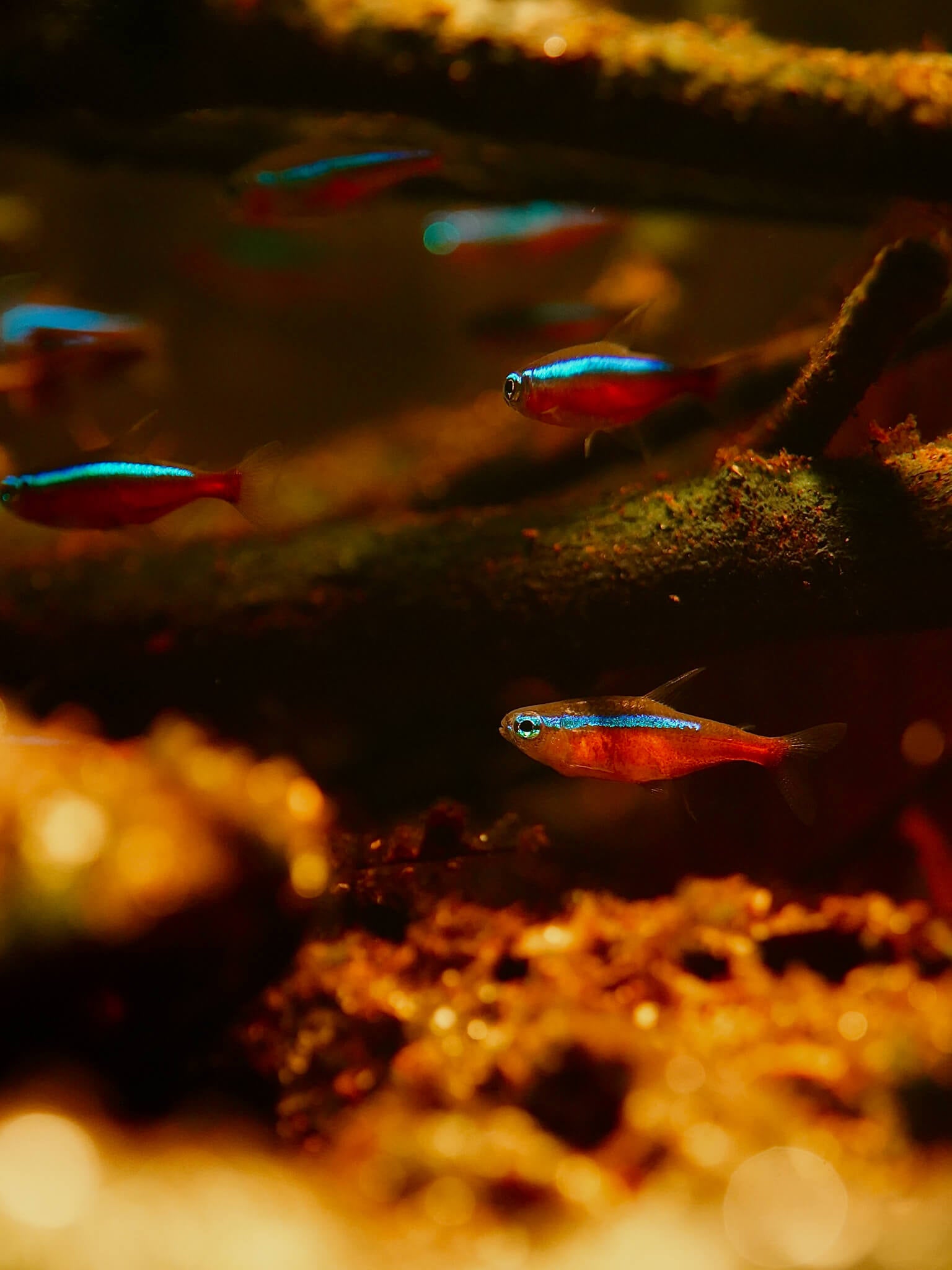
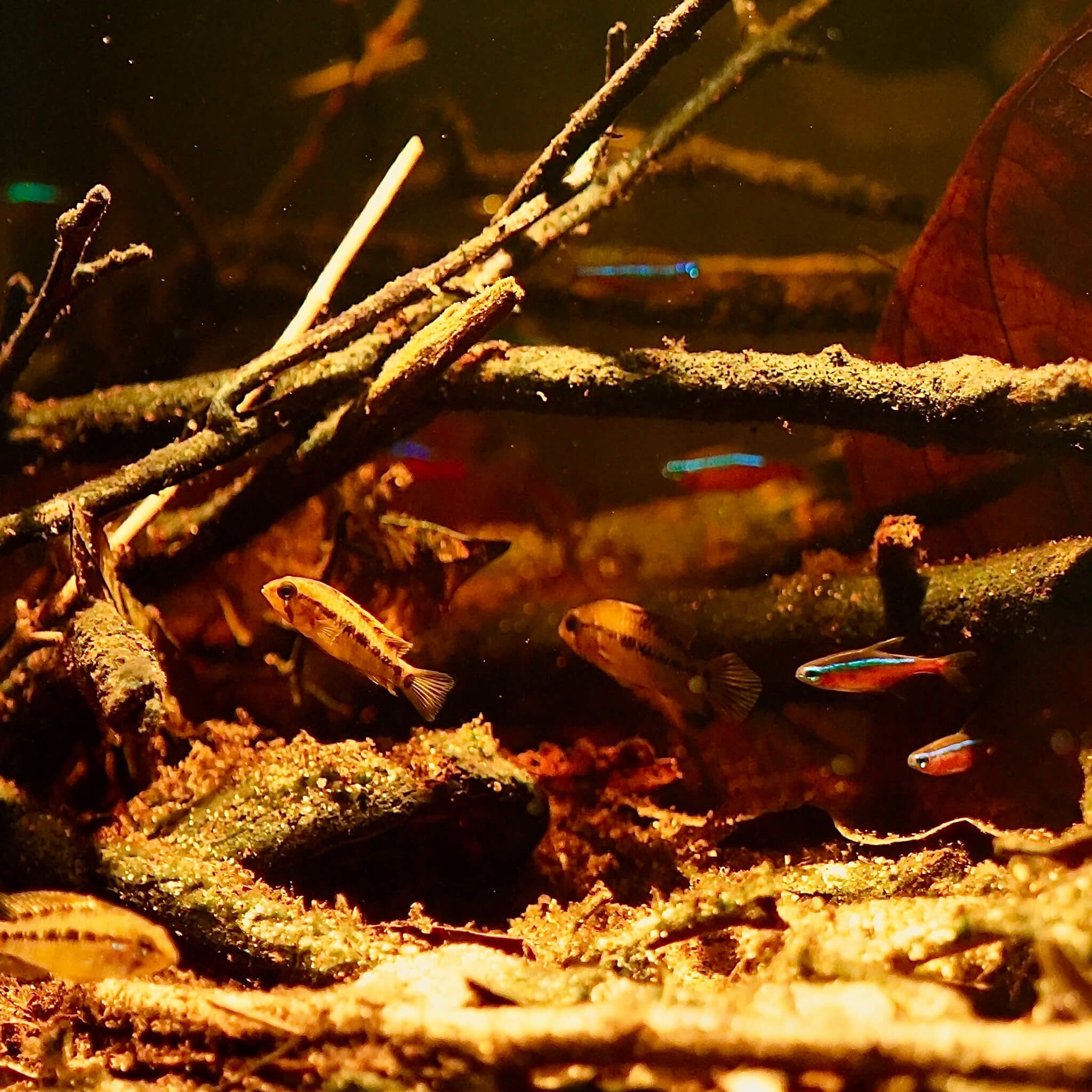
- Optimal For: Betta splendens, apistogramma, discus, tetras, corydoras, shrimp, dart frogs, small geckos, and isopods.
- Use with Caution: No known concerns for standard aquarium inhabitants.
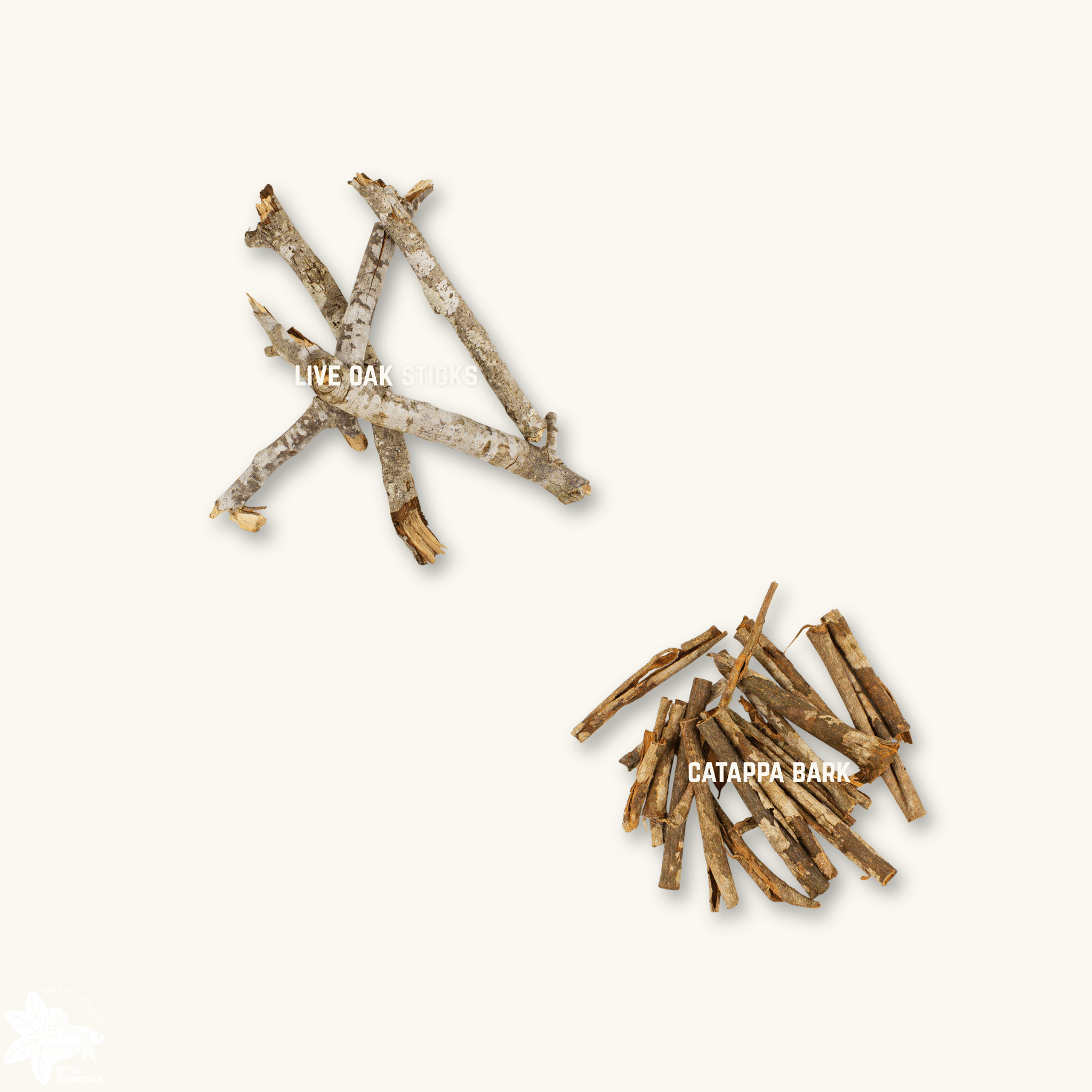
- Size Range: Mixed; leaf litter is small to medium, sticks are 3–6", pods range from small (Bakhuli, Schrebera) to large (Palm Pod, Mahogany Pod Center)
- Quantities: One pack containing nine botanical types: a handful of Shingles Oak Leaf Litter & catappa bark, 8c Longan & Jackfruit Leaves, Bakhuli & Schrebera pods, 4c Live Oak Sticks, 1c Mahogany Pod Center & Palm Pod (bonus 2c TAN Betta Tea Bag)
2026 PRIDE PACK for Aquariums & Vivariums
The 2026 Pride Pack functions as a complete botanical method starter pack and a meaningful restocking option for the experienced Botanical Method aquarist. The mix intentionally spans every functional role in a botanical method aquarium: leaves build the detrital layer as they break down, bark provides a slow-release tannin and humic substance source, sticks create structural complexity at the substrate, and pods provide shelter, spawning sites, and microhabitat across multiple size ranges.
The leaf litter, bark, and sticks are quick to be colonized by beneficial bacteria and fungi. As each leaf softens and saturates, it develops beneficial biofilms which are ideal supplemental food sources for rasping fish, shrimp, and microfauna. The longer these botanicals remain in the aquarium, passively releasing tannins and humic substances into the water column, the stronger the accumulation of fungal hyphae and microbial communities becomes.
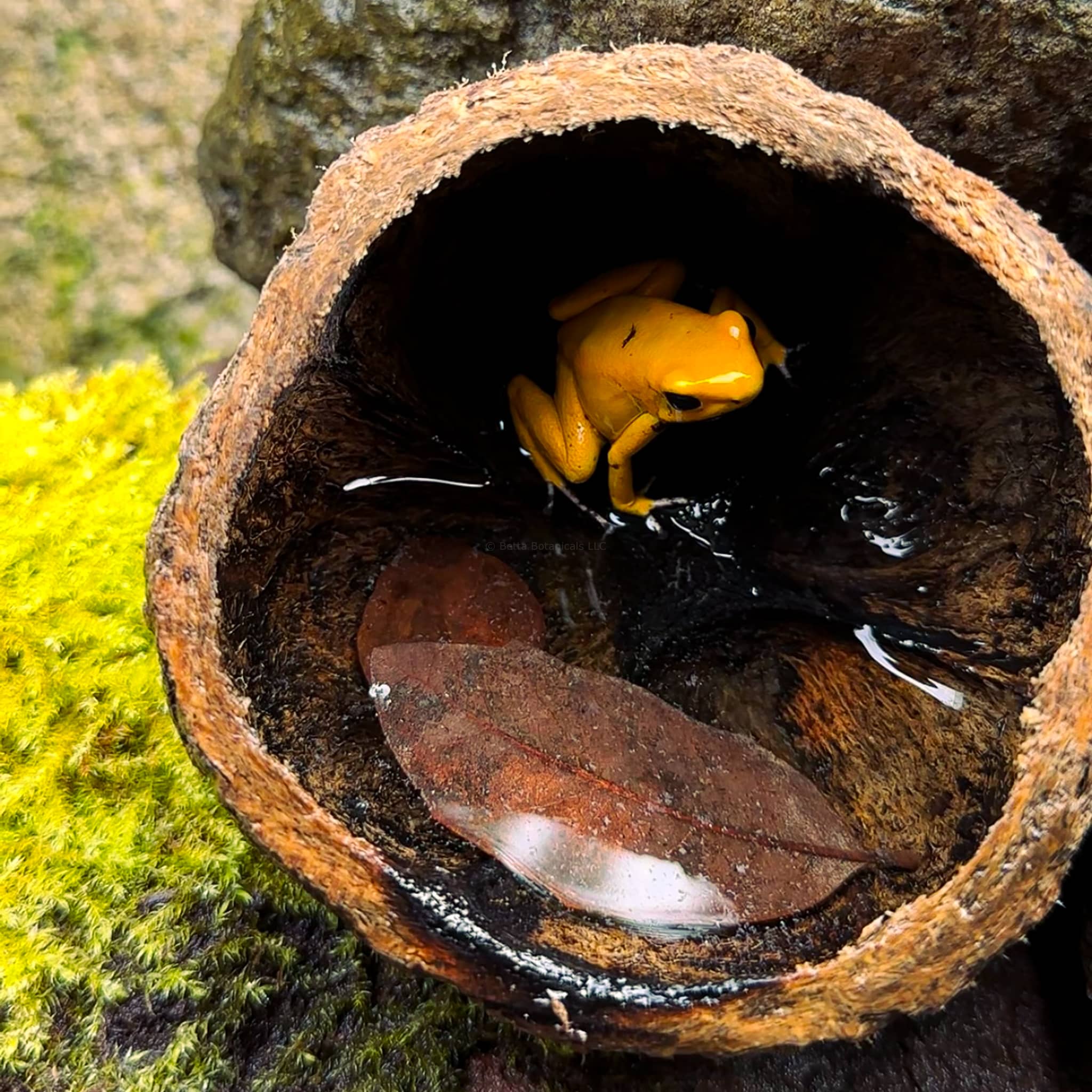
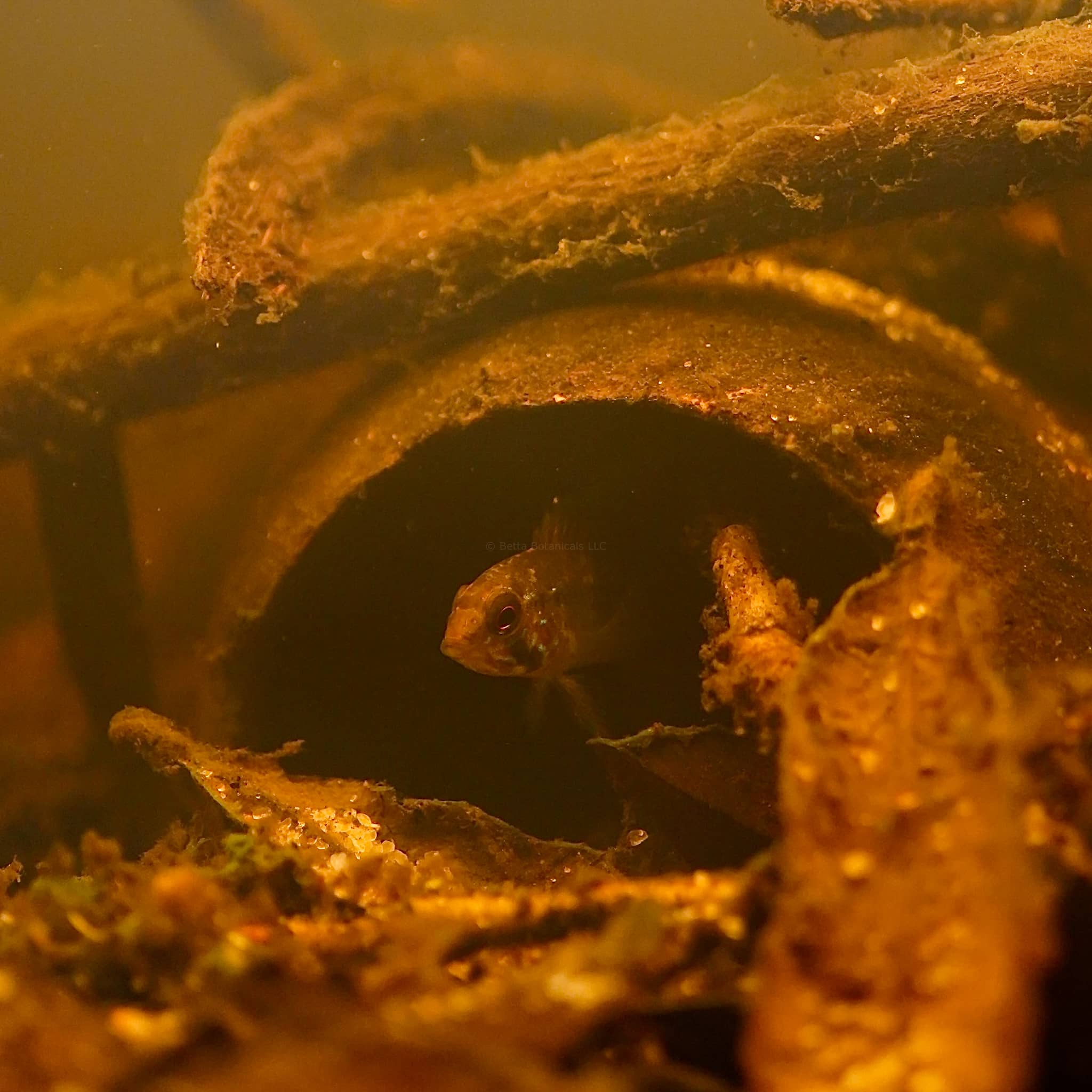
The assortment of seed pods improve substrate diversity and helps replicate the allochthonous canopy materials we'd find in naturally occurring flooded forest. The Palm Pod and Mahogany Pod Center provide shelter that Betta, apistogramma, and other cave-spawning species will use for territory and spawning. The Bakhuli and Schrebera Pods are smaller, and they settle into the substrate or against wood, creating a microhabitat that fry, shrimp, and invertebrates treat as refuge. Scattered together, these pods can help establish enough habitat complexity to promote natural foraging and territory in our ecosystems.
Beneath the Leaves: Botanical Diversity in The Wild
No two blackwater habitats are identical. What defines them is the diverse assemblage of plants surrounding them, each contributing allochthonous materials at a different rate and in a different form. Seasonally flooded forests in the Amazon basin, the peat swamps of Borneo, and the deep swamps of the American South are, however, built with similar methods: leaf upon leaf, pod upon pod, bark fragment upon bark fragment, each species breaking down on its own schedule and releasing its own compounds into the water.
The nine botanicals in this pack originate from multiple continents and work together to recreate Nature's processes. Some will be colonized by fungi within days. Others will hold their structure for months. Tannins and humic substances will passively release into the water column, from materials that each contribute something the others cannot. When we let them function, Mother Nature leads the way.
Our Mission: Supporting LGBTQ+ Youth
Diversity, love, and pride are not words we use lightly. They are an expression of the values that define everything that makes life worth living, and the reason Betta Botanicals exists as the company it is today.
Betta Botanicals is proudly owned and operated by a member of the LGBTQ+ community. Supporting LGBTQ+ youth is a personal mission — and this pack is how we put that into action each June.
A percentage of every 2026 Pride Pack purchase is donated directly to The Trevor Project, the world's largest suicide prevention and crisis intervention organization for LGBTQ+ young people. Through the Trevor Lifeline and related services, The Trevor Project provides confidential support to LGBTQ+ youth who need it most.
To date, the Betta Botanicals Pride Pack fundraiser has donated thousands of dollars to The Trevor Project. None of it would be possible without you building your ecosystem.
Donate directly to The Trevor Project
Sustainability Note:
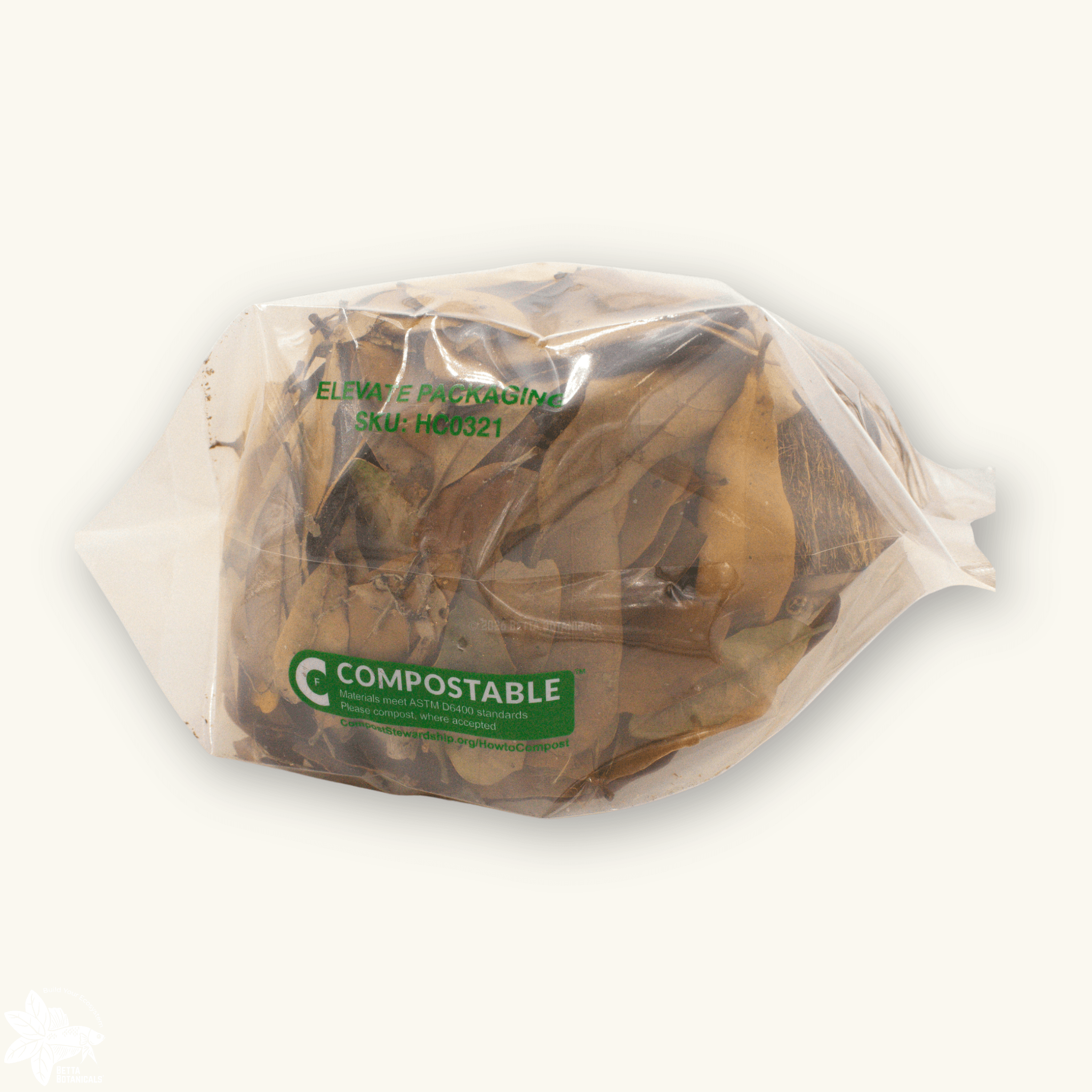
This product's packaging is home compostable.
Just like the botanicals inside, it will break down naturally and return to the soil — because what supports your ecosystem should minimally impact our planet.
Not for human consumption. Preparation required.
This is a natural product — variation in color, shape, and texture is expected.
Home is getting more natural
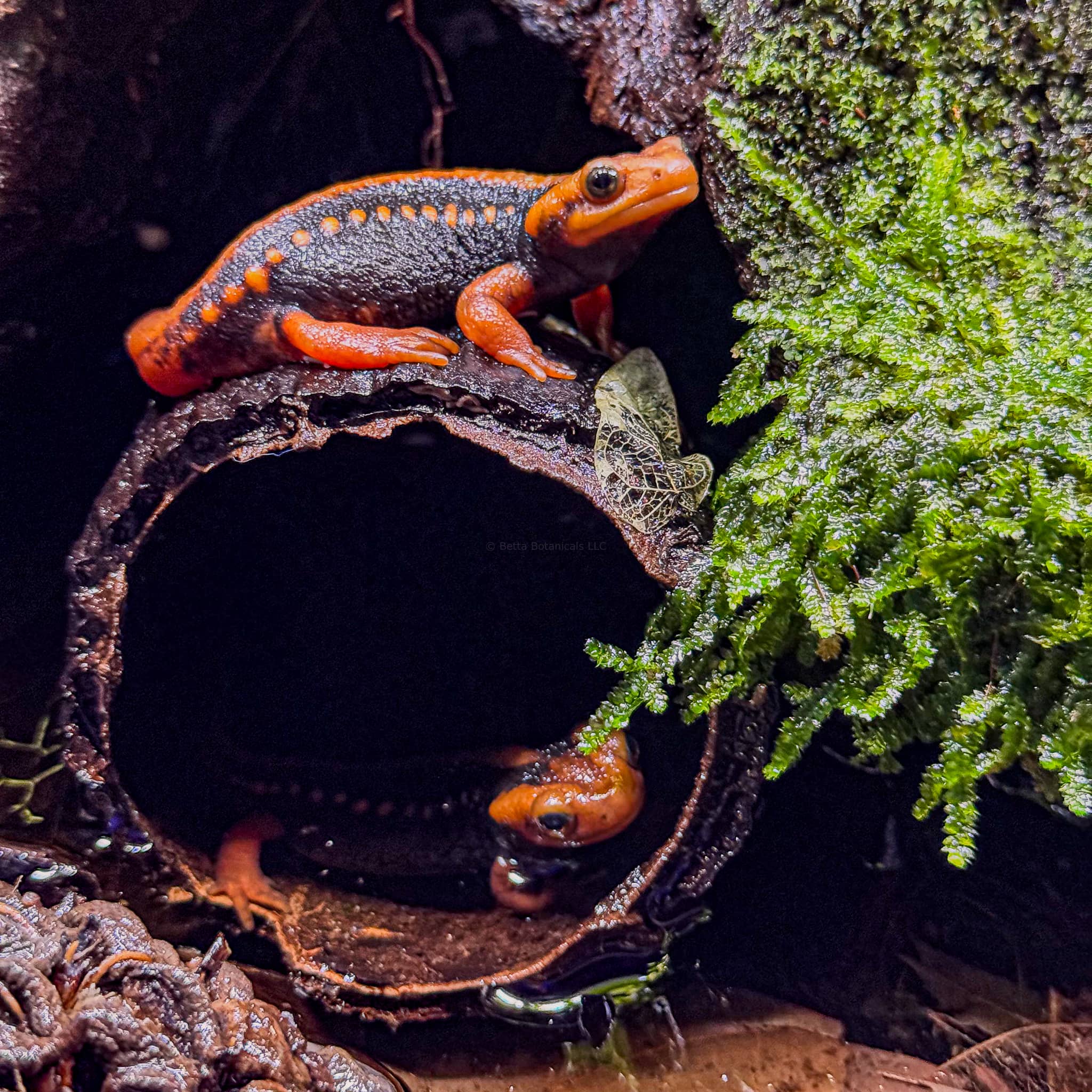
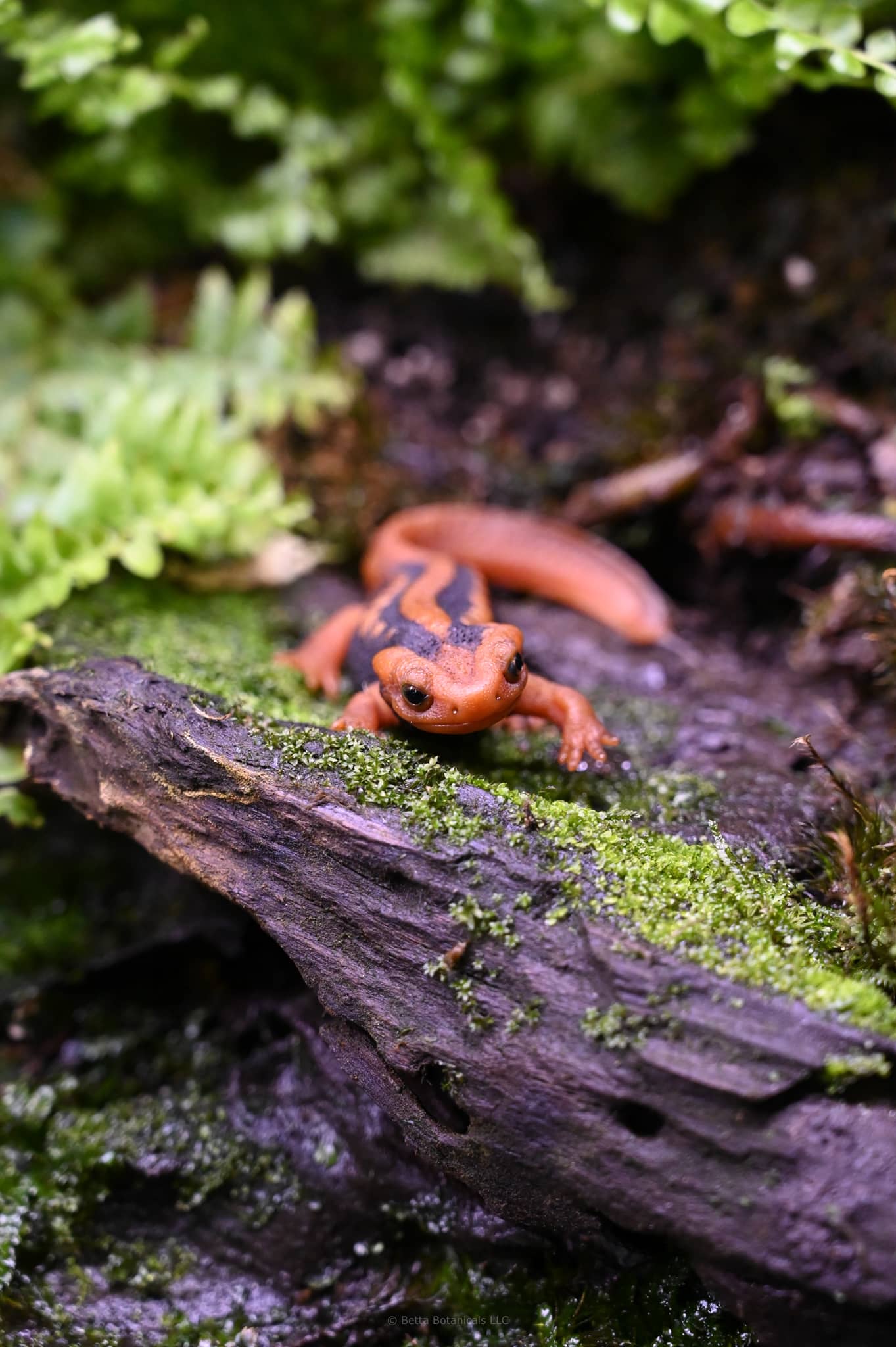
While the aesthetic appeal of botanicals and tinted water can be quite attractive to us, the recreation of nature to emulate water conditions, feeding patterns, spawning displays, and territory building are the true benefits botanicals provide to our critters.
Botanical FAQs
Compostable Packaging Promise
Our packaging is designed to return safely to the Earth, just like the botanicals inside. Every bag is BPA- and Phthalate-free, GMO-free, and contains no animal products. Each meets ASTM D6400 composting standards, ensuring it can fully break down in a home compost bin.
What are the Fluffy White Growths on my Botanicals?
That’s biofilm and fungi—what we call the “goo phase.” It’s one of the clearest signs that your aquarium is alive and functioning. These growths wax and wane naturally as botanicals decompose. They’re harmless, even beneficial, and will disappear on their own once microbial populations stabilize.
Will botanicals lower the pH of my water?
That depends entirely on your source water. In very soft or RODI water, botanicals can gradually lower pH as tannins and humic substances accumulate. In medium to hard tap water, buffering capacity often resists these shifts, and you may not notice much change. At Betta Botanicals HQ, our very hard water (350+ ppm) shows almost no pH change unless we use botanicals like Alder Cones or Macaranga Leaves.
When should I replace leaves or pods in my tank?
We recommend allowing botanicals to fully break down into detritus, since this fuels microbial life and enriches the substrate. You can remove them once they stop tinting the water, but you’ll lose some of their ecological benefits. Each time you add new botanicals, follow proper preparation and observe your livestock until you learn your aquarium’s rhythm.
Are your products just for bettas?
Nope. Our botanicals are safe for almost all aquariums, terrariums, vivariums, and paludariums. The only exceptions are goldfish and axolotls, which may ingest small pods like alder cones or casuarina cones. For those species, we recommend large leaves such as Indian Almond, Loquat, or Jackfruit.
What are Tannins?
Tannins are natural compounds released by leaves, seed pods, and bark as they decompose in water. They soften water, gently lower pH, and create the characteristic tea-stained tint found in blackwater habitats. But their role goes far beyond color—tannins fuel beneficial bacteria, fungi, and biofilms, which form the foundation of a healthy ecosystem. They also offer mild antifungal benefits and help reduce stress in fish by replicating the natural conditions they’ve evolved in. At their core, tannins are plant-derived antioxidants that connect your aquarium to the same processes at work in wild flooded forests and streams.
- This variety pack was full of fun stuff and came with plenty.
- A fantastic mix of texture and color to be added to any tank!
- I love the variety available in one pack, and they add so much character to my tank
I bought this assorted selection of botanicals as my first attempt at creating a botanical tank. The quality and variety was incredible and the provided instructions helped me feel confident getting started. The effect has been stunning, my fish are happy, and I've just ordered my second batch of botanicals! Thank you Betta Botanicals!
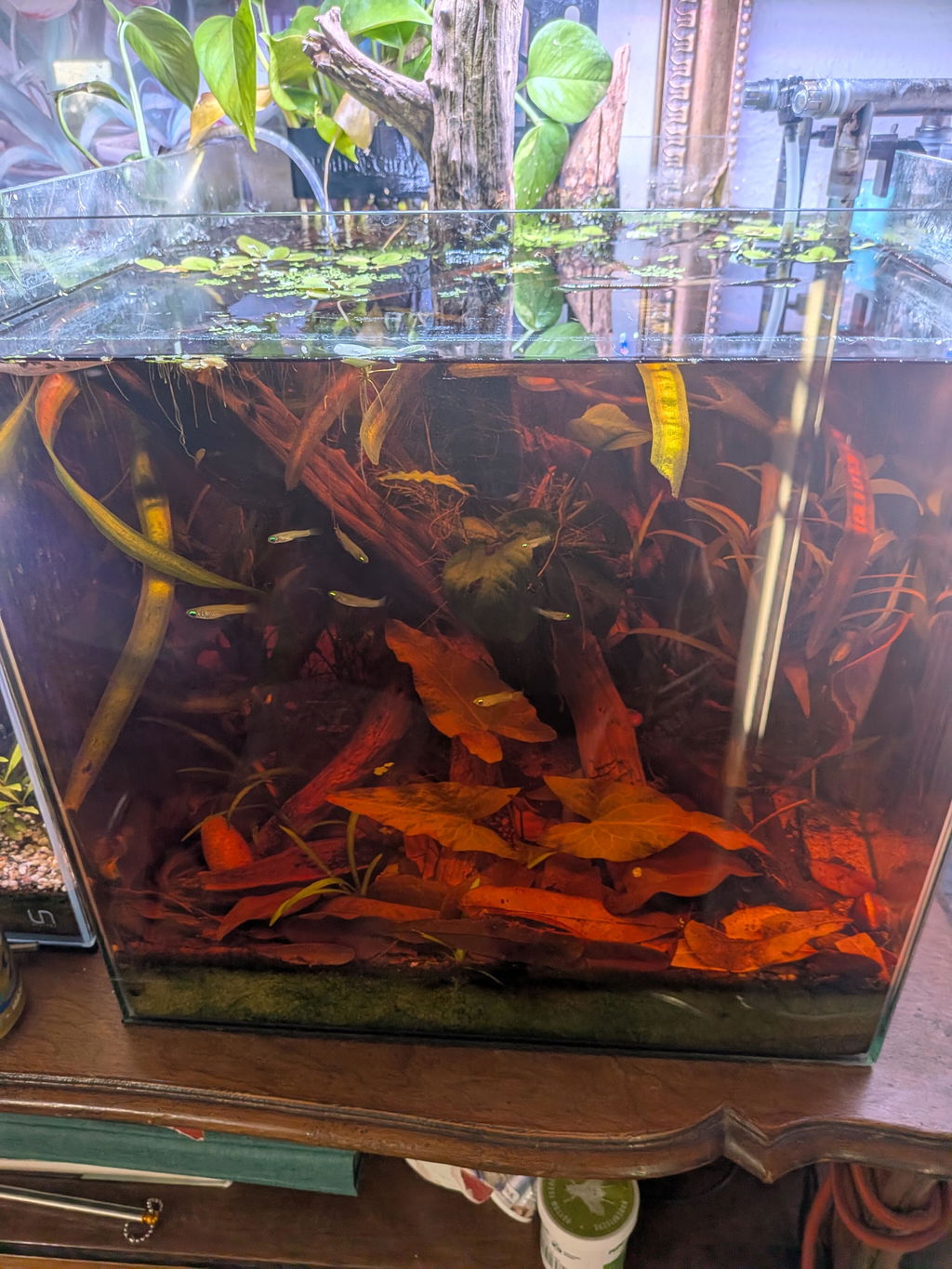
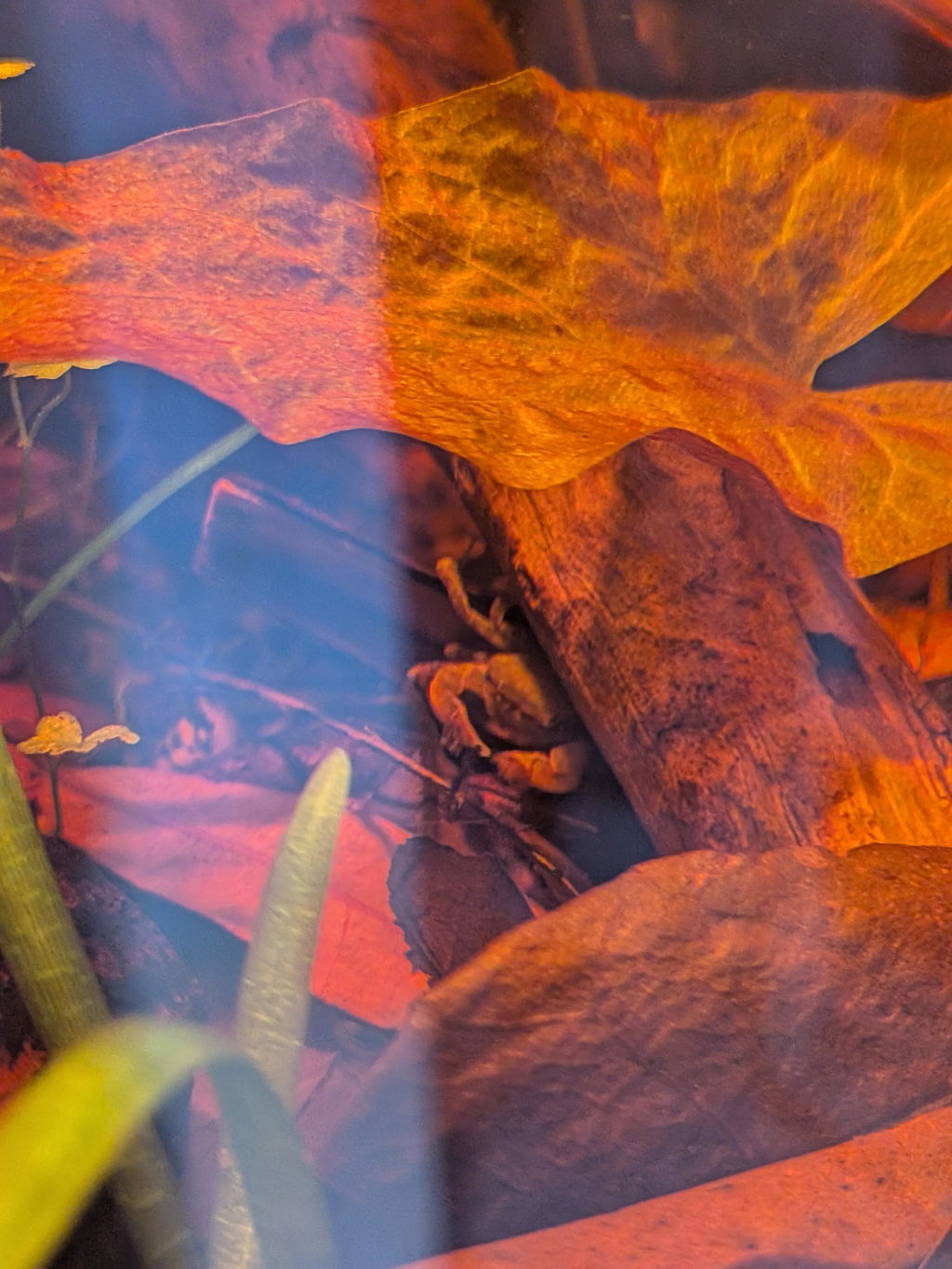
My corydoras are so happy. This pack is so full!
This variety pack was full of fun stuff and came with plenty. Bonus that it's for a good cause.
A fantastic mix of texture and color to be added to any tank! Plus it's backing a project that I love to support!
Say. No. More.
Always a perfect bundle to buy!!
Excellent customer service, excellent product, and I love how a percentage goes to an excellent cause. Betta botanicals are the best in the business
I love the variety available in one pack, and they add so much character to my tank
There are so many great items in this pack. I have only used about a third and still have so many more to add to my tanks.