Palm Flower Pot
Palm Flower Pot on the Surface:
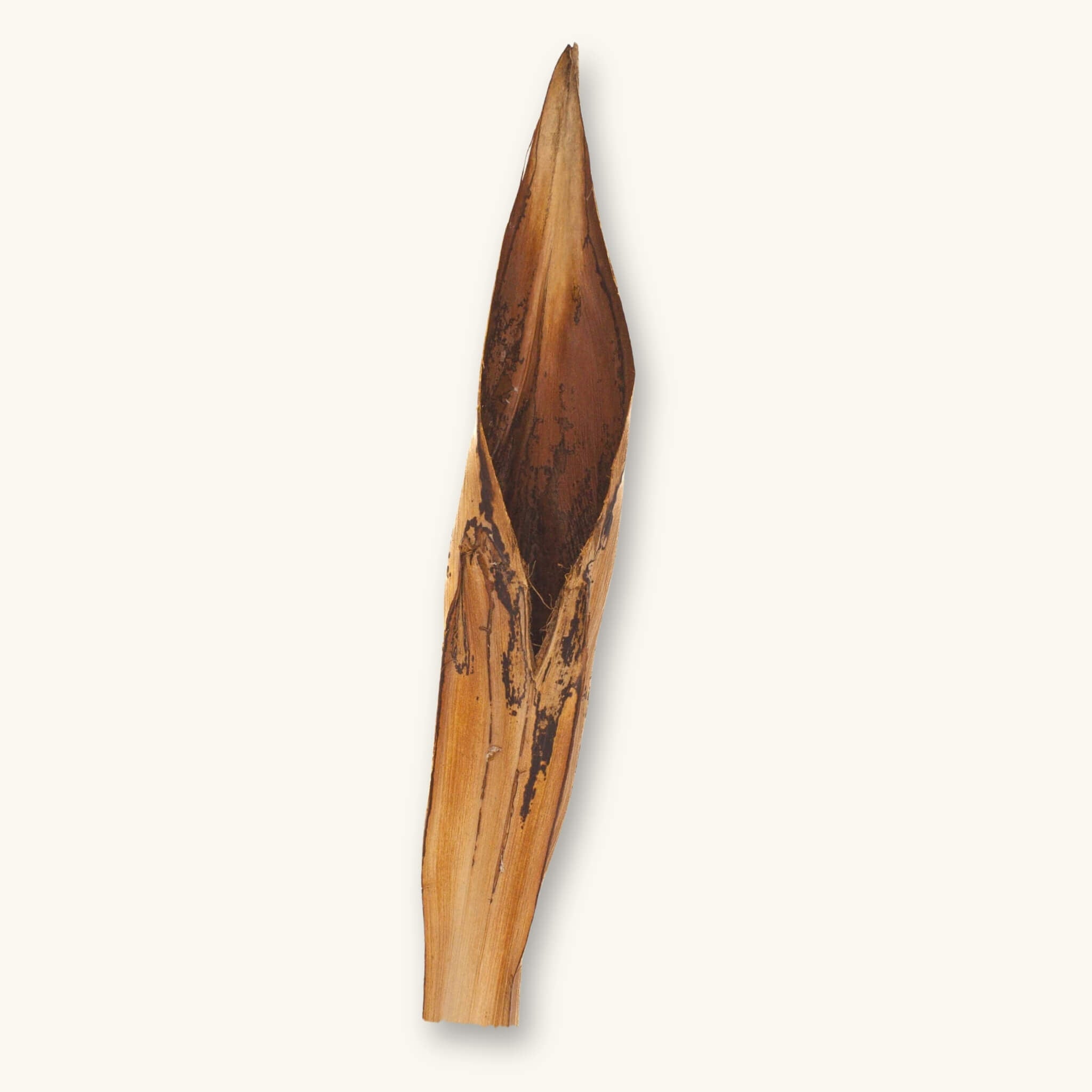
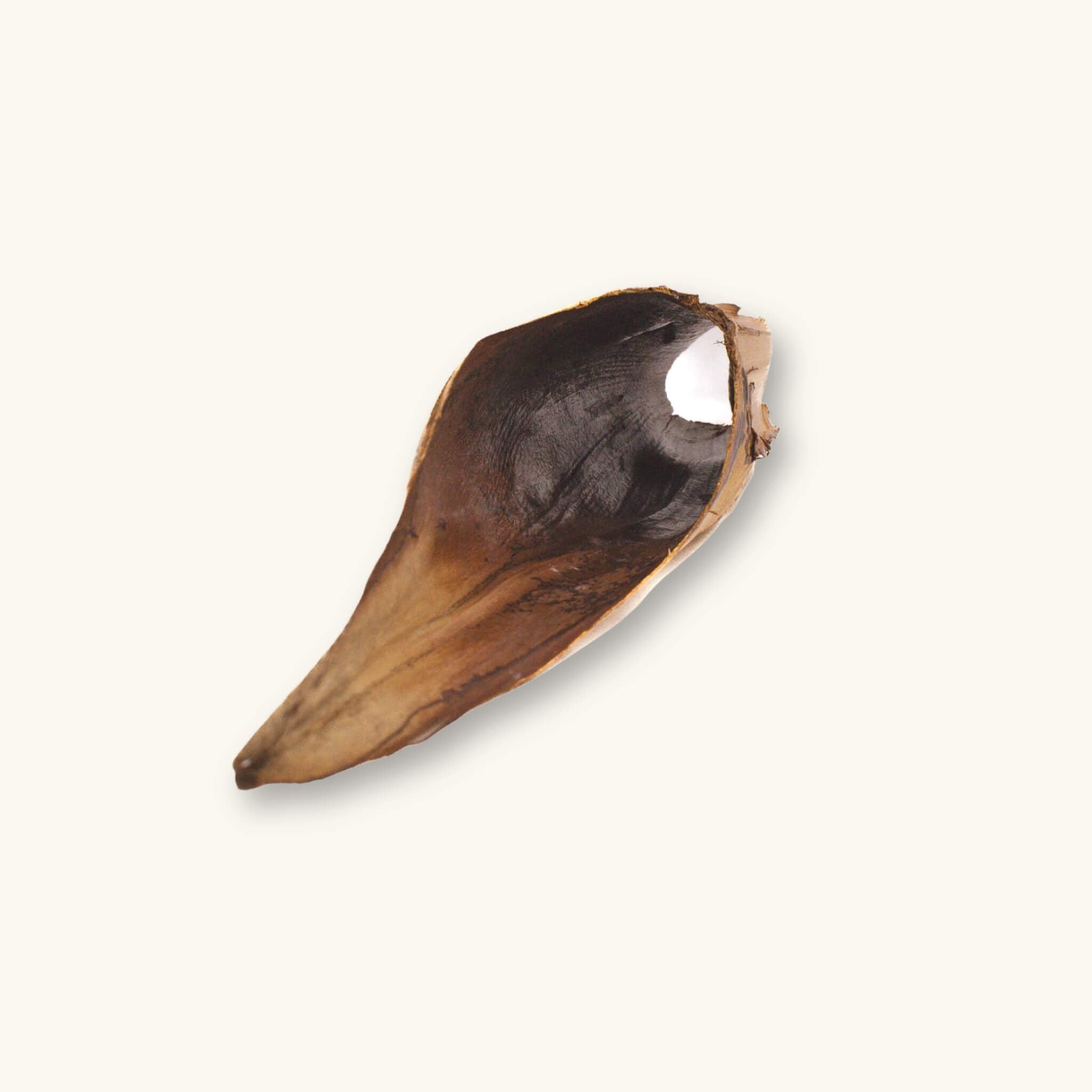
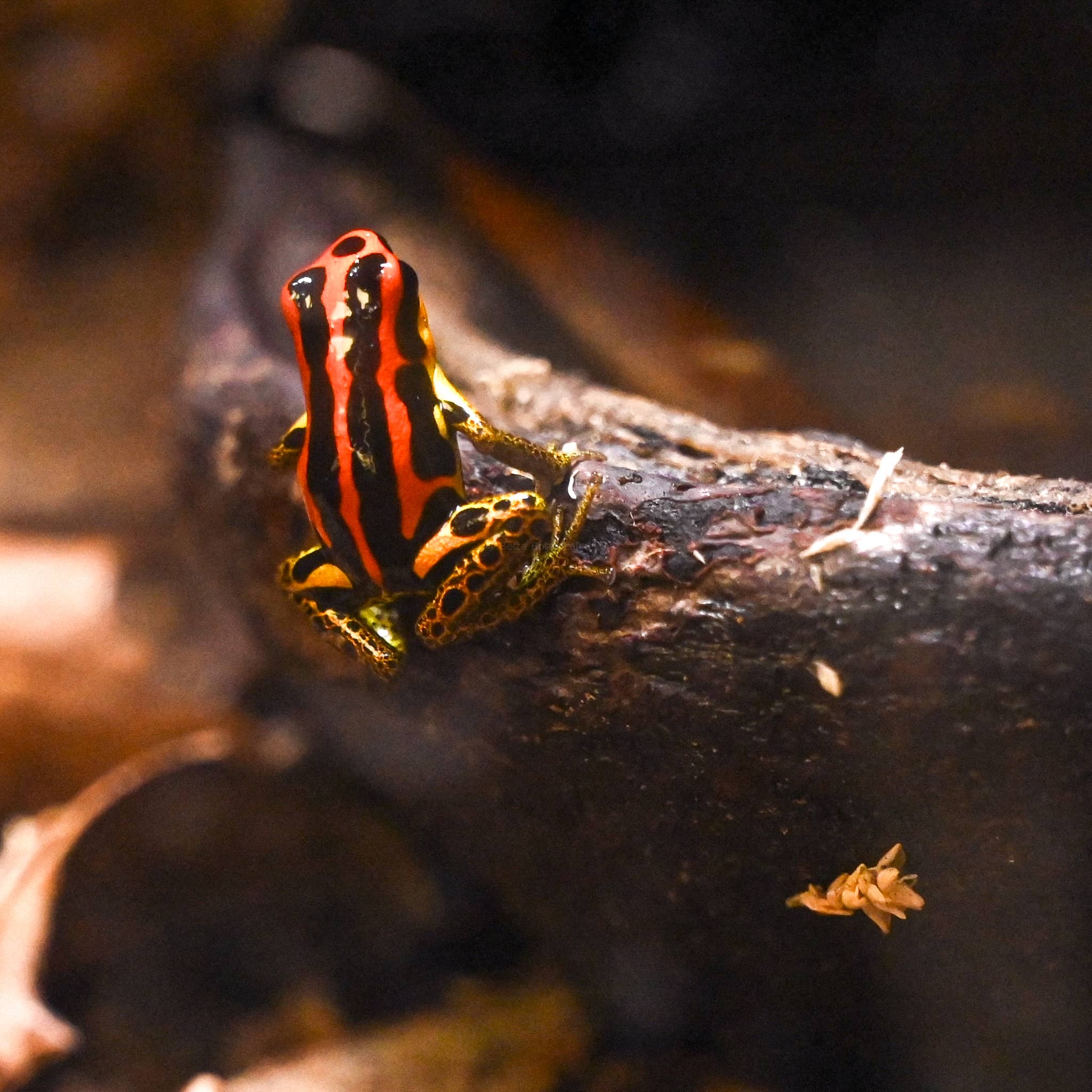
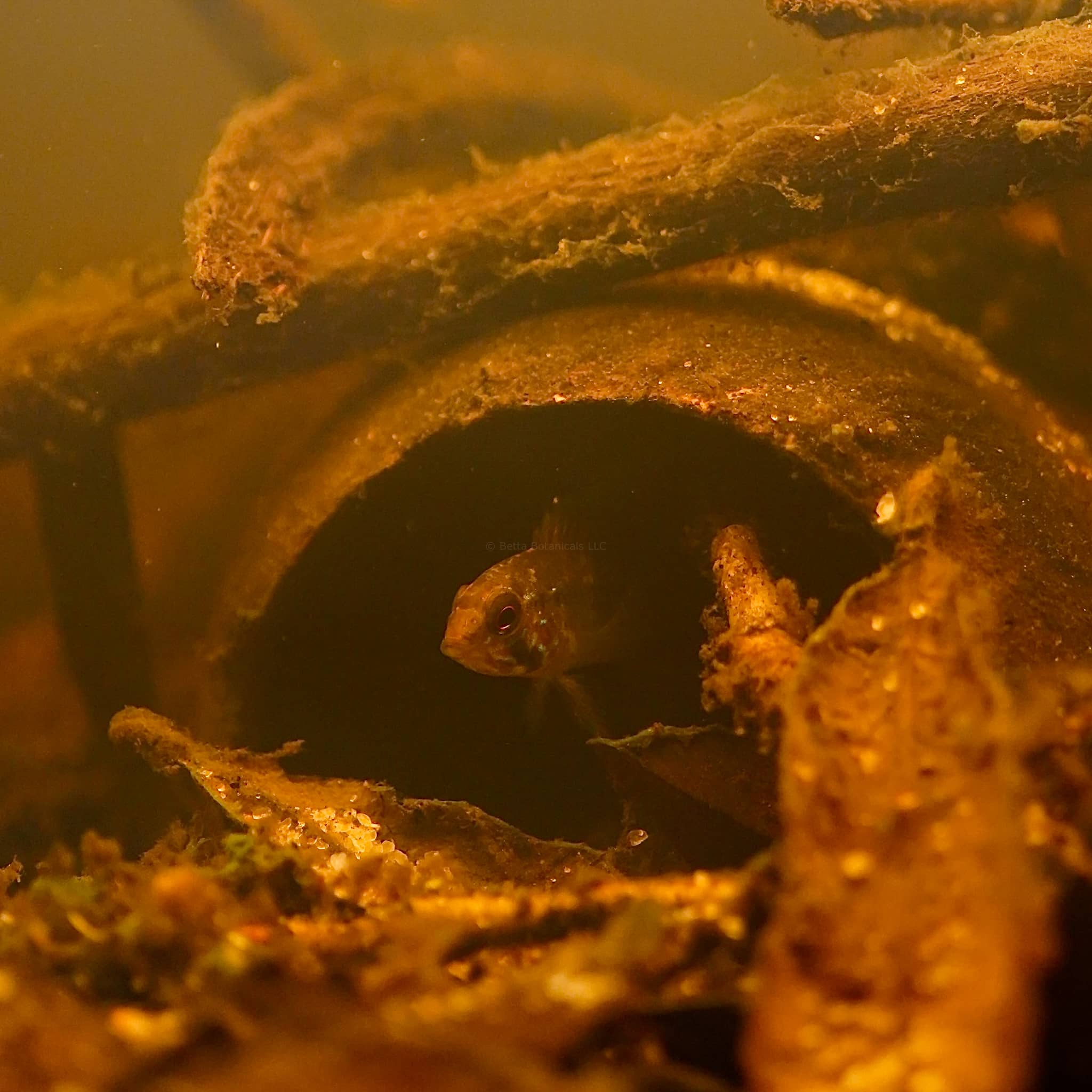
The Palm Flower Pot is the hollow sheath of the Palmyra palm (Borassus flabellifer), sourced from Sri Lanka, where the palm can be found growing in the sandy soils across the northern dry region. Once submerged, its waxy-coated fibers provide a durable cave for cichlids, bettas, plecos, and dart frogs, and a surface for biofilm and beneficial aquatic fungi to colonize in the Botanical Method, blackwater, and biotope aquarium. Our favorite way to use it is as a betta cave, weighted with a smooth rock until it's saturated.
Essential Details
- Tannin Level: Low
- Tint Color: Light yellow
- Durability: Moderate
- Habitat Location: Sri Lanka; northern dry zone, sandy soils
- Optimal For: Cichlids, bettas, plecos, dart frogs, and other cave-seeking species which includes snakes and various geckos
- Use with Caution: Please measure the smallest end of your sheath to ensure fish will not get stuck in the end if they swim through it.
- Size Range: 8 to 18 inches long, 2 to 4 inches in diameter
- Quantities: 1 count / 3 count Palm Flower Pots
Palm Flower Pot for Aquariums & Vivariums
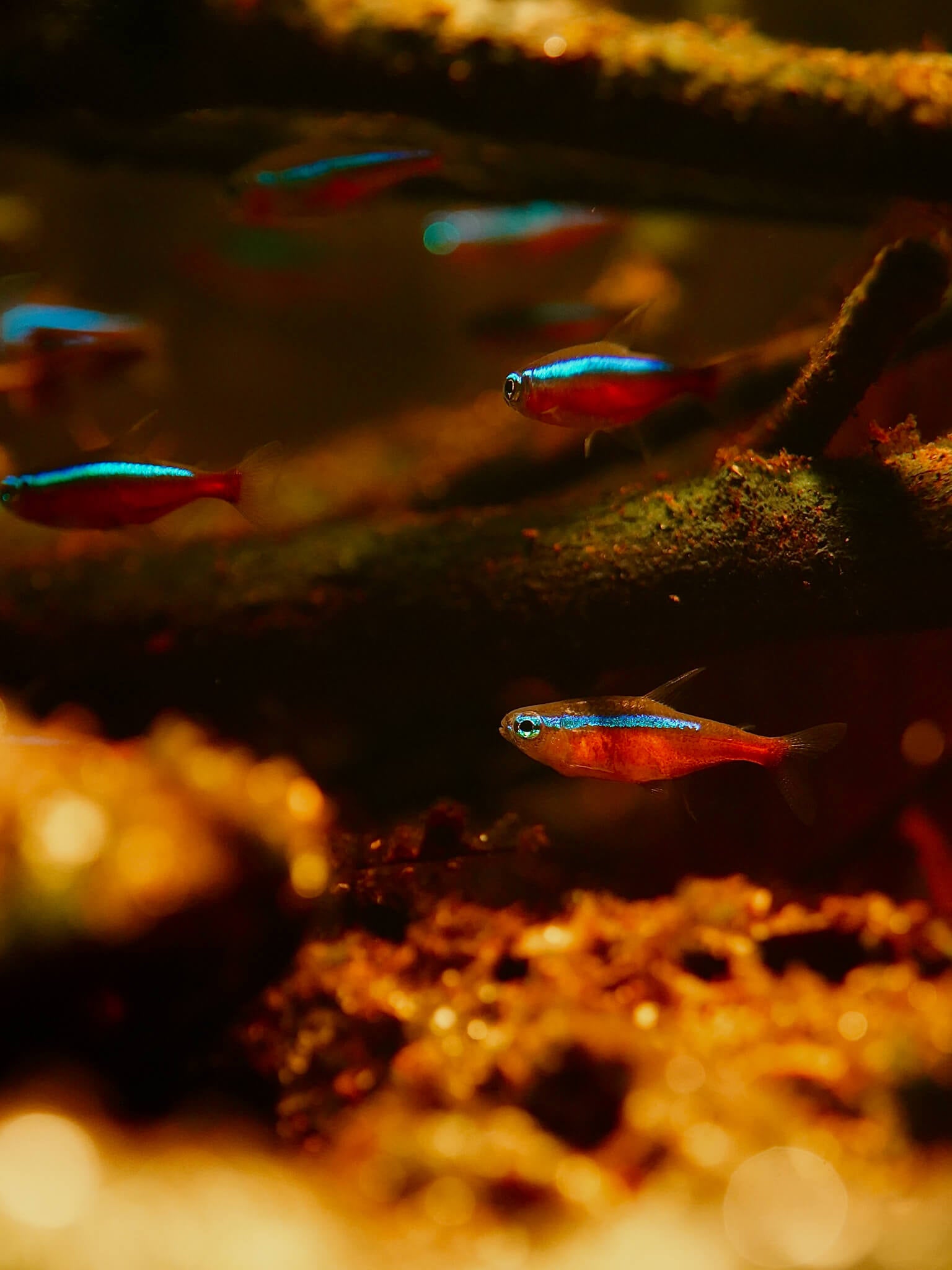
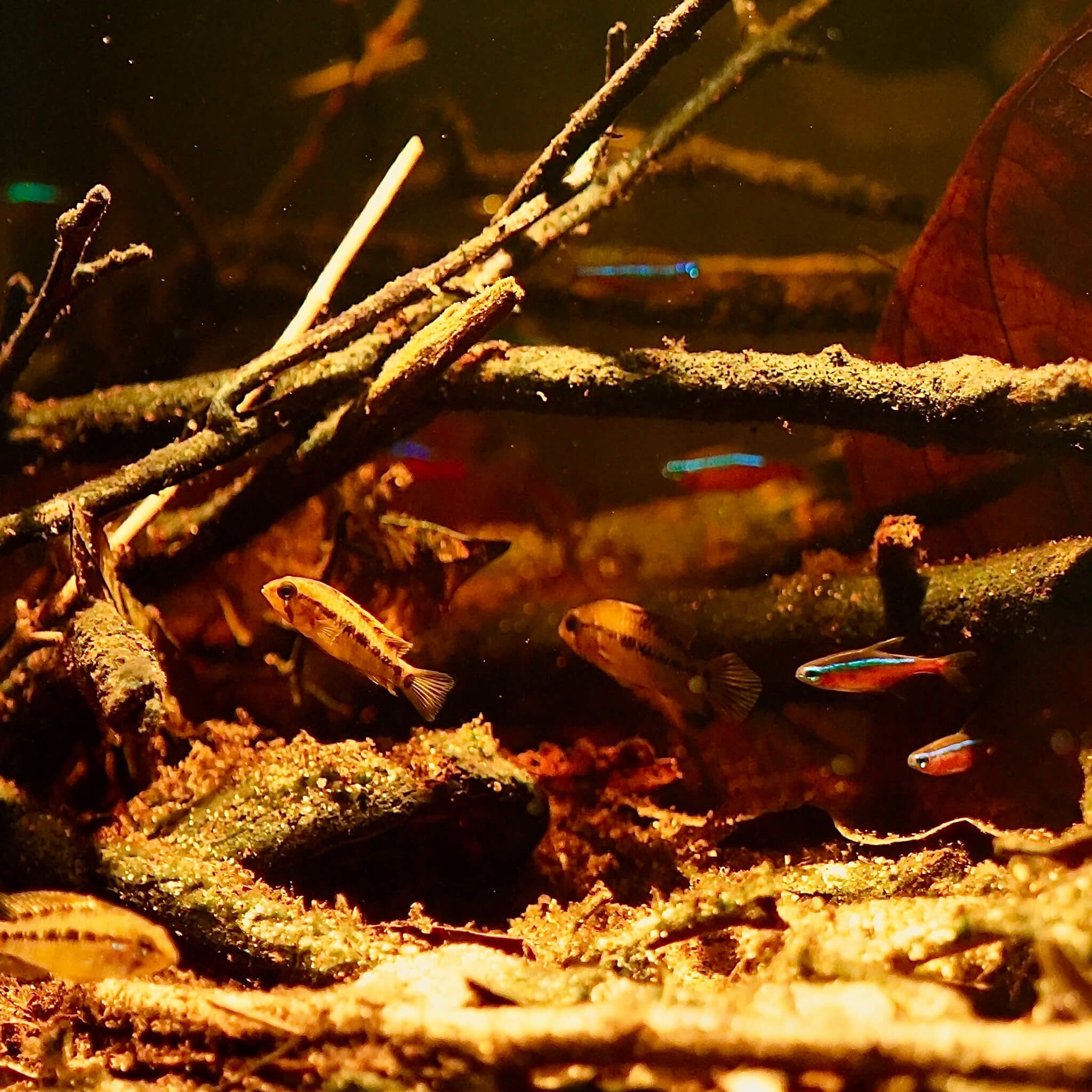
Beneficial fungi and biofilms will begin colonizing this generic tropical within a few days of submersion to the aquarium or vivarium. These growths provide what we call supplemental nutrition, a grazing resource on both the outer surface and the hollow interior. The interior of this botanical provides refuge for bettas, plecos, and other cave-seeking fish, as these species would seek out in their natural habitat. The longer we leave this Palm Flower Pot in the ecosystem, the more aufwuchs, the layer of microbes and small organisms growing on its surface, develops.
As the fibers soften and break down, tannins are passively released into the water column, which contributes tint and a gradual pH reduction in soft or RODI water. Its waxy coating helps to delay this process, so the Palm Flower Pot lasts longer than more ephemeral leaf litter; however, rasping fish such as plecos and otocinclus may shorten its lifespan as fibrous materials are part of their natural diet. Once it begins to soften, leave it be to break down into beneficial detritus as part of the perpetual substrate. Just add a new one beside it, so the cave and the detritus layer both stay in the ecosystem.
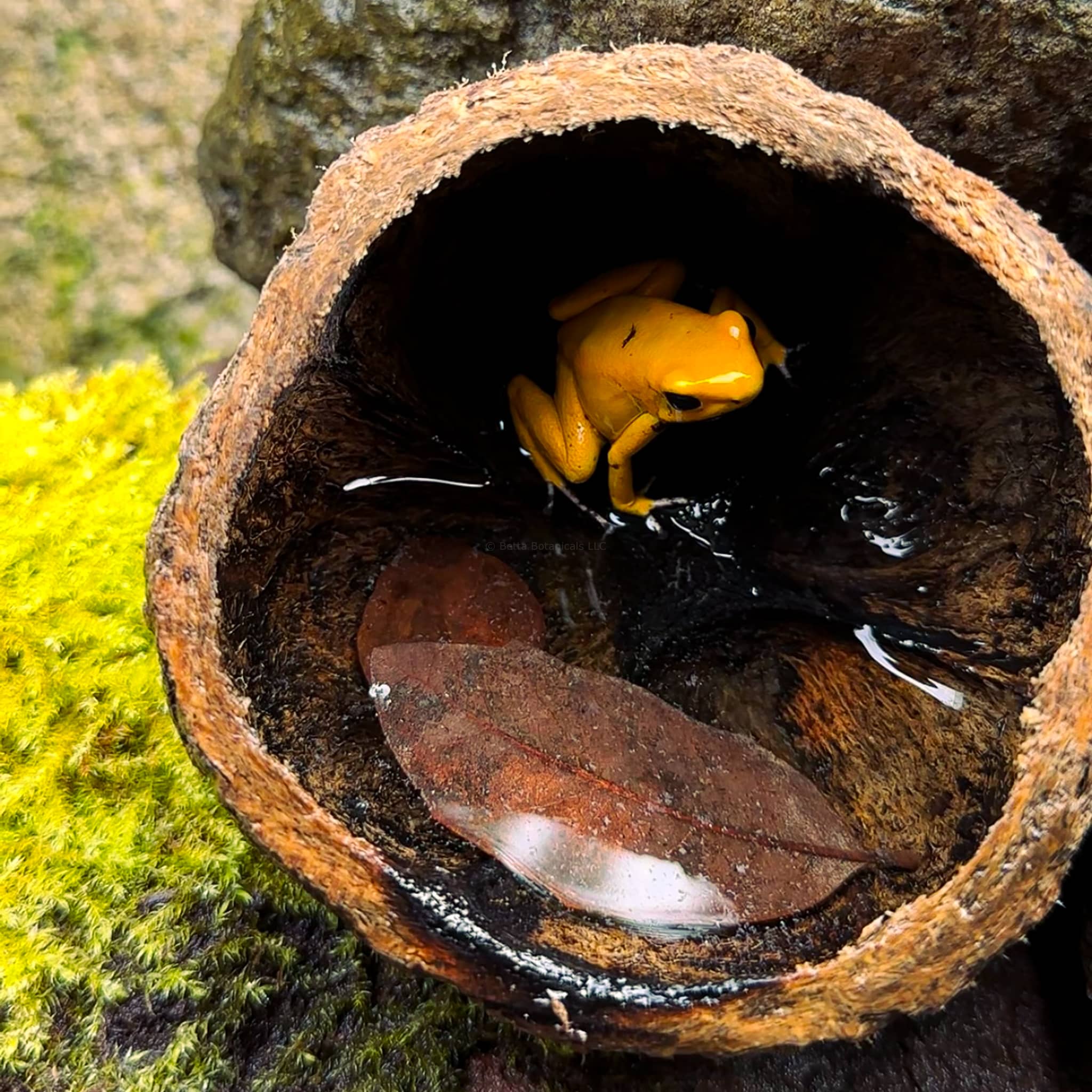
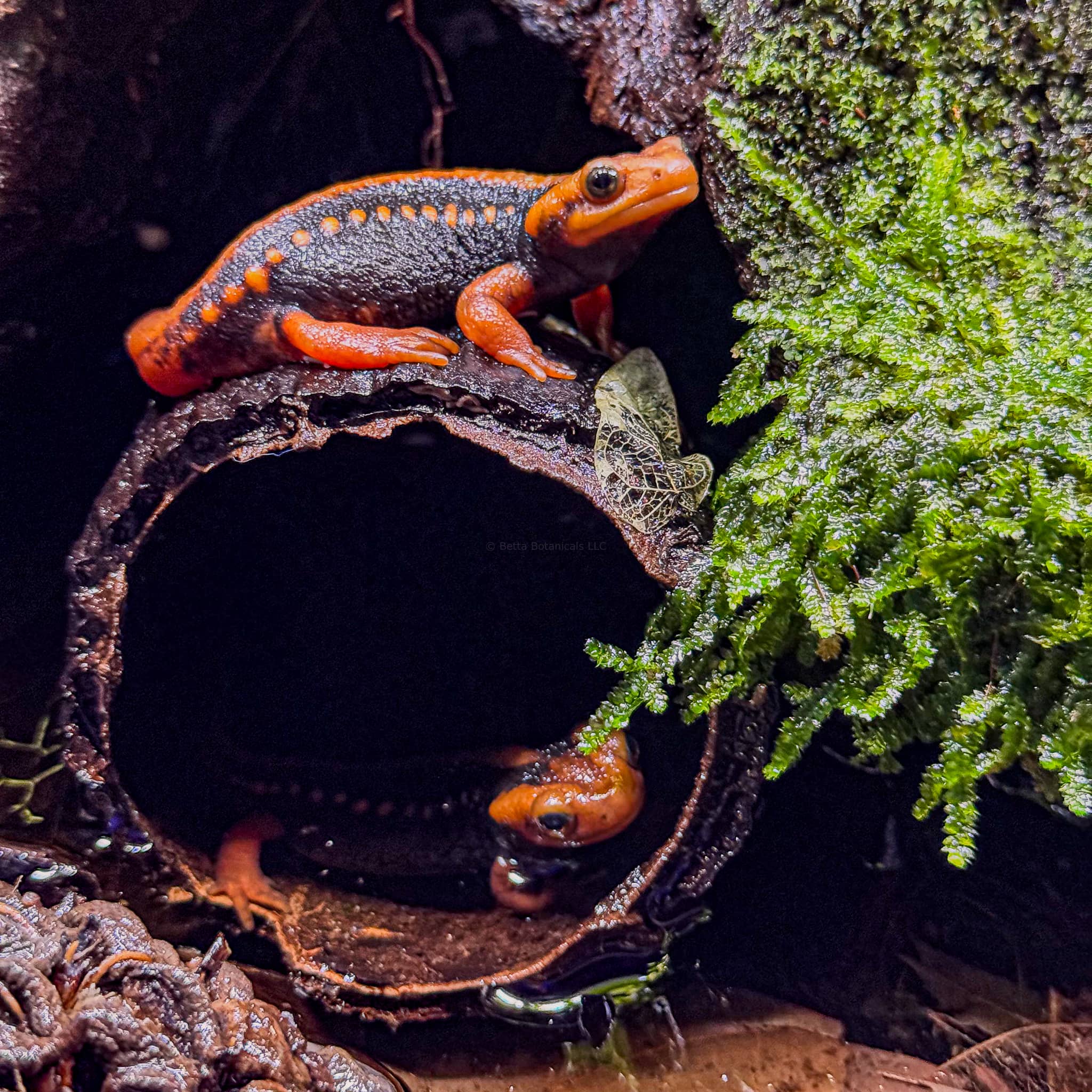
For vivariums or paludariums, the hollow shape can provide refuge for dart frogs and isopods. As it breaks down, the sheath will transition into beneficial detritus that helps feed the clean-up crew, springtails and isopods, and microbial communities beneath the leaves.
Beneath the Leaves: Borassus flabellifer in the Wild
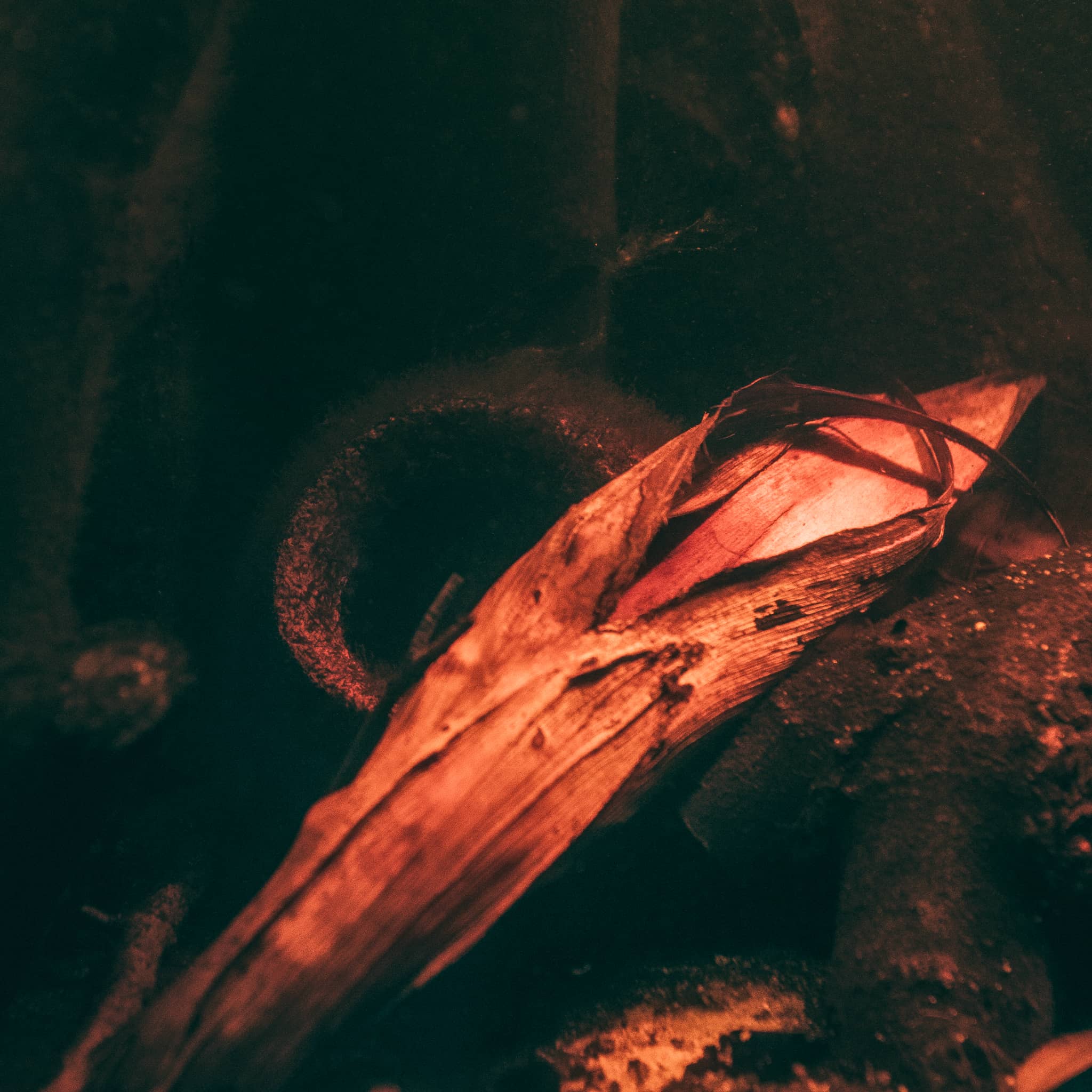
The Palmyra palm is native across South and Southeast Asia, including Sri Lanka, and grows to about 20 meters in coastal areas with sandy or alluvial soils and in places with permanent soil moisture, such as floodplains and river valleys. The sheath encloses the developing inflorescence.
Wherever palms and other vegetation grow beside water, plant material from the land reaches streams and rivers as allochthonous input, feeding the microbial and fungal food webs there. When we add the Palm Flower Pot into the aquarium, we replicate the allochthonous inputs that fuel the food webs of aquatic ecosystems around the globe. Mother Nature leads the way.
Sustainability Note:
This product's packaging is home compostable. Just like the botanicals inside, it will break down naturally and return to the soil — because what supports your ecosystem should minimally impact our planet.
Not for human consumption. Preparation required.
This is a natural product — variation in color, shape, and texture is expected.
Palm Flower Pot
Home is getting more natural
While the aesthetic appeal of botanicals and tinted water can be quite attractive to us, the recreation of nature to emulate water conditions, feeding patterns, spawning displays, and territory building are the true benefits botanicals provide to our critters.
Botanical FAQs
Compostable Packaging Promise
Our packaging is designed to return safely to the Earth, just like the botanicals inside. Every bag is BPA- and Phthalate-free, GMO-free, and contains no animal products. Each meets ASTM D6400 composting standards, ensuring it can fully break down in a home compost bin.
What are the Fluffy White Growths on my Botanicals?
That’s biofilm and fungi—what we call the “goo phase.” It’s one of the clearest signs that your aquarium is alive and functioning. These growths wax and wane naturally as botanicals decompose. They’re harmless, even beneficial, and will disappear on their own once microbial populations stabilize.
Will botanicals lower the pH of my water?
That depends entirely on your source water. In very soft or RODI water, botanicals can gradually lower pH as tannins and humic substances accumulate. In medium to hard tap water, buffering capacity often resists these shifts, and you may not notice much change. At Betta Botanicals HQ, our very hard water (350+ ppm) shows almost no pH change unless we use botanicals like Alder Cones or Macaranga Leaves.
When should I replace leaves or pods in my tank?
We recommend allowing botanicals to fully break down into detritus, since this fuels microbial life and enriches the substrate. You can remove them once they stop tinting the water, but you’ll lose some of their ecological benefits. Each time you add new botanicals, follow proper preparation and observe your livestock until you learn your aquarium’s rhythm.
Are your products just for bettas?
Nope. Our botanicals are safe for almost all aquariums, terrariums, vivariums, and paludariums. The only exceptions are goldfish and axolotls, which may ingest small pods like alder cones or casuarina cones. For those species, we recommend large leaves such as Indian Almond, Loquat, or Jackfruit.
What are Tannins?
Tannins are natural compounds released by leaves, seed pods, and bark as they decompose in water. They soften water, gently lower pH, and create the characteristic tea-stained tint found in blackwater habitats. But their role goes far beyond color—tannins fuel beneficial bacteria, fungi, and biofilms, which form the foundation of a healthy ecosystem. They also offer mild antifungal benefits and help reduce stress in fish by replicating the natural conditions they’ve evolved in. At their core, tannins are plant-derived antioxidants that connect your aquarium to the same processes at work in wild flooded forests and streams.
- The perfect little floating resting cave for my Betta! He loves his new retreat!
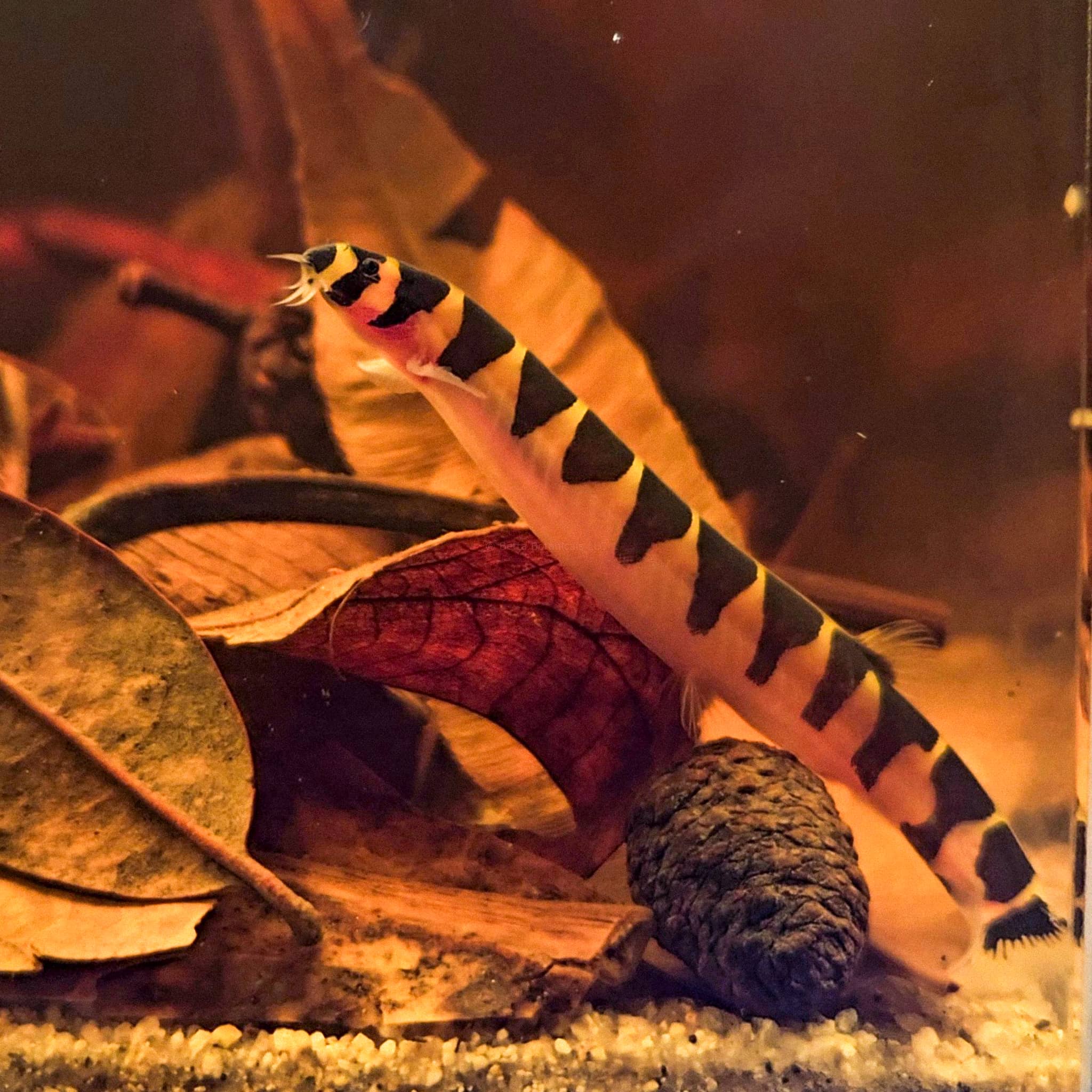
- Cool natural cave that loaches or gudgeons will love!
- Everything arrived exactly as described and in excellent condition
Very happy with all the botanicals I ordered, plan to use them in my Bettas’ aquariums.

I had to weigh it down with a rock. Once you get past the floating part, the Palm Pot takes on the appearance of a hollow log. A great hiding place. I recommend.
Ok, way bigger than I thought it would be, but that's just perfect. Everything arrived exactly as described and in excellent condition--even if I couldn't properly measure/visual things.
I got a big one and a medium one! For the medium one, i DIY-d it to make it into a hammock for my betta so I can ditch the plastic hammocks. I am so happy!
Very satisfied with the purchase. I haven’t added them yet to my tank.
Cool natural cave that loaches or gudgeons will love!
I love to hear this! Functional botanicals are one of my favorites - providing a natural cave was the goal in sourcing this botanical! -Ben
The perfect little floating resting cave for my Betta! He loves his new retreat!
As described. Got a good deal larger after prep soak.