
Mokha Pod Sections | Schrebera swietenioides
Mokha Pods on the Surface:
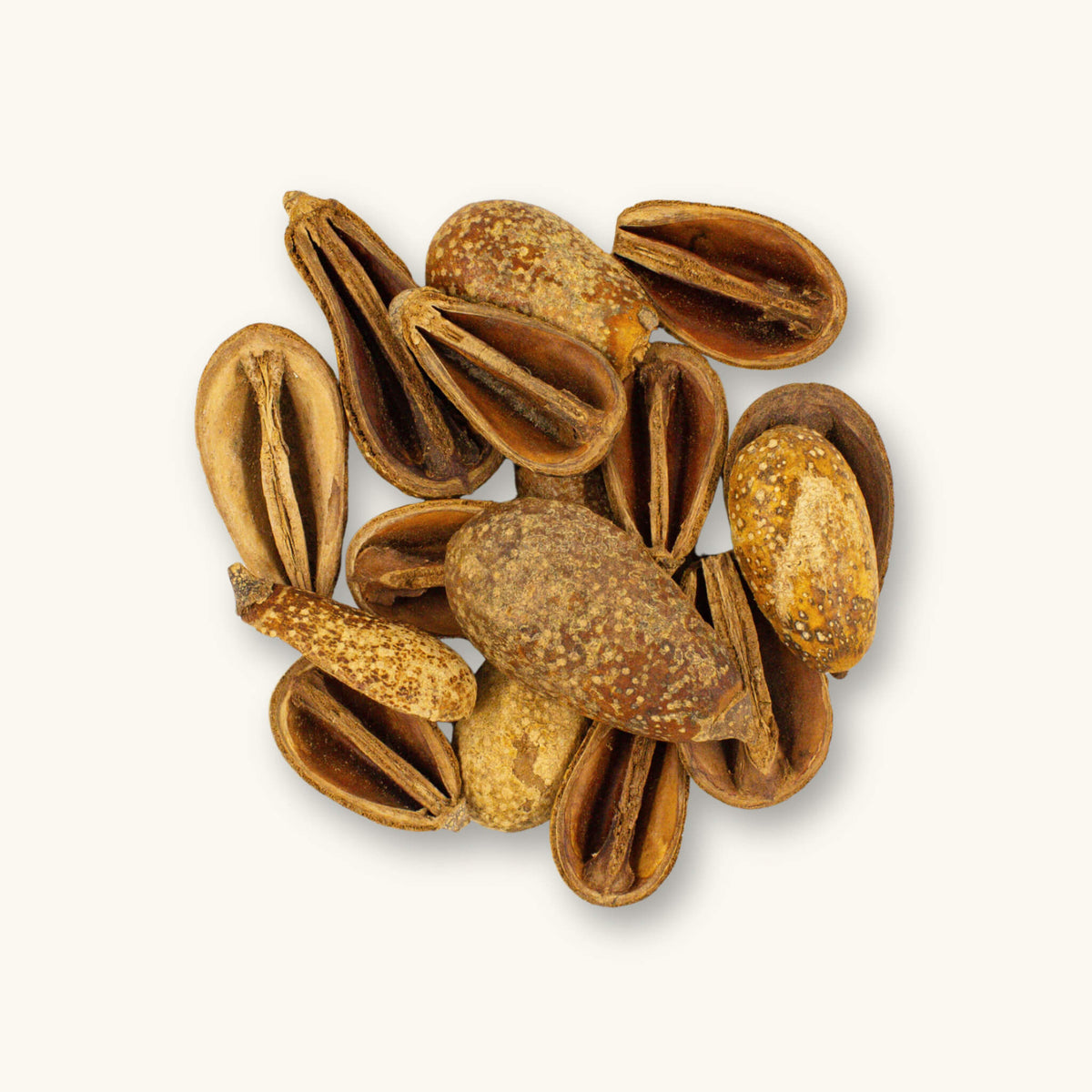
Mokha Pods are the woody capsules of the Schrebera swietenioides tree, a relative of the olive, and are sustainably collected from India. They break down slowly, providing habitat structure and biofilm grazing sites for shrimp, rasping fishes, and isopods. Each pod releases moderate amounts of brown tannins as they begin to soften, contributing a brown tint to Botanical Method Aquariums, blackwater aquariums, and vivariums.
Essential Details
- Tannin Level: Moderate
- Tint Color: Brown
- Durability: High
- Habitat Location: India
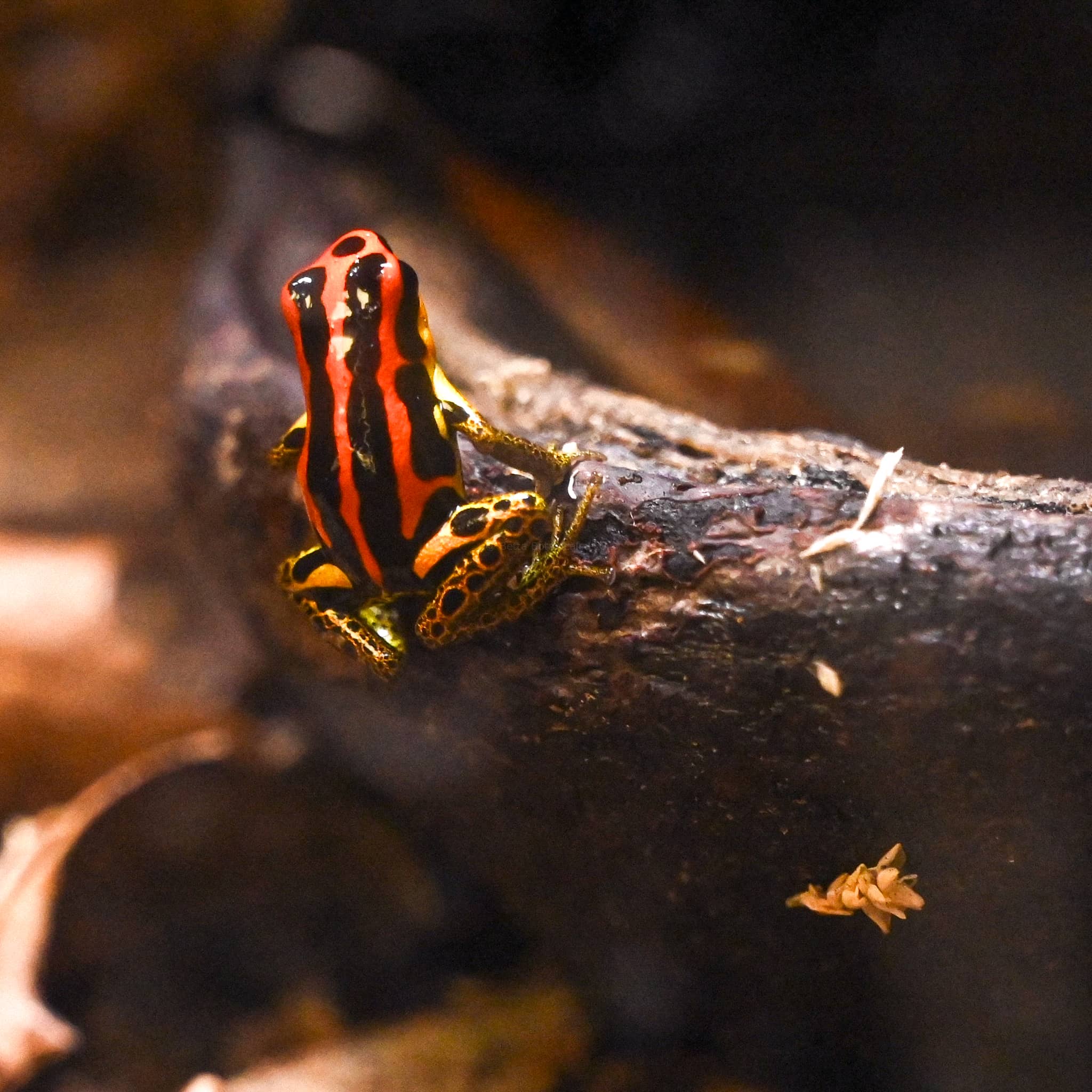
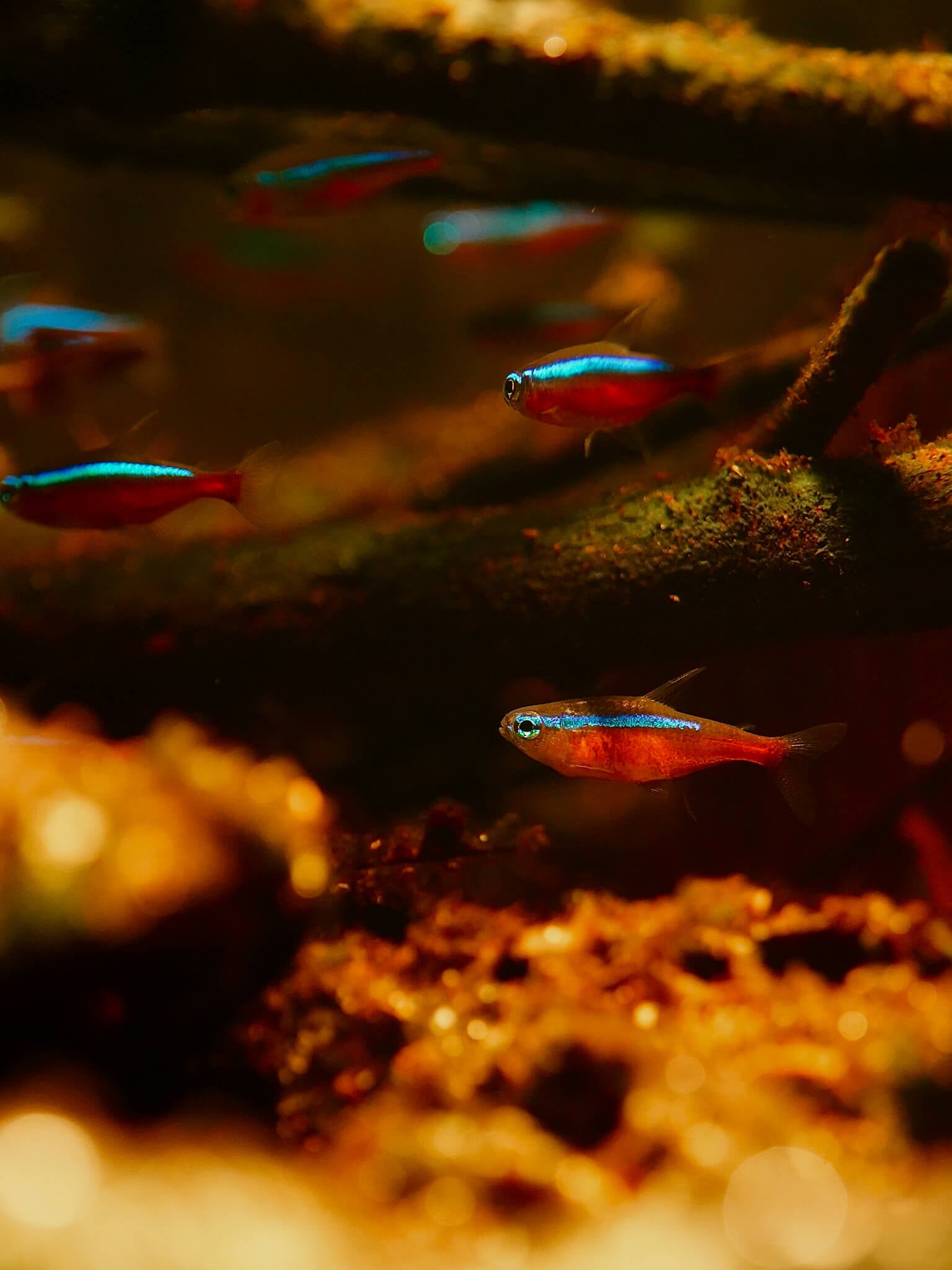
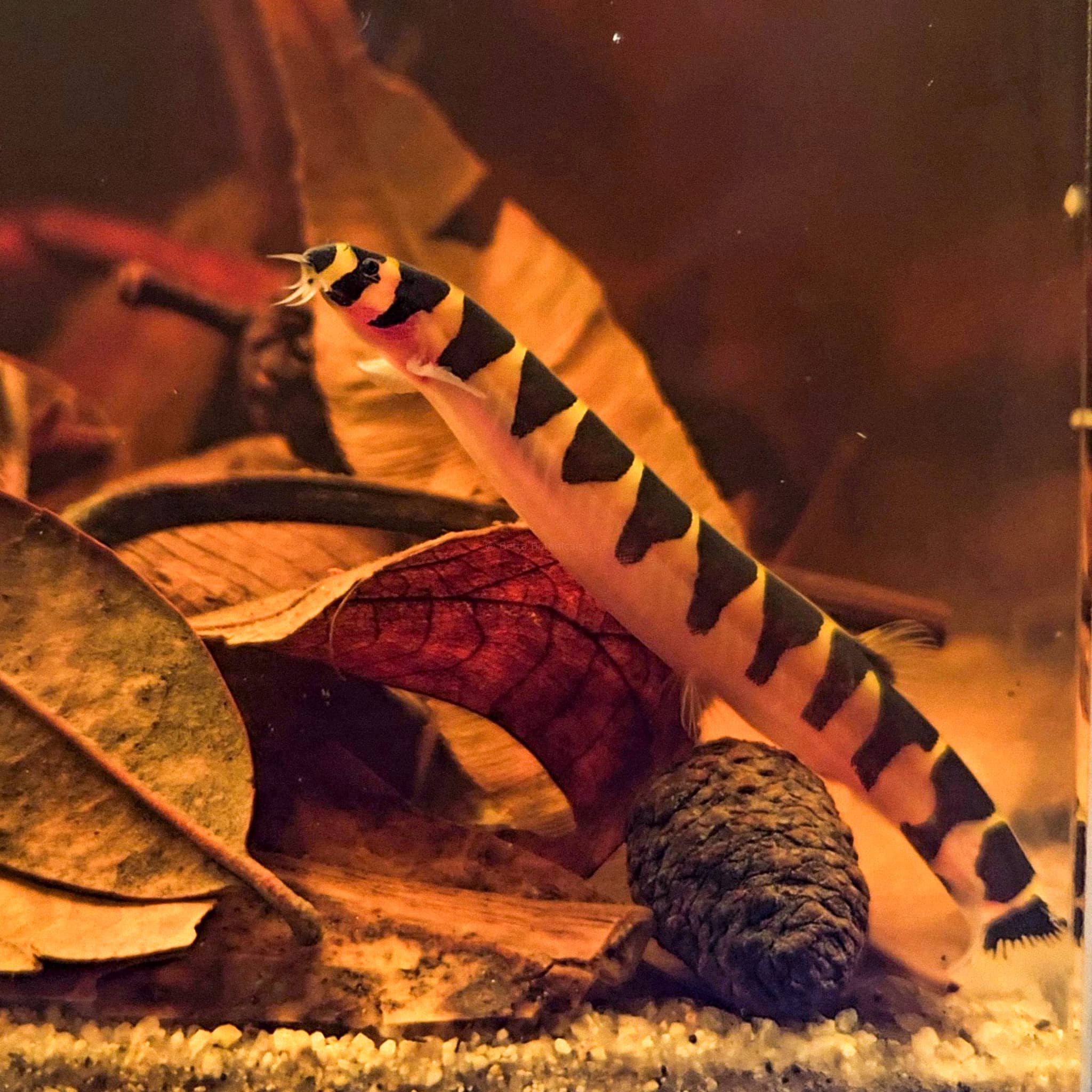
- Optimal For: Shrimp, otocinclus, plecos, betta fish, snails, tetras, isopods, and springtails
- Use with Caution: No known concerns for standard aquarium inhabitants
- Size Range: 1.5 to 3 inches long and 1 to 2 inches wide
- Quantities: 16 count, a mix of whole and split pods
Mokha Pods for Aquariums & Vivariums
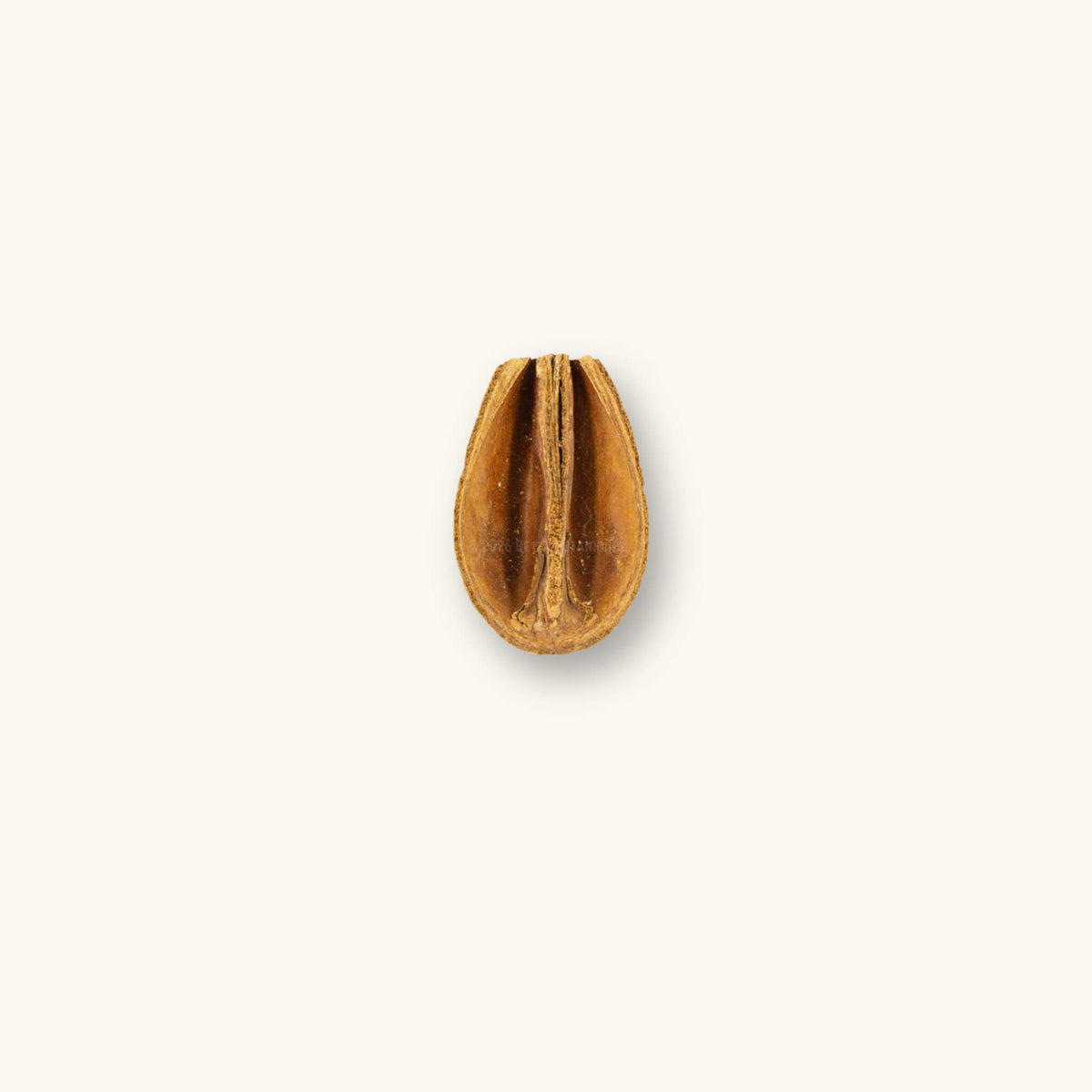
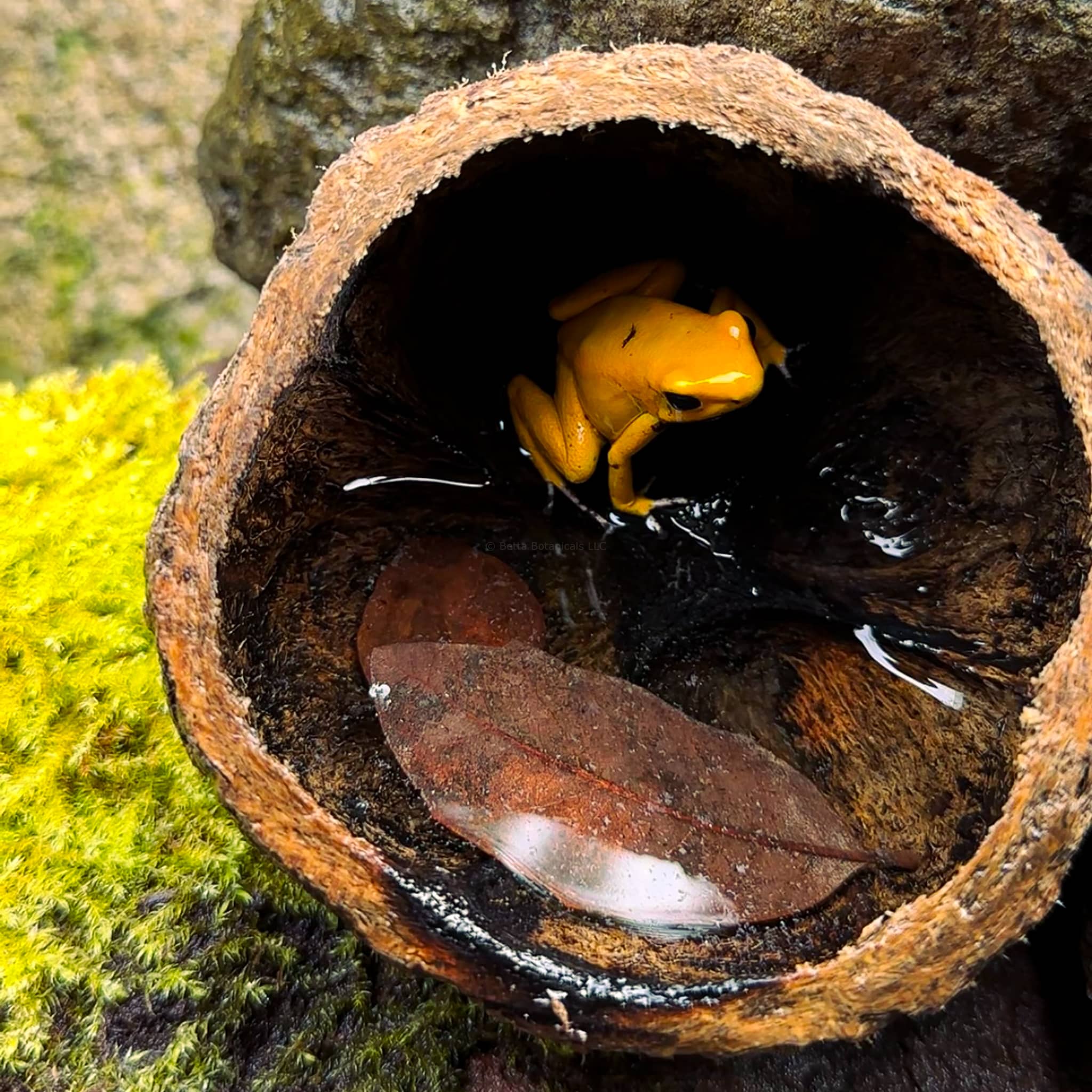
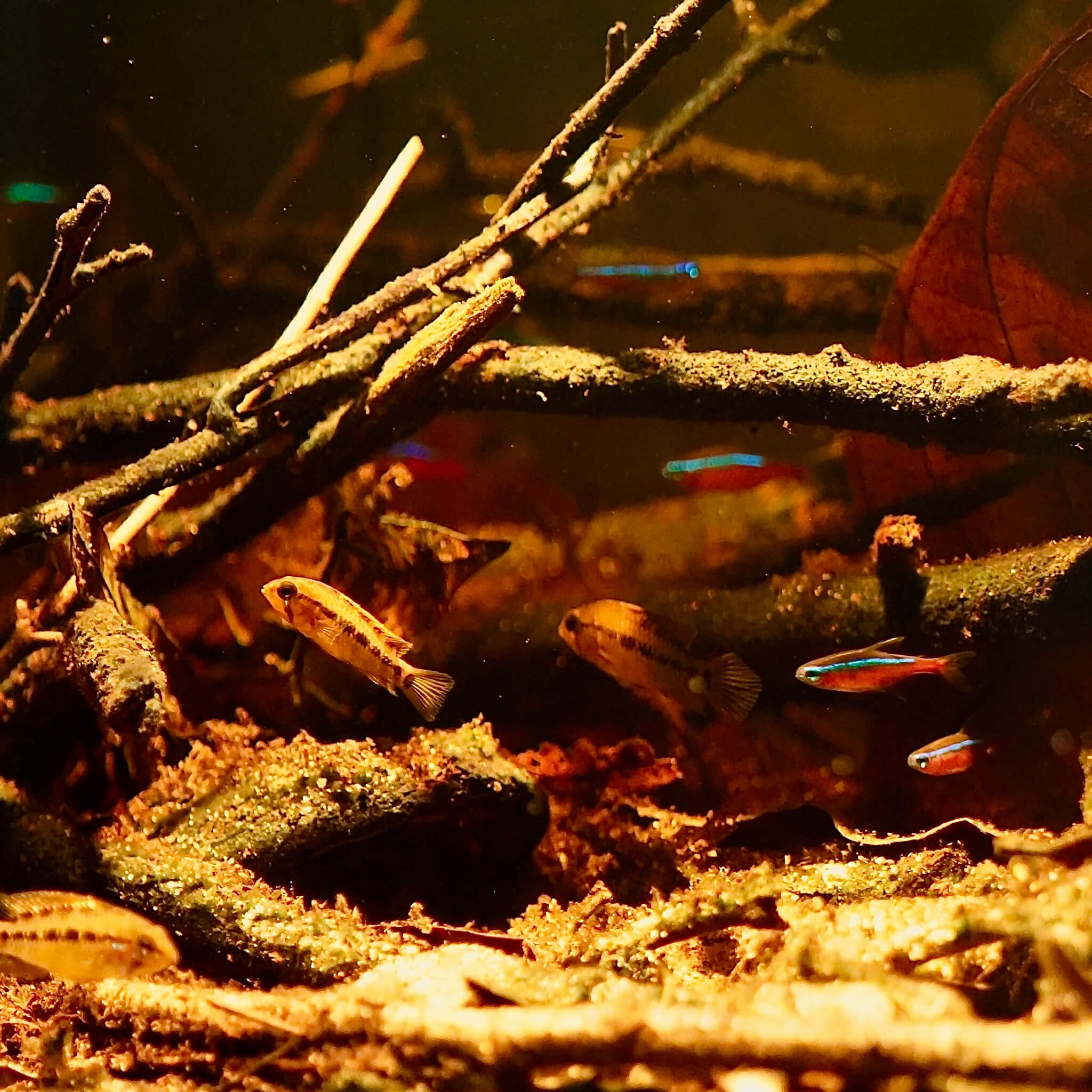
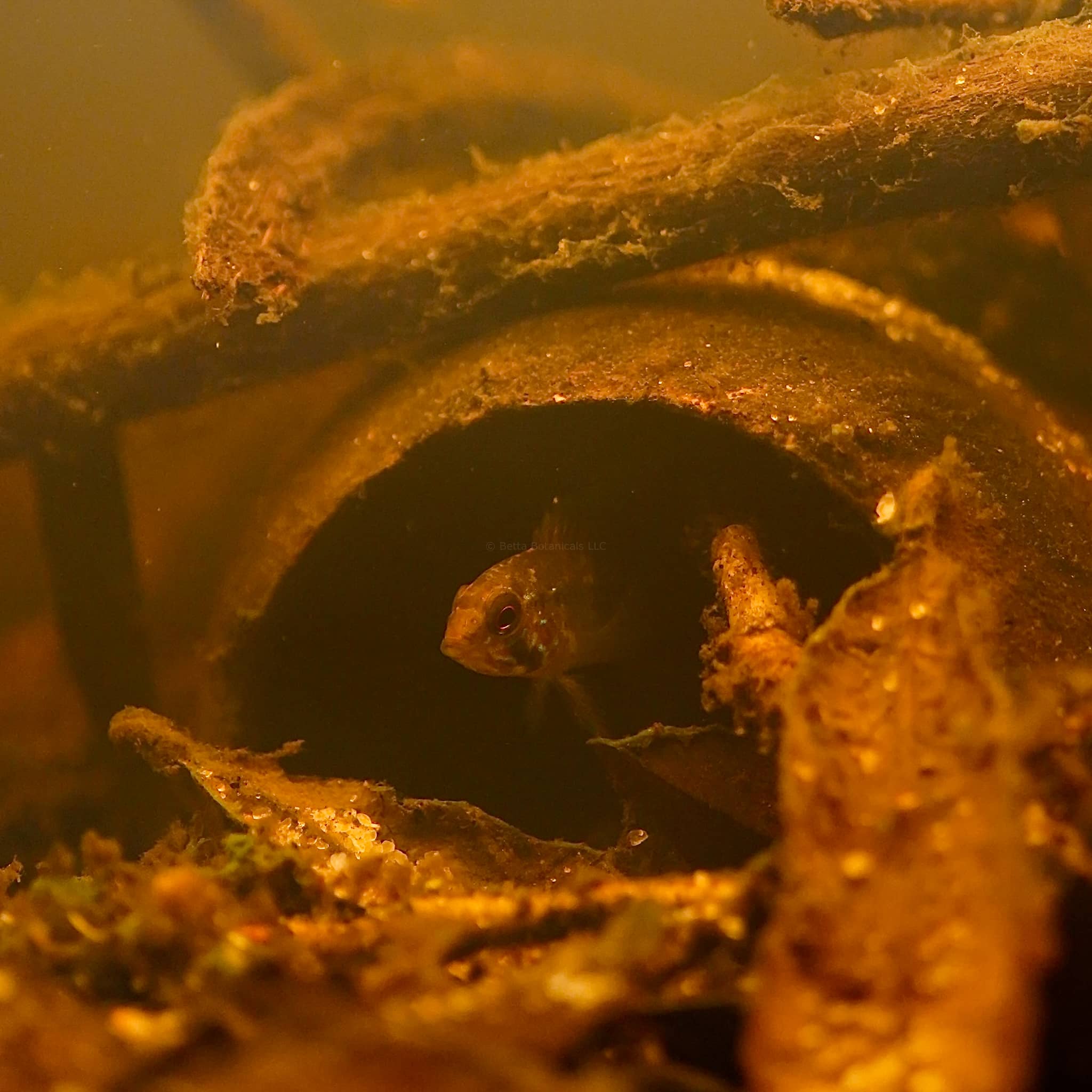
Once submerged, the fibrous surface of each pod is colonized by bacteria and fungi within a few days, forming a biofilm on the outer shell and along the interior of split pods. Shrimp, snails, otocinclus, and plecos often graze these biofilms between regular feedings, what we call supplemental nutrition. Split pods on the substrate help us provide refuge for fry, shrimplets, and small fishes in the aquarium.
As they gradually soften, Mokha Pods release moderate amounts of tannins into the water column, adding a brown tint. In soft or RODI water you can expect a mild pH reduction, and in harder tap water the effect on pH is negligible. Because these pods break down slowly, they will provide a long-term source of tannins and other plant compounds throughout their time on the substrate. Humic substances form from these precursors as the ecosystem matures. We recommend adding Mokha Pods, or any botanical, as a recurring input rather than a single addition, layering new material on top as older pieces break down into the perpetual substrate.
Because their woody walls are rich in lignin, Mokha Pods will remain present in the litter bed for upwards of a year, and we often pair them with materials of lesser durability to help mimic the diversity of materials found in leaf litter beds globally. Dysoxylum Pods are grazed and consumed by shrimp and plecos within weeks, and Tamarind Leaf Litter can be scattered about the aquarium, filling habitat gaps between the pods and other botanicals.
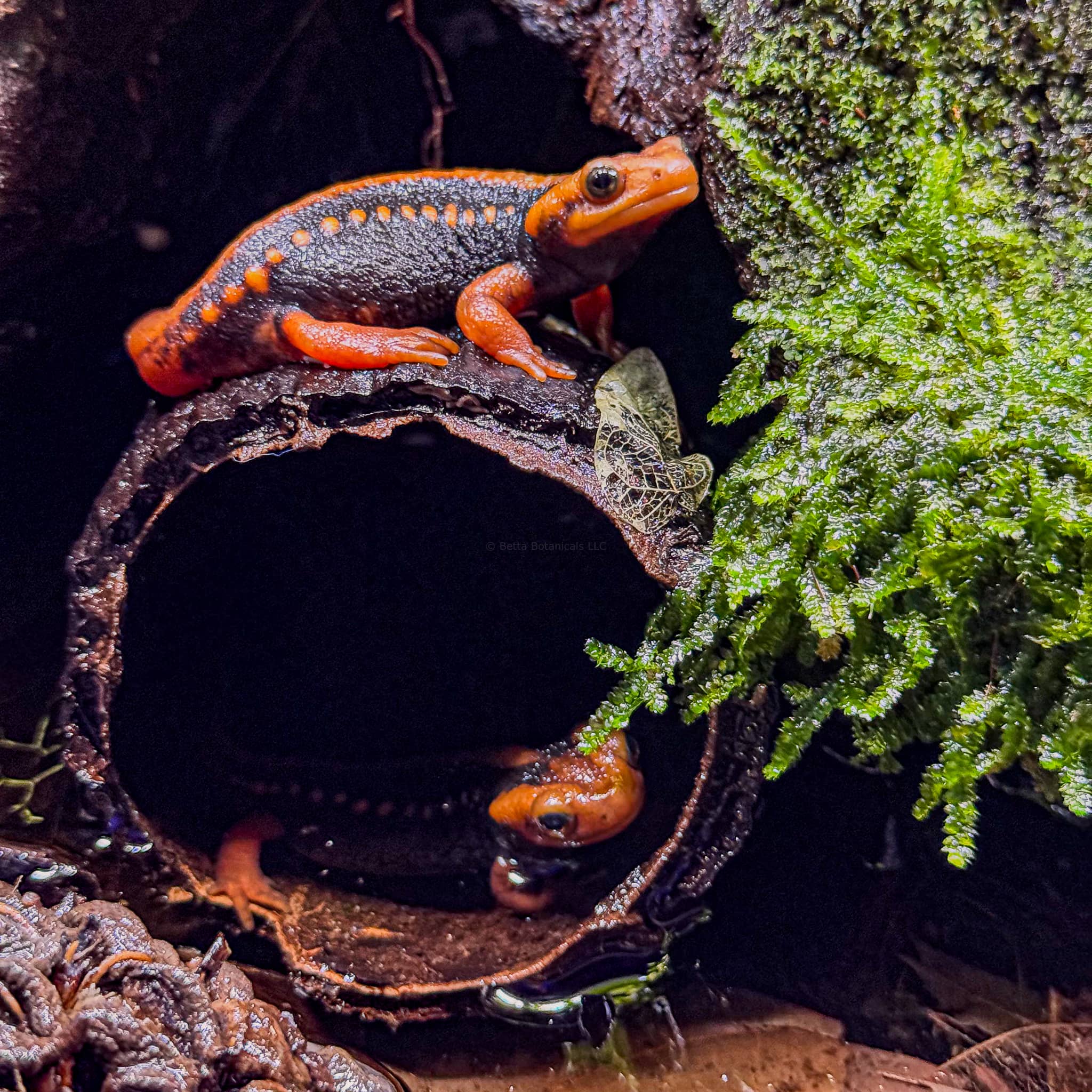
In bioactive vivariums, Mokha Pods provide durable habitat structure across the understory. As the lignified pods soften, fungi and microbes begin to colonize them, and isopods and springtails graze the surfaces. The detritus and mulm they produce feed the bacterial and fungal network beneath the leaves.
Beneath the Leaves: Schrebera swietenioides in the Wild
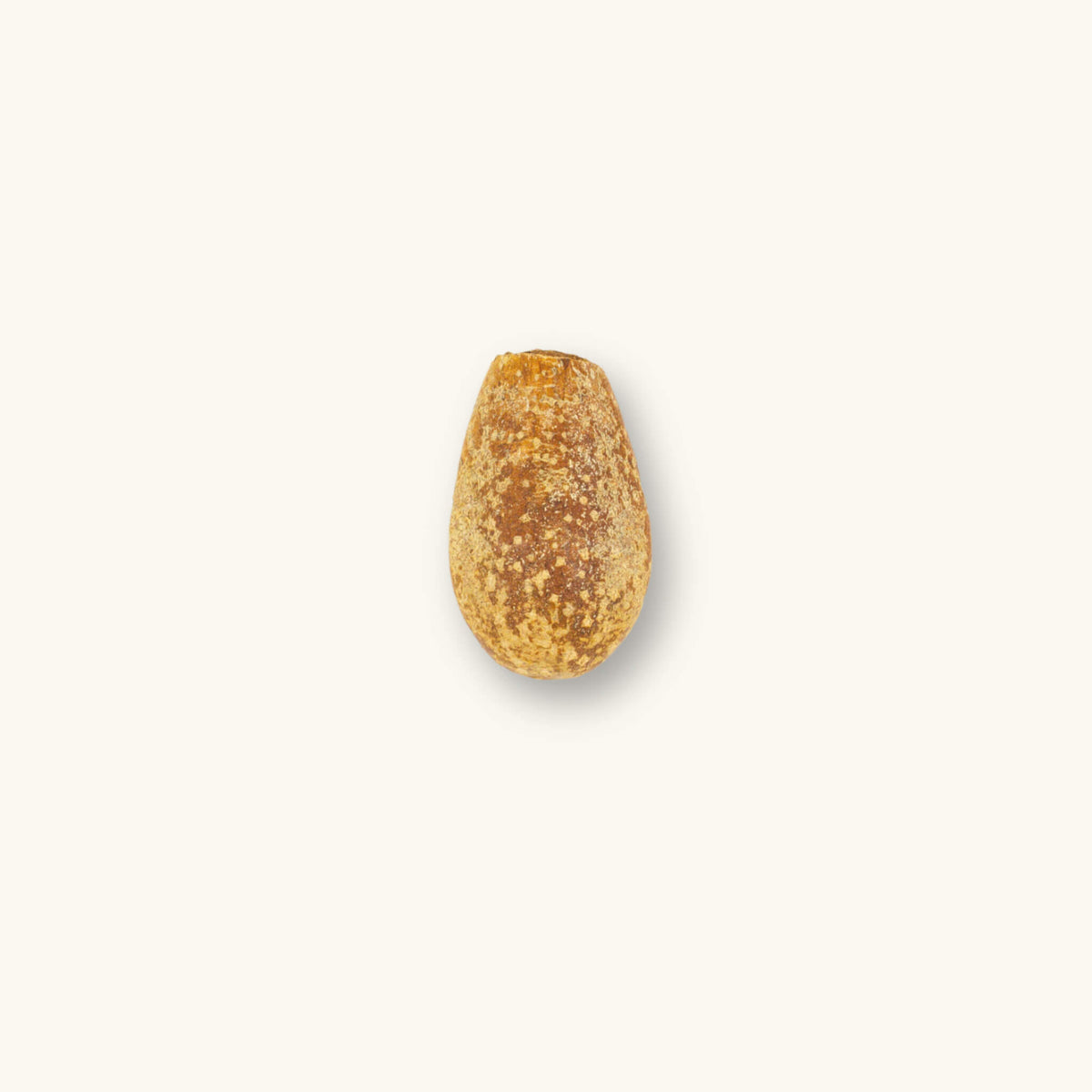
Schrebera swietenioides is a tree in the olive family, native across India east to Bangladesh, Myanmar, Thailand, Laos, and Cambodia. It grows in mixed forests of the seasonally dry tropics. Its woody, pear-shaped capsules split into two halves on the branch, releasing winged seeds that are carried off on the wind, and the capsules later fall to the forest floor. In Hindi the tree is called moka.
When we add Mokha Pods into the aquarium, we replicate the allochthonous inputs that fuel the food webs of aquatic ecosystems around the globe. Mother Nature leads the way.
Sustainability Note:
This product's packaging is home compostable. Just like the botanicals inside, it will break down naturally and return to the soil — because what supports your ecosystem should minimally impact our planet.
Not for human consumption. Preparation required.
This is a natural product — variation in color, shape, and texture is expected.
Home is getting more natural
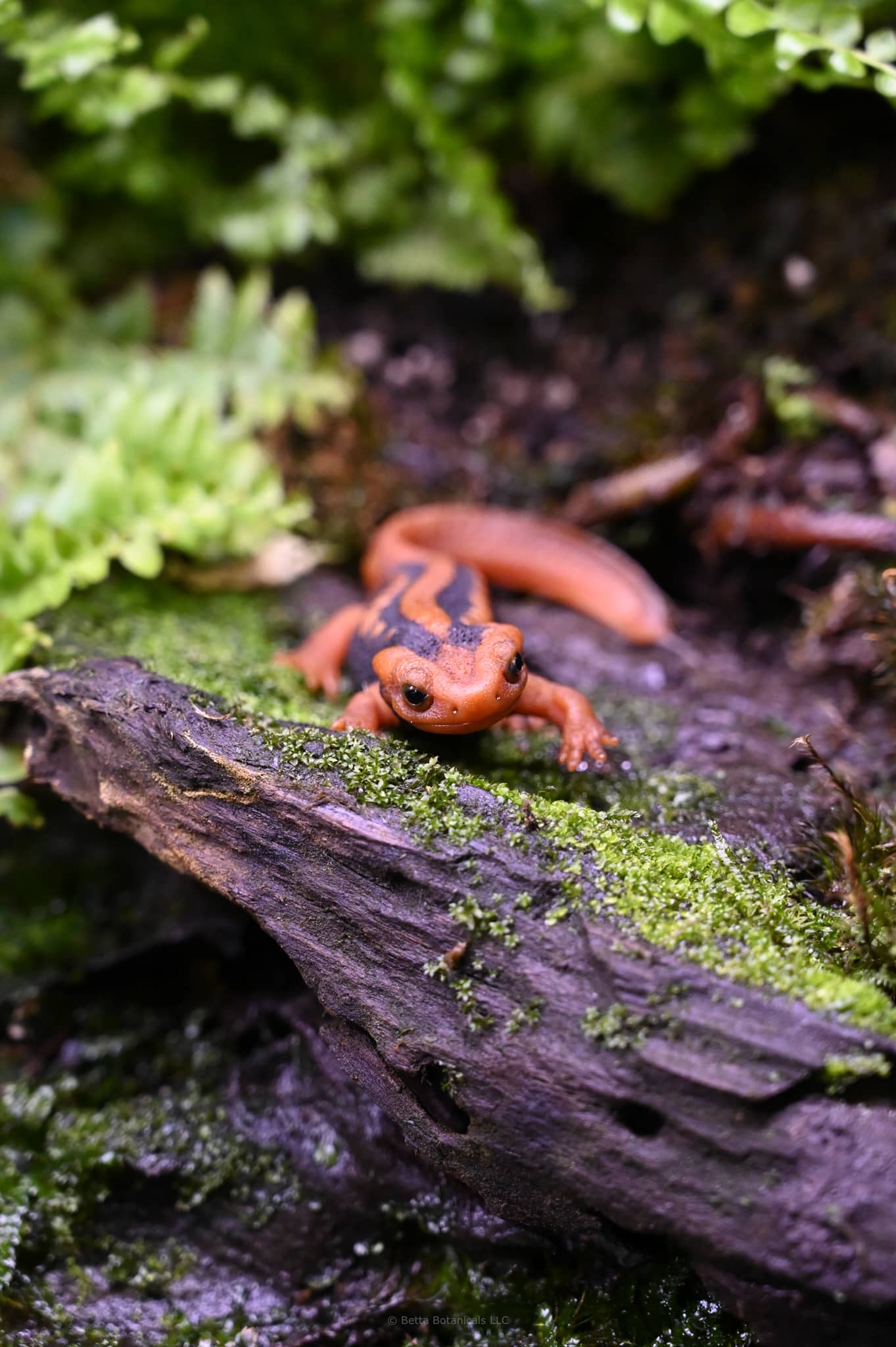
While the aesthetic appeal of botanicals and tinted water can be quite attractive to us, the recreation of nature to emulate water conditions, feeding patterns, spawning displays, and territory building are the true benefits botanicals provide to our critters.
Botanical FAQs
Compostable Packaging Promise
Our packaging is designed to return safely to the Earth, just like the botanicals inside. Every bag is BPA- and Phthalate-free, GMO-free, and contains no animal products. Each meets ASTM D6400 composting standards, ensuring it can fully break down in a home compost bin.
What are the Fluffy White Growths on my Botanicals?
That’s biofilm and fungi—what we call the “goo phase.” It’s one of the clearest signs that your aquarium is alive and functioning. These growths wax and wane naturally as botanicals decompose. They’re harmless, even beneficial, and will disappear on their own once microbial populations stabilize.
Will botanicals lower the pH of my water?
That depends entirely on your source water. In very soft or RODI water, botanicals can gradually lower pH as tannins and humic substances accumulate. In medium to hard tap water, buffering capacity often resists these shifts, and you may not notice much change. At Betta Botanicals HQ, our very hard water (350+ ppm) shows almost no pH change unless we use botanicals like Alder Cones or Macaranga Leaves.
When should I replace leaves or pods in my tank?
We recommend allowing botanicals to fully break down into detritus, since this fuels microbial life and enriches the substrate. You can remove them once they stop tinting the water, but you’ll lose some of their ecological benefits. Each time you add new botanicals, follow proper preparation and observe your livestock until you learn your aquarium’s rhythm.
Are your products just for bettas?
Nope. Our botanicals are safe for almost all aquariums, terrariums, vivariums, and paludariums. The only exceptions are goldfish and axolotls, which may ingest small pods like alder cones or casuarina cones. For those species, we recommend large leaves such as Indian Almond, Loquat, or Jackfruit.
What are Tannins?
Tannins are natural compounds released by leaves, seed pods, and bark as they decompose in water. They soften water, gently lower pH, and create the characteristic tea-stained tint found in blackwater habitats. But their role goes far beyond color—tannins fuel beneficial bacteria, fungi, and biofilms, which form the foundation of a healthy ecosystem. They also offer mild antifungal benefits and help reduce stress in fish by replicating the natural conditions they’ve evolved in. At their core, tannins are plant-derived antioxidants that connect your aquarium to the same processes at work in wild flooded forests and streams.