



Melastoma Roots | Melastoma malabathricum
Melastoma Roots on the Surface:
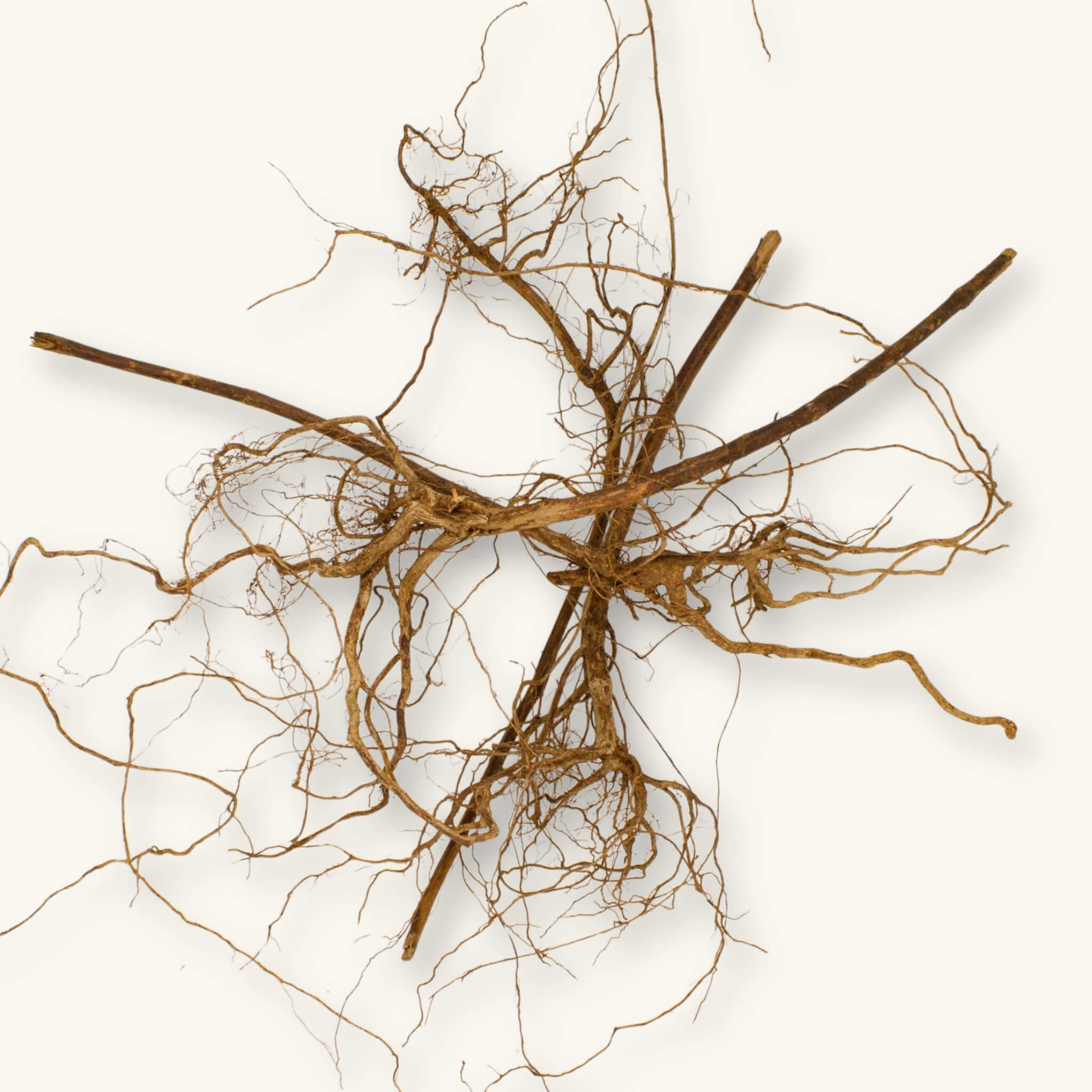
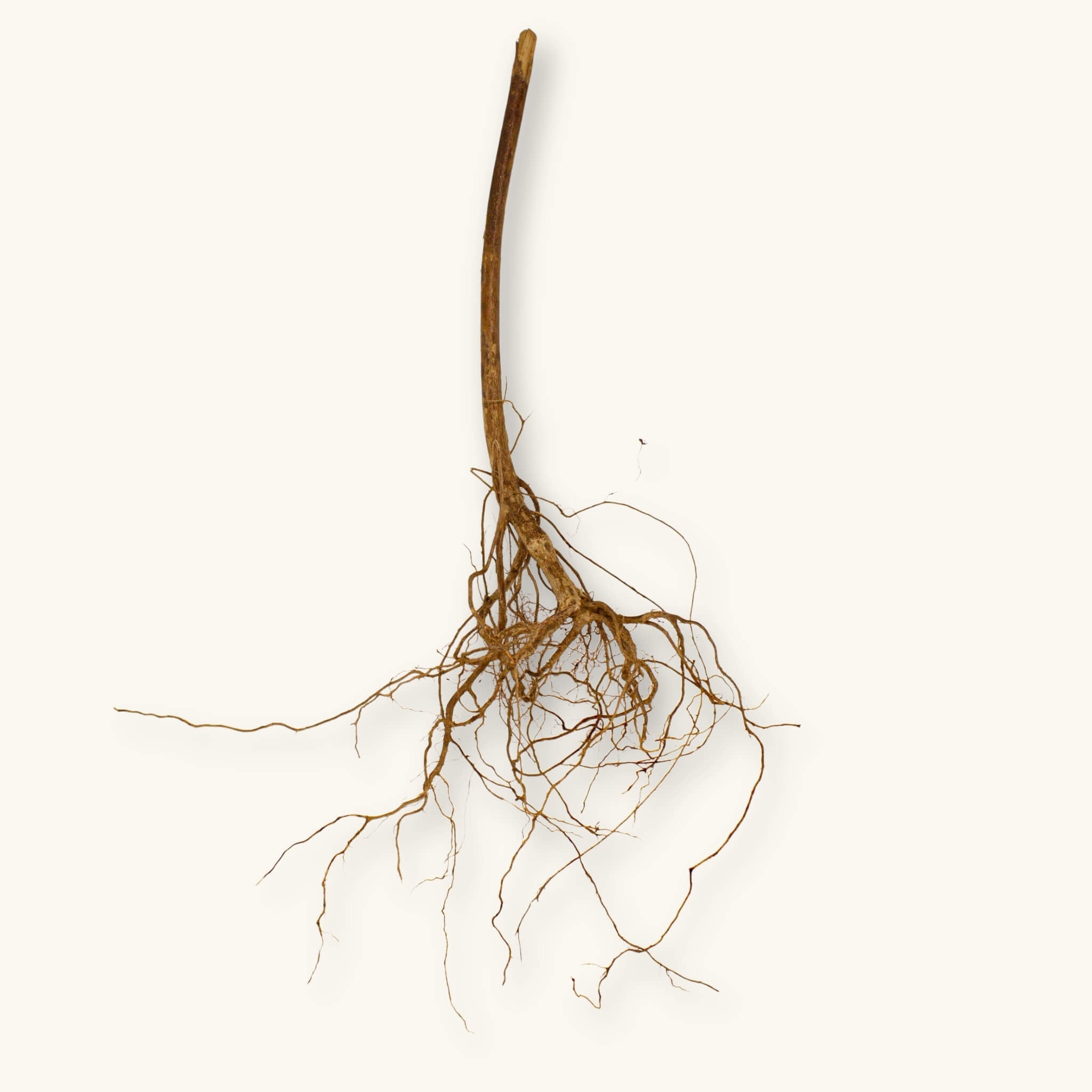
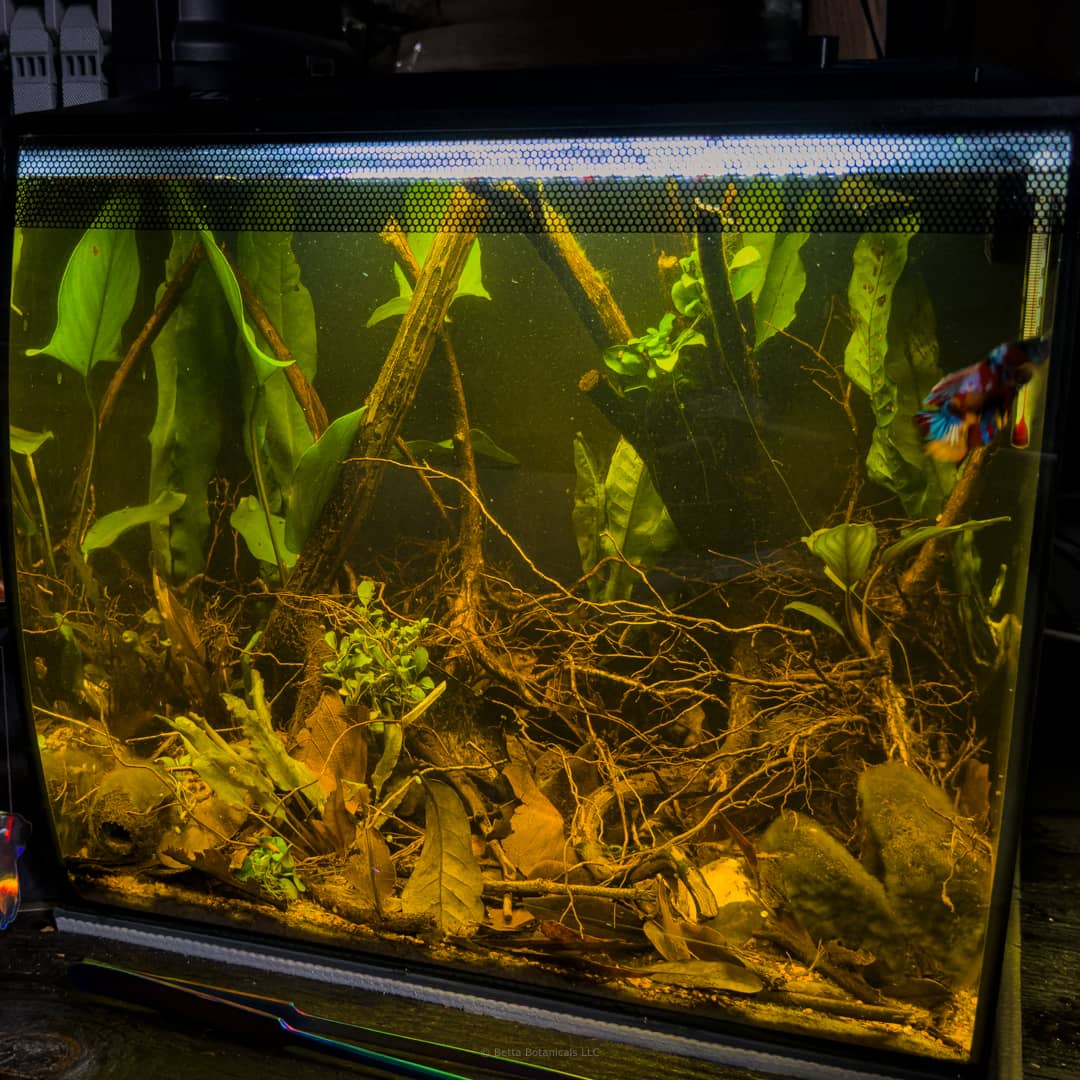
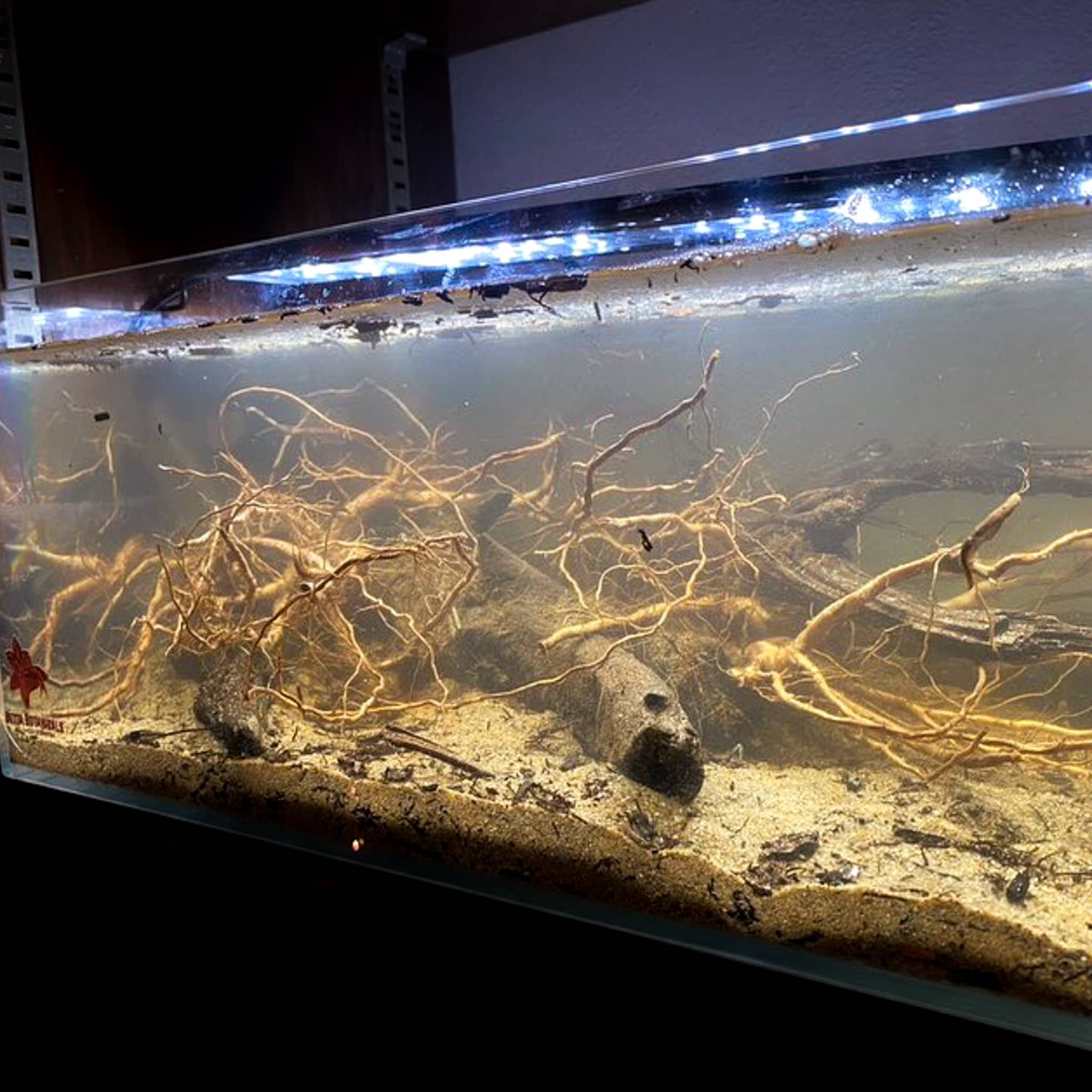
Melastoma Roots come from Melastoma malabathricum, a shrub of river banks and secondary forest that is sustainably collected in Sumatra and Java, Indonesia. Each curated specimen is a thin, branching root ball with the stem attached, a size that suits the nano Botanical Method Aquarium as the main habitat feature. Once submerged, the wood provides surface area for biofilm and interstitial pore space that bettas, rasboras, and gouramis use as refuge in blackwater and biotope aquariums. Our favorite way to use them is when replicating an eroded stream bank, which often contains fine and exposed roots from the surrounding forest.
Essential Details
- Tannin Level: Low
- Tint Color: Brown to yellow
- Durability: High
- Habitat Location: River banks and secondary forest of Sumatra and Java, Indonesia
- Optimal For: Bettas, rasboras, gouramis, and other Southeast Asian fishes, corydoras, Apistogramma
- Use with Caution: No known concerns for standard aquarium inhabitants.
- Size Range: Approximately 6" to 10" root ball with the branch attached; sizes range
- Quantities: 4 pieces per pack. Each piece is selected by hand, and photos show general expectations.
Melastoma Roots for Aquariums & Vivariums
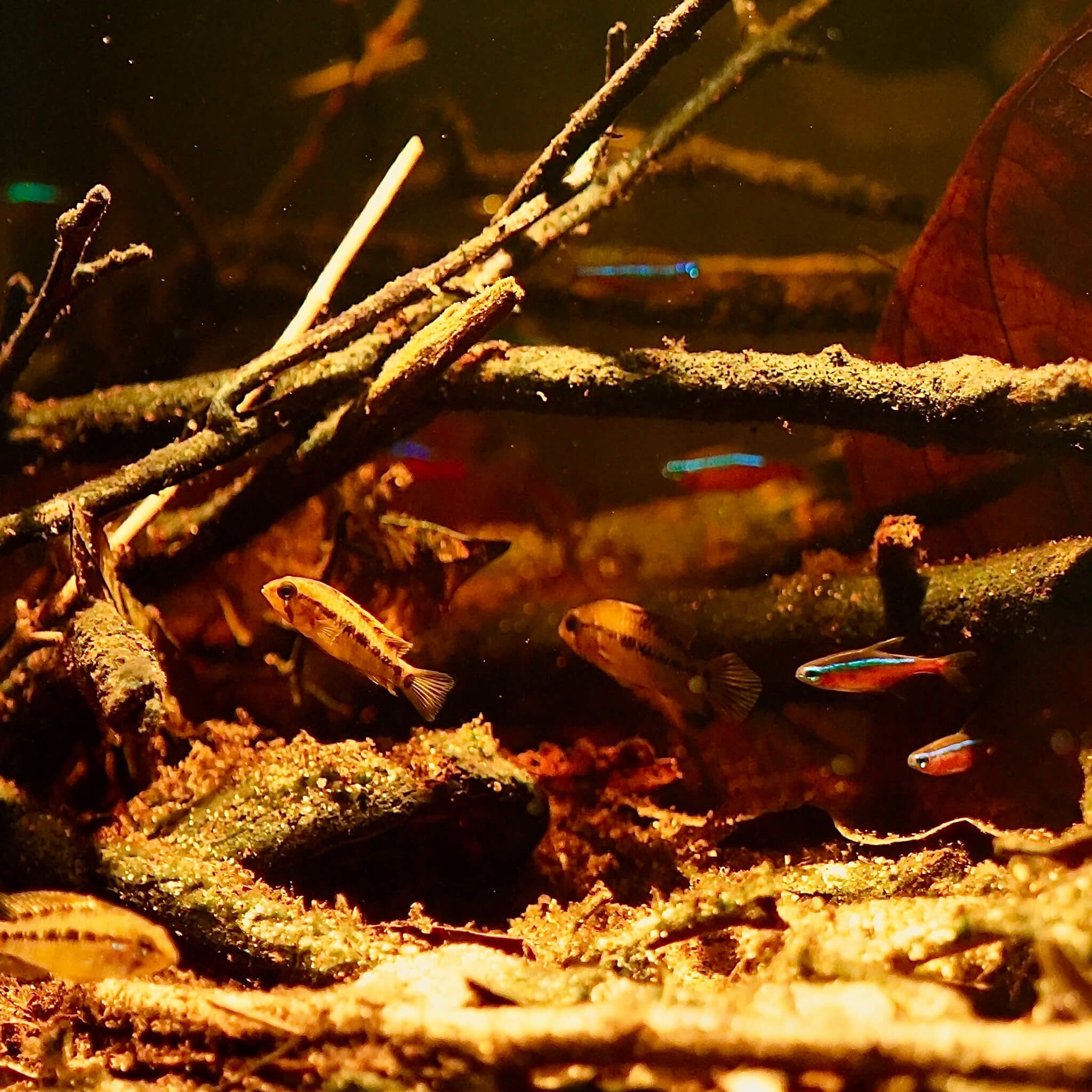
Melastoma Roots are a structural botanical. Once submerged, the textured wood is colonized by bacteria and fungi, and this early biofilm helps feed and cultivate periphyton, a grazing resource for shrimp, snails, and the small fishes of the Botanical Method Aquarium. The fine, entangled roots create refuge sites and territory boundaries for bettas, rasboras, gouramis, corydoras, and Apistogramma.
Boiling the wood on the stovetop for an extended time, or soaking it in a bucket for several days, waterlogs it so it stays in place. Small rocks or cyanoacrylate super glue can anchor a piece that still floats. Over time, the wood darkens as bacteria, algae, biofilm, and fungi encrust it as we would find in nature.
Wood, like seed pods, is less ephemeral than leaf litter, so the roots remain present across multiple additions of leaf litter. Borneo Rasamala Root, a thicker structural wood sourced from West Java, pairs with the finer branching of Melastoma Roots to add both habitat and structure at more than one scale. We recommend layering leaf litter over and between the branches as a recurring input rather than a single addition, and letting older leaves break down into the perpetual substrate. In vivariums and paludariums, boil or bake the roots on low heat to sterilize them before placement. They provide structure on the forest floor alongside leaf litter, and the litter breaks down into detritus that feeds your clean-up crew of springtails and isopods.
Beneath the Leaves: Melastoma malabathricum in the Wild
Melastoma malabathricum is an evergreen shrub that grows 1.5 to 3 meters tall, occasionally reaching 5 meters as a small tree. It is a pioneer species, occurring from sea level into the mountains on river banks and in secondary forest, grassland, and other disturbed ground. It grows on a wide range of soils, and in traditional use its roots yield a pink dye.
Where a stream bank erodes, roots and branches are exposed to the water, and biofilm, fungi, and aquatic invertebrates are quick to colonize the wood. Melastoma Roots can help us replicate an eroded stream bank in the aquarium, with the same sequence of colonization. When we add Melastoma Roots into the aquarium, we replicate the allochthonous inputs that fuel the food webs of aquatic ecosystems around the globe.
Mother Nature leads the way.
Sustainability Note:
This product's packaging is home compostable.
Just like the botanicals inside, it will break down naturally and return to the soil — because what supports your ecosystem should minimally impact our planet.
Not for human consumption. Preparation required.
This is a natural product — variation in color, shape, and texture is expected.
Home is getting more natural
While the aesthetic appeal of botanicals and tinted water can be quite attractive to us, the recreation of nature to emulate water conditions, feeding patterns, spawning displays, and territory building are the true benefits botanicals provide to our critters.
Botanical FAQs
Compostable Packaging Promise
Our packaging is designed to return safely to the Earth, just like the botanicals inside. Every bag is BPA- and Phthalate-free, GMO-free, and contains no animal products. Each meets ASTM D6400 composting standards, ensuring it can fully break down in a home compost bin.
What are the Fluffy White Growths on my Botanicals?
That’s biofilm and fungi—what we call the “goo phase.” It’s one of the clearest signs that your aquarium is alive and functioning. These growths wax and wane naturally as botanicals decompose. They’re harmless, even beneficial, and will disappear on their own once microbial populations stabilize.
Will botanicals lower the pH of my water?
That depends entirely on your source water. In very soft or RODI water, botanicals can gradually lower pH as tannins and humic substances accumulate. In medium to hard tap water, buffering capacity often resists these shifts, and you may not notice much change. At Betta Botanicals HQ, our very hard water (350+ ppm) shows almost no pH change unless we use botanicals like Alder Cones or Macaranga Leaves.
When should I replace leaves or pods in my tank?
We recommend allowing botanicals to fully break down into detritus, since this fuels microbial life and enriches the substrate. You can remove them once they stop tinting the water, but you’ll lose some of their ecological benefits. Each time you add new botanicals, follow proper preparation and observe your livestock until you learn your aquarium’s rhythm.
Are your products just for bettas?
Nope. Our botanicals are safe for almost all aquariums, terrariums, vivariums, and paludariums. The only exceptions are goldfish and axolotls, which may ingest small pods like alder cones or casuarina cones. For those species, we recommend large leaves such as Indian Almond, Loquat, or Jackfruit.
What are Tannins?
Tannins are natural compounds released by leaves, seed pods, and bark as they decompose in water. They soften water, gently lower pH, and create the characteristic tea-stained tint found in blackwater habitats. But their role goes far beyond color—tannins fuel beneficial bacteria, fungi, and biofilms, which form the foundation of a healthy ecosystem. They also offer mild antifungal benefits and help reduce stress in fish by replicating the natural conditions they’ve evolved in. At their core, tannins are plant-derived antioxidants that connect your aquarium to the same processes at work in wild flooded forests and streams.
- Amazing roots with so much detail. This will make the tank look like nature intended.
- Gnarly thin roots give a really cool natural underwater look. Fish love swimming amongst them.
- Beautiful and impressive pieces! Totally creates a natural look to my blackwater tanks.
The roots are a must have for a botanical style aquarium!
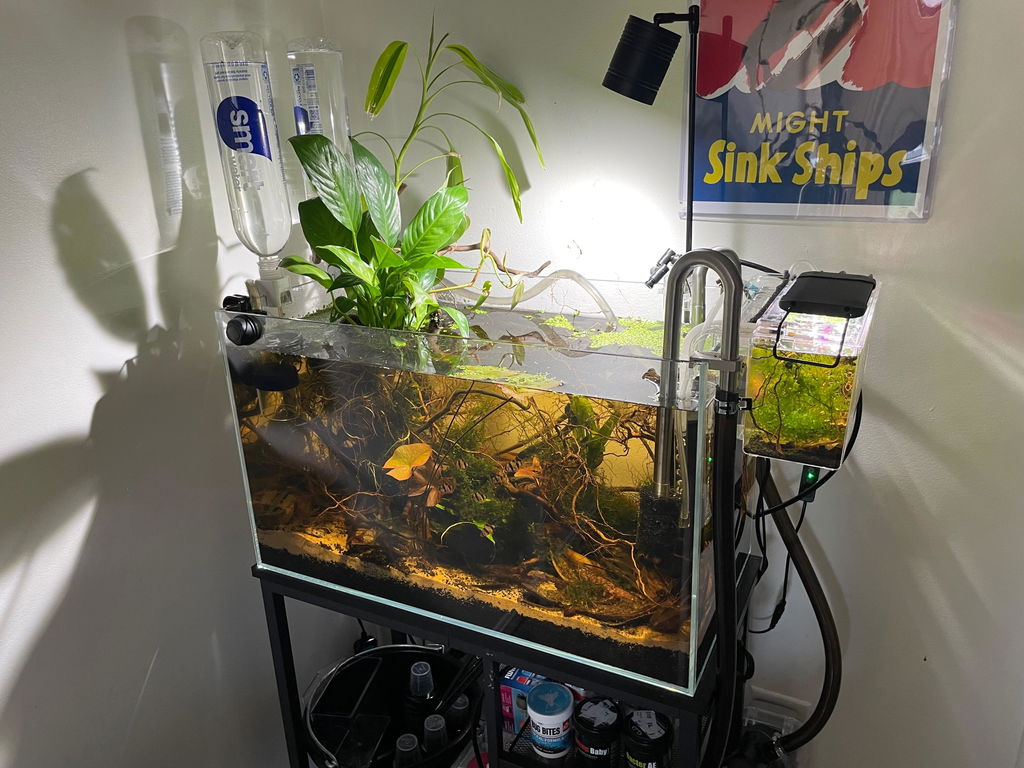
I absolutely LOVE all my botanicals and my bettas do too. They look great and create a beautiful natural setting. Will be purchasing all my botanicals from here in the future as well.
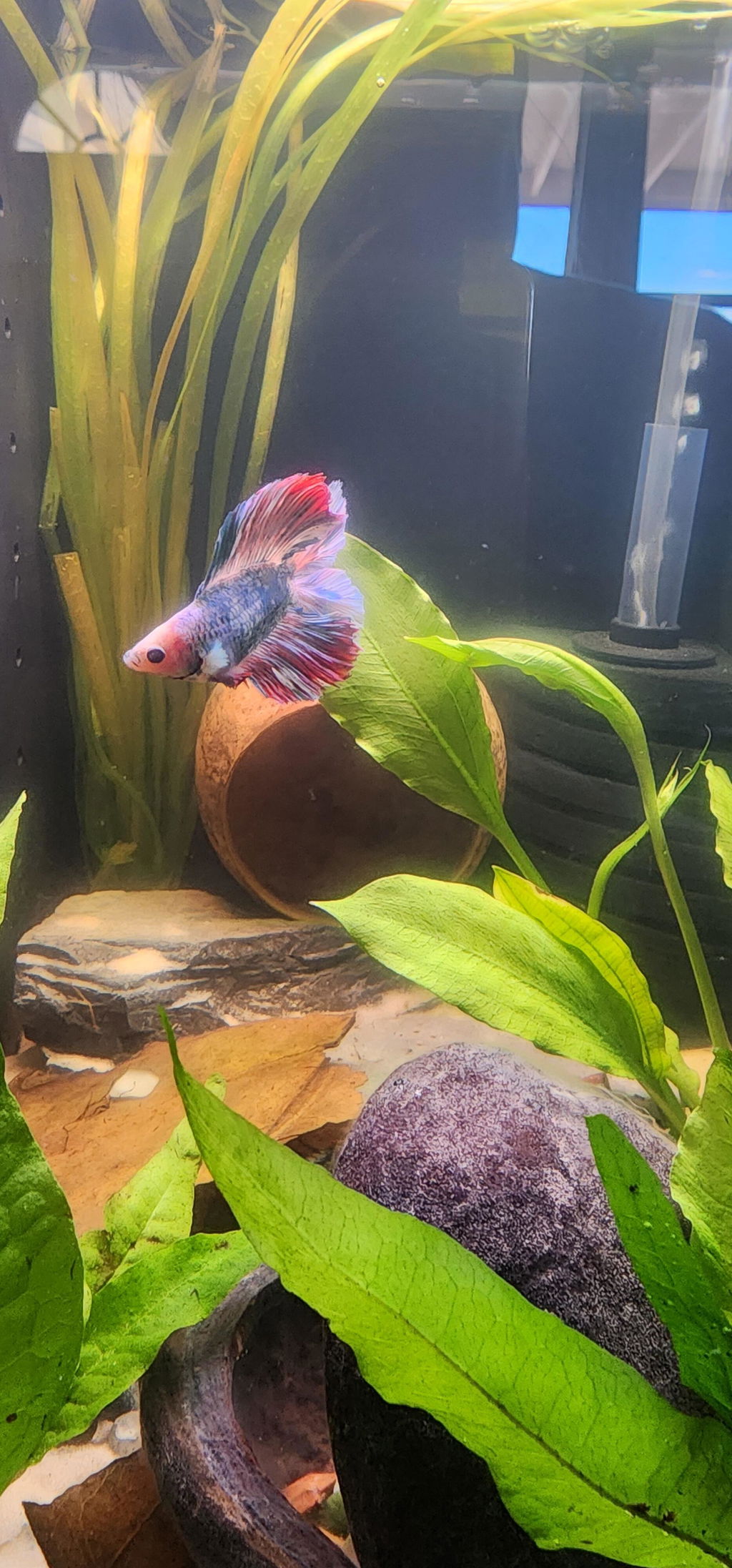
amazing roots with so much detail.
this will make the tank look like nature intended
Good and amazing customer service
It came as described, fast shipping.
Love it! Looks great on my Bettas hendra tank. I will buy it again.
Beautiful and impressive pieces! Totally creates a natural look to my blackwater tanks.
Gnarly thin roots give a really cool natural underwater look. Fish love swimming amongst them.
Glad to hear! My favorite root for mimicking an eroded stream bank or, as your fish demonstrated, creating habitat for them to swim through. Thank you for leafing a reivew :) -Ben
I love it! It makes my tank look so nice.