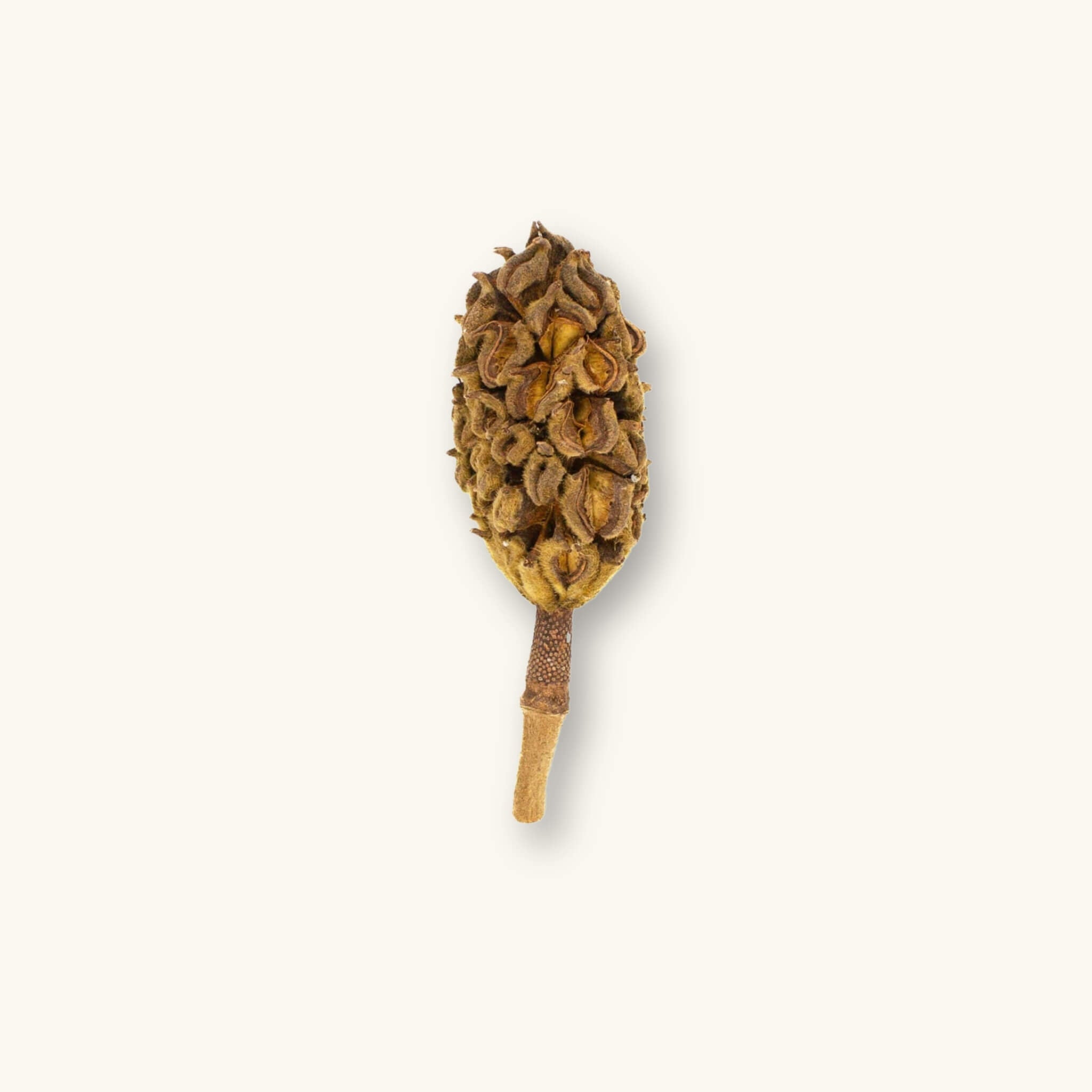
Southern Magnolia Pods | Magnolia grandiflora
Southern Magnolia Pods on the Surface:
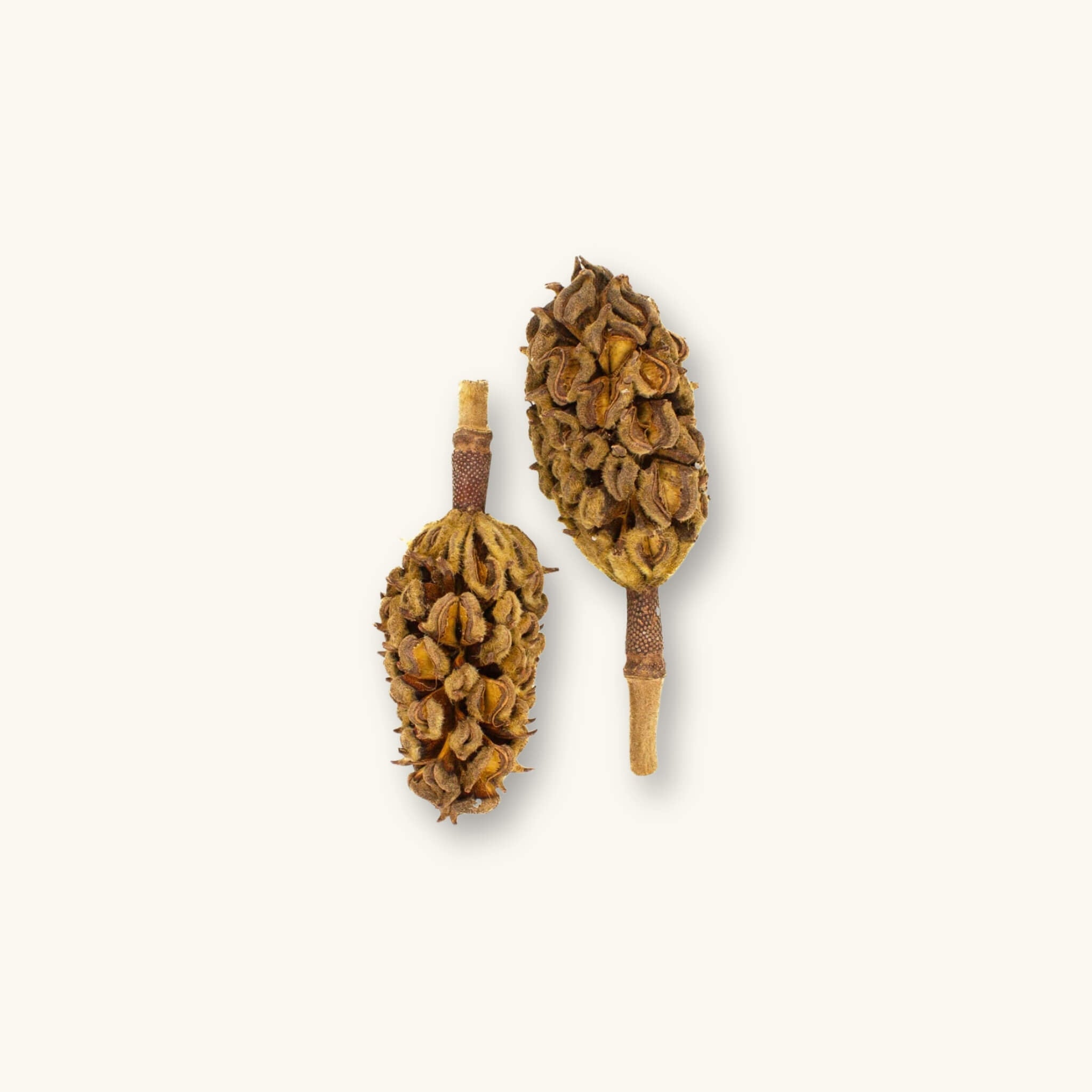
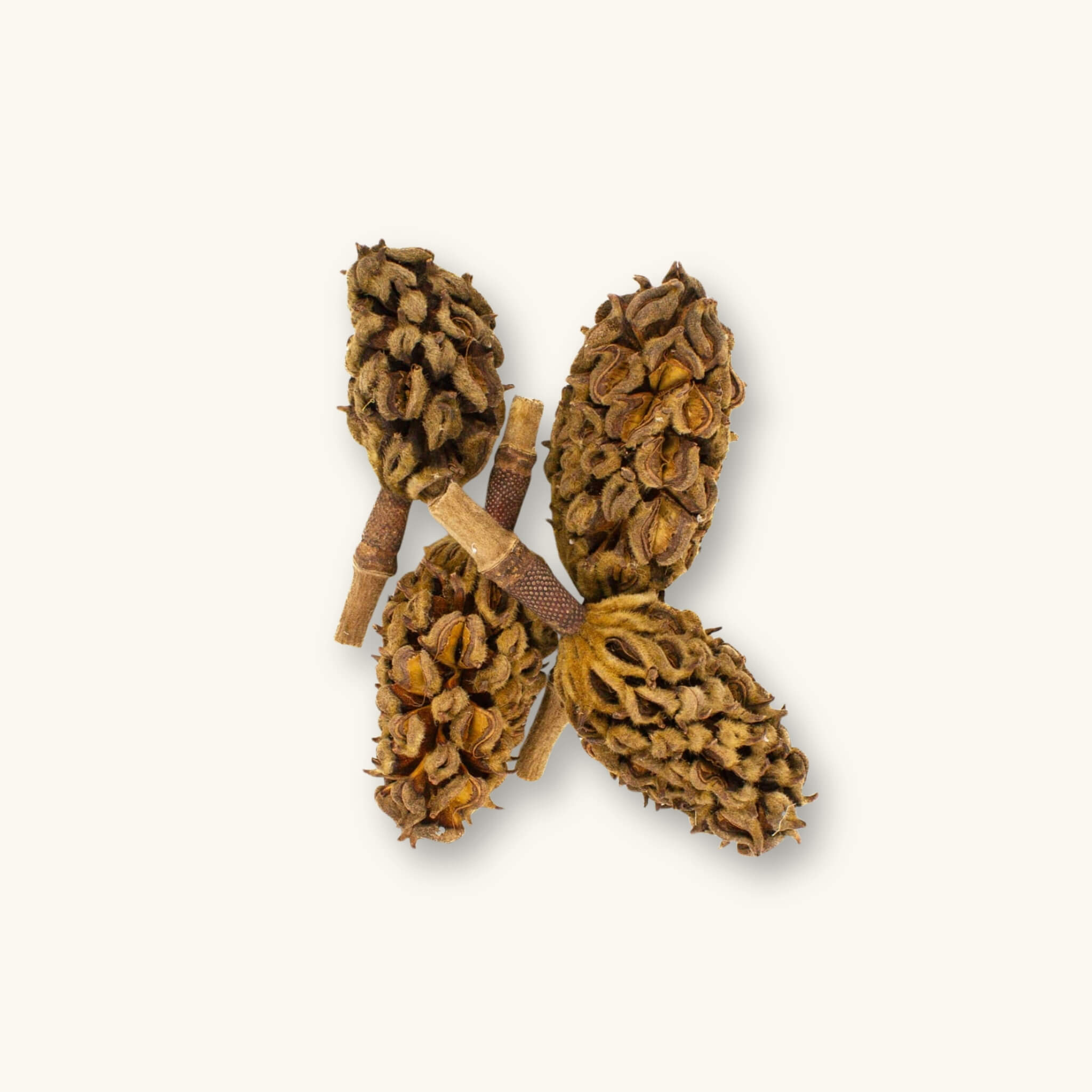
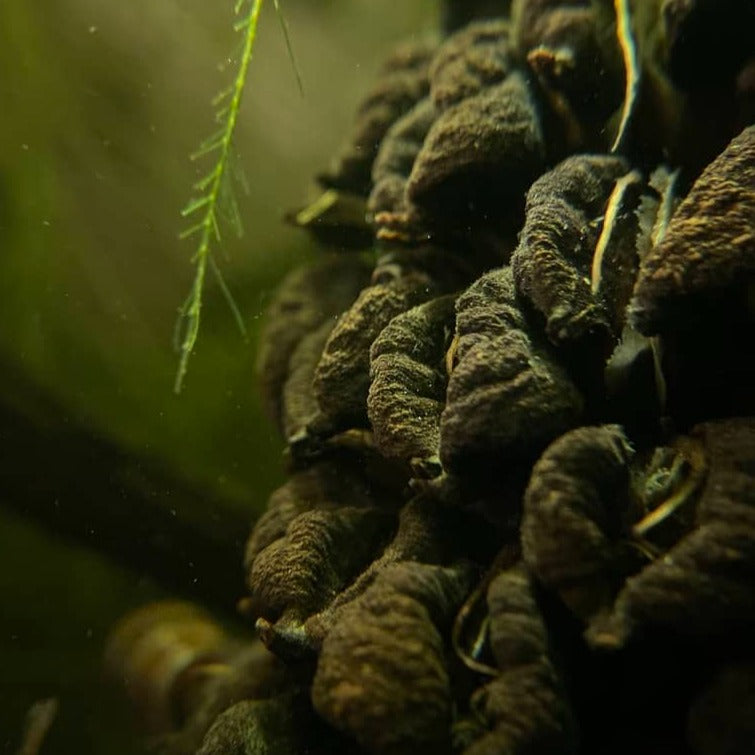
Southern Magnolia Pods (Magnolia grandiflora) are the woody seed cones of the Southern Magnolia tree and one of the very first aquatic botanicals we offered here at Betta Botanicals in 2021. Every cone is a cluster of follicles, so the surface is chambered and deeply pitted, promoting biofilm and fungal growth that shrimp, snails, and fry can graze on. If Southern Magnolia trees grow where you live, these are a prime candidate to collect yourself, but we curate them here for ecosystem builders where they can't be found safely.
Essential Details
- Tannin Level: Moderate to high
- Tint Color: Golden brown to amber
- Durability: High; lasts several months
- Habitat Location: Southeastern United States (harvested from cultivated and urban landscapes within its native range)
- Optimal For: Neocaridina and Caridina shrimp, snails, corydoras, otocinclus, apistogramma, betta fish, pygmy sunfish, dart frogs, and isopods
- Use with Caution: No known concerns for standard aquarium inhabitants
- Size Range: Approximately 2 to 4 inches long
- Quantities: 2 count and 4 count Southern Magnolia Pods per pack
Southern Magnolia Pods for Aquariums & Vivariums
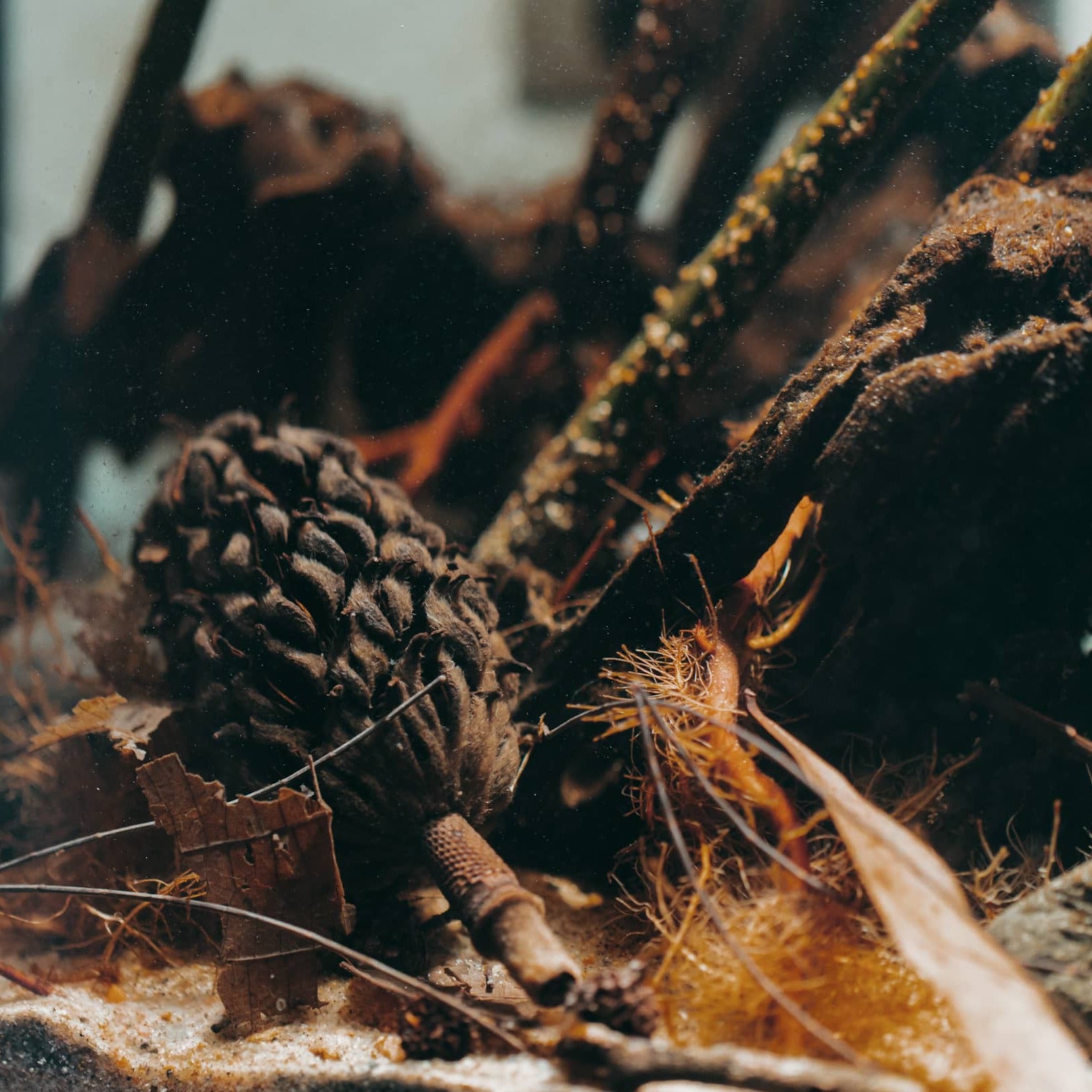
Once added to the aquarium, bacteria and fungi begin colonizing the pitted exterior and the open follicle chambers within the first week. This extracellular microbial community is a grazing resource for shrimp, snails, and small fishes, and it is what we mean by supplemental nutrition across our blogs and other resources. This pod is deeply pitted across its whole surface, and each empty follicle creates a cavity sized for shrimplets and newly free-swimming fry to seek refuge inside. Expect a day or two of floating before the seed pod waterlogs and settles to the substrate.
Southern Magnolia Pods carry a moderate to high tannin load, and their tannins leach steadily, creating a golden brown to amber tint in the water column. Over weeks and months, those tannins and other polyphenols serve as the raw material for humic substances, which form in the substrate as they oxidize and condense with microbial byproducts. The resulting humic and fulvic acids can help chelate heavy metals and soften the water. We recommend adding Southern Magnolia Pods as a recurring input rather than a single addition, layering new pods in alongside the older ones and leaving what is already there to finish breaking down into beneficial detritus.
Because the pod is dense with lignin, it holds its structure longer than leaf litter and more ephemeral botanicals. This makes it a useful partner to our Southern Magnolia Leaf Litter, which falls off the same tree but functions oppositely, softening within weeks and feeding the litter bed while the pods remain as structural habitat. Building a leaf litter bed from both provides you with the diversity of a functional litter bed from a single species.
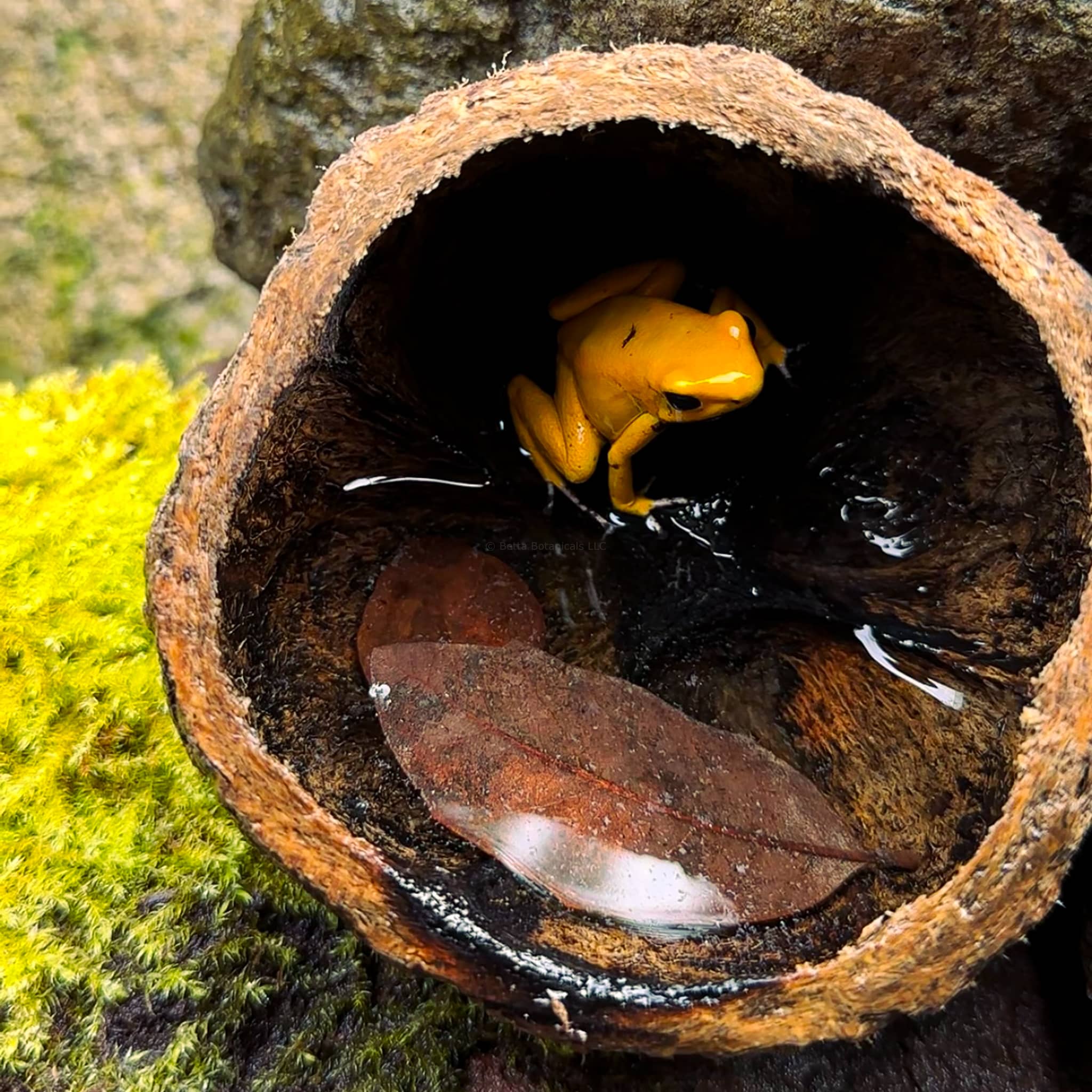
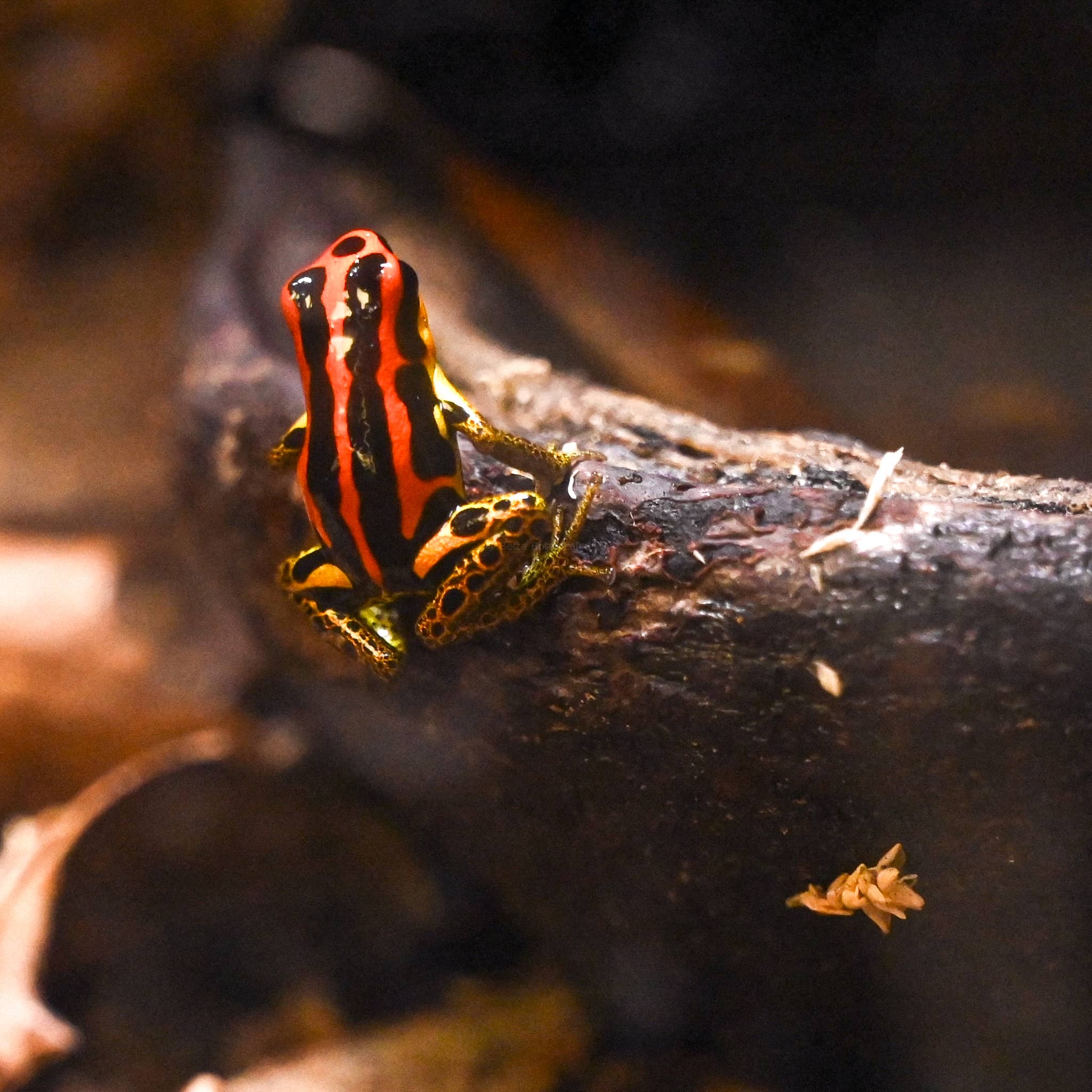
In vivariums and bioactive enclosures, Southern Magnolia Pods are ideal for the high humidity needed by dart frogs and are a well-established springtail culturing surface, with the follicle chambers giving springtails and isopod juveniles a protected place to grow. They also work as raised cover above the leaf layer. There is no need to remove them once they soften, since the detritus and mulm they produce feeds the bacterial and fungal network working beneath the leaves.
Beneath the Leaves: Magnolia grandiflora in the Wild
Magnoliaceae is one of the oldest lineages of flowering plants still growing today, originating somewhere around 112 to 104 million years ago. Beetles were among the first insects to visit flowers at all, and they shaped how a magnolia bloom works. The flower opens partway on its first day and then closes around the beetles overnight, holding them in a warm chamber where they feed, mate, and shelter, before opening again the next day as the pollen sheds. Each carpel they pollinate ripens into one follicle of the cone, its walls thickening with lignin as the seed matures inside. That lignin is the reason the pod is still sitting on your substrate months after you added it.
Southern Magnolia grows in hardwood forests of deciduous forested wetlands and swamp margins of the Southeastern Coastal Plain, on ground sitting just above the wettest reaches of the floodplain. Its fruit ripens in September and October, and the follicles split open to expose rose red seeds hanging on slender threads, which birds and small mammals carry off. What stays behind is the woody pod we use in the Botanical Method Aquarium.
When we add Southern Magnolia Pods into the aquarium, we replicate the allochthonous inputs that fuel the food webs of aquatic ecosystems around the globe. Mother Nature leads the way.
Sustainability Note:
This product's packaging is home compostable.
Just like the botanicals inside, it will break down naturally and return to the soil — because what supports your ecosystem should minimally impact our planet.
Not for human consumption. Preparation required.
This is a natural product — variation in color, shape, and texture is expected.
Southern Magnolia Pods | Magnolia grandiflora
Home is getting more natural
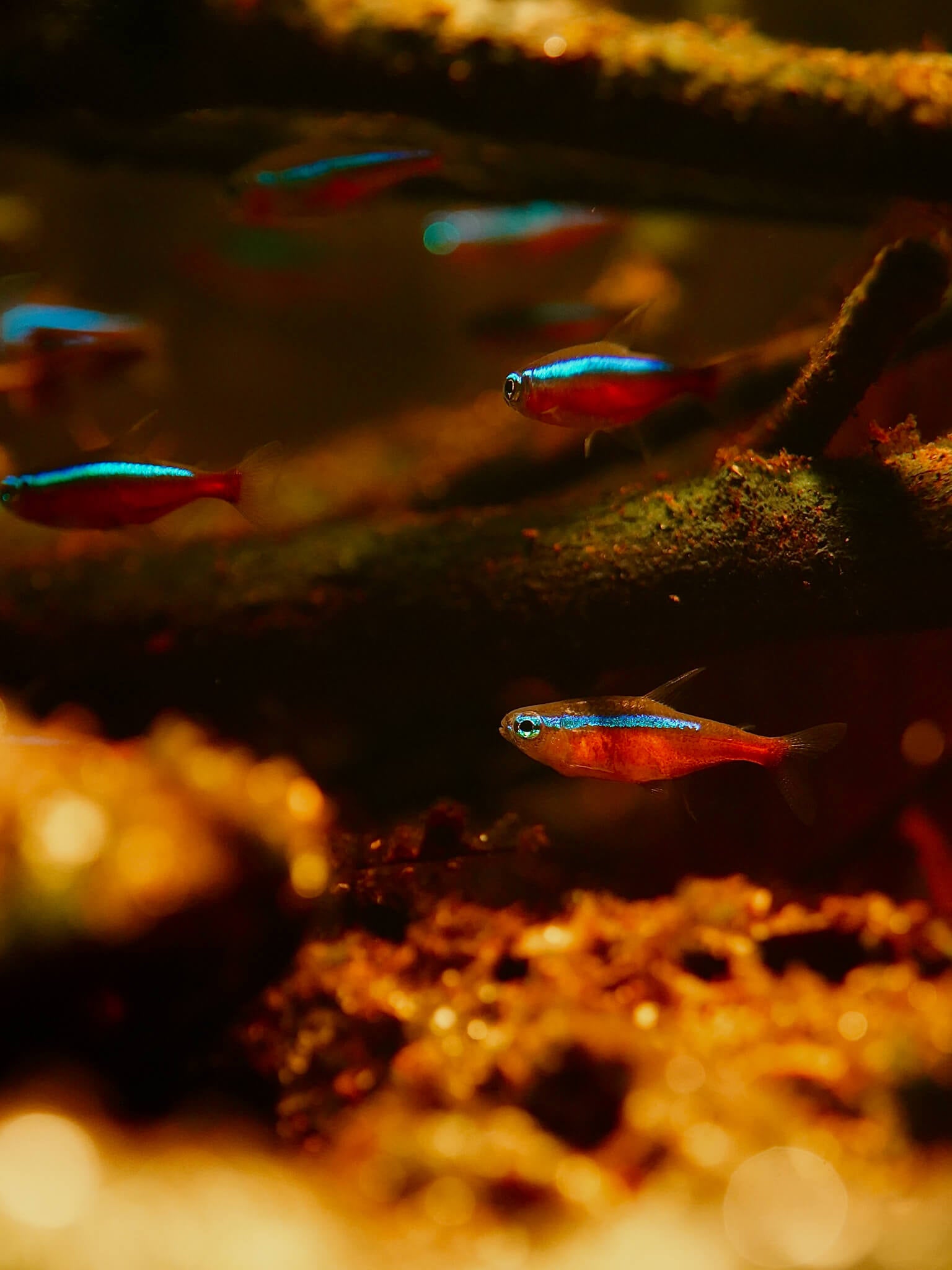
While the aesthetic appeal of botanicals and tinted water can be quite attractive to us, the recreation of nature to emulate water conditions, feeding patterns, spawning displays, and territory building are the true benefits botanicals provide to our critters.
Botanical FAQs
Compostable Packaging Promise
Our packaging is designed to return safely to the Earth, just like the botanicals inside. Every bag is BPA- and Phthalate-free, GMO-free, and contains no animal products. Each meets ASTM D6400 composting standards, ensuring it can fully break down in a home compost bin.
What are the Fluffy White Growths on my Botanicals?
That’s biofilm and fungi—what we call the “goo phase.” It’s one of the clearest signs that your aquarium is alive and functioning. These growths wax and wane naturally as botanicals decompose. They’re harmless, even beneficial, and will disappear on their own once microbial populations stabilize.
Will botanicals lower the pH of my water?
That depends entirely on your source water. In very soft or RODI water, botanicals can gradually lower pH as tannins and humic substances accumulate. In medium to hard tap water, buffering capacity often resists these shifts, and you may not notice much change. At Betta Botanicals HQ, our very hard water (350+ ppm) shows almost no pH change unless we use botanicals like Alder Cones or Macaranga Leaves.
When should I replace leaves or pods in my tank?
We recommend allowing botanicals to fully break down into detritus, since this fuels microbial life and enriches the substrate. You can remove them once they stop tinting the water, but you’ll lose some of their ecological benefits. Each time you add new botanicals, follow proper preparation and observe your livestock until you learn your aquarium’s rhythm.
Are your products just for bettas?
Nope. Our botanicals are safe for almost all aquariums, terrariums, vivariums, and paludariums. The only exceptions are goldfish and axolotls, which may ingest small pods like alder cones or casuarina cones. For those species, we recommend large leaves such as Indian Almond, Loquat, or Jackfruit.
What are Tannins?
Tannins are natural compounds released by leaves, seed pods, and bark as they decompose in water. They soften water, gently lower pH, and create the characteristic tea-stained tint found in blackwater habitats. But their role goes far beyond color—tannins fuel beneficial bacteria, fungi, and biofilms, which form the foundation of a healthy ecosystem. They also offer mild antifungal benefits and help reduce stress in fish by replicating the natural conditions they’ve evolved in. At their core, tannins are plant-derived antioxidants that connect your aquarium to the same processes at work in wild flooded forests and streams.
The southern magnolia pods are my new favorite botanical! These add the perfect look too. My nature inspired aquarium. I will always have these in my tank!
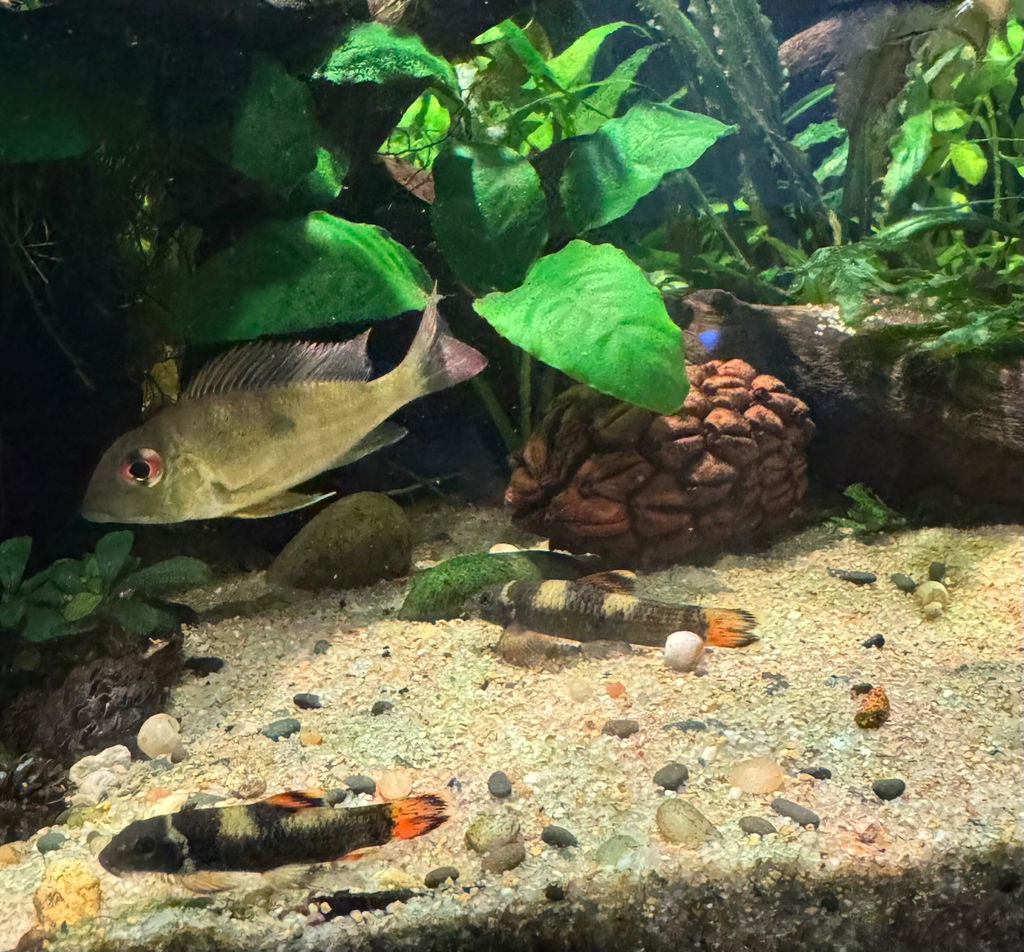
These are so gorgeous in the tank! They release a surprising amount of tannins too. My shrimp and cory love to forage on them.
Excellent
Purchased these in April. They've since broken down and have been removed from the scape they were in. 10/10 would buy again. These make a good shrimplet playground