

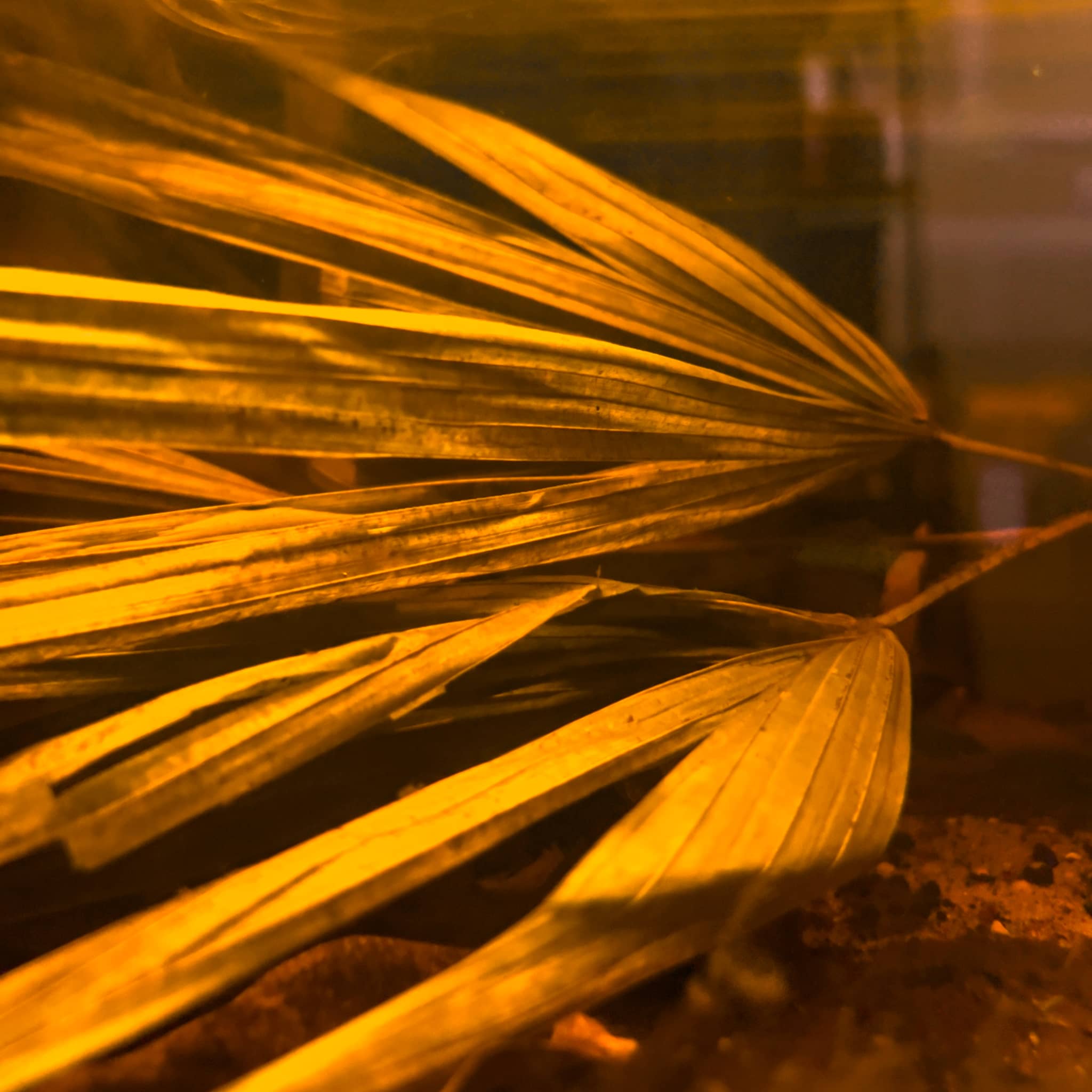
Excelsa Palm Fronds | Rhapis excelsa
Excelsa Palm Fronds on the Surface:
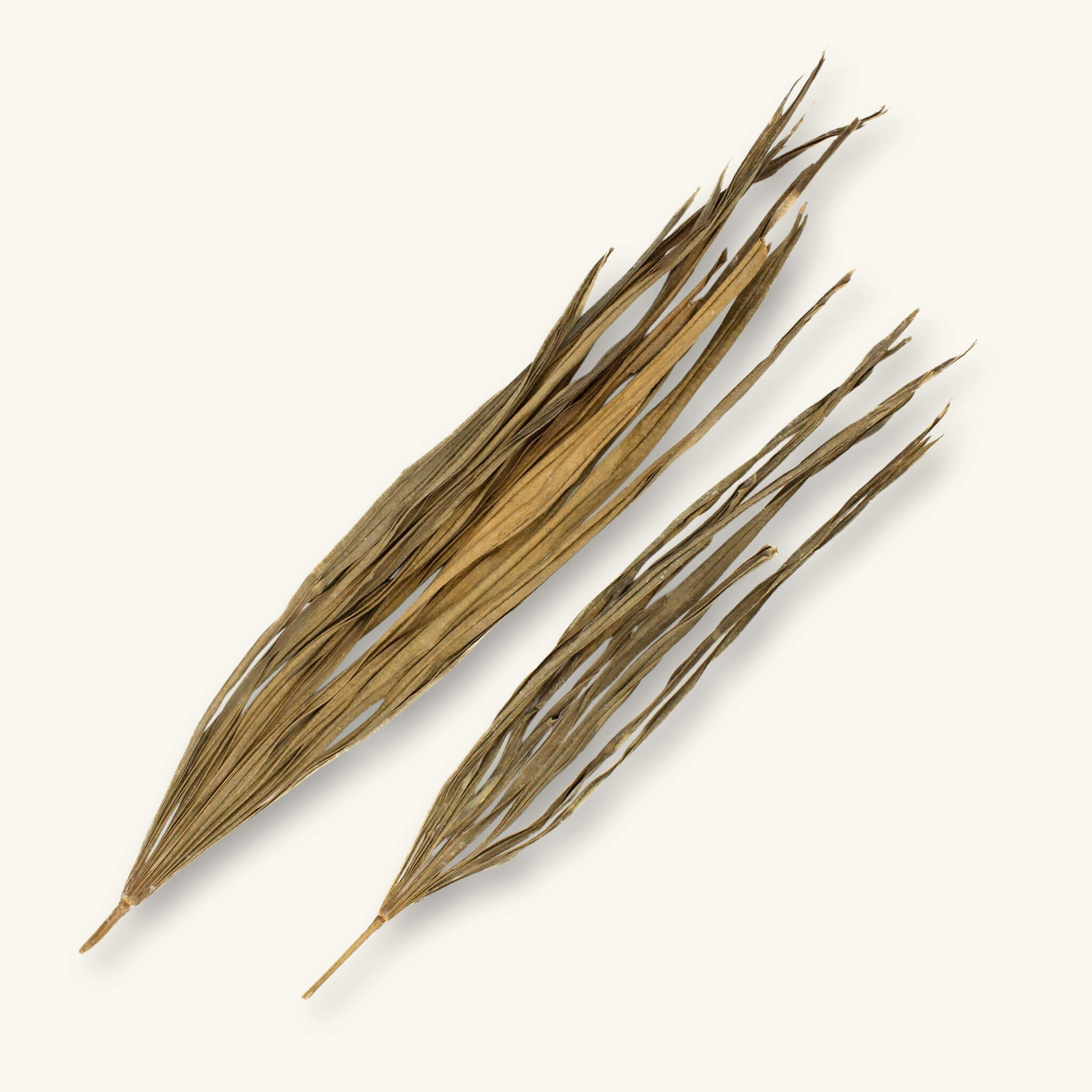
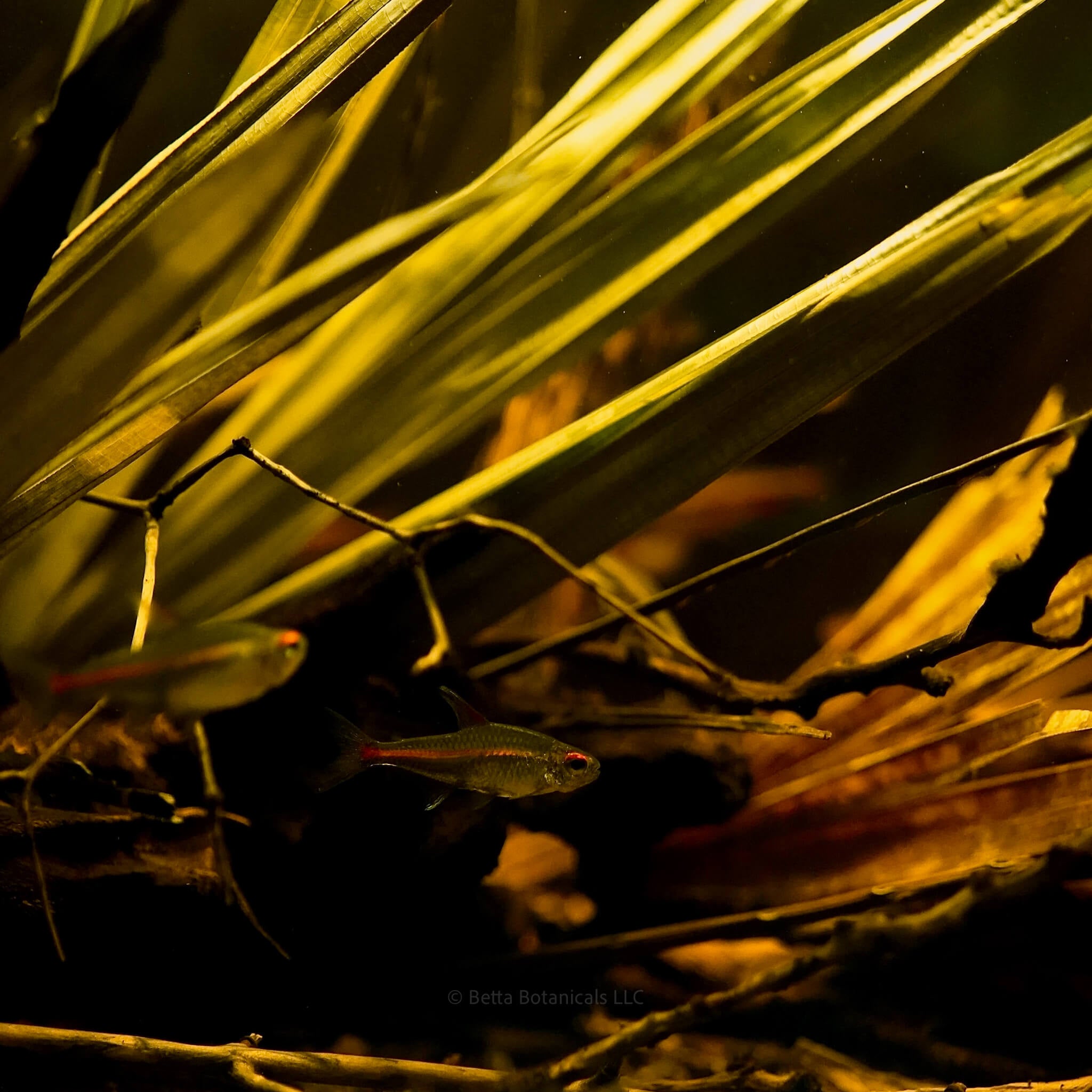
Excelsa Palm Fronds (Rhapis excelsa) come from a shade-adapted palm — a clumping, understory species native to the limestone forests of southern China and northern Vietnam, where it grows beneath a closed canopy in ravines and on elevated slopes. Sourced from West Java, Indonesia, these fan-shaped fronds are deeply lobed and fibrous — making them one of the more durable frond materials available for botanical method, blackwater, and biotope aquariums and vivariums. Shrimp, small fish, and invertebrates make use of the fronds' surface as biofilm colonization begins quickly on the leaflets. Our favorite way to use them is slid in between the branches of manzanita or laid flat atop a mixture of leaf litter. In this way we are mimicking the dynamic matrix of botanical species in wild leaf litter habitats.
Essential Details
- Tannin Level: Low
- Tint Color: Minimal to light brown
- Durability: Slow to break down; leaflets soften gradually and hold structure for extended use
- Habitat Location: Southern China and northern Vietnam; sourced from West Java, Indonesia
- Optimal For: Bettas, gouramis, tetras, rasboras, shrimp, snails, nano fish, apistogramma, and vivariums for dart frogs, small geckos, isopods, and springtails
- Use with Caution: No known concerns for standard aquarium inhabitants
- Size Range: Stems 2"–4" long; leaflets 4"–12" in length
- Quantities: 2 count Excelsa Palm Fronds per pack
Excelsa Palm Fronds for Aquariums & Vivariums
Once added to the aquarium, the surface area of the Excelsa Palm Frond becomes colonized with biofilm — an extracellular microbial community that shrimp, snails, and small invertebrates begin grazing for supplemental nutrition. The individual leaflets help create foraging zones across the substrate, or variable habitat, when incorporated into the hardscape. Please allow the fronds to fully break down rather than removing it at the first sign of degradation; the longer it remains, the more it contributes to the beneficial detrital layer building beneath the leaves.
The Excelsa frond holds its structure longer than most frond materials available to botanical method enthusiasts. As the tannins and organic compounds passively release from their cells and into the water column, they contribute to the soft, humic substance-filled water chemistry that gradually develops in our mature botanical method aquariums. We recommend adding Excelsa Palm Fronds as a recurring input rather than a single addition, replenishing as fronds break down to maintain a consistent surface area and availability of beneficial compounds.
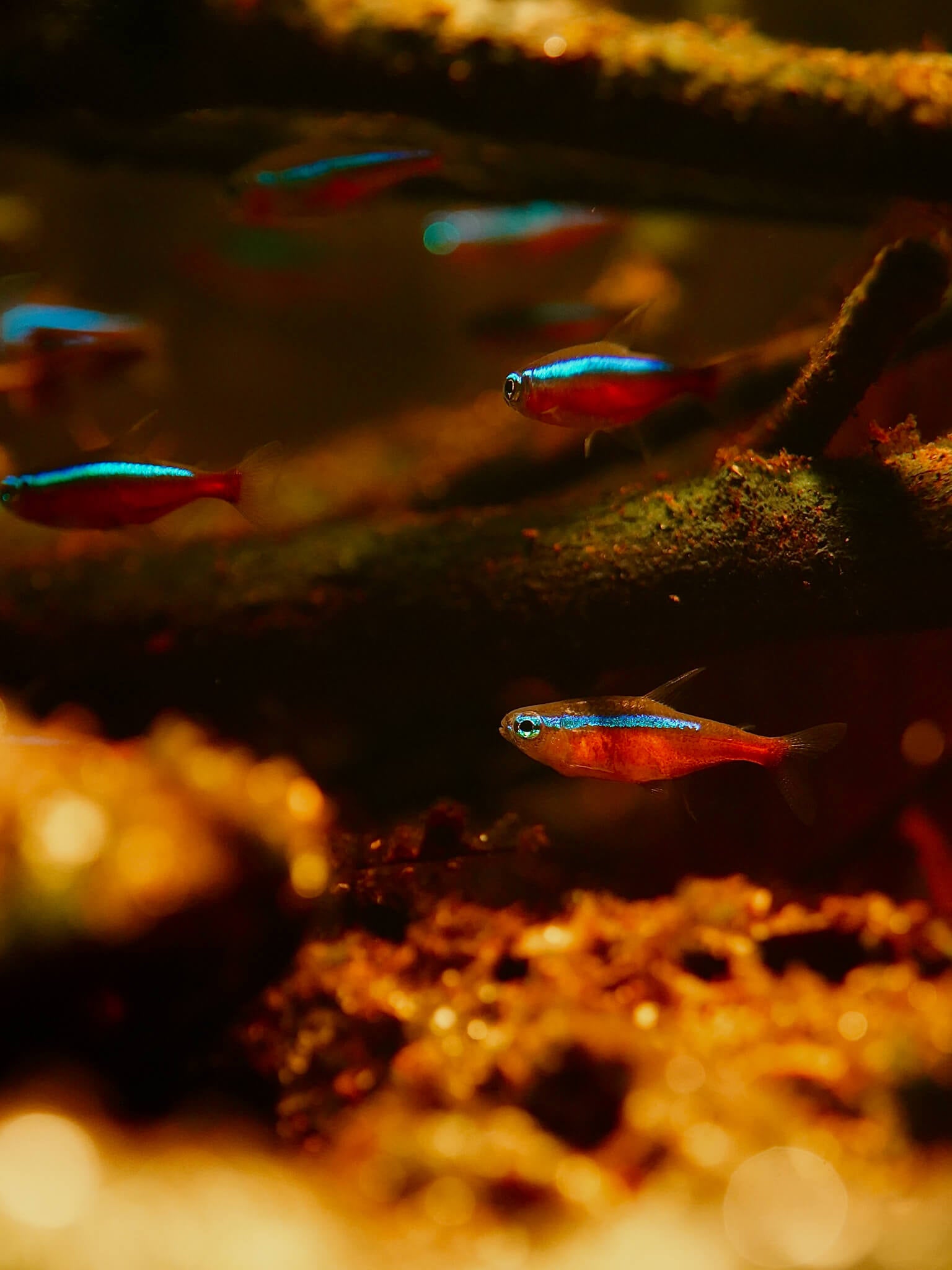
In nano aquariums, a single frond can provide refuge and habitat across the entire substrate. In larger aquariums, multiple fronds layered over leaf litter or tucked against wood create a natural habitat that fish would use in the wild for territory boundaries, resting sites, and foraging grounds. The void space between leaflets provides interstitial pore space that small invertebrates and fry can hide in — particularly valuable in aquariums housing apistogramma, bettas, or other species that use horizontal cover as part of their territory.
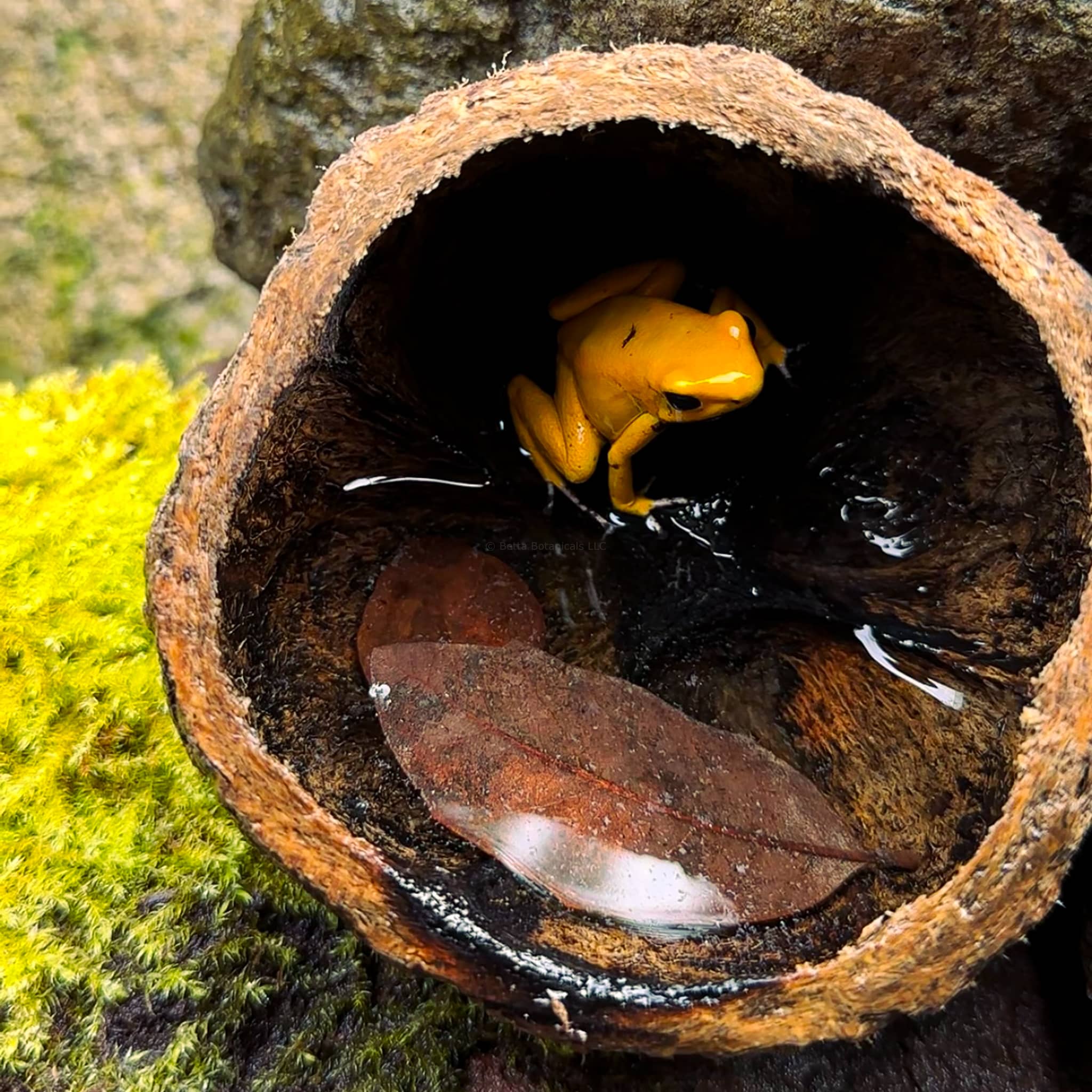
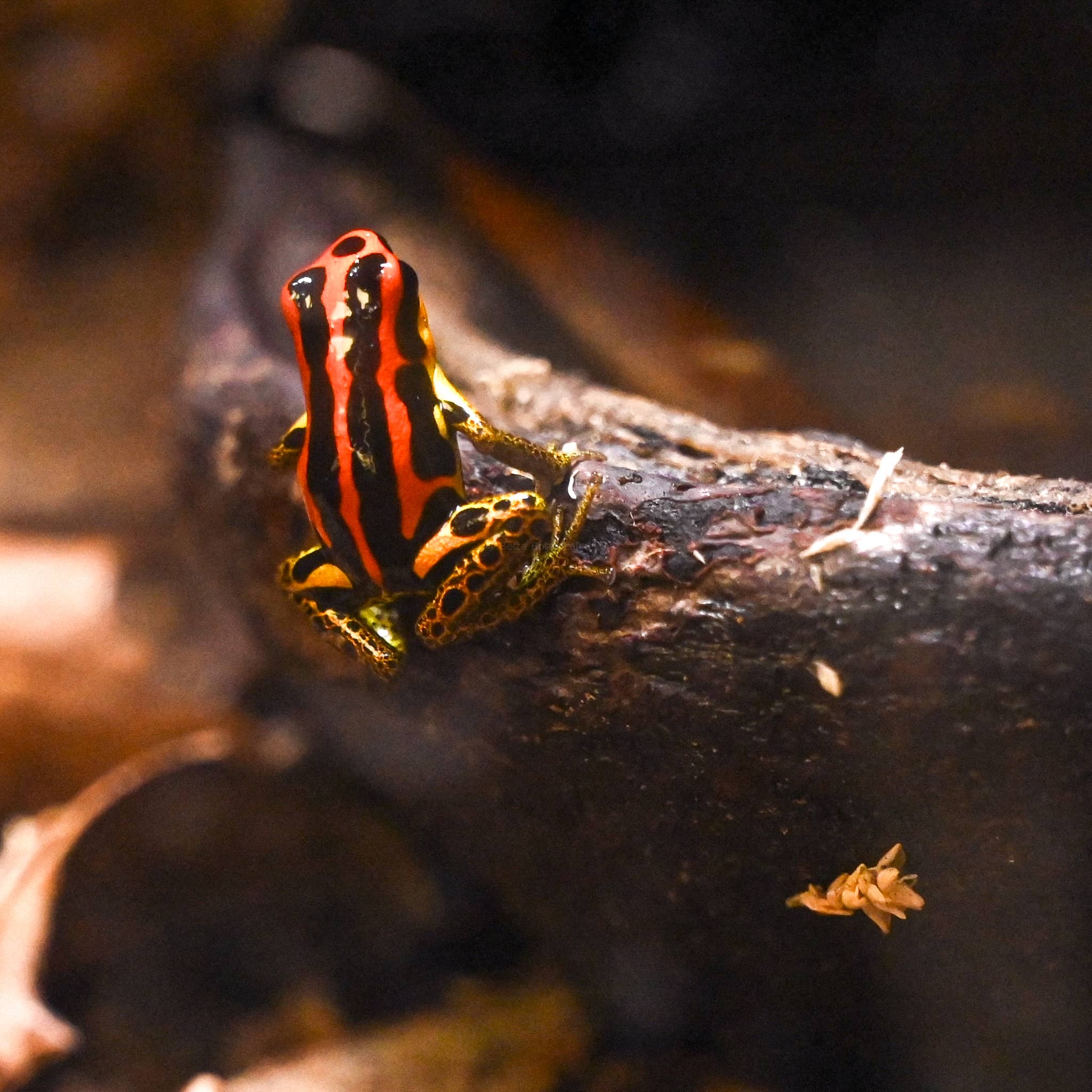
In the vivarium, Excelsa Palm Fronds build the understory cover that dart frogs, isopods, and small geckos encounter in nature, while serving as a substrate for fungal colonization that the clean-up crew depends on for supplemental nutrition. There is no need to remove them once fully broken down; the detritus and mulm they produce feed the bacterial and fungal network beneath the leaves.
Beneath the Leaves: Rhapis excelsa in the Wild
Rhapis excelsa is one of the few palms documented in shaded limestone forest understory environments in southern China and northern Vietnam, growing in ravines and on elevated slopes where canopy closure limits light to a fraction of full sun. The fronds shed naturally as the plant matures, falling to the forest floor and entering the same decomposition process that drives nutrient cycling across all tropical forest systems — contributing allochthonous organic material to the detrital layer below.
What makes Rhapis excelsa ecologically interesting is its long history of cultivation. With over 400 years of ornamental use in China and Japan, truly wild populations have not been definitively documented — every known stand shows signs of human influence. The plant itself exists at the intersection of natural forest ecology and human cultivation, sourced and shed in the same subtropical Asian forests that supply many of the materials familiar to botanical aquarists. When we add Excelsa Palm Fronds into the aquarium, we replicate the allochthonous inputs that fuel the food webs of aquatic ecosystems around the globe. Mother Nature leads the way.
Sustainability Note:
This product's packaging is home compostable.
Just like the botanicals inside, it will break down naturally and return to the soil — because what supports your ecosystem should minimally impact our planet.
Not for human consumption. Preparation required.
This is a natural product — variation in color, shape, and texture is expected.
Excelsa Palm Fronds | Rhapis excelsa
Home is getting more natural
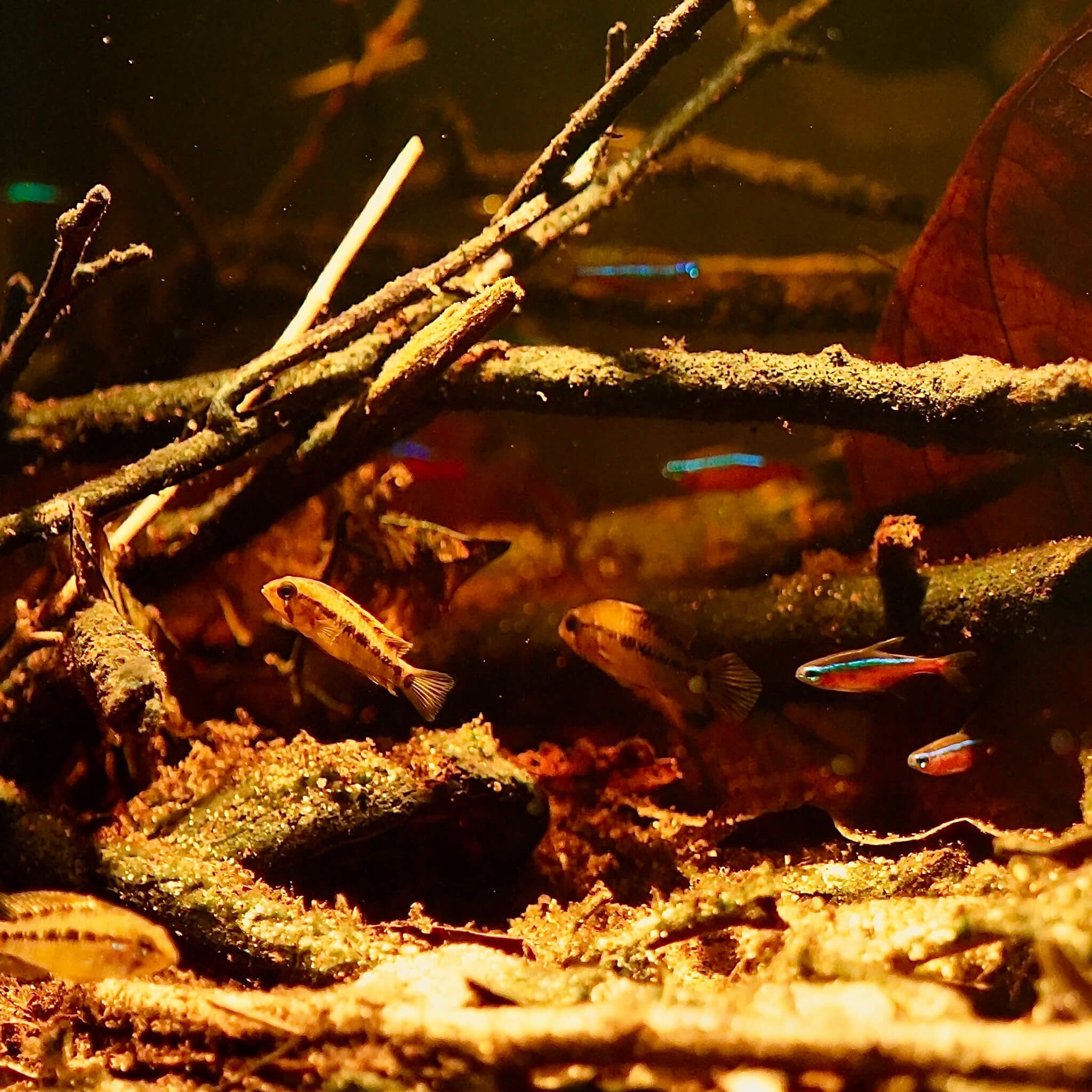
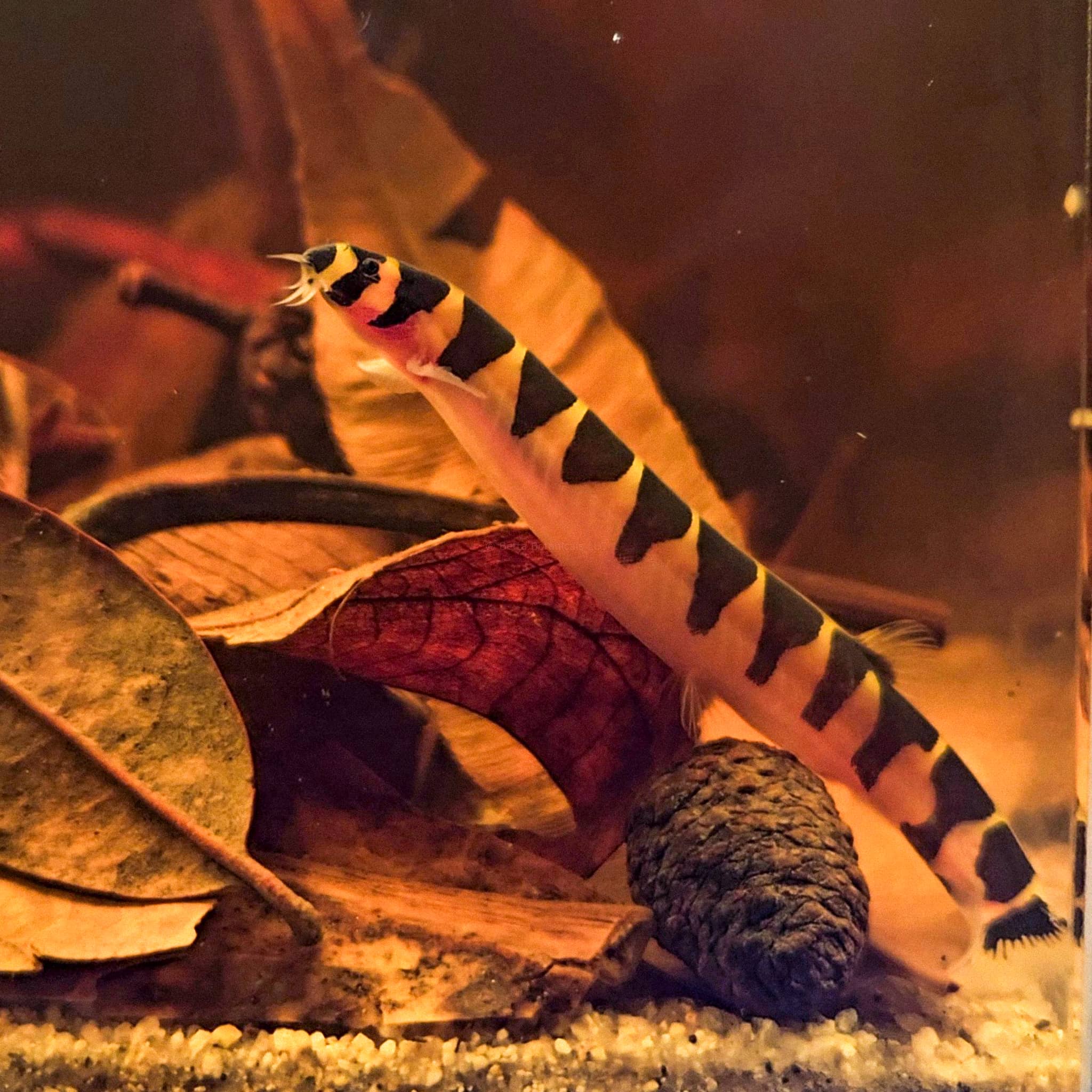
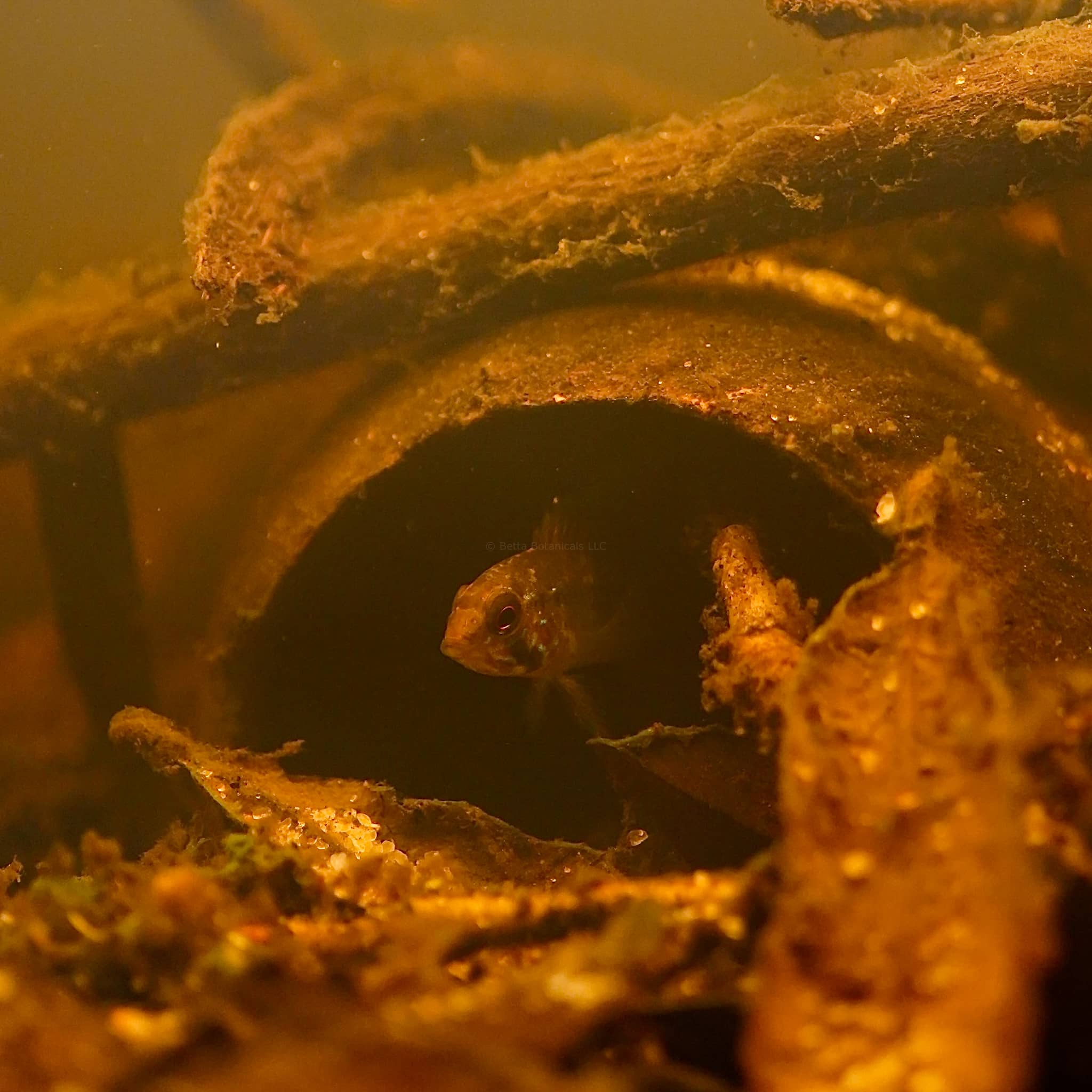
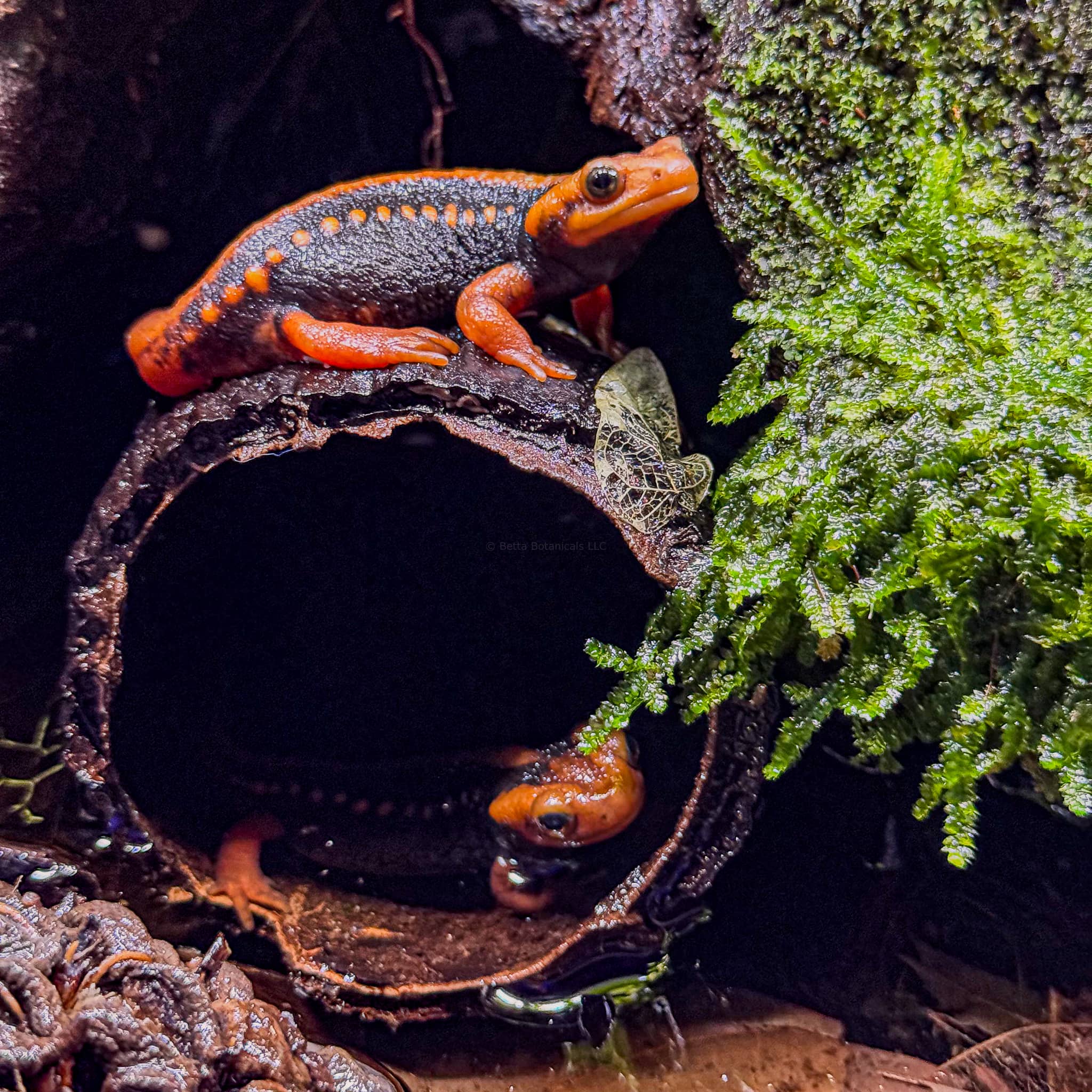
While the aesthetic appeal of botanicals and tinted water can be quite attractive to us, the recreation of nature to emulate water conditions, feeding patterns, spawning displays, and territory building are the true benefits botanicals provide to our critters.
Botanical FAQs
Compostable Packaging Promise
Our packaging is designed to return safely to the Earth, just like the botanicals inside. Every bag is BPA- and Phthalate-free, GMO-free, and contains no animal products. Each meets ASTM D6400 composting standards, ensuring it can fully break down in a home compost bin.
What are the Fluffy White Growths on my Botanicals?
That’s biofilm and fungi—what we call the “goo phase.” It’s one of the clearest signs that your aquarium is alive and functioning. These growths wax and wane naturally as botanicals decompose. They’re harmless, even beneficial, and will disappear on their own once microbial populations stabilize.
Will botanicals lower the pH of my water?
That depends entirely on your source water. In very soft or RODI water, botanicals can gradually lower pH as tannins and humic substances accumulate. In medium to hard tap water, buffering capacity often resists these shifts, and you may not notice much change. At Betta Botanicals HQ, our very hard water (350+ ppm) shows almost no pH change unless we use botanicals like Alder Cones or Macaranga Leaves.
When should I replace leaves or pods in my tank?
We recommend allowing botanicals to fully break down into detritus, since this fuels microbial life and enriches the substrate. You can remove them once they stop tinting the water, but you’ll lose some of their ecological benefits. Each time you add new botanicals, follow proper preparation and observe your livestock until you learn your aquarium’s rhythm.
Are your products just for bettas?
Nope. Our botanicals are safe for almost all aquariums, terrariums, vivariums, and paludariums. The only exceptions are goldfish and axolotls, which may ingest small pods like alder cones or casuarina cones. For those species, we recommend large leaves such as Indian Almond, Loquat, or Jackfruit.
What are Tannins?
Tannins are natural compounds released by leaves, seed pods, and bark as they decompose in water. They soften water, gently lower pH, and create the characteristic tea-stained tint found in blackwater habitats. But their role goes far beyond color—tannins fuel beneficial bacteria, fungi, and biofilms, which form the foundation of a healthy ecosystem. They also offer mild antifungal benefits and help reduce stress in fish by replicating the natural conditions they’ve evolved in. At their core, tannins are plant-derived antioxidants that connect your aquarium to the same processes at work in wild flooded forests and streams.