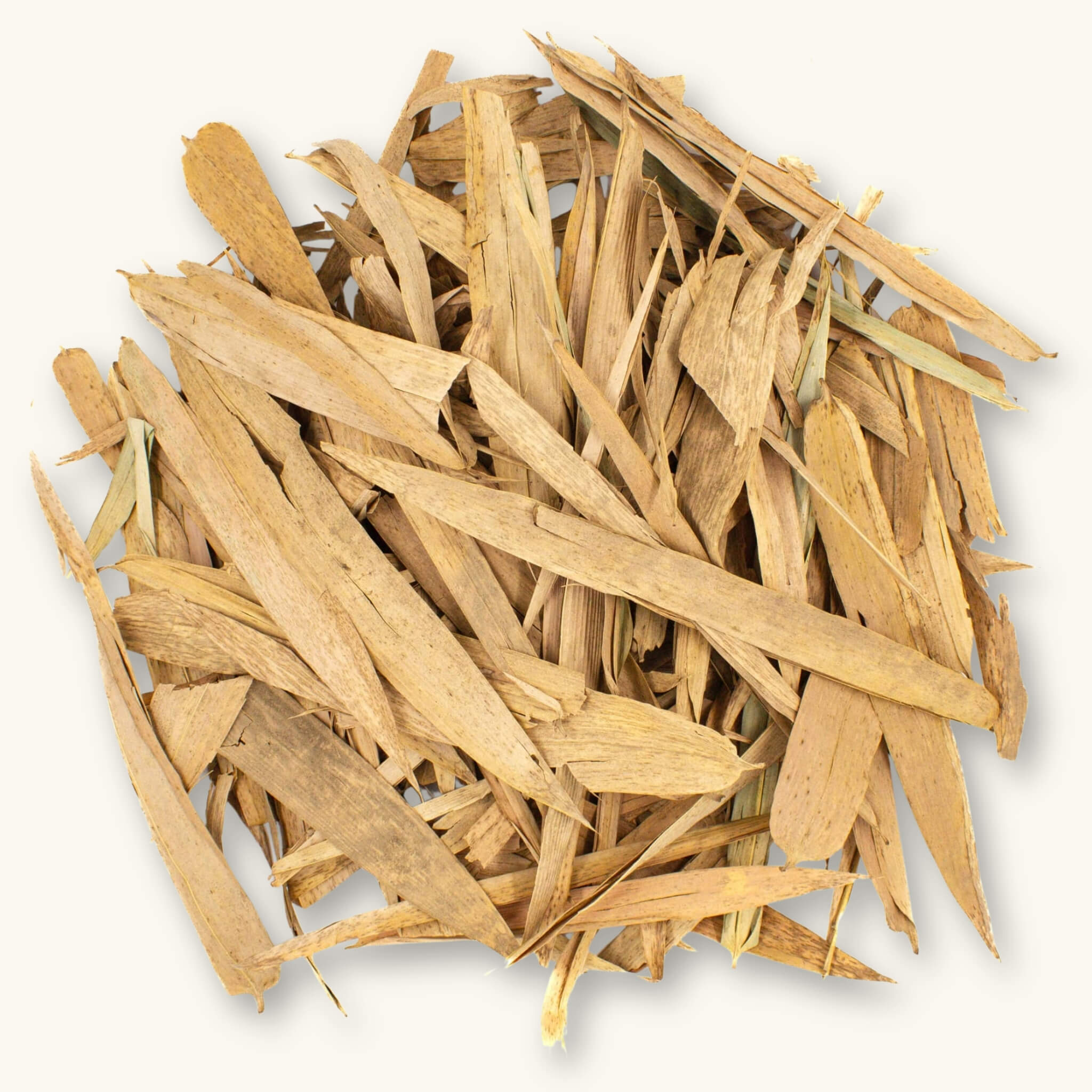
Colombian Guadua Bamboo Leaf Litter | Guadua angustifolia
Colombian Bamboo on the Surface:
Guadua angustifolia Kunth is a giant bamboo native to the Andean foothill regions of Colombia and Ecuador, where it lines riverbanks, shades blackwater streams, and sheds its long, narrow leaves continuously into the water below. These naturally fallen leaves are sustainably collected outside of these fragile ecosystems and sun-dried, arriving from the forests to you so that you can recreate the Colombian forest floor at home. Our bamboo leaves are low in tannins and high in silica, calcium, and flavonoid compounds, making them among the most functional leaf litters for shrimp tanks, South American biotope aquariums, and dart frog vivariums. Our favorite way to use them is softening transitions between rocks, thick manzanita pieces, or mixed in with larger leaf varieties to mimic the botanical diversity found in Nature.
Essential Details
- Tannin Level: Low
- Tint Color: Pale gold to light amber
- Durability: Low; breaks down in 2 to 4 weeks
- Habitat Location: Andean foothill regions of Colombia
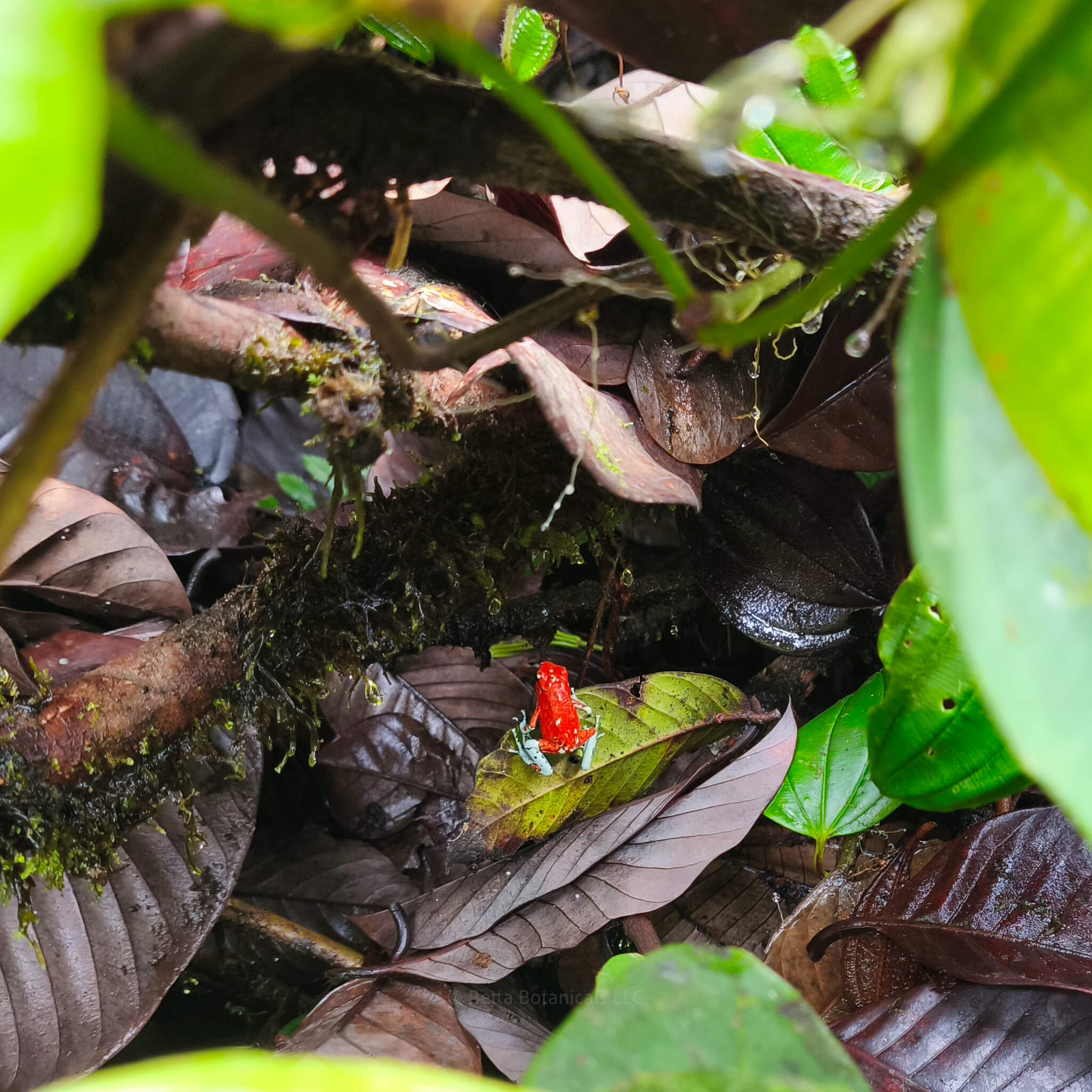
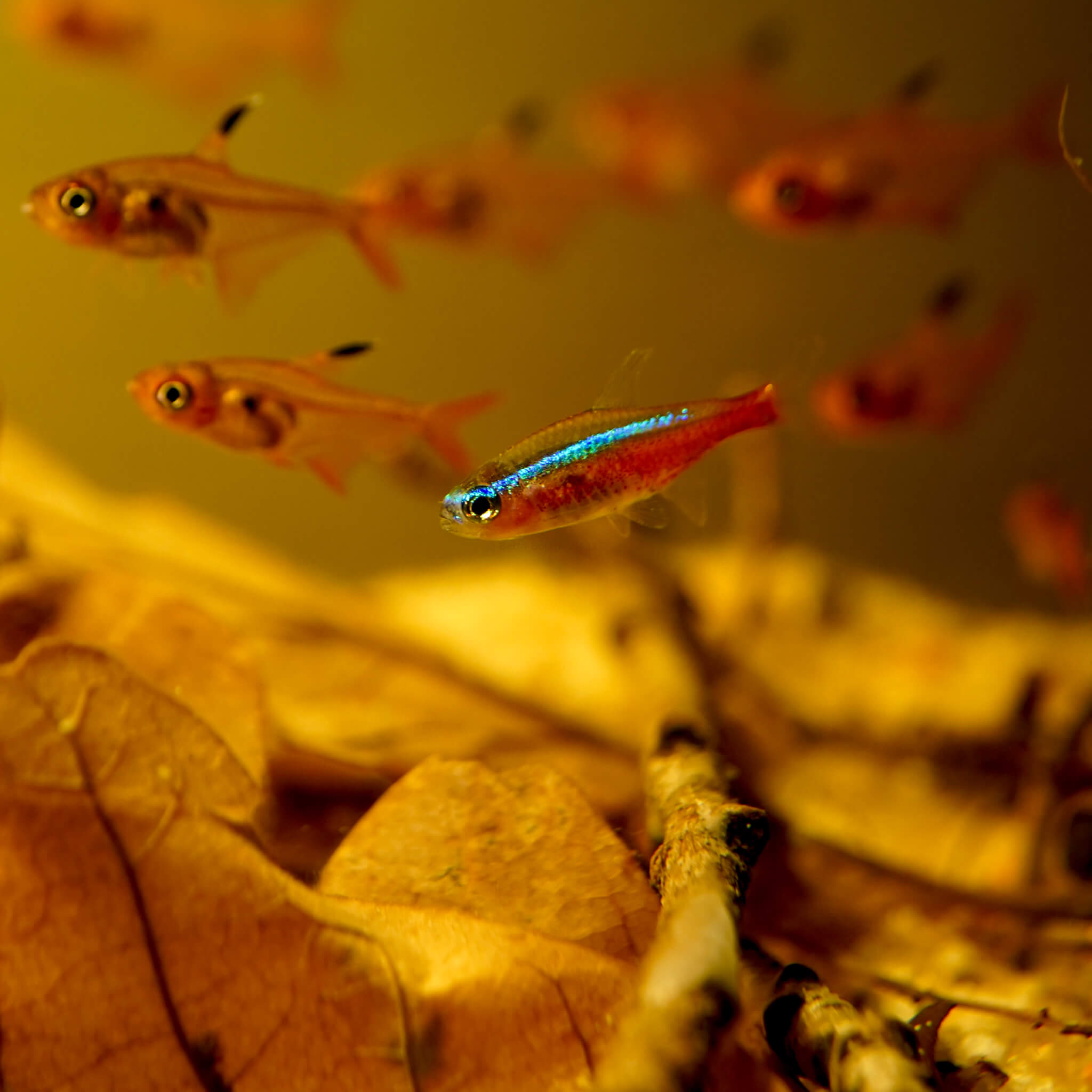
- Optimal For: Caridina shrimp, Neocaridina shrimp, Corydoras, Cardinal Tetras, Apistogramma, Ranitomeya, Oophaga, Phyllobates, small geckos
- Use with Caution: No known concerns for standard aquarium inhabitants
- Size Range: 3–7" long × 0.5–1" wide
- Quantities: 12 oz home-compostable bag
Colombian Bamboo for Aquariums & Vivariums
Colombian Bamboo leaves can be used in the aquarium as an ephemeral, or quick to break down, leaf litter that grows supplemental nutrition and biofilm grazing surfaces within days of introduction. As these biofilms begin colonizing, shrimp, Corydoras, and small benthic fishes can graze continuously across the growing supplemental nutrition between your regular feedings. The narrow profile of the leaves allows them to layer naturally across the substrate without creating large pockets, helping you build a dynamic leaf litter bed as found in nature.
What distinguishes these leaves for invertebrate-focused ecosystems is their mineral profile. Guadua angustifolia leaves are documented to contain elevated concentrations of both silica and calcium compounds that shrimp need during molting and shell calcifications. When we allow bamboo leaves to fully break down, rather than removing them after the first week, those compounds become available in more stable concentrations as the leaf tissue breaks down. This is not an immediate effect like with calcium supplements, and increases as decomposition matures. Please allow the leaves to fully break down into the substrate.
The tannin release from these leaves is low. You will see a pale gold tint develop in the water as the leaves condition and begin to break down, well-suited for ecosystems full of clear water-loving fish. G. angustifolia leaves also carry documented flavonoid compounds, including quercetin, kaempferol, violanthin, and caffeoylquinic acid derivatives. How these interact with the water column at passive-release concentrations has not been studied, but the phenolic compounds present in the leaf tissue contribute to the organic chemistry of the water as the leaf matures in the ecosystem.
In the vivarium, Colombian Bamboo functions as a fast-degrading botanical of the forest floor, complementing more durable materials like our Colombian Cacao Leaves and Colombian Mango Leaves. Its slender shape allows for detailed layering across the understory, and it breaks down to sustain the springtail and isopod populations that process organic material beneath the leaves. Ranitomeya, Oophaga, and Phyllobates species seek refuge and forage within a multi-species litter bed in nature, so the addition of our Colombian Bamboo Leaves helps recreate their natural environment.
Beneath the Leaves: Guadua angustifolia in the Wild
Guadua angustifolia is the dominant bamboo of the Andes and one of the largest grasses in the world, reaching heights of 20 to 30 meters in the foothill valleys of Colombia. It grows in dense stands along stream margins, on seasonally flooded river terraces, and across lower montane slopes where annual rainfall is high, and soils are deep. The canes shed leaves year-round, creating a continuous allochthonous input to the waterways below. In the foothill streams of the Colombian interior, this fallen leaf material accumulates at the margins and in slower eddies, forming the kind of layered, organic substrate that Ranitomeya species forage across and small fish shelter within.
The same leaf that shades a Colombian stream corridor and sheds continuously into the water below is the one that arrives in your curated order of forest floor materials. Adding it to the aquarium or vivarium connects you, the hobbyist, to that same cycle of accumulation and decay. Mother Nature leads the way.
Sustainability Note:
This product's packaging is home compostable.
Just like the botanicals inside, it will break down naturally and return to the soil — because what supports your ecosystem should minimally impact our planet.
Not for human consumption. Preparation required.
This is a natural product — variation in color, shape, and texture is expected.
Colombian Guadua Bamboo Leaf Litter | Guadua angustifolia
Home is getting more natural
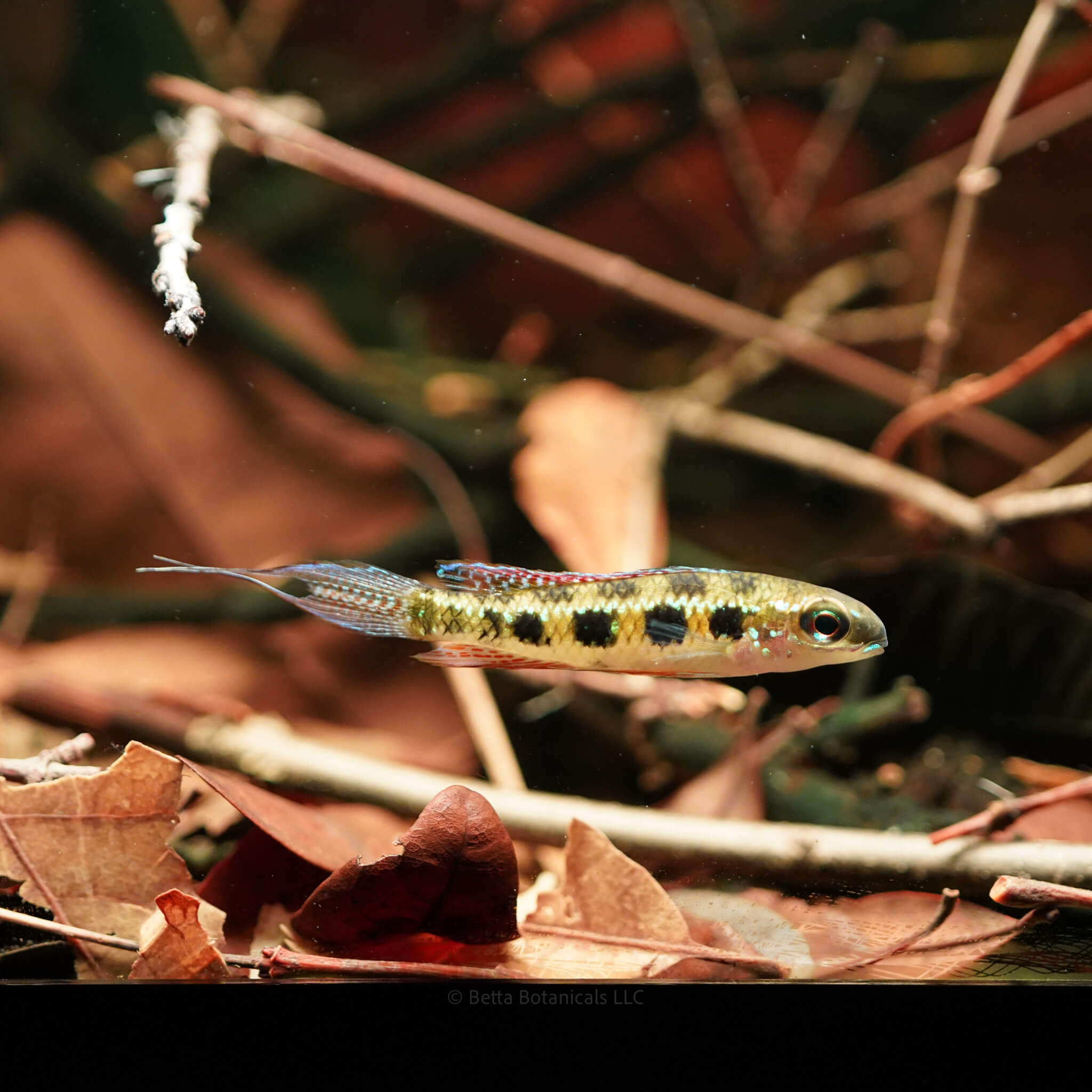
While the warm tones of tinted water and layered botanicals may first catch our eye, their true value is ecological. In South American habitats, fallen leaves, seed pods, and woody debris shape water chemistry, soften light, and sustain the microbial food web. Recreating these conditions allows us to mirror the rhythms of blackwater rivers and flooded forests where South American fish, amphibians, and invertebrates feel most at home.
Botanical FAQs
Compostable Packaging Promise
Our packaging is designed to return safely to the Earth, just like the botanicals inside. Every bag is BPA- and Phthalate-free, GMO-free, and contains no animal products. Each meets ASTM D6400 composting standards, ensuring it can fully break down in a home compost bin.
What are the Fluffy White Growths on my Botanicals?
That’s biofilm and fungi—what we call the “goo phase.” It’s one of the clearest signs that your aquarium is alive and functioning. These growths wax and wane naturally as botanicals decompose. They’re harmless, even beneficial, and will disappear on their own once microbial populations stabilize.
Will botanicals lower the pH of my water?
That depends entirely on your source water. In very soft or RODI water, botanicals can gradually lower pH as tannins and humic substances accumulate. In medium to hard tap water, buffering capacity often resists these shifts, and you may not notice much change. At Betta Botanicals HQ, our very hard water (350+ ppm) shows almost no pH change unless we use botanicals like Alder Cones or Macaranga Leaves.
When should I replace leaves or pods in my tank?
We recommend allowing botanicals to fully break down into detritus, since this fuels microbial life and enriches the substrate. You can remove them once they stop tinting the water, but you’ll lose some of their ecological benefits. Each time you add new botanicals, follow proper preparation and observe your livestock until you learn your aquarium’s rhythm.
Are your products just for bettas?
Nope. Our botanicals are safe for almost all aquariums, terrariums, vivariums, and paludariums. The only exceptions are goldfish and axolotls, which may ingest small pods like alder cones or casuarina cones. For those species, we recommend large leaves such as Indian Almond, Loquat, or Jackfruit.
What are Tannins?
Tannins are natural compounds released by leaves, seed pods, and bark as they decompose in water. They soften water, gently lower pH, and create the characteristic tea-stained tint found in blackwater habitats. But their role goes far beyond color—tannins fuel beneficial bacteria, fungi, and biofilms, which form the foundation of a healthy ecosystem. They also offer mild antifungal benefits and help reduce stress in fish by replicating the natural conditions they’ve evolved in. At their core, tannins are plant-derived antioxidants that connect your aquarium to the same processes at work in wild flooded forests and streams.