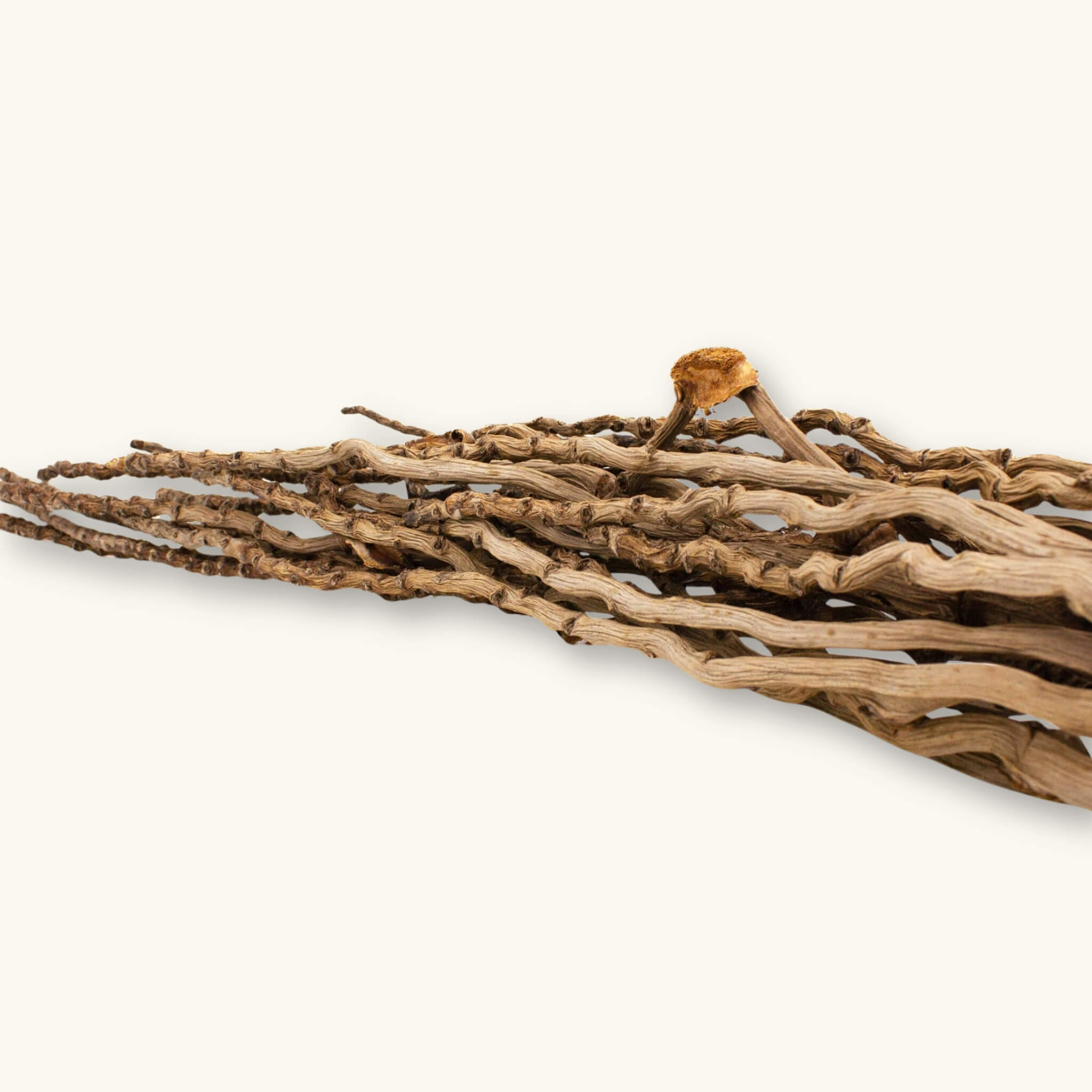
Coconut Palm Flower Stalk | Borassus flabellifer
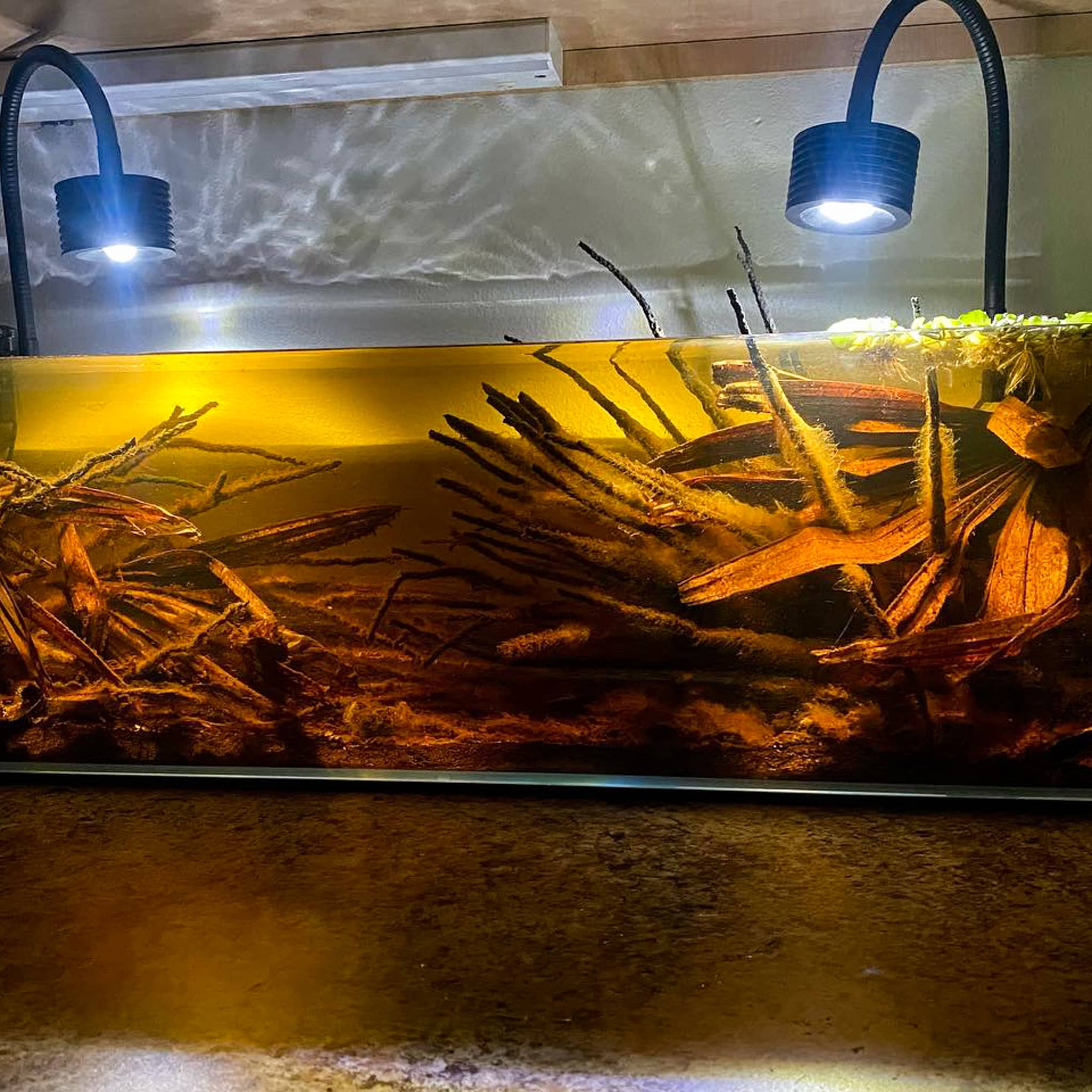
Coconut Palm Flower Stalk on the Surface:
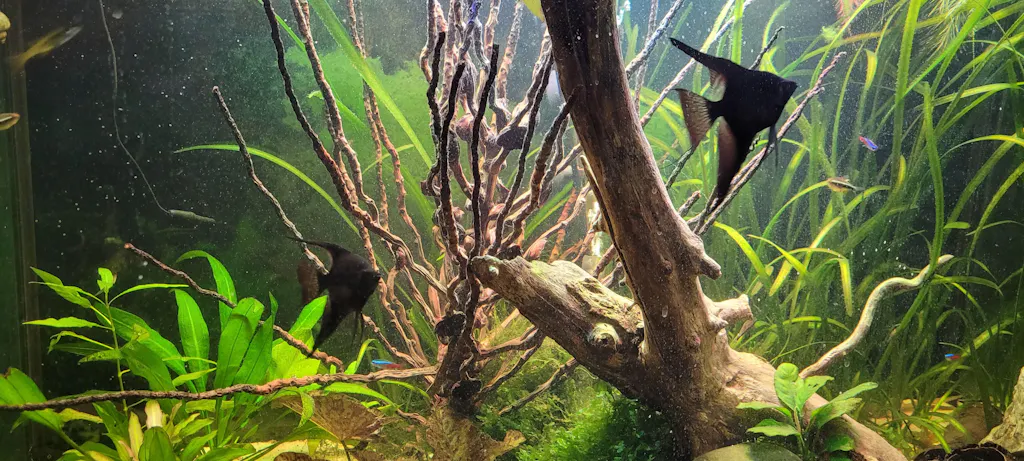
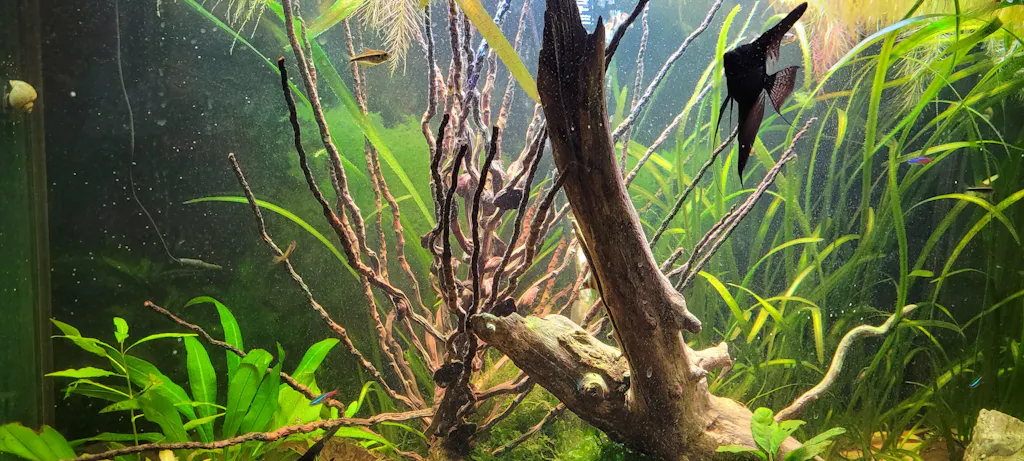
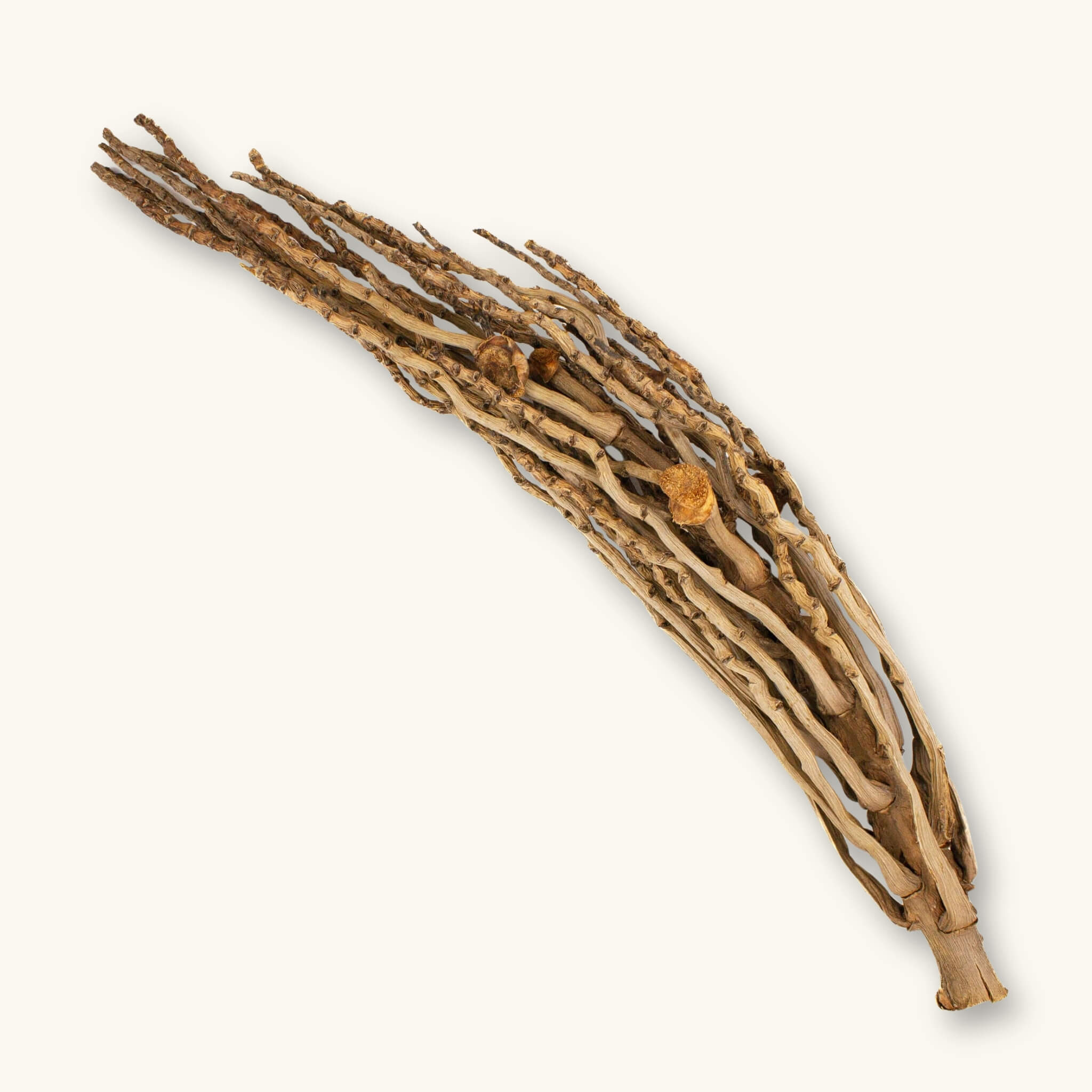
The Coconut Palm Flower Stalk is the branched male inflorescence of the Palmyra palm (Borassus flabellifer), sourced from Sri Lanka. Each stalk arrives dry and compact, 12 to 18 inches in length, and expands considerably when submerged — the branches unfurl and separate, increasing surface area and structural habitat in the aquarium. One of these will fill a 5-10 gallon aquarium, but they can be trimmed or broken before introduction. Our favorite way to utilize them is in place of, or complementing, manzanita branches and logs to vary the texture in the Botanical Method Aquarium.
Essential Details
- Tannin Level: Moderate
- Tint Color: Amber
- Durability: High; 6 months to a year depending on aquarium inhabitants, lasting considerably longer than leaf litter and most seed pods
- Habitat Location: Sri Lanka; dry zone riparian margins, flood plains, and river valleys
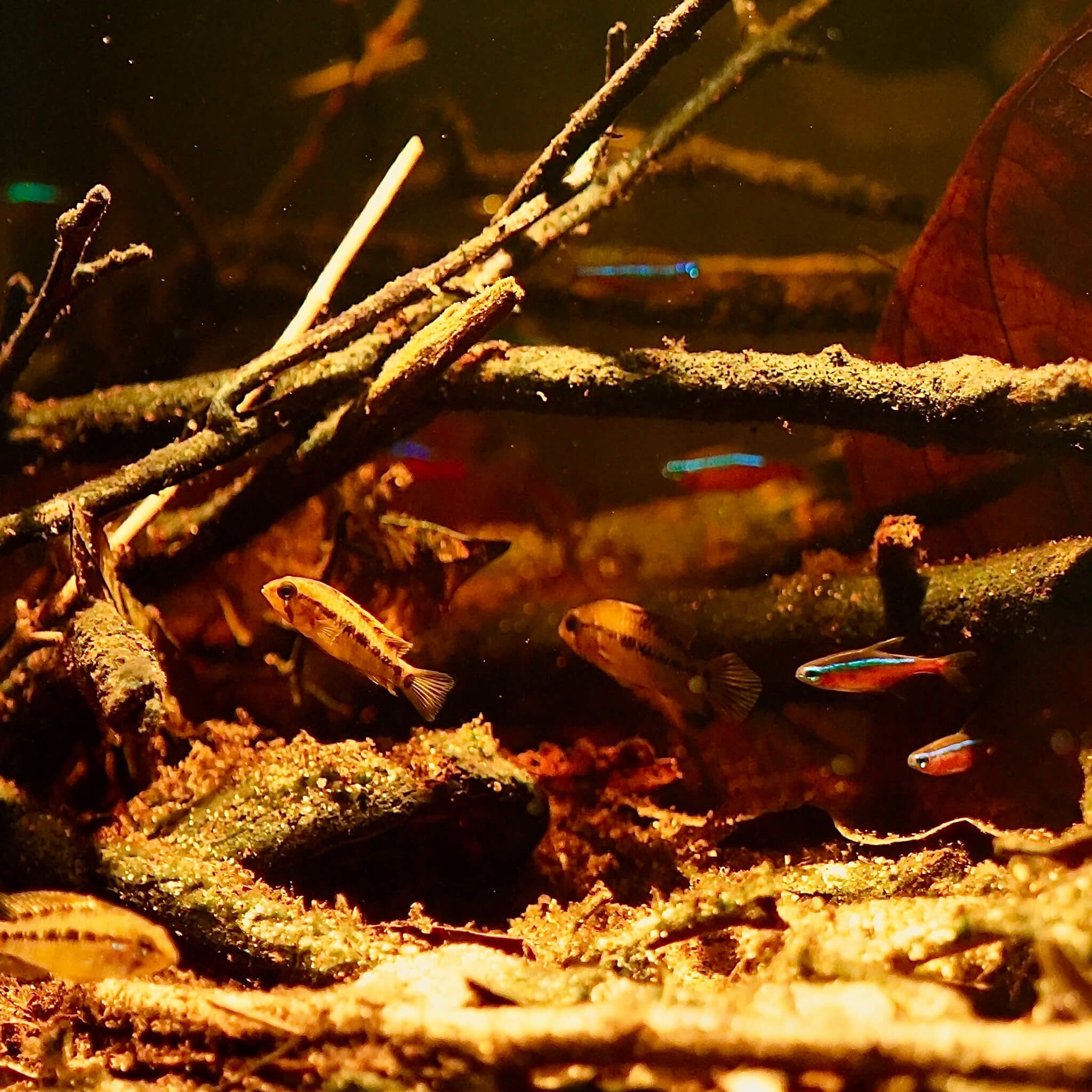
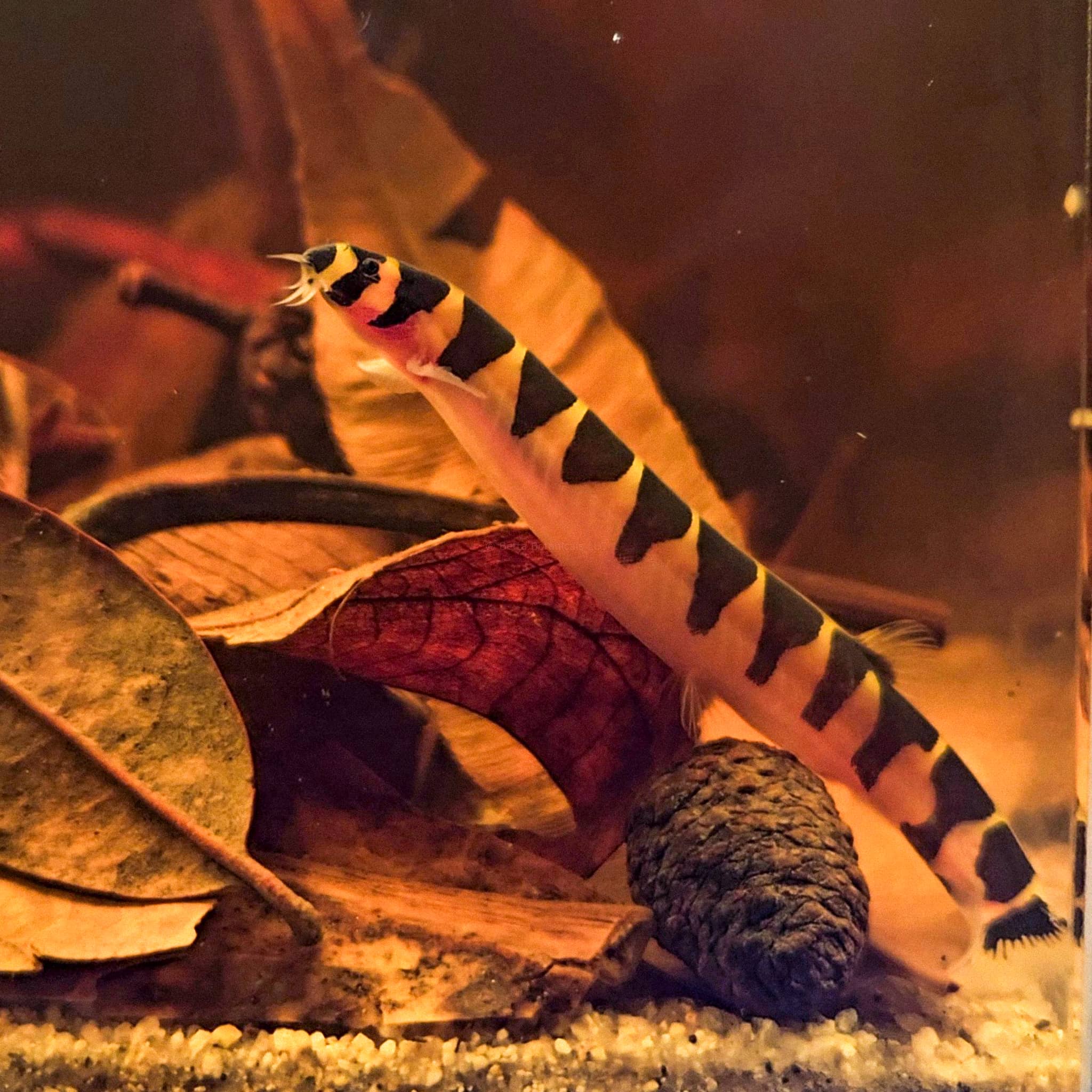
- Optimal For: Shrimp, small rasboras, killifish, Parosphromenus, dwarf Corydoras, Nerite snails, benthic species
- Use with Caution: No known concerns for standard aquarium inhabitants
- Size Range: 12–18 inches (dry); expands significantly when submerged
- Quantities: 1 count / 3 count
Coconut Palm Flower Stalk for Aquariums & Vivariums
Biofilm colonization begins within days of introduction. The dozens of small branches diverging from the central rachis provide shrimp, small rasboras, and benthic species access to supplemental nutrition at multiple depths within Botanical Method, blackwater, and biotope aquariums. The void space between the small branches helps create structural habitat at all water levels within the ecosystem, providing foraging grounds and territory boundaries.
The male inflorescence of Borassus flabellifer is documented to contain tannins, flavonoids, phenolic compounds including gallic acid and quercetin, and terpenoids. As the stalk softens and breaks down, these compounds are passively released into the water column. Tannins and organic acids can contribute to a gradual pH reduction in soft or RODI water over weeks and months, and we find the stalk to be a reliable contributor of amber tint as it begins to break down. Please let it fully break down into the substrate — the longer it remains in the ecosystem, the more those beneficial compounds accumulate.
The branches create irregular voids and surfaces where biofilm and fungal networks establish readily. It sits structurally between leaf litter and rigid hardscape, filling in spaces that manzanita and driftwood leave open with finer, more irregular shapes. Place it directly on the substrate alongside existing wood, or lean it slightly elevated against hardscape to open up swim-through space in the water column.
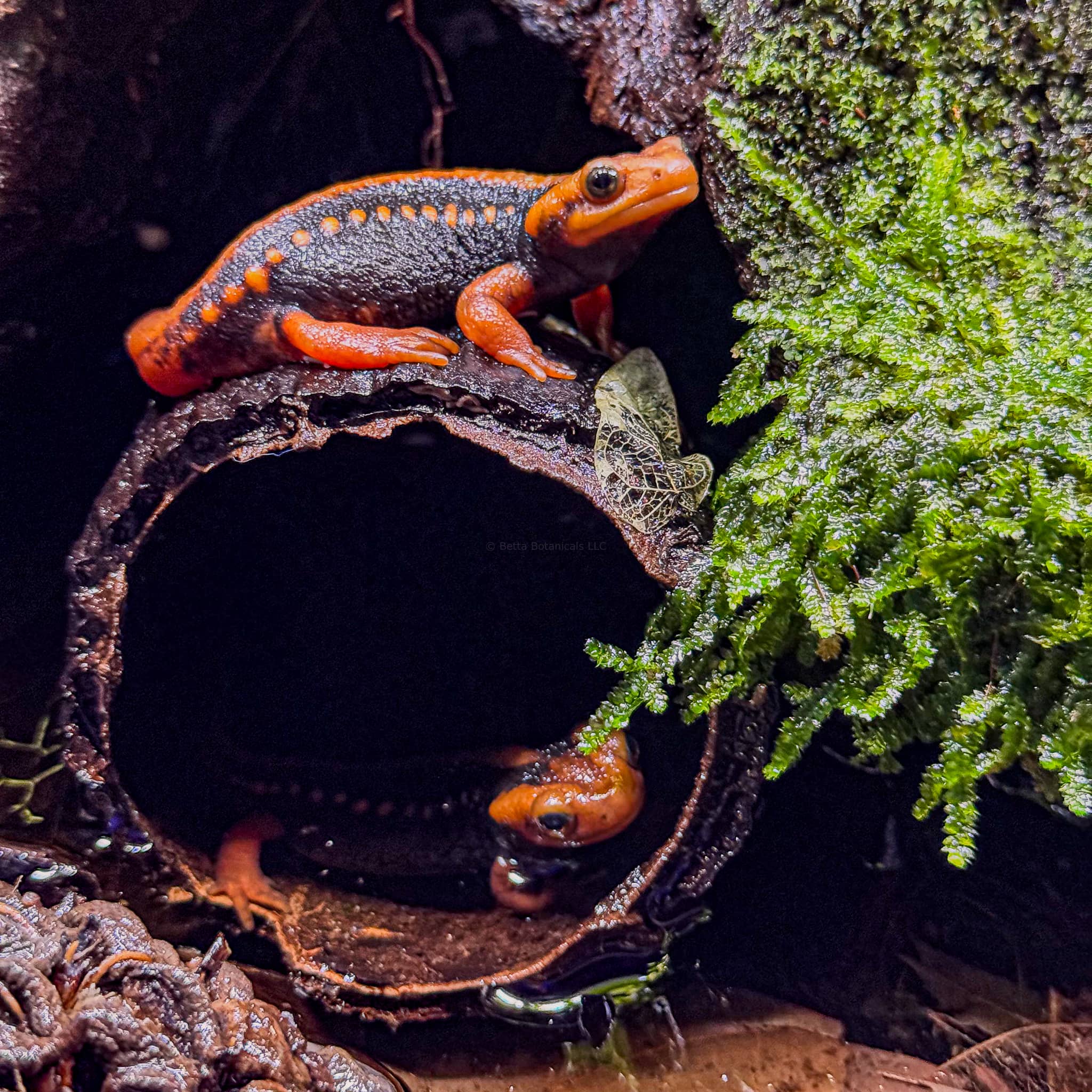
For vivariums and paludariums, it transitions naturally from the terrestrial zone into the aquatic zone — the same role palm inflorescence debris plays at the land-water interface in its native habitat. There is no need to remove it once it has broken down. The detritus and mulm it produces feed the microbial and fungal network developing beneath the leaves.
Beneath the Leaves: Borassus flabellifer in the Wild
The Palmyra palm — also called the Toddy palm — is native to India, Sri Lanka, Myanmar, and across South and Southeast Asia. In Sri Lanka's dry zone, it grows commonly in coastal alluvial soils and riparian areas subject to periodic flooding, and it carries significant cultural weight in the Northern Province, where it is an emblem of traditional livelihood and identity. The male inflorescence forms branched catkin-like stalks 23 to 50 centimeters in length, carrying small flowers clustered beneath scale-like bracts.
In habitats where the Palmyra grows adjacent to water — seasonal floodplains, riverbanks, estuarine margins — spent inflorescence stalks fall and enter the water column during and after the flowering season. There, they become part of the allochthonous input that drives nutrient cycling and microbial succession in those ecosystems. Adding a Coconut Palm Flower Stalk connects the aquarium to that same cycle of accumulation and decomposition. Mother Nature leads the way.
Sustainability Note:
This product's packaging is home compostable. Just like the botanicals inside, it will break down naturally and return to the soil — because what supports your ecosystem should minimally impact our planet.
Not for human consumption. Preparation required.
This is a natural product — variation in color, shape, and texture is expected.
Coconut Palm Flower Stalk | Borassus flabellifer
Home is getting more natural
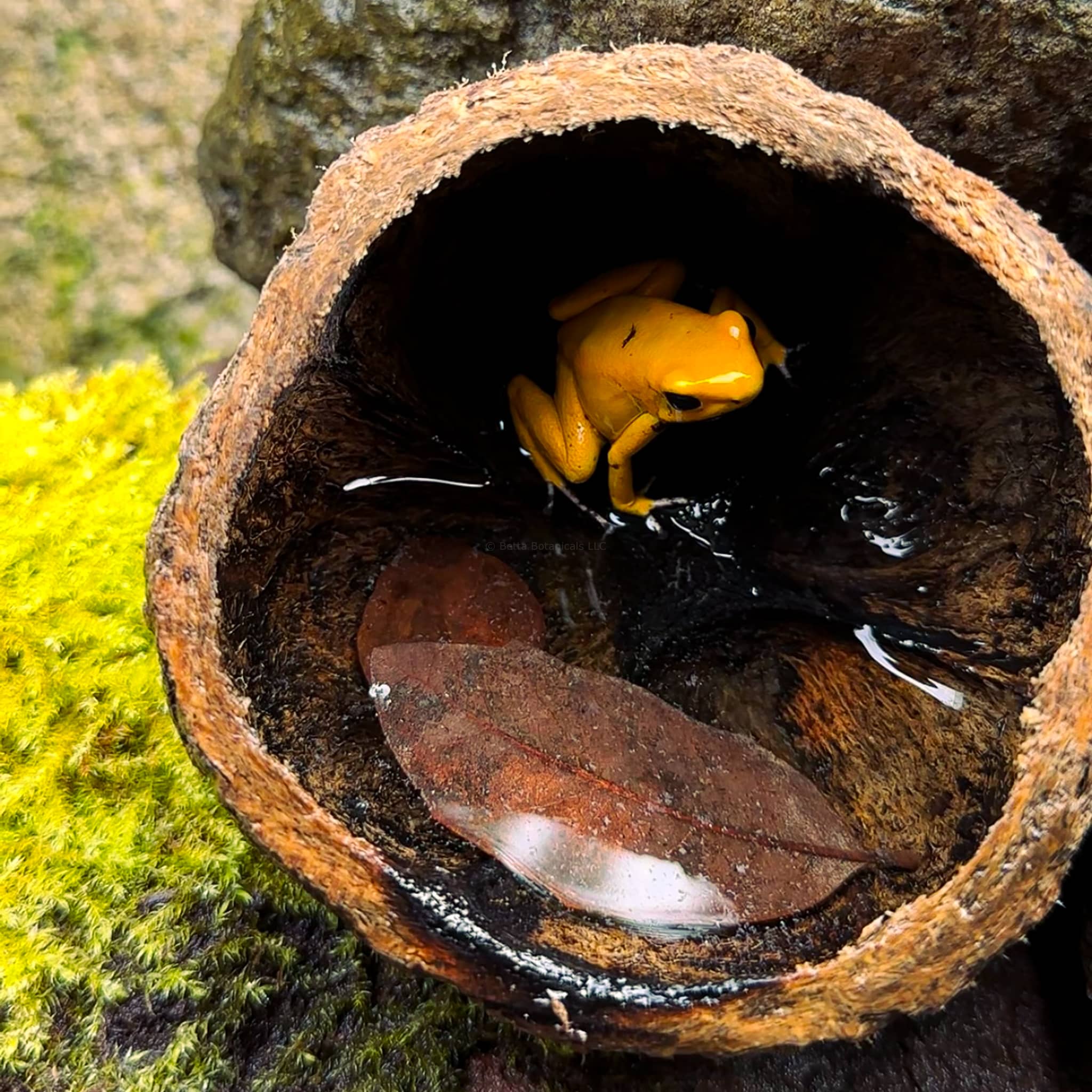
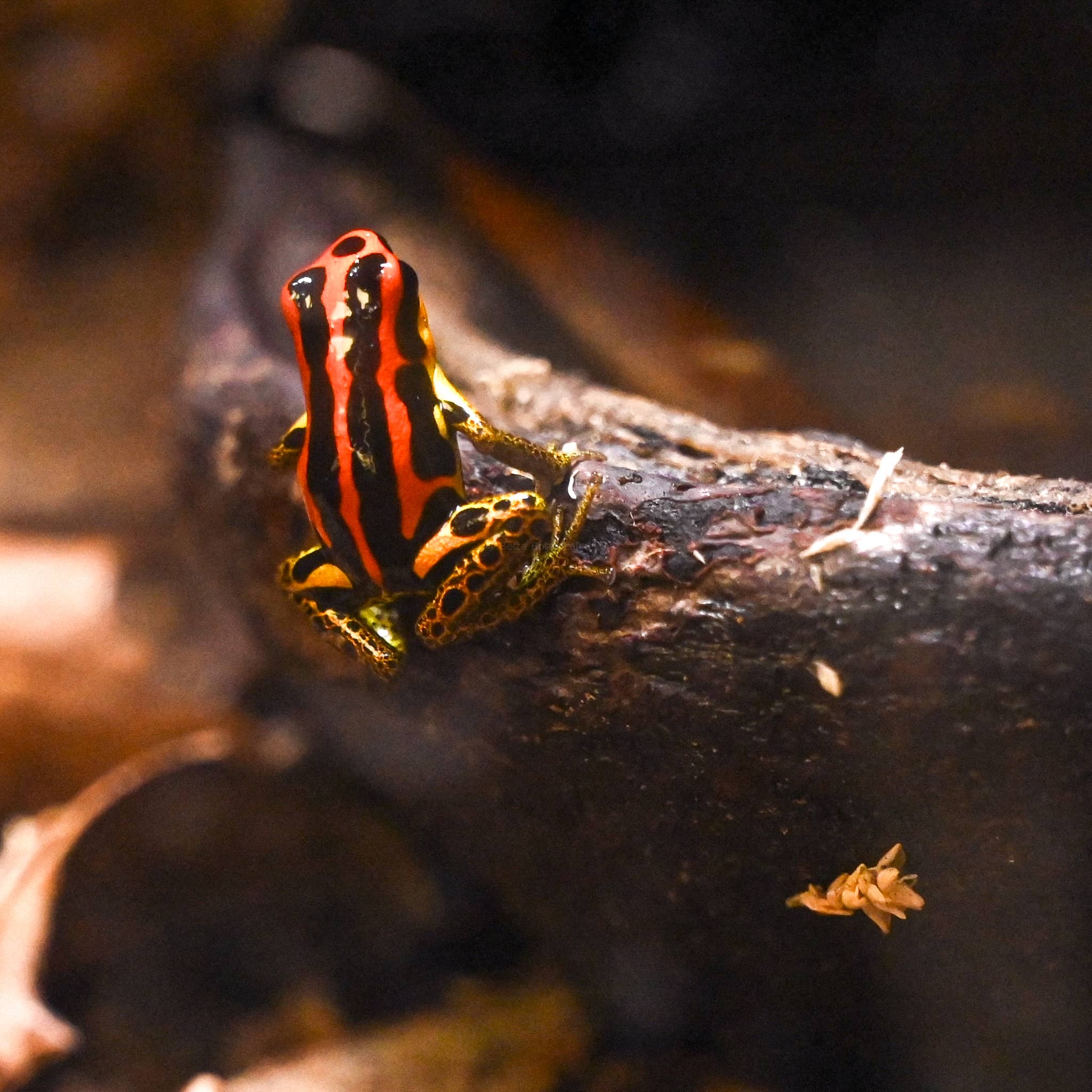
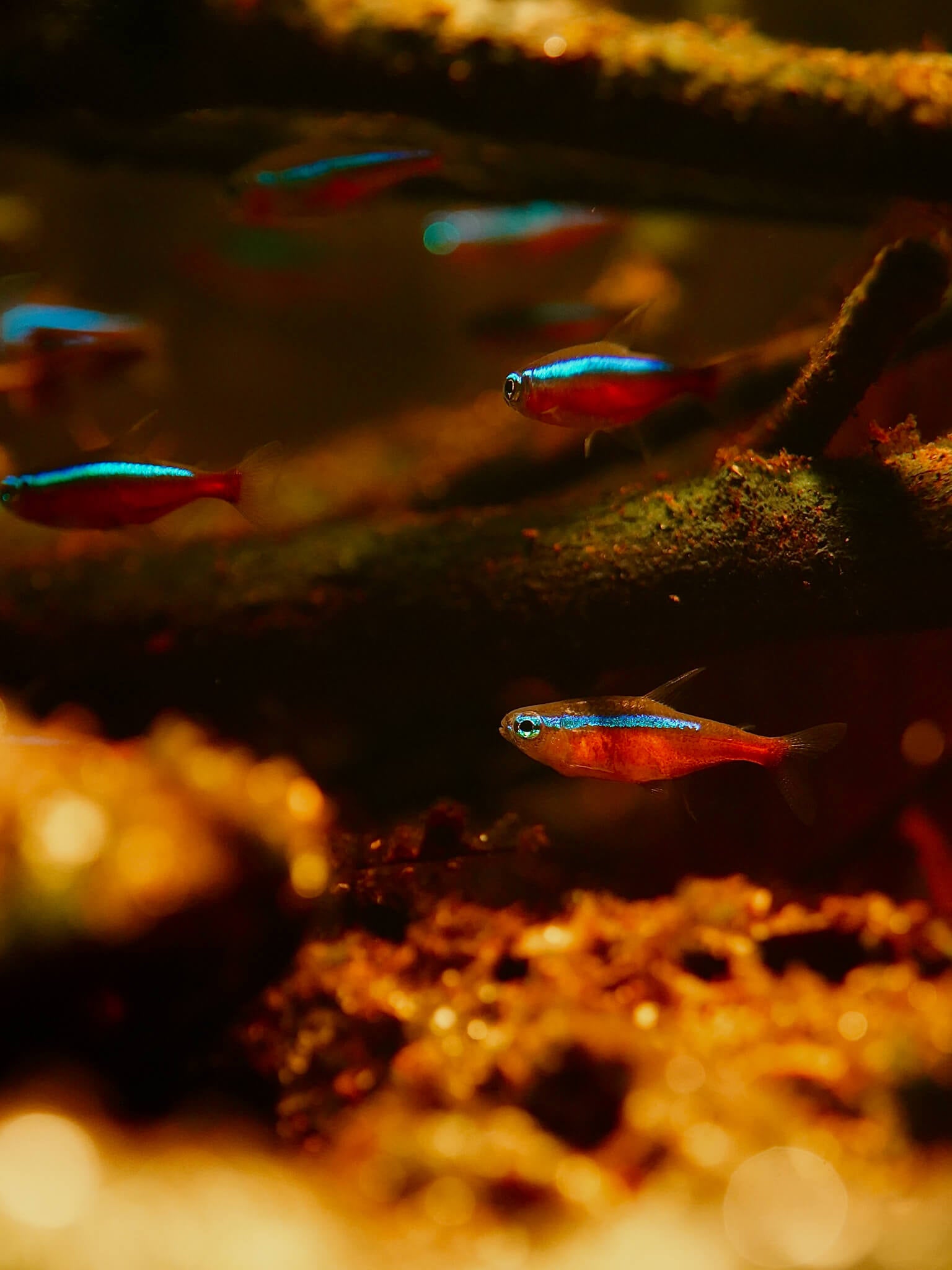
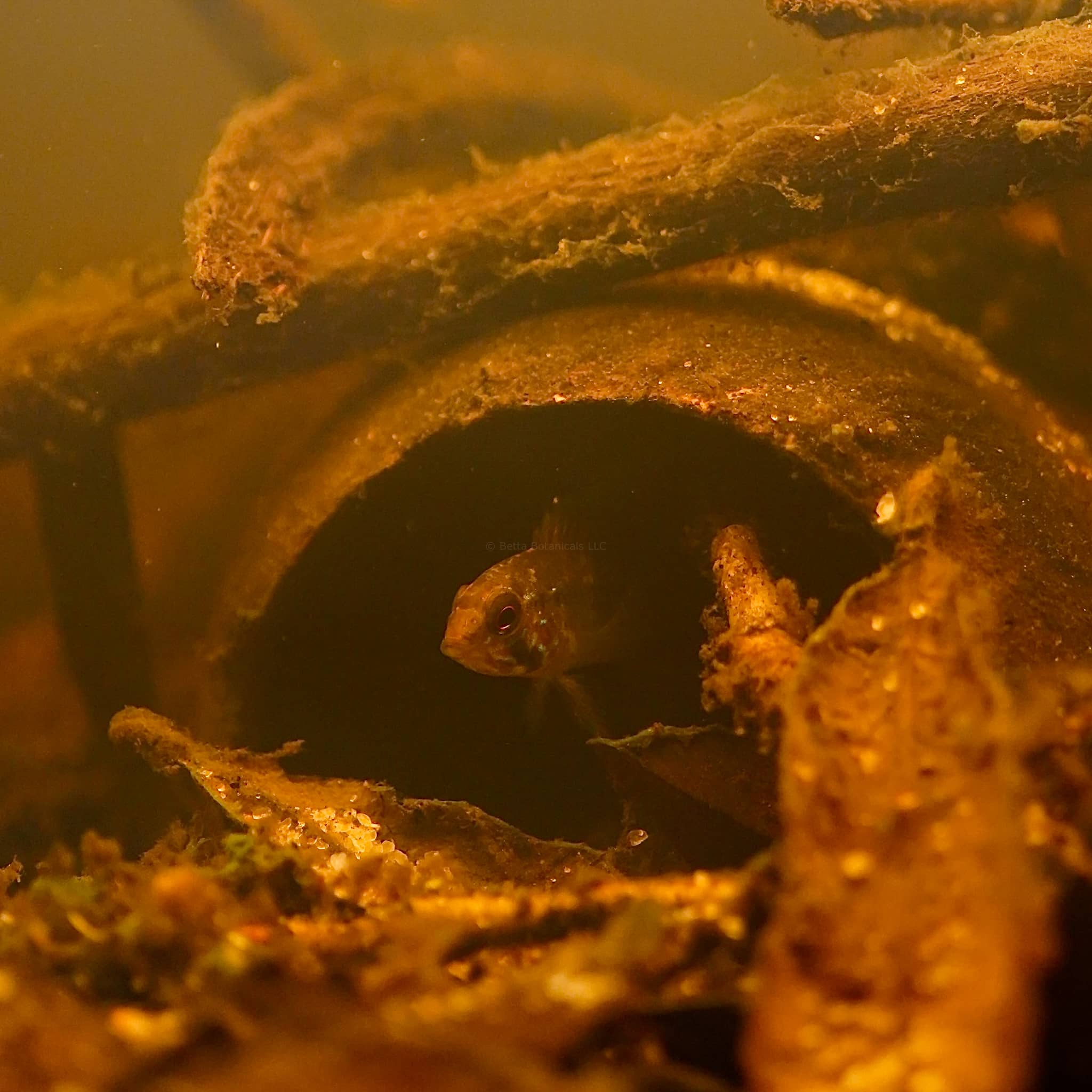
While the aesthetic appeal of botanicals and tinted water can be quite attractive to us, the recreation of nature to emulate water conditions, feeding patterns, spawning displays, and territory building are the true benefits botanicals provide to our critters.
Botanical FAQs
Compostable Packaging Promise
Our packaging is designed to return safely to the Earth, just like the botanicals inside. Every bag is BPA- and Phthalate-free, GMO-free, and contains no animal products. Each meets ASTM D6400 composting standards, ensuring it can fully break down in a home compost bin.
What are the Fluffy White Growths on my Botanicals?
That’s biofilm and fungi—what we call the “goo phase.” It’s one of the clearest signs that your aquarium is alive and functioning. These growths wax and wane naturally as botanicals decompose. They’re harmless, even beneficial, and will disappear on their own once microbial populations stabilize.
Will botanicals lower the pH of my water?
That depends entirely on your source water. In very soft or RODI water, botanicals can gradually lower pH as tannins and humic substances accumulate. In medium to hard tap water, buffering capacity often resists these shifts, and you may not notice much change. At Betta Botanicals HQ, our very hard water (350+ ppm) shows almost no pH change unless we use botanicals like Alder Cones or Macaranga Leaves.
When should I replace leaves or pods in my tank?
We recommend allowing botanicals to fully break down into detritus, since this fuels microbial life and enriches the substrate. You can remove them once they stop tinting the water, but you’ll lose some of their ecological benefits. Each time you add new botanicals, follow proper preparation and observe your livestock until you learn your aquarium’s rhythm.
Are your products just for bettas?
Nope. Our botanicals are safe for almost all aquariums, terrariums, vivariums, and paludariums. The only exceptions are goldfish and axolotls, which may ingest small pods like alder cones or casuarina cones. For those species, we recommend large leaves such as Indian Almond, Loquat, or Jackfruit.
What are Tannins?
Tannins are natural compounds released by leaves, seed pods, and bark as they decompose in water. They soften water, gently lower pH, and create the characteristic tea-stained tint found in blackwater habitats. But their role goes far beyond color—tannins fuel beneficial bacteria, fungi, and biofilms, which form the foundation of a healthy ecosystem. They also offer mild antifungal benefits and help reduce stress in fish by replicating the natural conditions they’ve evolved in. At their core, tannins are plant-derived antioxidants that connect your aquarium to the same processes at work in wild flooded forests and streams.