Climbing Swamp Fern | Stenochlaena palustris
Climbing Swamp Fern on the Surface:
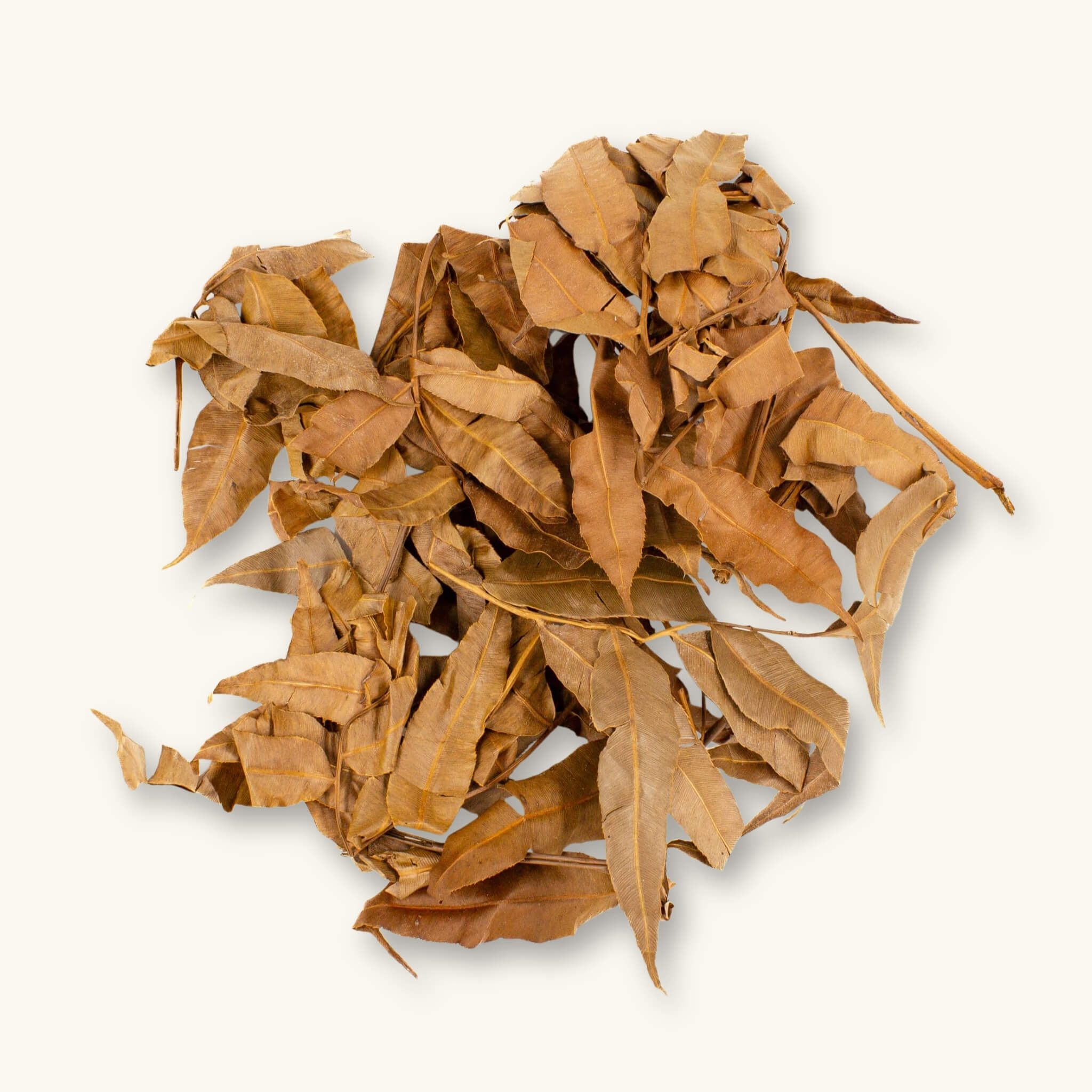
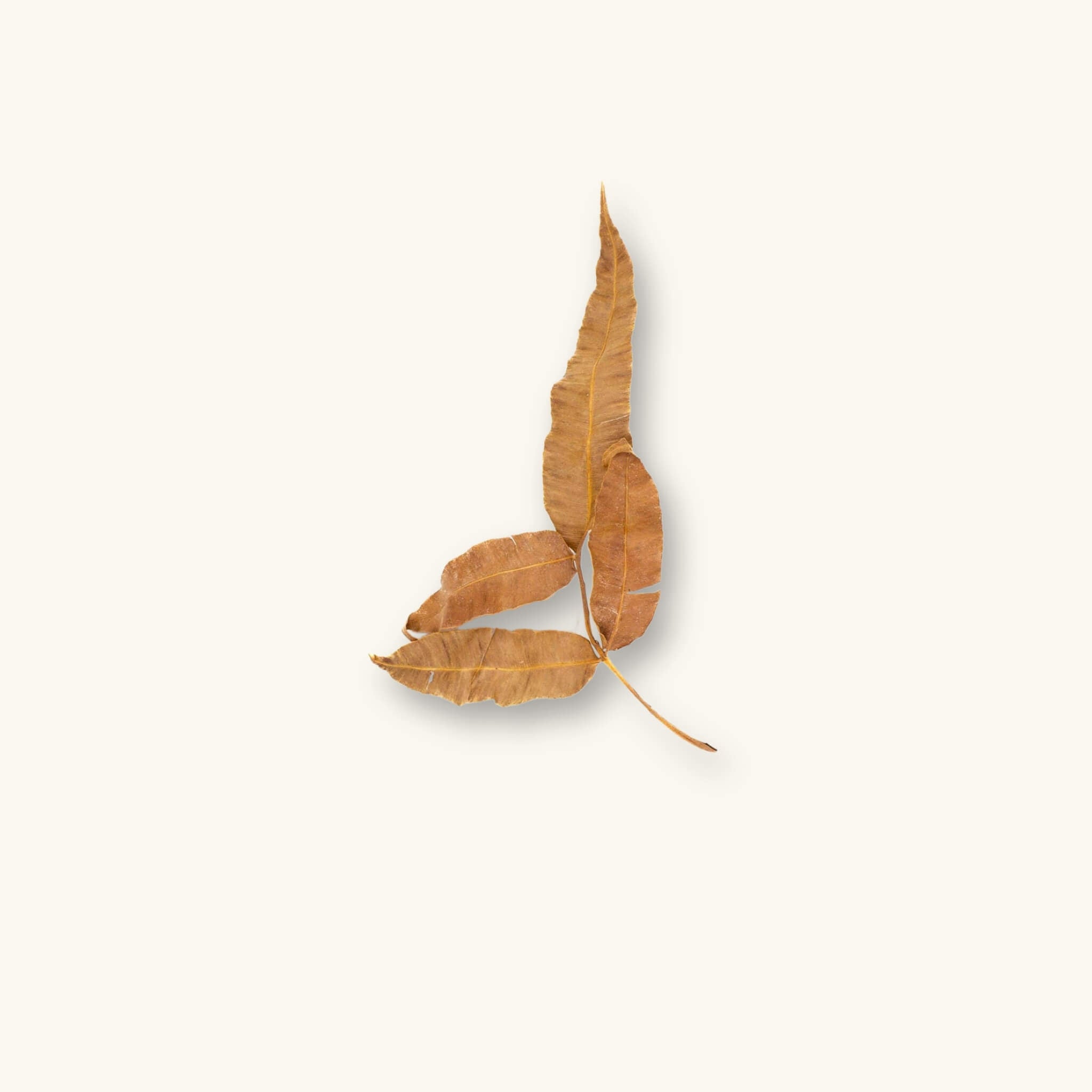
Stenochlaena palustris is a climbing swamp fern native to the riparian margins and flooded lowland forests of Southeast and South Asia, where we can find popular species of rasbora, gourami, and betta. Its fronds break down over weeks into a component of the beneficial detritus layer that fuels the microbiome of your botanical method, blackwater, and biotope aquariums. Our favorite way to use Swamp Ferns is both as whole fronds, and breaking the individual leaflets off the main stem to vary size, texture, and habitat in the substrate. They are readily consumed by shrimp and rasping fish, so expect them to last for a shorter period of time in ecosystems that contain fish that consume fibrous materials as part of their main diet.
Essential Details
- Tannin Level: Moderate
- Tint Color: Amber to brown
- Durability: Moderate to high; holds frond structure for several weeks
- Habitat Location: Swamps, riverbanks, and flooded lowland forest margins across Southeast Asia and Borneo
- Optimal For: Bettas, rasboras, gouramis, gobies, as well as neon tetras, corydoras, freshwater shrimp, and other fish from around the world
- Use with Caution: No known concerns for standard aquarium inhabitants
- Size Range: 2–6" long, approximately 1–1.5" wide; natural variation in frond size expected
- Quantities: A full 8oz compostable pouch
Climbing Swamp Fern for Aquariums & Vivariums
Climbing swamp ferns grow medium levels of biofilm — an extracellular matrix produced by bacteria — that shrimp and other microorganisms readily graze on as they would in the wild. We call the organisms consuming it supplemental nutrition because our fish will graze on them between regular feedings, just as they would in their natural habitat.
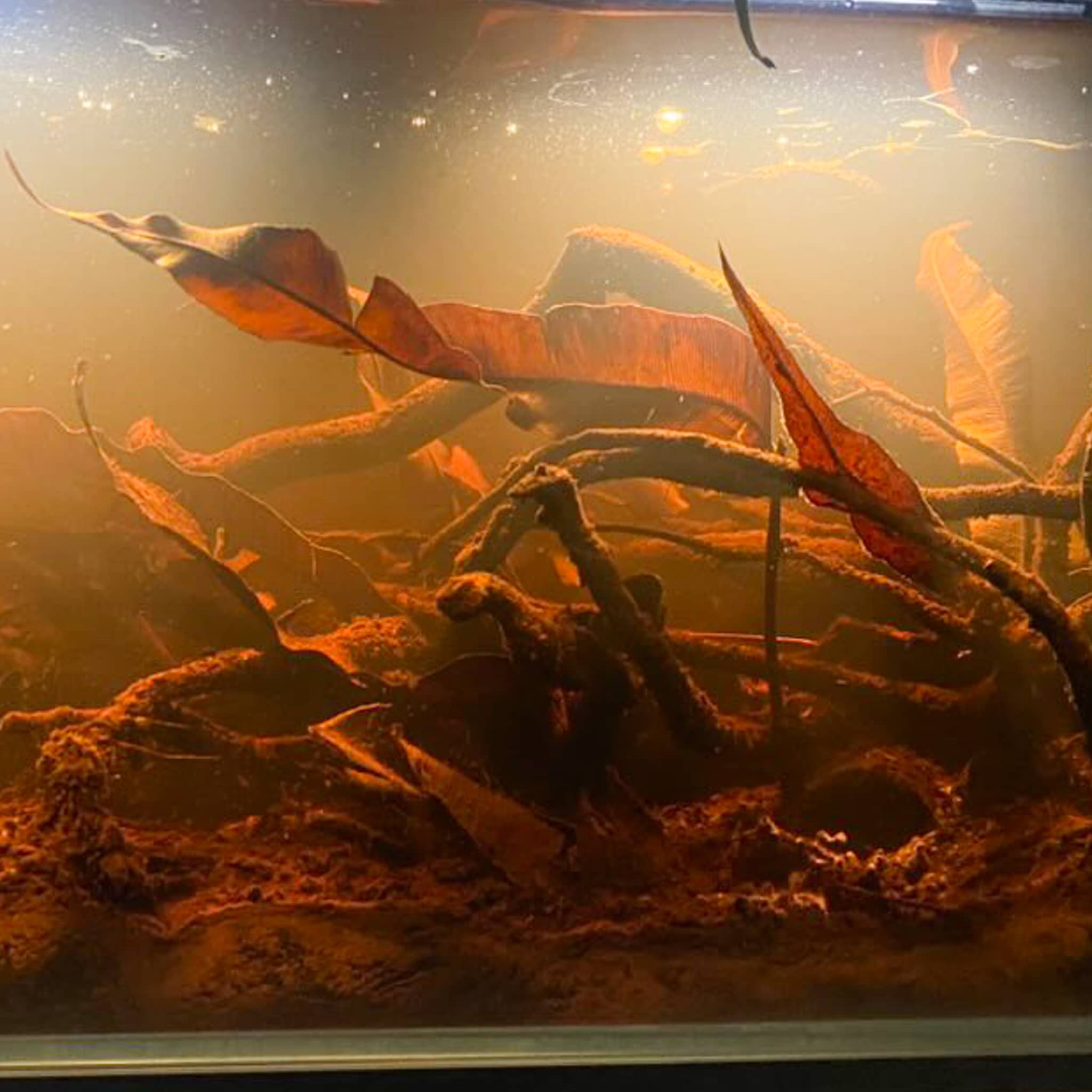
As the fronds soften and begin to break down, tannins and polyphenols — including kaempferol glycosides documented in phytochemical research on this species — are passively released into the water column. These compounds help recreate conditions that our blackwater fishes would experience in their natural habitat. The longer we allow the fronds to fully break down, the more fully those compounds accumulate in the water. Stenochlaena palustris holds its structure longer than some of our other, more ephemeral, softer leaf litters, which makes it an ideal contributor to the substrate layer of the aquarium. This is a process-driven benefit that develops over weeks, not at the moment of introduction.
In the vivarium, these fronds function as a moisture-retaining layer within the substrate, supporting the isopod and springtail populations that process organic material and develop the microbiome of the enclosure. Their durability under humid conditions makes them a useful structural leaf alongside more popular leaves like cacao, jackfruit, or guava.
Beneath the Leaves: Stenochlaena palustris in the Wild
Along the blackwater streams and swamp margins of Borneo and Sumatra, Stenochlaena palustris is one of the most recognizable climbing plants of the lowland forest floor. Its stems can reach upwards of 20 meters as they work their way through the understory, and its pinnate fronds arch out over the water's edge. In Sarawak, Malaysia, the young fronds are harvested and eaten, known locally as midin, and across Kalimantan as kelakai. Folk medicine traditions across the region have drawn on the leaf's chemistry for fever, skin conditions, and wound care, uses that reflect the well-documented polyphenol content of the frond's tissue. How these compounds interact with the ecosystem at aquarium scale has not been studied, but the same polyphenols that define the leaf's traditional uses are present in the frond tissue and passively released as it breaks down.
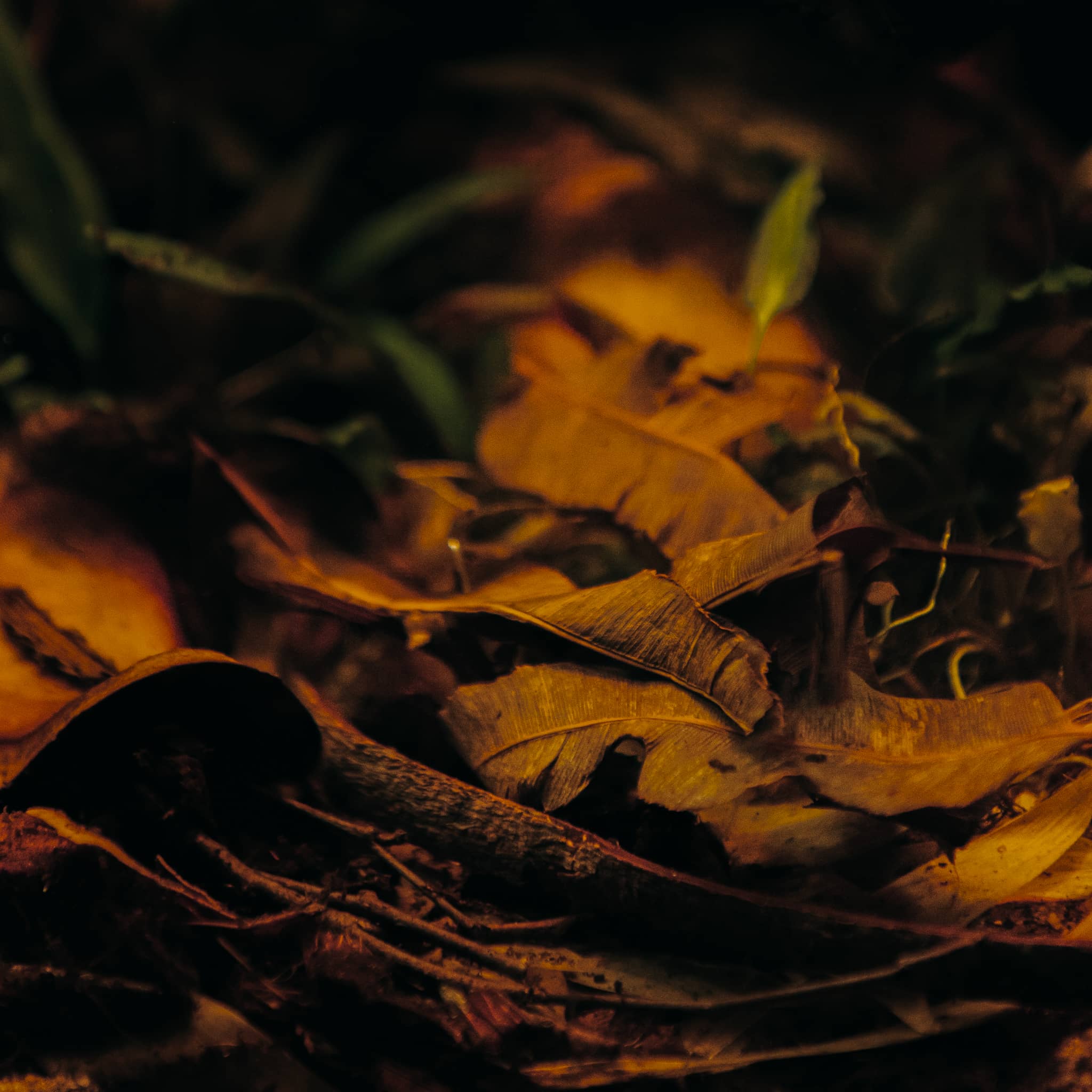
When the rains come, and water levels rise through the flooded peat swamps, mature fronds enter the water column alongside other fallen leaves, pods, and woody debris. They accumulate and contribute to the substrate layer, slowly releasing their tannins and organic compounds to the soft, humic-rich water chemistry that characterizes these rivers. Adding these fronds to the Botanical Method aquarium reconnects our fish to this cycle of accumulation and decay. Mother Nature leads the way.
Sustainability Note:
This product's packaging is home compostable. Just like the botanicals inside, it will break down naturally and return to the soil — because what supports your ecosystem should minimally impact our planet.
Not for human consumption. Preparation required.
This is a natural product — variation in color, shape, and texture is expected.
Climbing Swamp Fern | Stenochlaena palustris
Home is getting more natural
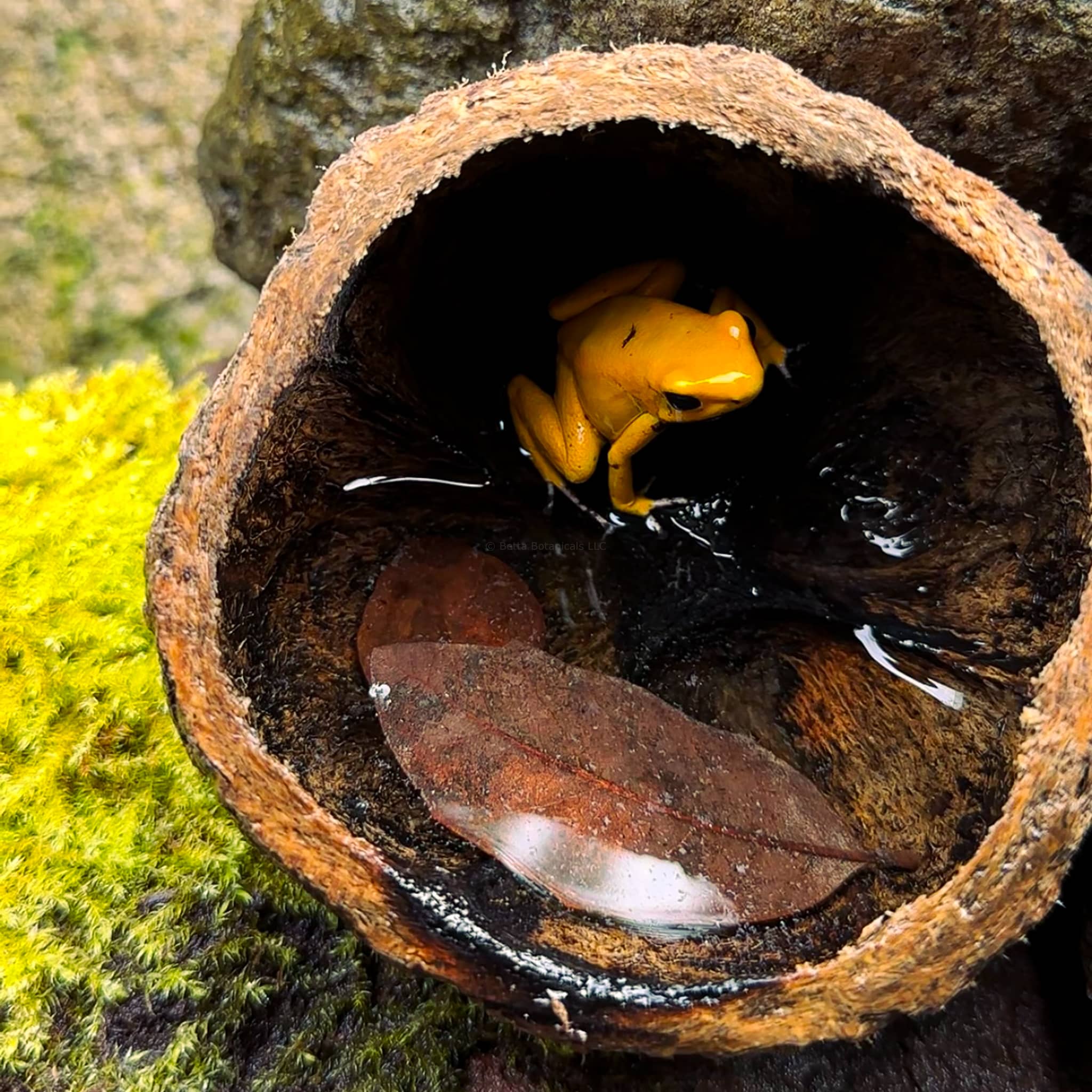
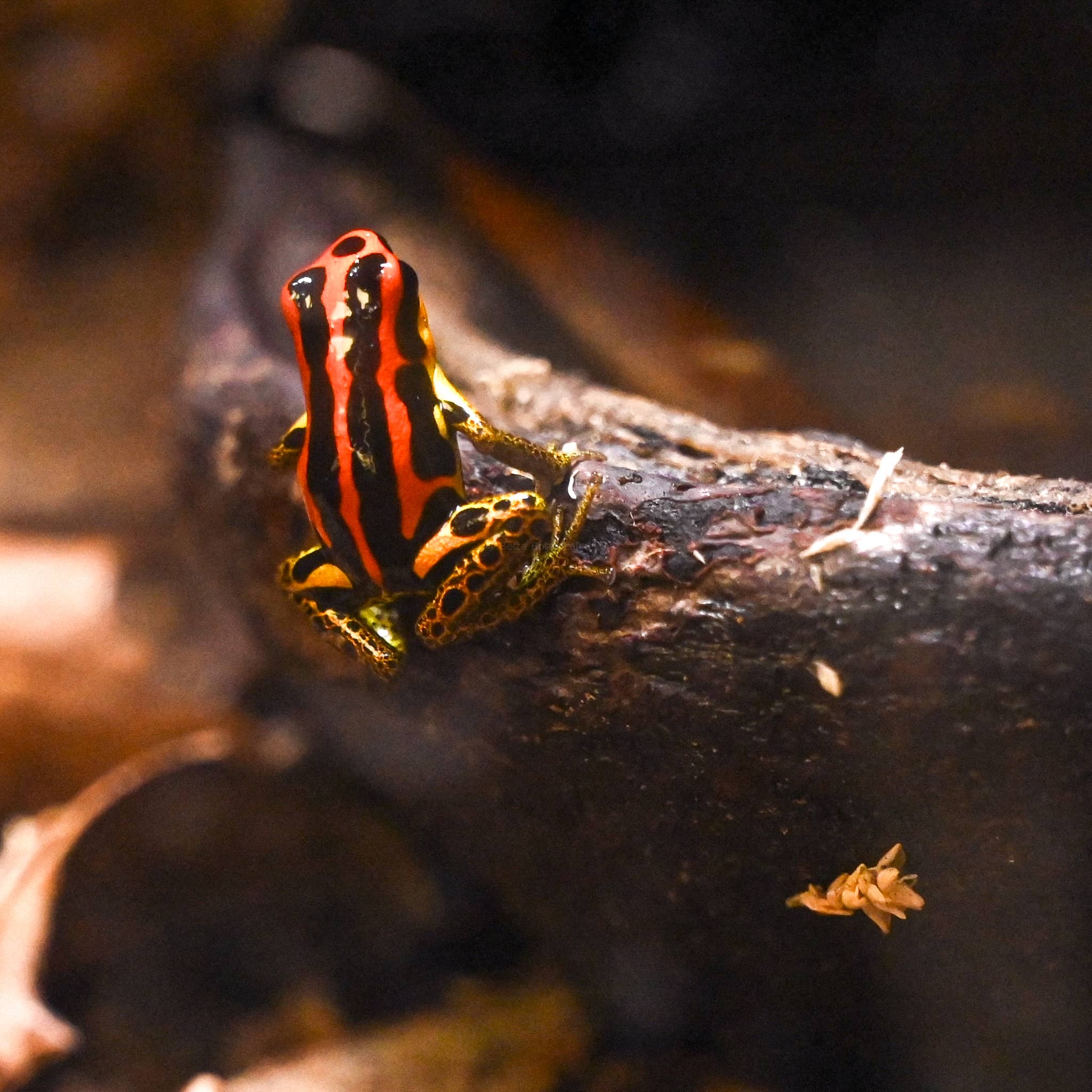
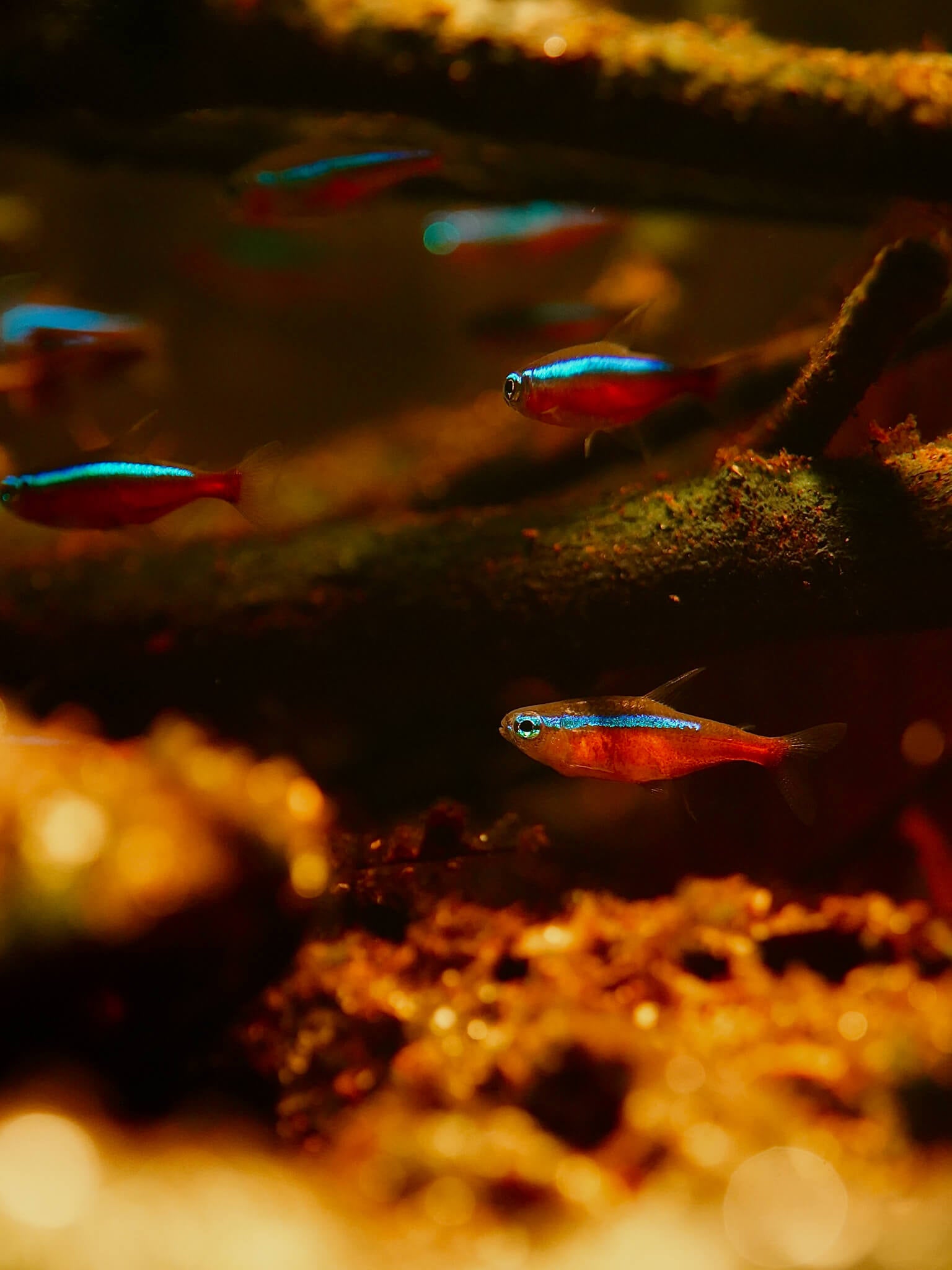
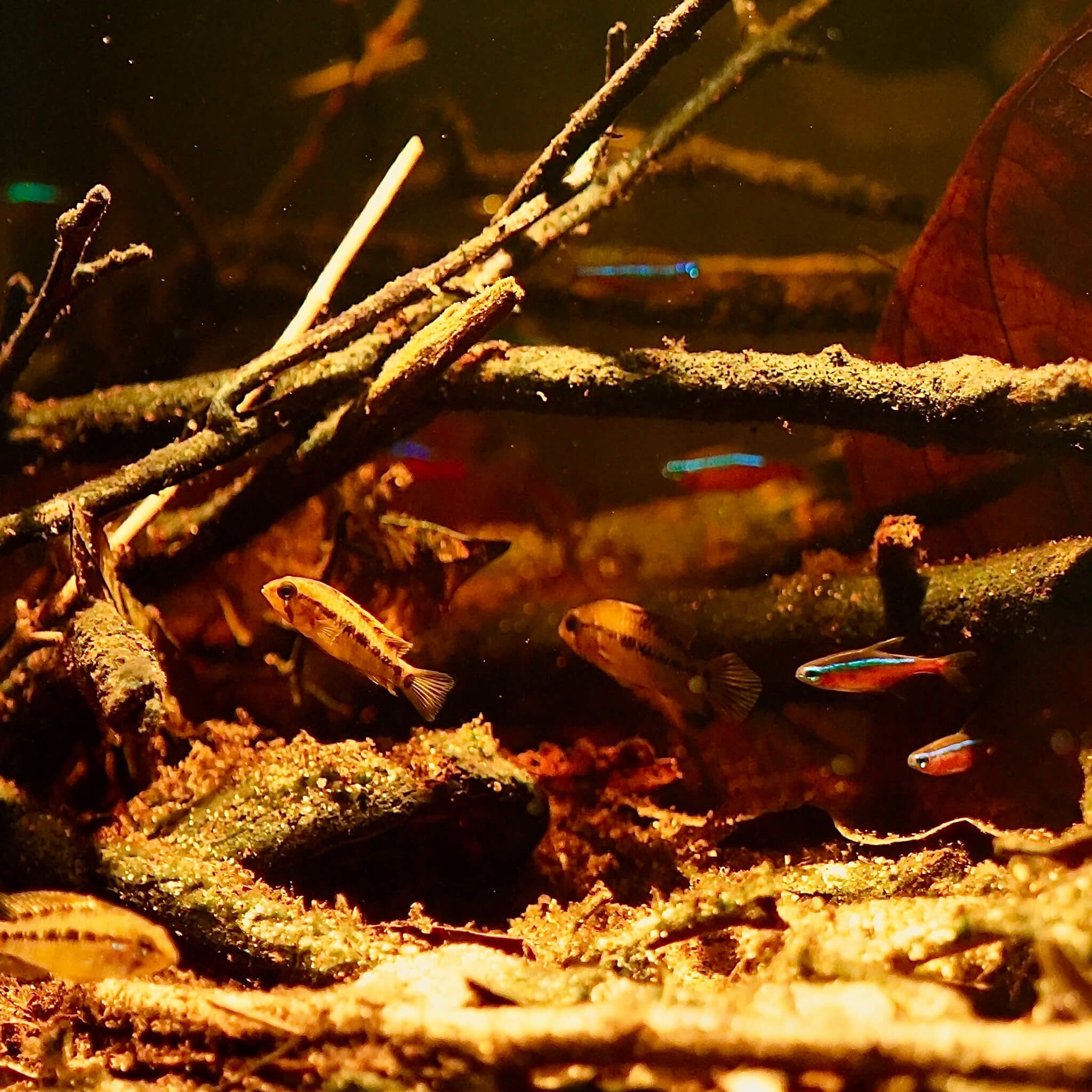
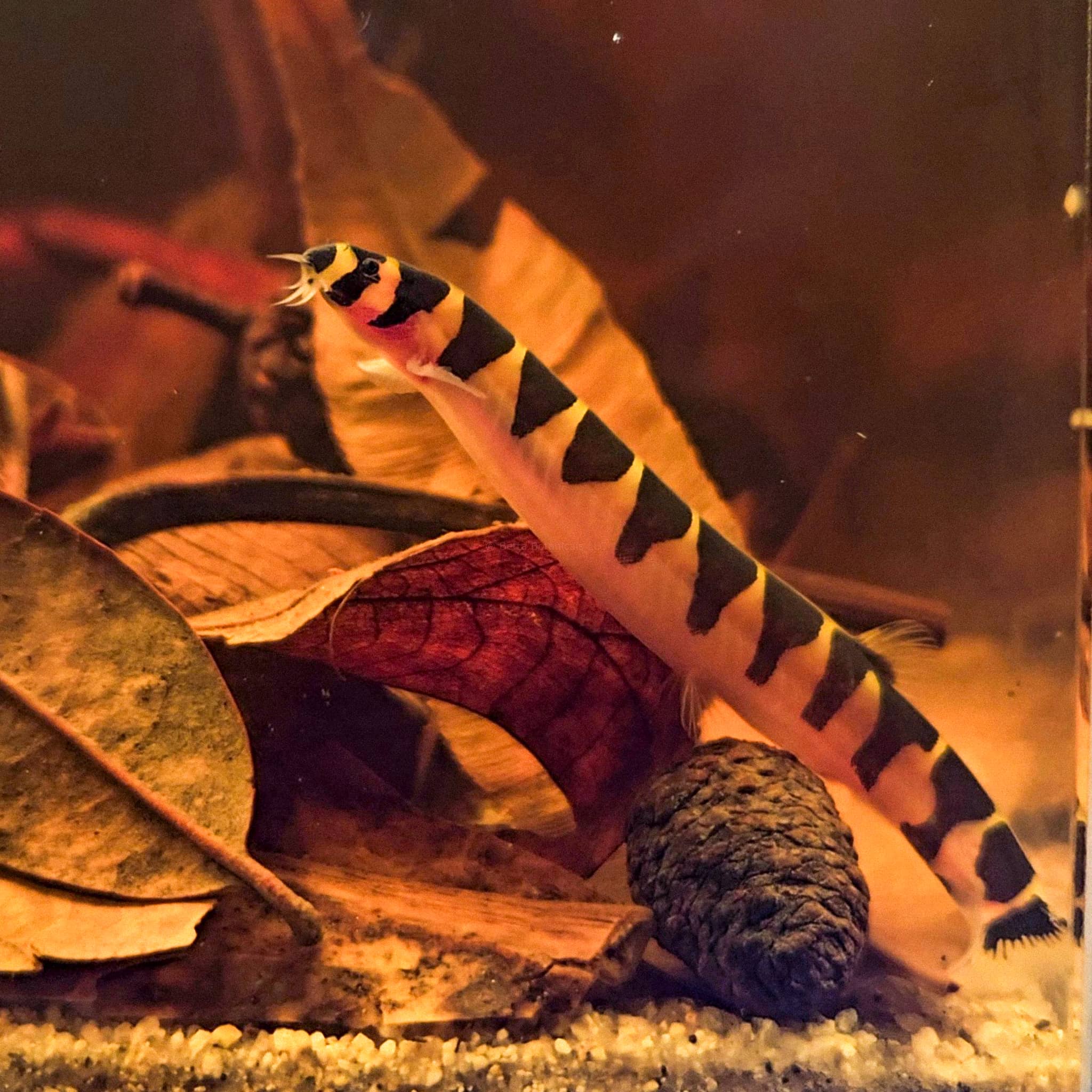
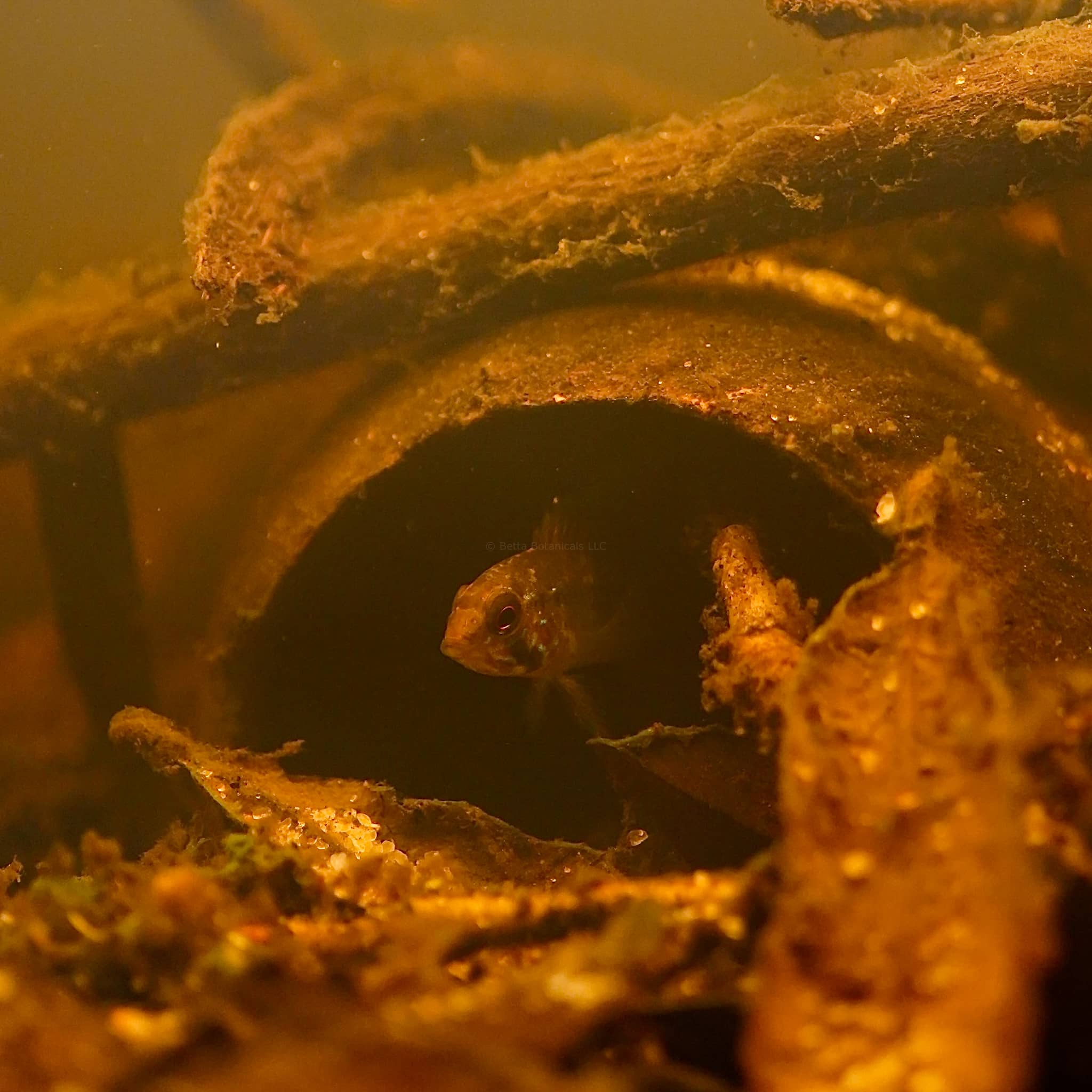
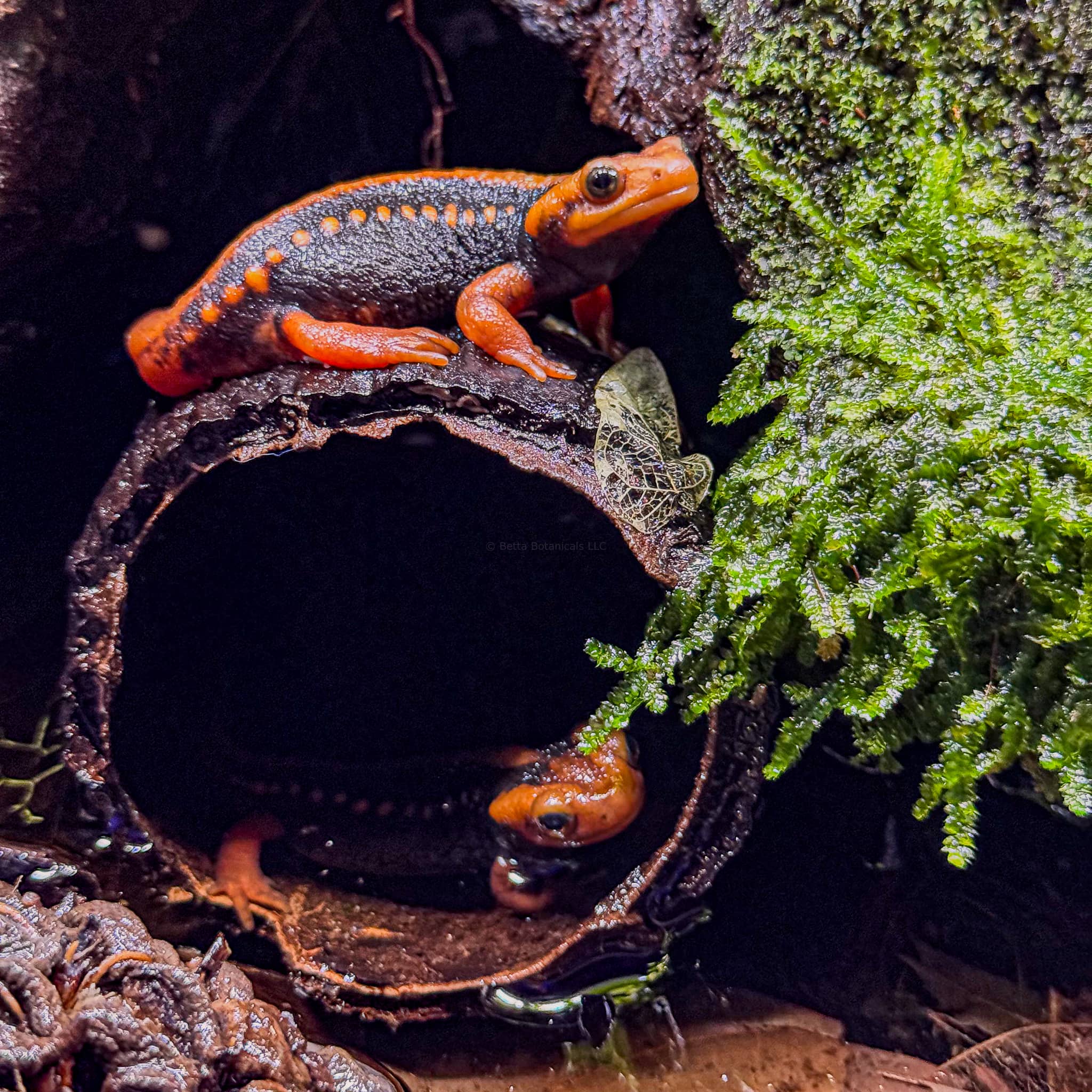
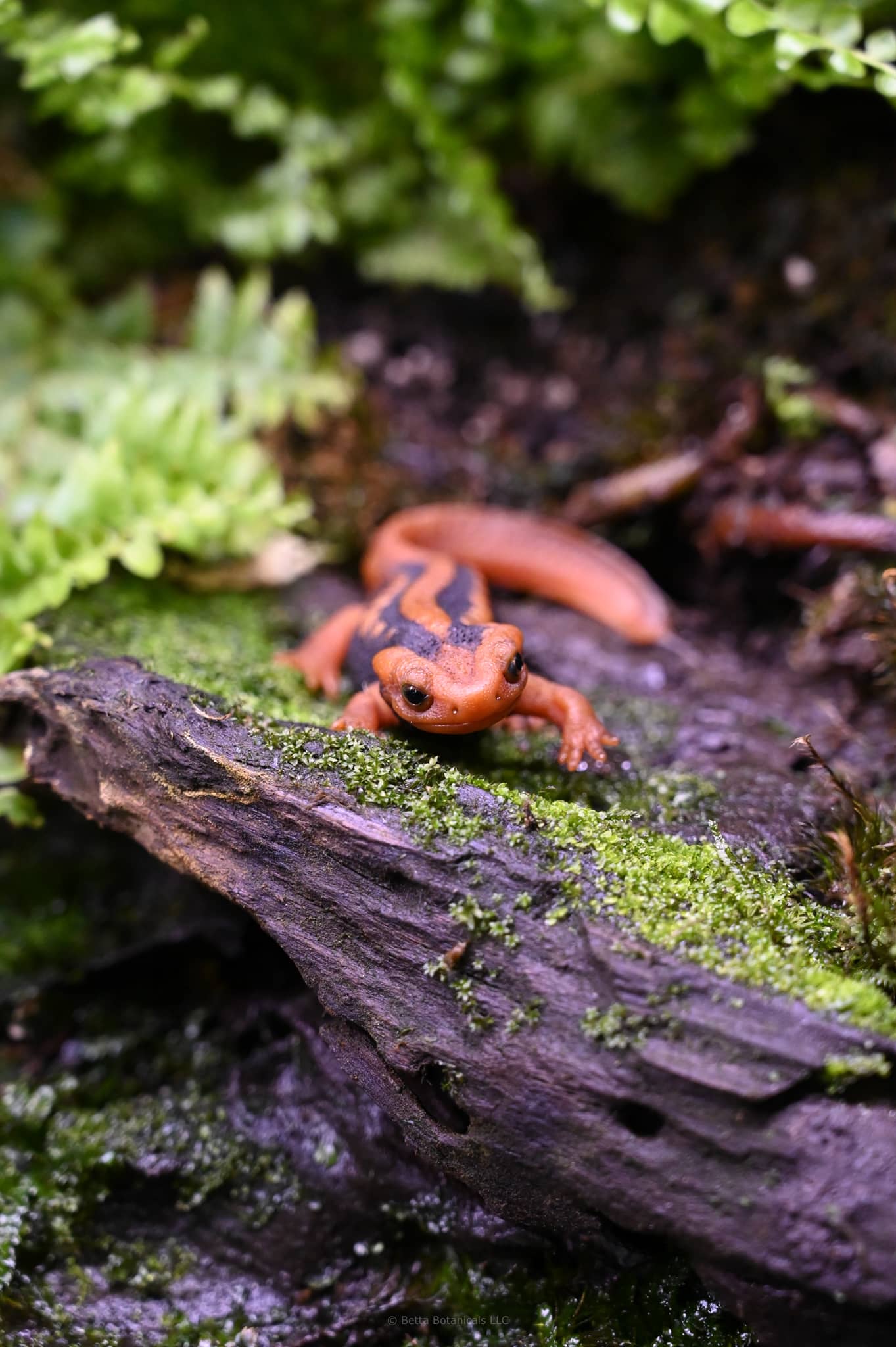
While the aesthetic appeal of botanicals and tinted water can be quite attractive to us, the recreation of nature to emulate water conditions, feeding patterns, spawning displays, and territory building are the true benefits botanicals provide to our critters.
Botanical FAQs
Compostable Packaging Promise
Our packaging is designed to return safely to the Earth, just like the botanicals inside. Every bag is BPA- and Phthalate-free, GMO-free, and contains no animal products. Each meets ASTM D6400 composting standards, ensuring it can fully break down in a home compost bin.
What are the Fluffy White Growths on my Botanicals?
That’s biofilm and fungi—what we call the “goo phase.” It’s one of the clearest signs that your aquarium is alive and functioning. These growths wax and wane naturally as botanicals decompose. They’re harmless, even beneficial, and will disappear on their own once microbial populations stabilize.
Will botanicals lower the pH of my water?
That depends entirely on your source water. In very soft or RODI water, botanicals can gradually lower pH as tannins and humic substances accumulate. In medium to hard tap water, buffering capacity often resists these shifts, and you may not notice much change. At Betta Botanicals HQ, our very hard water (350+ ppm) shows almost no pH change unless we use botanicals like Alder Cones or Macaranga Leaves.
When should I replace leaves or pods in my tank?
We recommend allowing botanicals to fully break down into detritus, since this fuels microbial life and enriches the substrate. You can remove them once they stop tinting the water, but you’ll lose some of their ecological benefits. Each time you add new botanicals, follow proper preparation and observe your livestock until you learn your aquarium’s rhythm.
Are your products just for bettas?
Nope. Our botanicals are safe for almost all aquariums, terrariums, vivariums, and paludariums. The only exceptions are goldfish and axolotls, which may ingest small pods like alder cones or casuarina cones. For those species, we recommend large leaves such as Indian Almond, Loquat, or Jackfruit.
What are Tannins?
Tannins are natural compounds released by leaves, seed pods, and bark as they decompose in water. They soften water, gently lower pH, and create the characteristic tea-stained tint found in blackwater habitats. But their role goes far beyond color—tannins fuel beneficial bacteria, fungi, and biofilms, which form the foundation of a healthy ecosystem. They also offer mild antifungal benefits and help reduce stress in fish by replicating the natural conditions they’ve evolved in. At their core, tannins are plant-derived antioxidants that connect your aquarium to the same processes at work in wild flooded forests and streams.
- Great leaf litter that lasts a long time. Corys and Loaches love it!
- My tank is so gorgeous thanks to the botanicals I got!
- Arrived fast and looks amazing in the aquarium.
These are so gorgeous. They're great for adding to a "top layer" of botanicals for contrast in size, color, and texture. They are a darkish tan brown in the aquarium. Very low tannin. Bag comes absolutely filled to the brim. My tank is so gorgeous thanks to the botanicals I got!
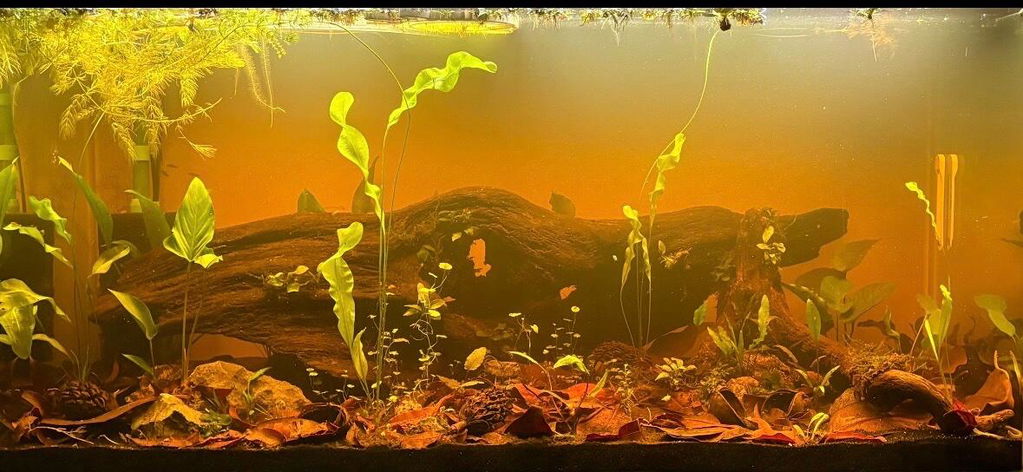
Great leaf litter that lasts a long time. Cory’s and Loaches love it!
Thank you for leafing a review on the Swamp Ferns! It's one of my staples in the betta tanks I keep as both whole fronds or single leaves. I'm glad you had a great time building your ecosystem, and let minnow if you need help on the next one. -Ben
Arrived fast and looks amazing in the aquarium. Love the fern botanical look the provide
My order was delivered fast and in perfect condition.
Best aquarium and terrarium botanicals by far, always doing bulk orders from Bettabotanicals whenever I need a resupply!