





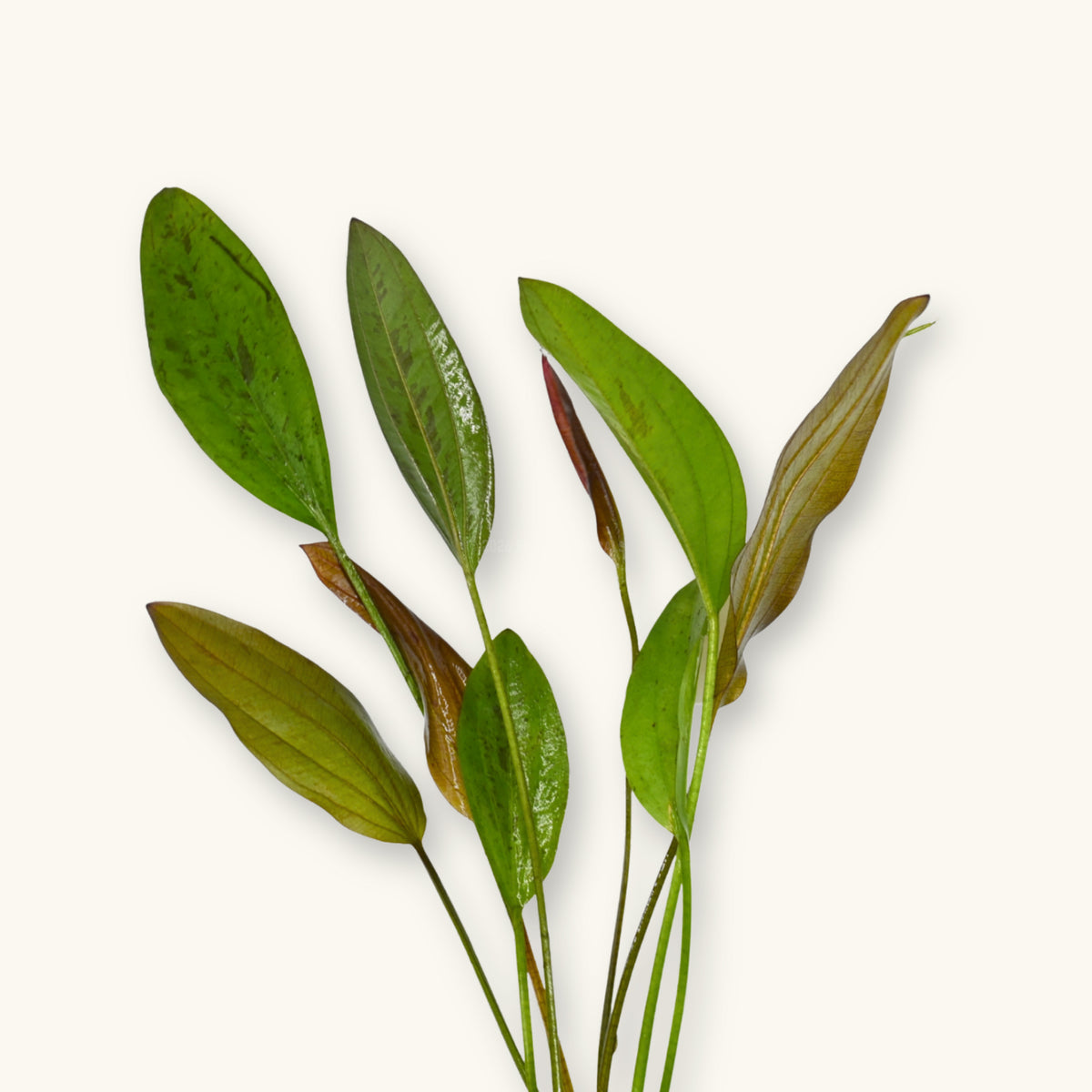
Chocolate Marble Sword | Echinodorus sp 'chocolate marble'
Chocolate Marble Sword on the Surface:
Chocolate Marble Sword is one of the larger sword plants we offer, with an extensive root network in the substrate. Growing from a rosette of broad leaves marbled in brown and green, it grows well above the leaf litter bed in the midground or background. In the Botanical Method Aquarium, these leaves provide refuge for betta fish and dwarf cichlids, along with surfaces where biofilm can encrust. It grows best rooted into a nutrient-rich substrate beneath medium to high light.
Essential Details
- Care Level: Easy
- Growth Habit: Rooted rosette; slow to moderate growth from the crown
- Light: Medium to High
- CO2: Not Necessary
- Propagation: Division of new plantlets at the root crown, or via flower stalk propagation
- Tint Tolerance: Low to Moderate
- Habitat Location: Nursery-bred cultivar; Echinodorus is native to the Americas
- Optimal For: Betta fish, dwarf cichlids, tetras, otocinclus, and shrimp
- Use with Caution: Rinse before introducing; may carry beneficial hitchhiking snails, snail eggs, or duckweed
- Size Range: 10 to 16 inches tall at maturity
- Quantities: Sold as a 1c potted plant
Chocolate Marble Sword for Planted Aquariums & Blackwater Biotopes
Chocolate Marble Sword absorbs most of its micro- and macronutrients at its roots, growing best in a dirted substrate, or in inert sand with root tabs pushed into sand near the base of the plant. Once established, its broad leaves provide cover for betta fish, dwarf cichlids, tetras, and shrimp. The beneficial fungi and biofilms that encrust its leaves provide a grazing resource, what we call supplemental nutrition. Key in a Botanical Method Aquarium
New leaves emerge dark red, and the marbled brown pattern becomes more pronounced as each leaf matures. Stronger light, paired with a nutrient-rich substrate, deepens that coloration, and new leaves that grow in mostly green are a sign the plant needs a higher light intensity. The amount of tint you have present in your aquarium reduces the light reaching those leaves for photosynthesis. In a heavily tinted Botanical Method Aquarium, you will need to raise light intensity and then slowly decrease it as the tint is naturally consumed by life in the aquarium.
Chocolate Marble Swords grow new leaves from the center of its rosette at a slow to moderate pace. Mature plants form new plantlets at the root crown or via a flowering stalk, and once a plantlet has its own roots and a few leaves, you can gently divide and replant it. Most sword plants are grown emersed at the nursery, above the waterline, so some of the original leaves will yellow or melt back in the first weeks after planting. Leave the roots undisturbed through this stage, and new leaves adapted to submerged growth will emerge from the crown.
Beneath the Leaves: Echinodorus in the Wild
Chocolate Marble Sword is a nursery cultivar, and its exact parentage has not been published. Growers consider it a hybrid, and sword plants of the genus Echinodorus are known to cross both in the wild and in cultivation. The genus is native to the Americas, from the southeastern United States to Argentina, where its species can be found in marshes, pond margins, and seasonal wetlands. Depending on the species and the season, they grow emersed above the waterline, with floating leaves, or sit fully submerged as floodwaters rise.
Where a botanical contributes as it breaks down, an aquatic plant is living and contributes as it grows. So let them grow. Mother Nature leads the way.
Sustainability Note:
Please select a heat/cold pack if necessary. Check your local weather before ordering to avoid any shipment holds or cancellations. All Plants may contain snails or snail eggs. We keep them in all of our aquariums for the benefits they provide. Our blackwater aquarium plants are provided in cooperation with PNW Bettas in adherence to their Shipping and DOA Policies. Your curated selection will arrive in their packaging separate from your botanical, wood & merch orders.
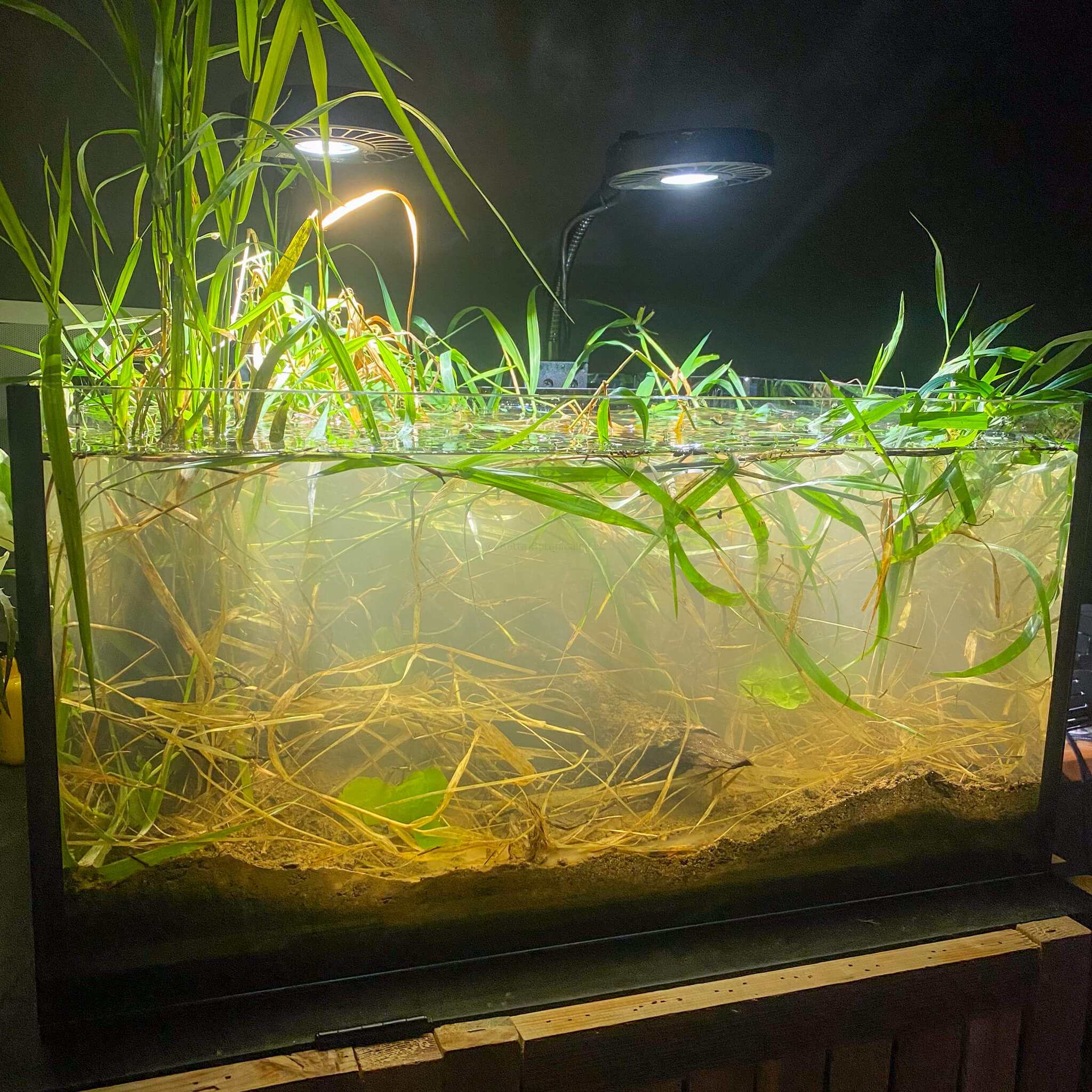
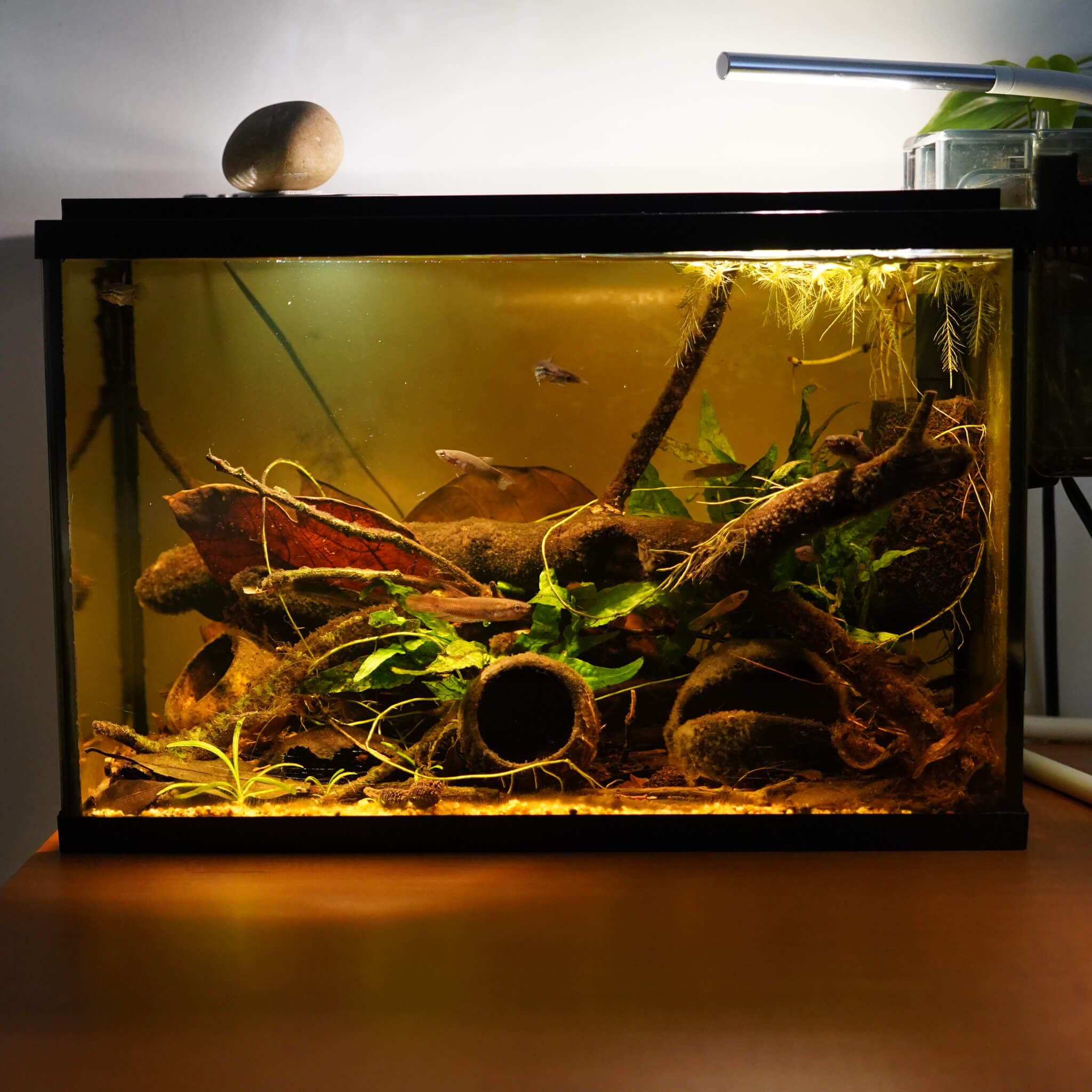
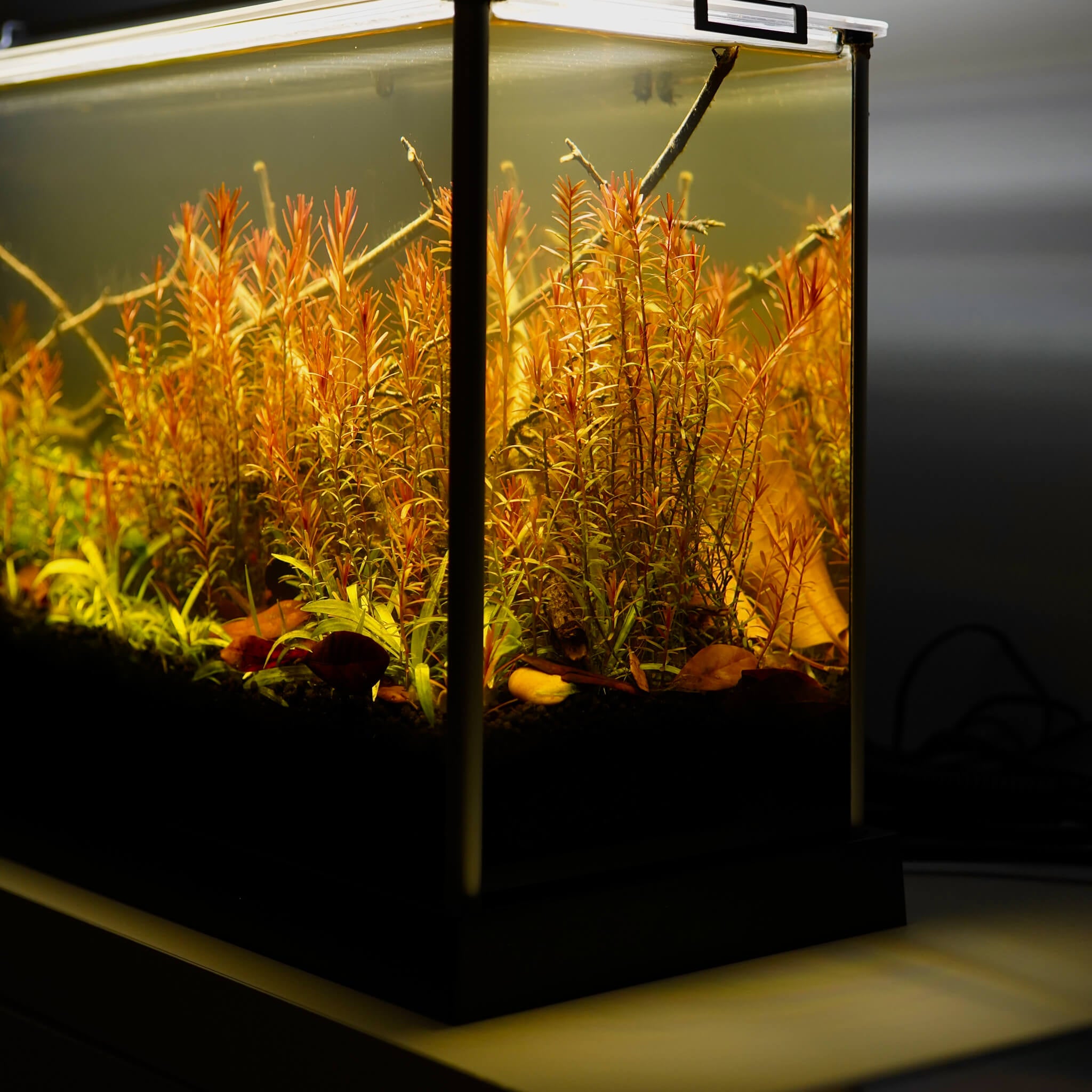
contrast the tint with greenery
While the aesthetic appeal of tinted waters can be quite attractive to us, the recreation of nature—which includes both submerged and emersed plants—is the end goal. Flora helps to improve water conditions, feeding patterns, spawning displays, and territory building.
Aquatic Plant FAQs
DOA Policy
Please ensure that you add a heat pack or cold pack to your orders if temperatures in your area are above 90°F or below 40°F. Click for more info on our DOA Policy.
Are these plants duckweed and snail free?
All Plants may contain snails or snail eggs, small macroinvertebrates, and duckweed. We keep them in all of our tanks for the benefits they provide. We have experienced the presence of small snails, ostracods, daphnia, and beneficial detritus worms.
Are your plants only for tinted water conditions?
Nope! All of our plants will grow perfectly in untinted aquariums that have CO2 and aquasoils, or low-tech planted aquariums. Our selection, though, is optimized for emersed plant growth and low- to medium-tinted water environments.
What is your aquatic plant shipping schedule?
To ensure our aquatic plants ship under the best conditions, we are currently shipping our aquatic plants on Mondays. Please have your orders placed by 11:59 pm on Sundays. Aquatic plants usually arrive within 1-4 business days
How are your plants packaged?
All of our aquatic plants are shipped in sealed bags or cups, inside insulated mailers. Void fill is used to ensure plants stay secure during transit to your ecosystem. Heat & Cold Packs are available for purchase.
Are your plants just for bettas?
Nope! Our aquatic plants are safe for almost all aquariums, terrariums, vivariums, and paludariums. Many of our plants can be grown emersed in filter compartments, vivariums, or incorporated into wabikua.
What are Tannins?
Tannins are natural compounds released by leaves, seed pods, and bark as they decompose in water. They soften water, gently lower pH, and create the characteristic tea-stained tint found in blackwater habitats. But their role goes far beyond color—tannins fuel beneficial bacteria, fungi, and biofilms, which form the foundation of a healthy ecosystem. They also offer mild antifungal benefits and help reduce stress in fish by replicating the natural conditions they’ve evolved in. At their core, tannins are plant-derived antioxidants that connect your aquarium to the same processes at work in wild flooded forests and streams.