Betel Nut Pods | Areca catechu
Betel Nut Pods on the Surface:
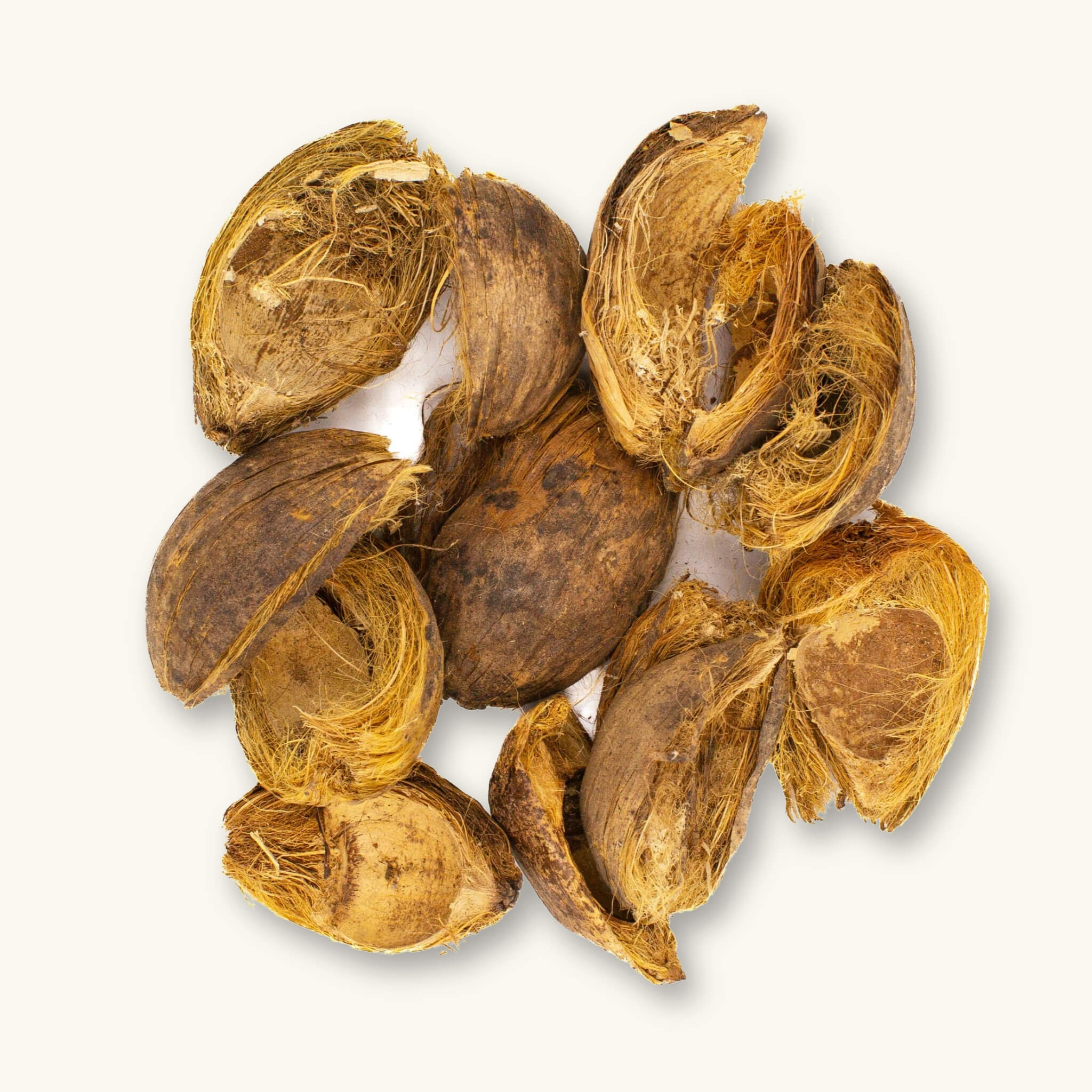
Betel Nut Pods are the fibrous outer husk (pericarp) of the areca palm fruit (Areca catechu), a tropical palm cultivated widely across South and Southeast Asia and the western Pacific. Once rehydrated, these low-tannin pods are ideal for shredding and pulling apart as their fibrous materials help to build a natural substrate. They grow beneficial biofilms quickly and add substrate complexity in botanical method aquariums and bioactive enclosures. Ideal for shrimp, snails, macrofauna ecosystems, and community fish tanks.
Essential Details
- Tannin Level: Low
- Tint Color: Minimal to light tea brown
- Durability: Slow to decompose; fibers soften gradually and can persist for months
- Habitat Location: Tropical Asia and the western Pacific, with this botanical sourced from Indonesia
- Optimal For: Bettas, gouramis, tetras, rasboras, shrimp, snails, nano fish, goldfish, axolotls, and bioactive enclosures with isopods, springtails, small frogs, and geckos
- Use with Caution: Suitable for all inhabitants
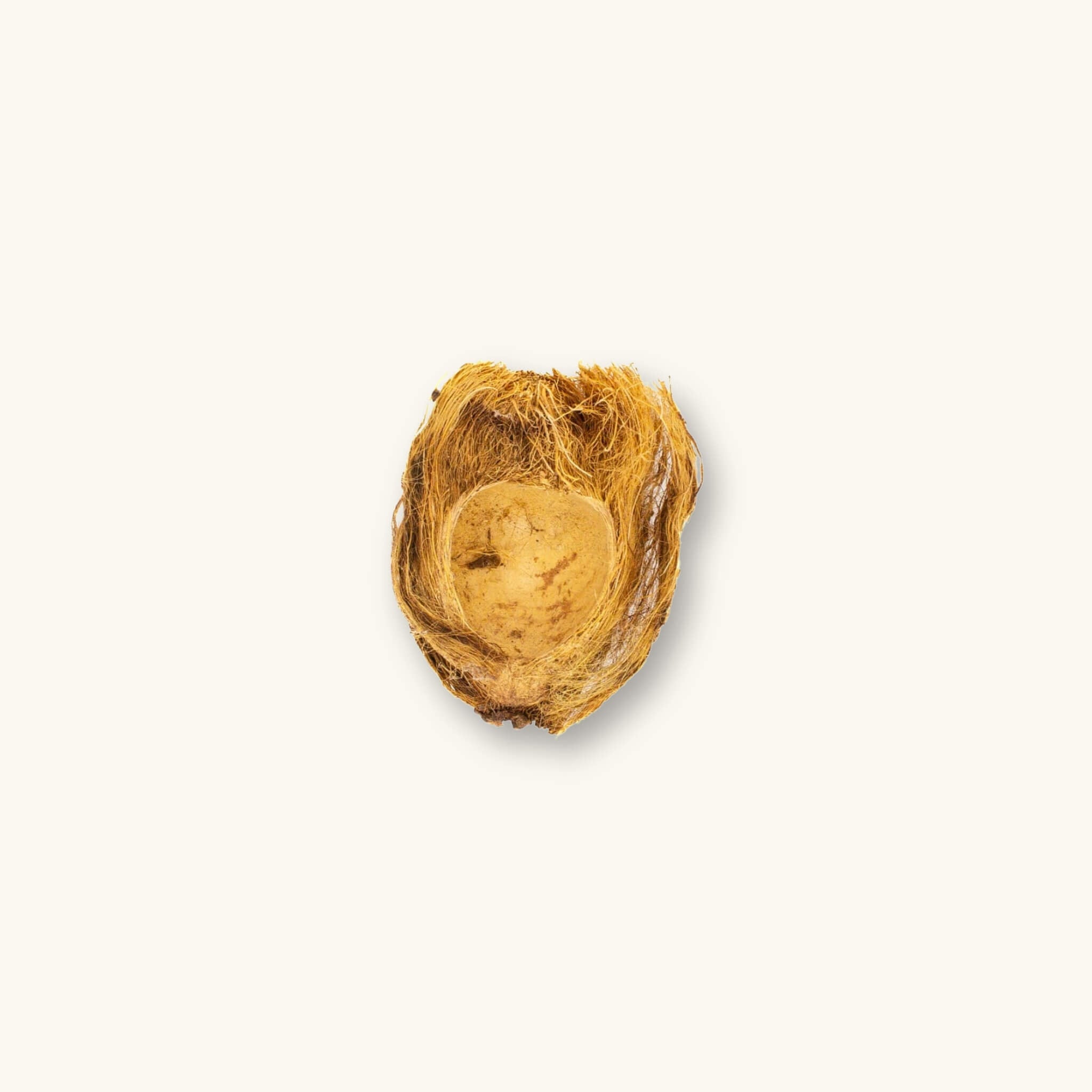
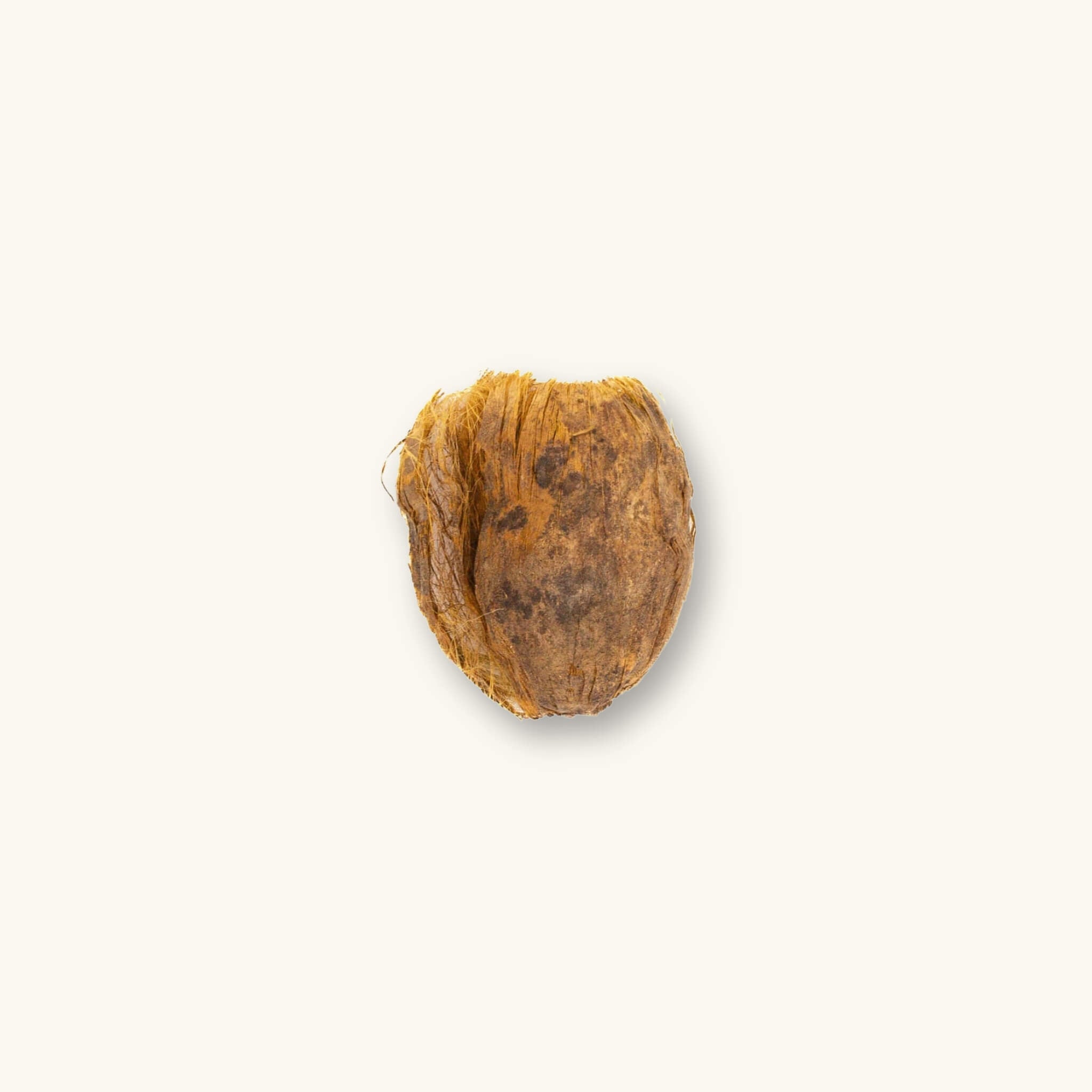
- Size Range: Roughly 2 × 2 inches per pod segment, with natural variation in thickness and fiber density
- Quantities: 6 count whole pods ripped in half to remove the fruit
Betel Nut Pods for Aquariums & Vivariums
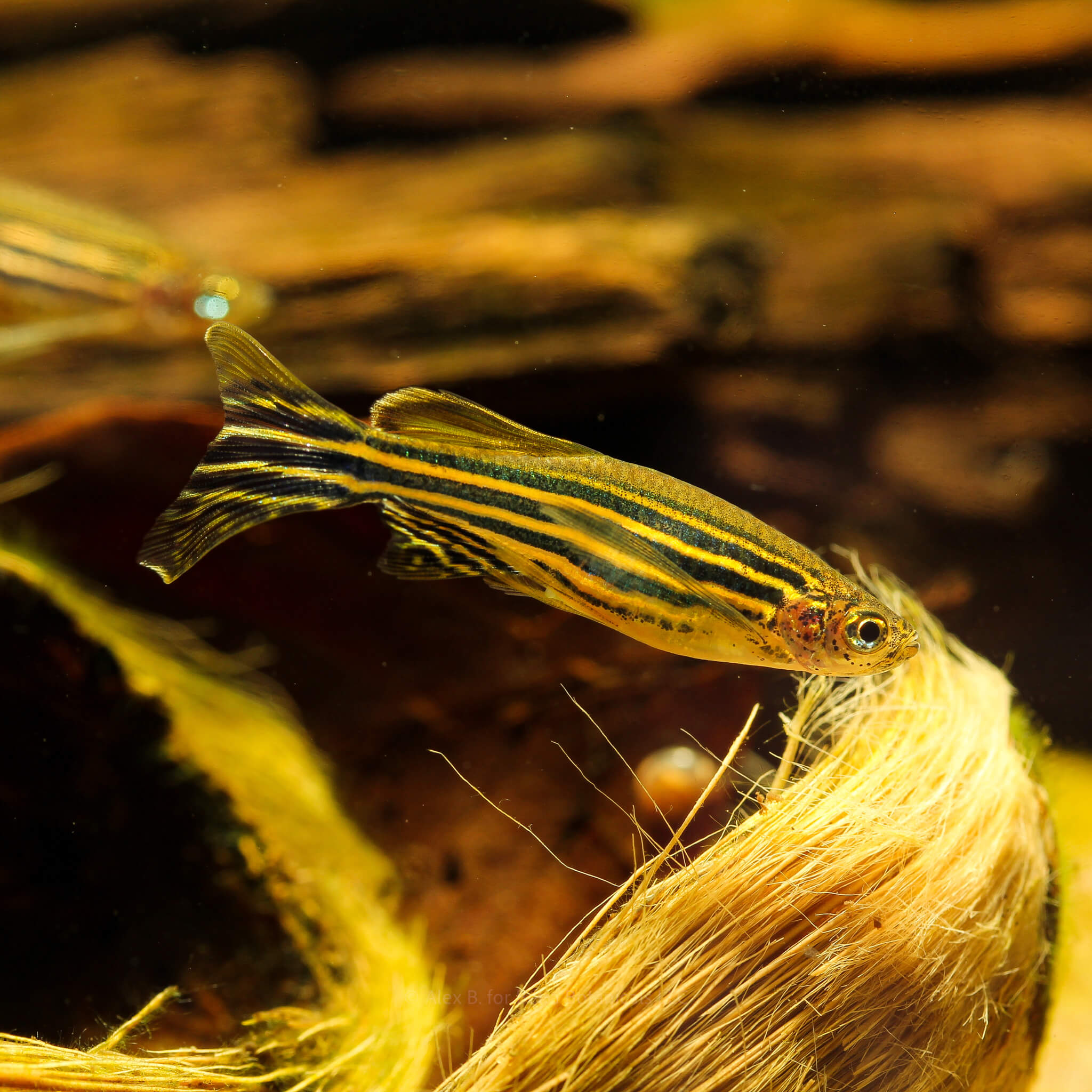
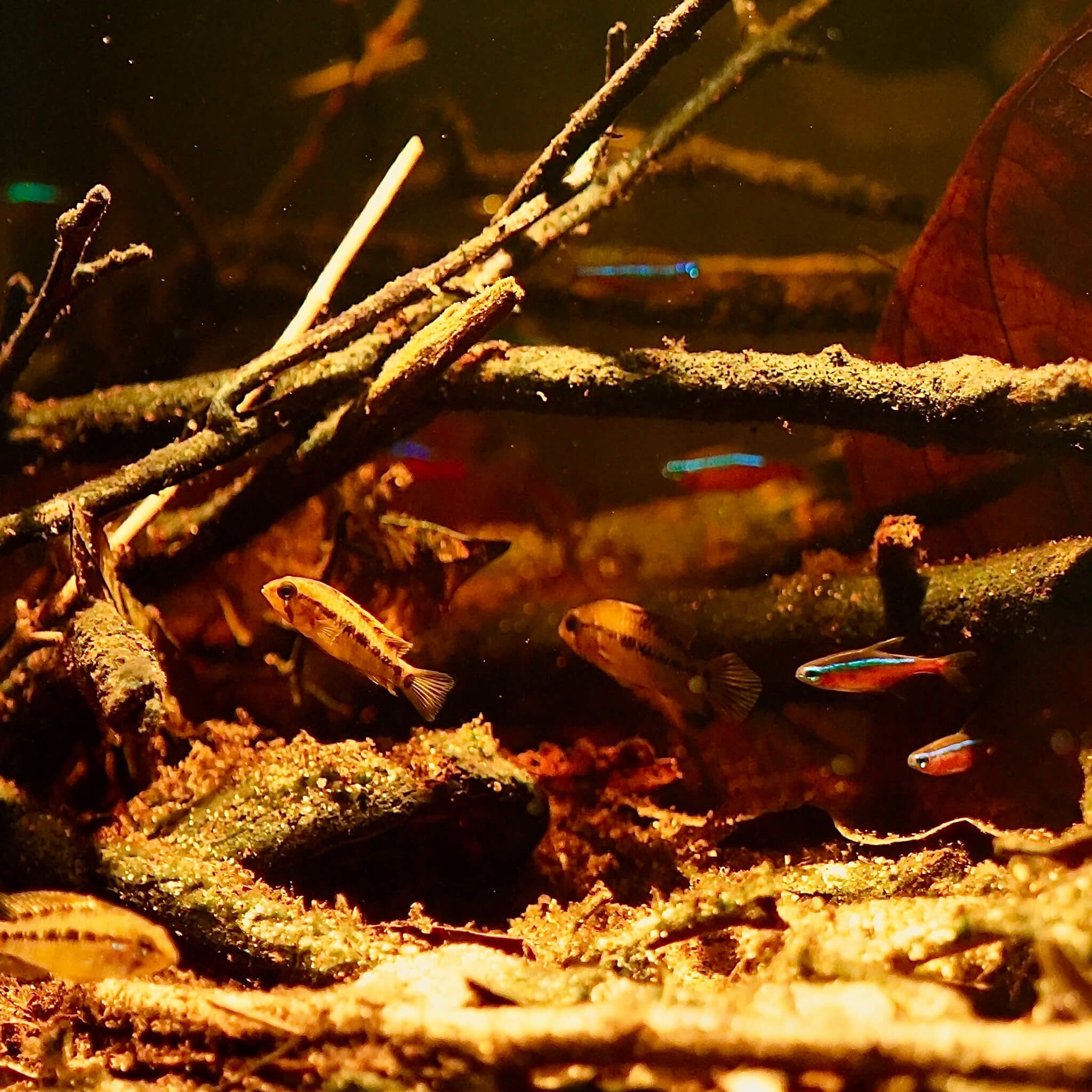
The function of Betel Nut Husk Pods is primarily in their role of enhancing the substrate of the aquarium. Their small fibers help to blur the lines between leaf litter and ditritus forming a diverse and complex substrate ecology. Once rehydrated, the fibers act like a mesh. They catch leaf fragments, mulm, and fine organics, which means they help build the kind of detrital layering that microbes and microfauna thrive in. You can use them in two ways, depending on the look you are going for. As accent botanicals, leave them whole and scatter them about the sand or gravel substrate between leaves and larger seed pods. Or, you can shred the pods with a fork into fibers that can then be mixed into the substrate or detritus layer of your botanical method, blackwater, or biotope aquarium. Both methods cultivate beneficial biofilms and fungi, which fuel the microbial food web and support supplemental nutrition for our fishes and shrimps. For preparation, plan on a longer soak or boil than you would for leaves. The fibers trap air.
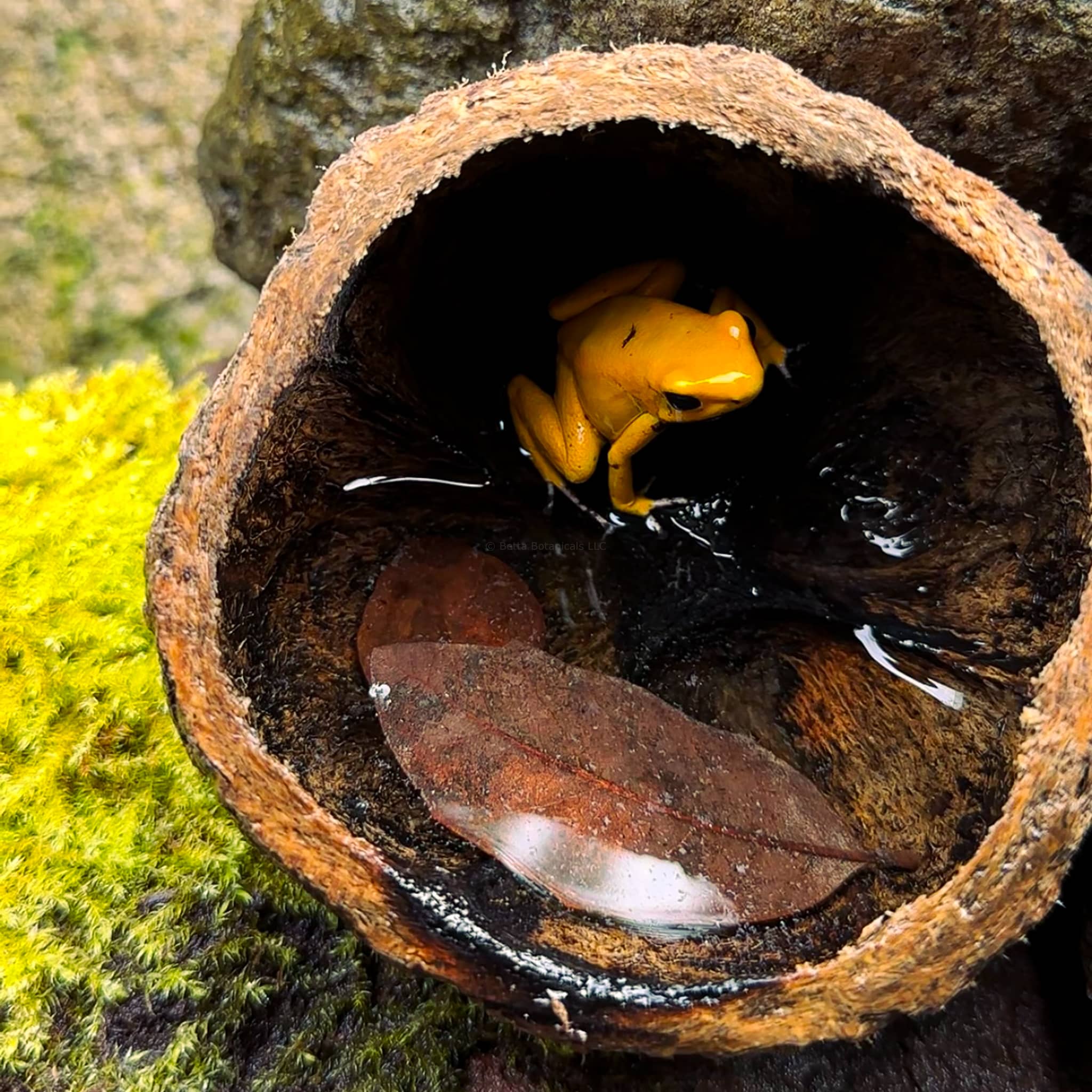
In bioactive enclosures, these same fibers can help trap moisture for humidity regulation. They are readily consumed by the cleanup crew, whether shredded or whole.
Beneath the Leaves: Areca catechu in the Wild
In humid lowland tropics, areca palms grow in bright forest edges or are cultivated on farms, producing clusters of orange to yellow fruits. When those fruits break down, the fibrous casing is the botanical we know and love. Across South and Southeast Asia and many Pacific cultures, the areca nut has long been woven into social and ceremonial life, often paired with betel leaf in traditions of greeting, hospitality, and marriage rites.
Sustainability Note:
This product’s packaging is home compostable. Just like the botanicals inside, it will break down naturally and return to the soil, because what supports your ecosystem should minimally impact our planet.
Not for human consumption. Preparation required.
This is a natural product, and variation in color, shape, and texture is expected.
Search Engine Listing Preview
Page Title:
Betel Nut Pods for Blackwater Aquariums & Bioactive Enclosures
Meta Description:
Betel Nut Pods add fibrous habitat structure and biofilm grazing surfaces, building detritus-rich leaf beds in blackwater aquariums and bioactive enclosures.
Betel Nut Pods | Areca catechu
Home is getting more natural
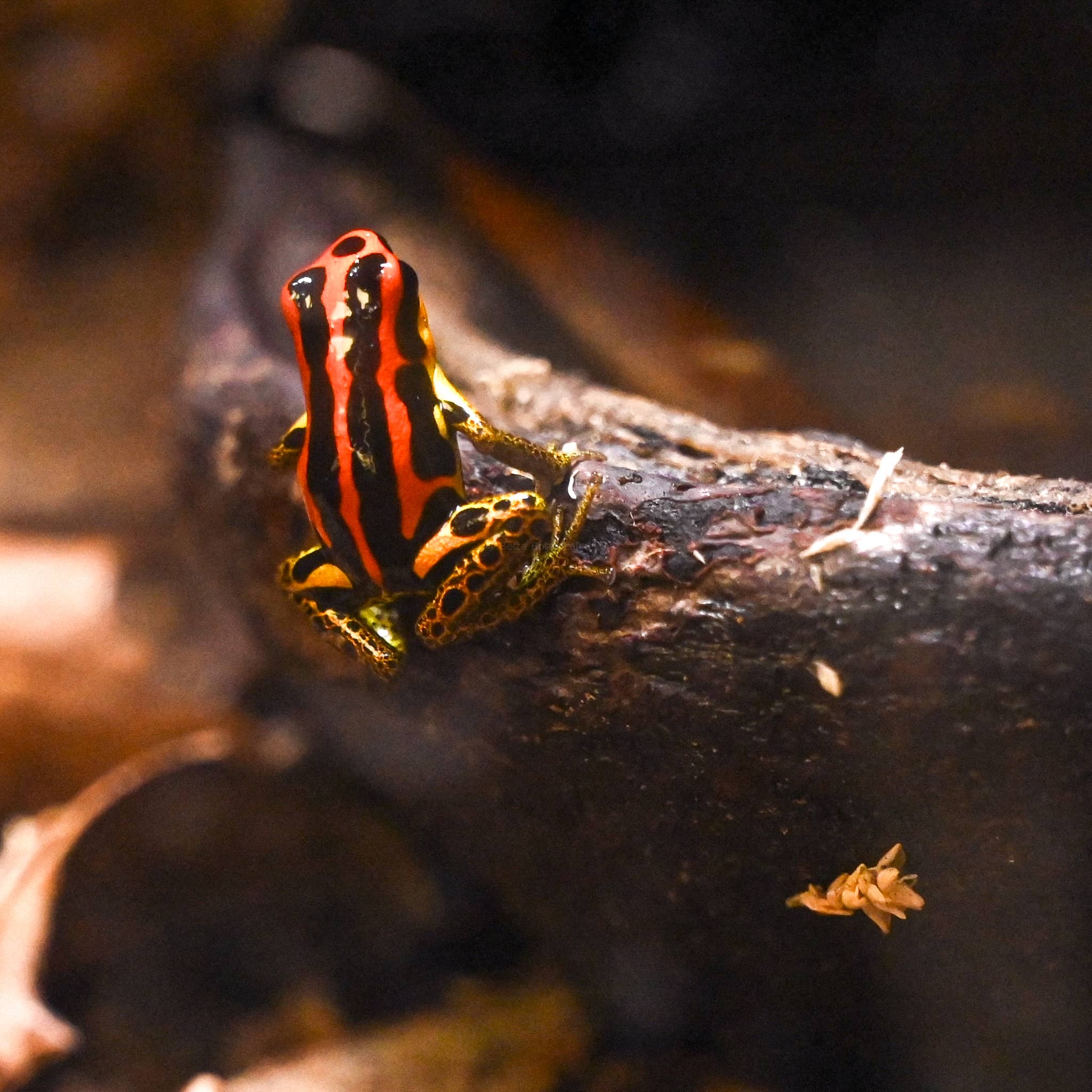
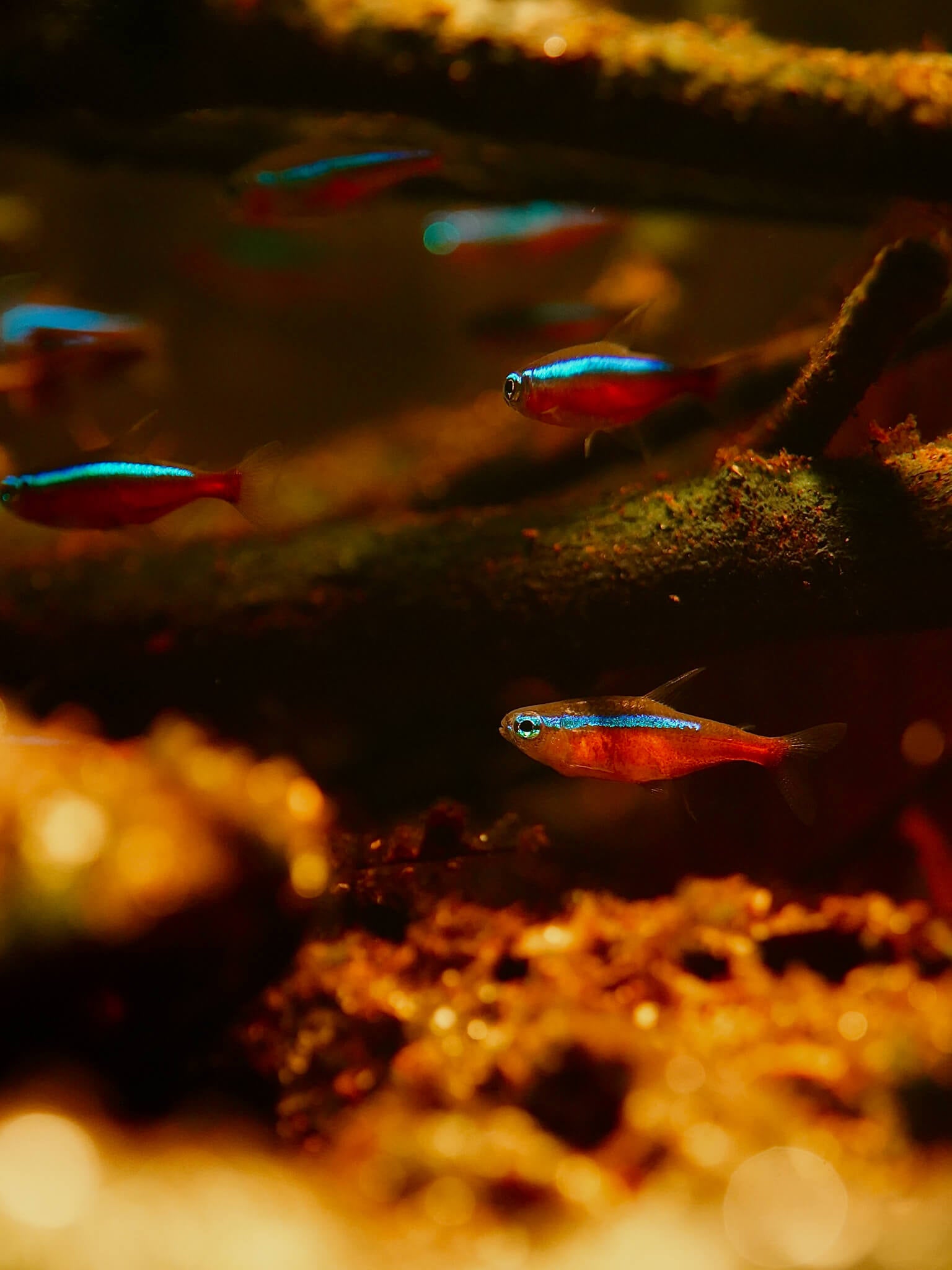
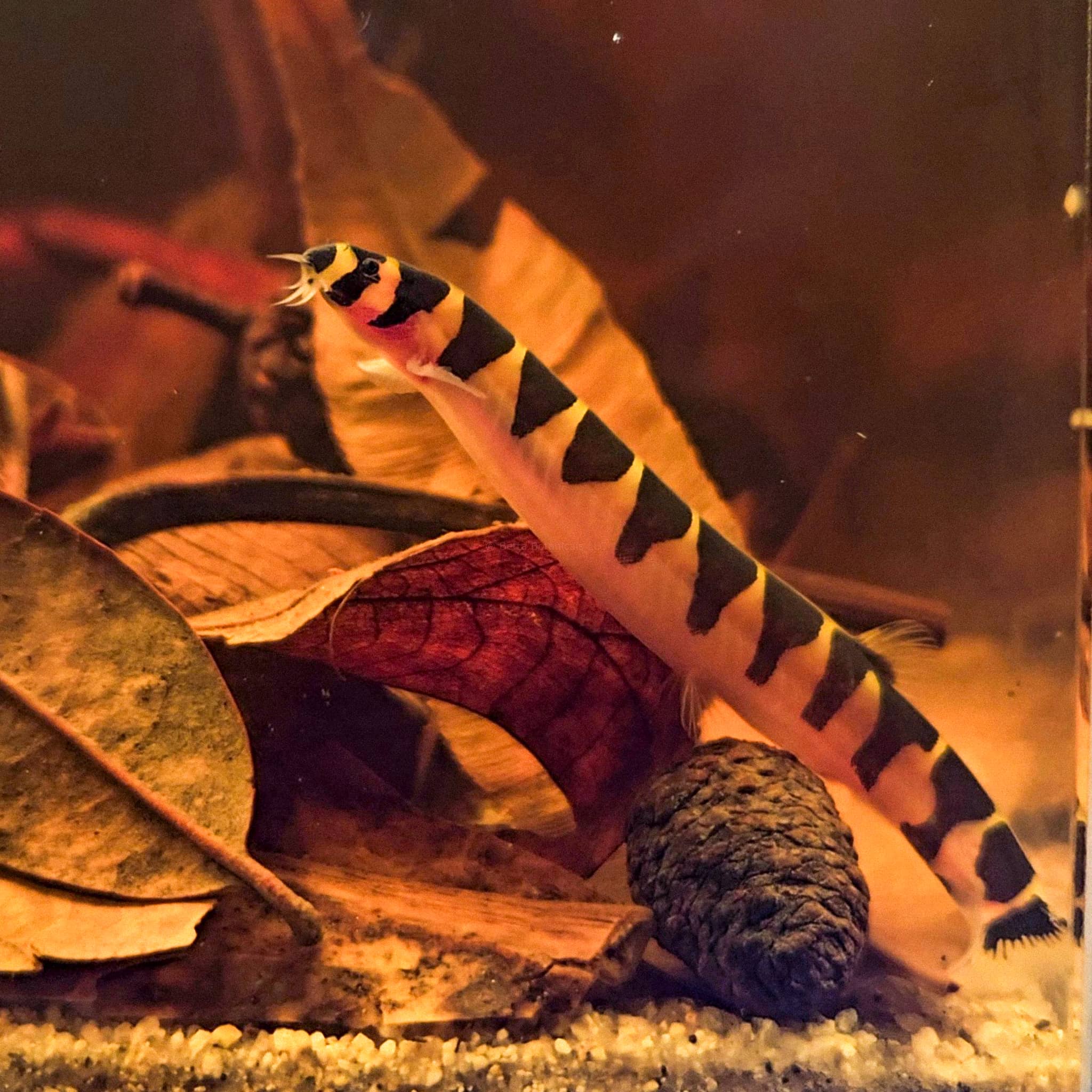
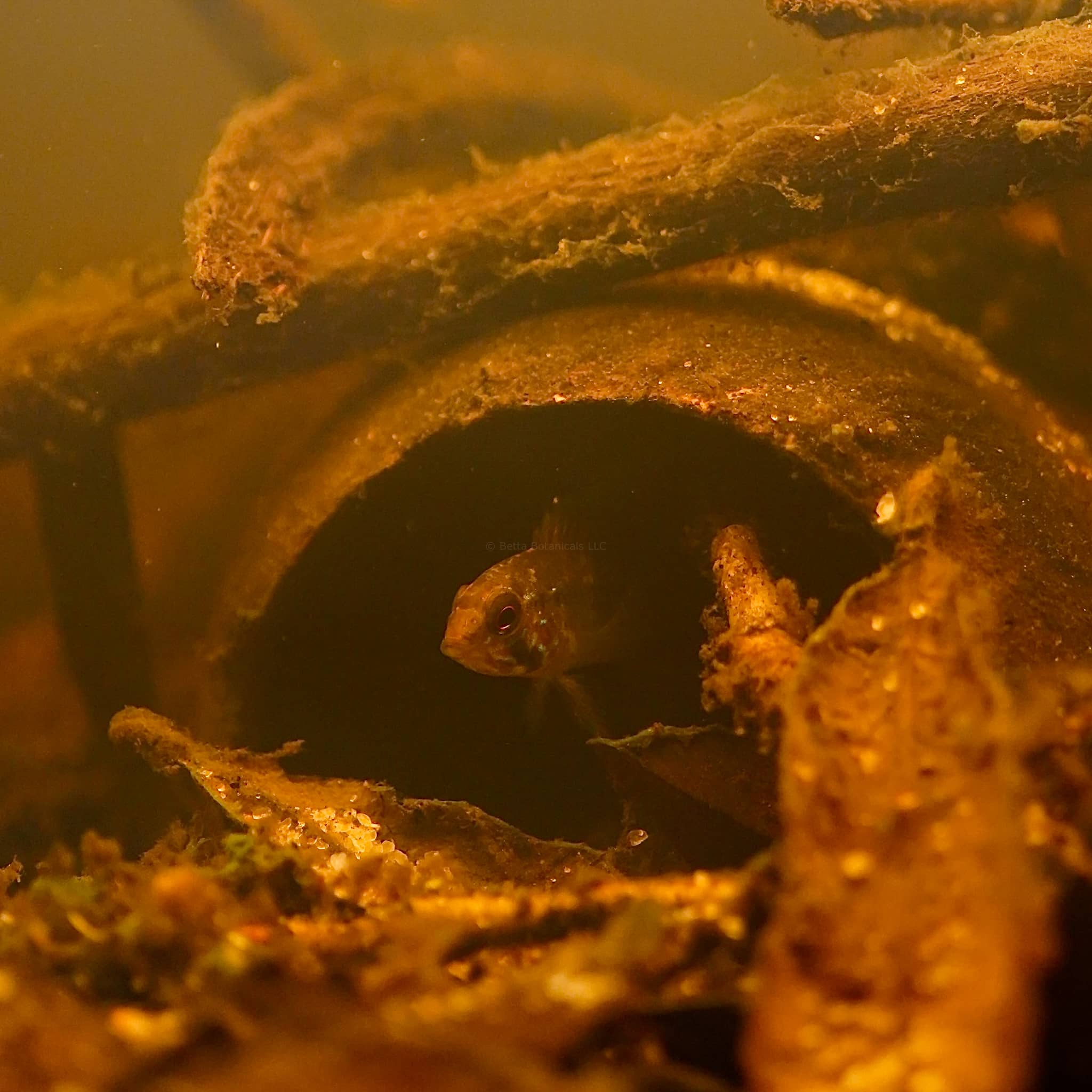
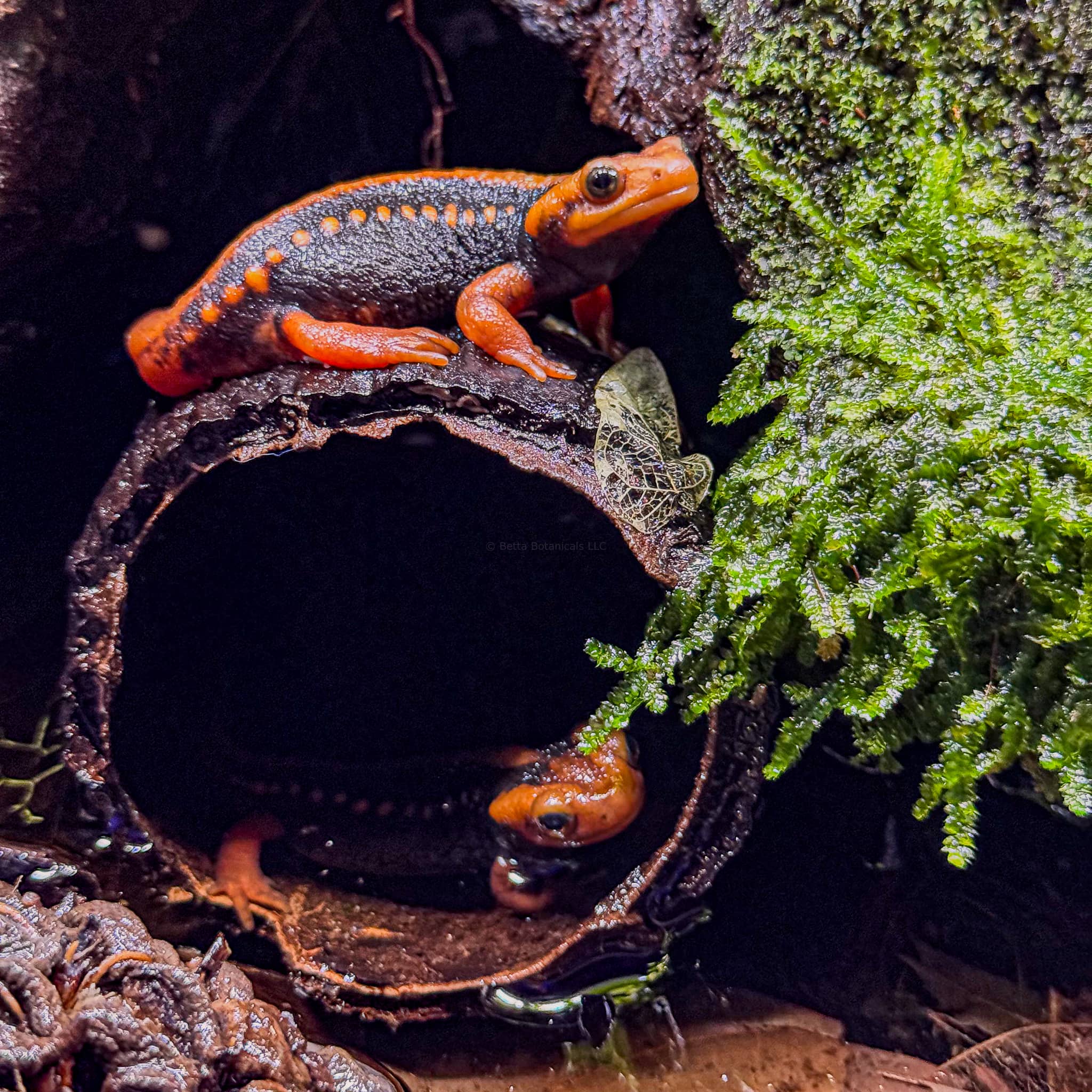
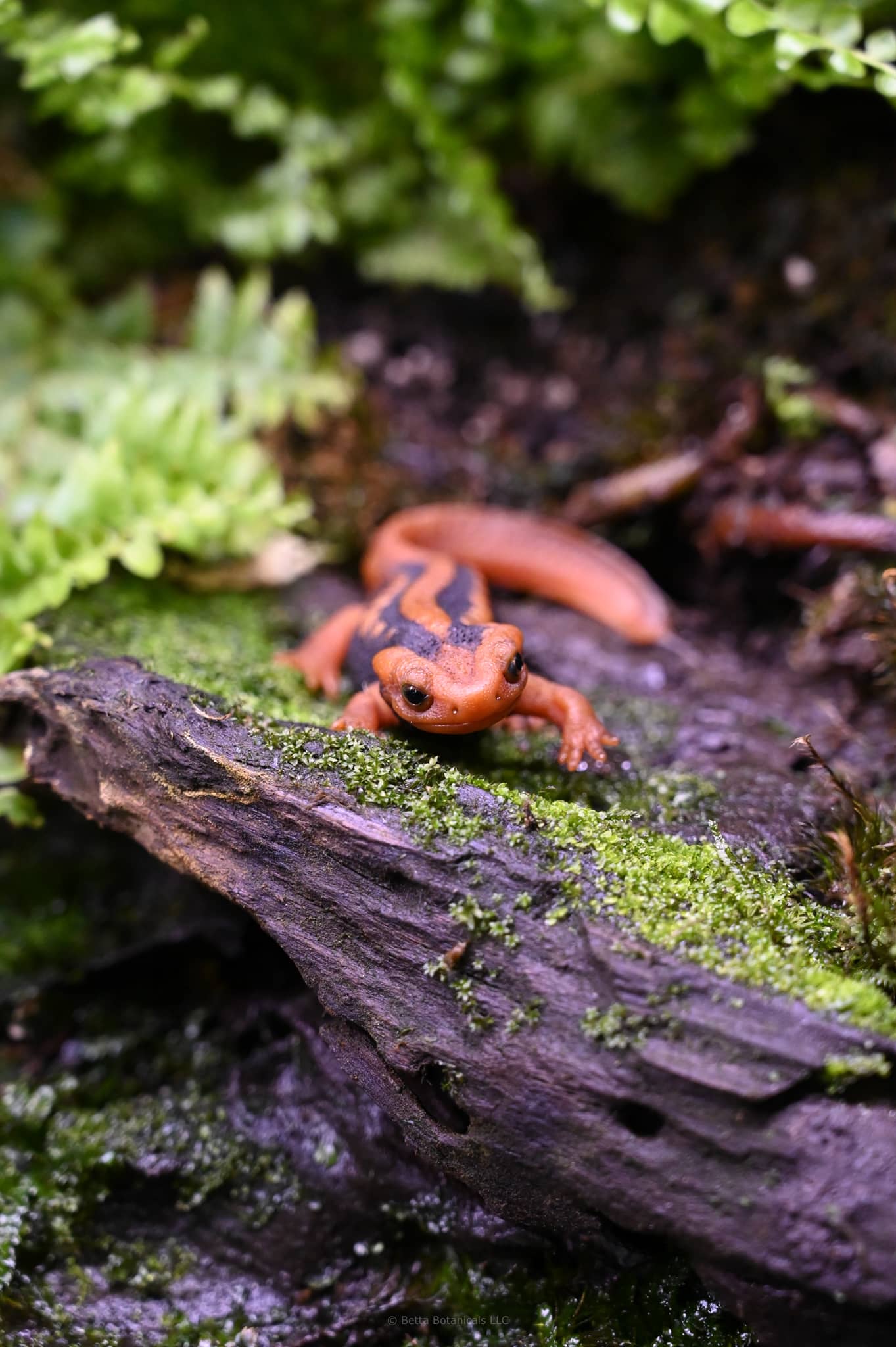
While the aesthetic appeal of botanicals and tinted water can be quite attractive to us, the recreation of nature to emulate water conditions, feeding patterns, spawning displays, and territory building are the true benefits botanicals provide to our critters.
Botanical FAQs
Compostable Packaging Promise
Our packaging is designed to return safely to the Earth, just like the botanicals inside. Every bag is BPA- and Phthalate-free, GMO-free, and contains no animal products. Each meets ASTM D6400 composting standards, ensuring it can fully break down in a home compost bin.
What are the Fluffy White Growths on my Botanicals?
That’s biofilm and fungi—what we call the “goo phase.” It’s one of the clearest signs that your aquarium is alive and functioning. These growths wax and wane naturally as botanicals decompose. They’re harmless, even beneficial, and will disappear on their own once microbial populations stabilize.
Will botanicals lower the pH of my water?
That depends entirely on your source water. In very soft or RODI water, botanicals can gradually lower pH as tannins and humic substances accumulate. In medium to hard tap water, buffering capacity often resists these shifts, and you may not notice much change. At Betta Botanicals HQ, our very hard water (350+ ppm) shows almost no pH change unless we use botanicals like Alder Cones or Macaranga Leaves.
When should I replace leaves or pods in my tank?
We recommend allowing botanicals to fully break down into detritus, since this fuels microbial life and enriches the substrate. You can remove them once they stop tinting the water, but you’ll lose some of their ecological benefits. Each time you add new botanicals, follow proper preparation and observe your livestock until you learn your aquarium’s rhythm.
Are your products just for bettas?
Nope. Our botanicals are safe for almost all aquariums, terrariums, vivariums, and paludariums. The only exceptions are goldfish and axolotls, which may ingest small pods like alder cones or casuarina cones. For those species, we recommend large leaves such as Indian Almond, Loquat, or Jackfruit.
What are Tannins?
Tannins are natural compounds released by leaves, seed pods, and bark as they decompose in water. They soften water, gently lower pH, and create the characteristic tea-stained tint found in blackwater habitats. But their role goes far beyond color—tannins fuel beneficial bacteria, fungi, and biofilms, which form the foundation of a healthy ecosystem. They also offer mild antifungal benefits and help reduce stress in fish by replicating the natural conditions they’ve evolved in. At their core, tannins are plant-derived antioxidants that connect your aquarium to the same processes at work in wild flooded forests and streams.