
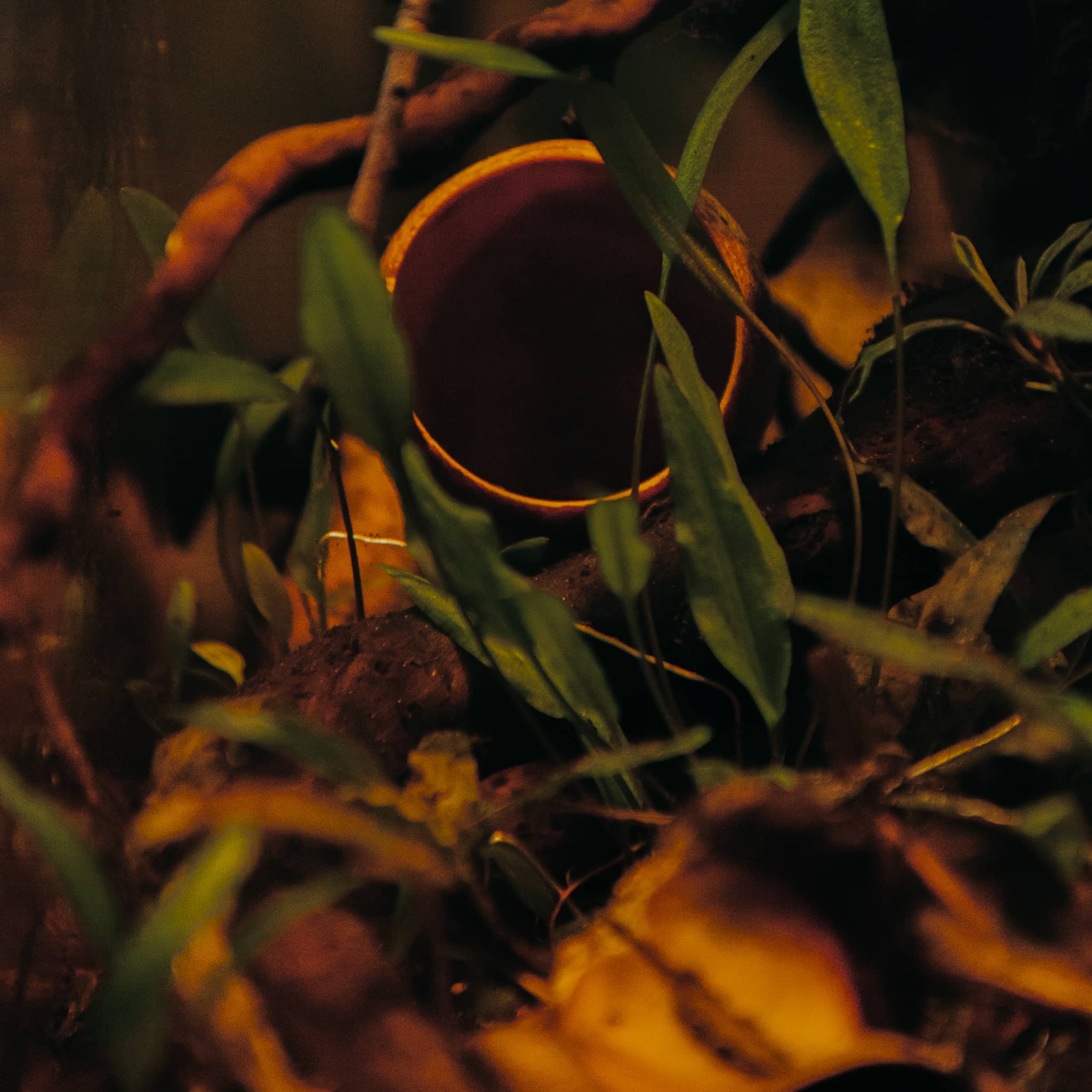
Bael Tree Pods | Aegle marmelos
Bael Tree Pods on the Surface:
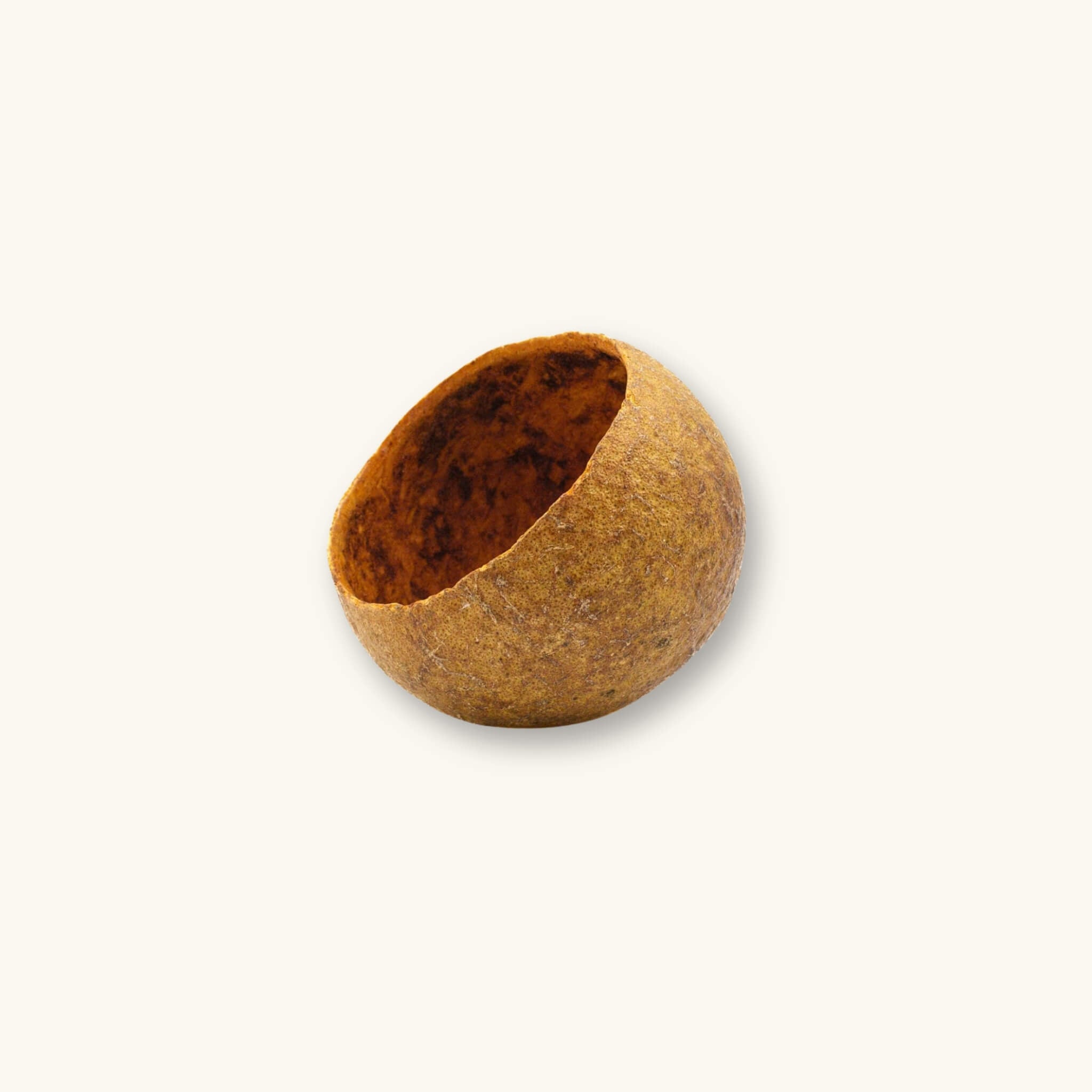
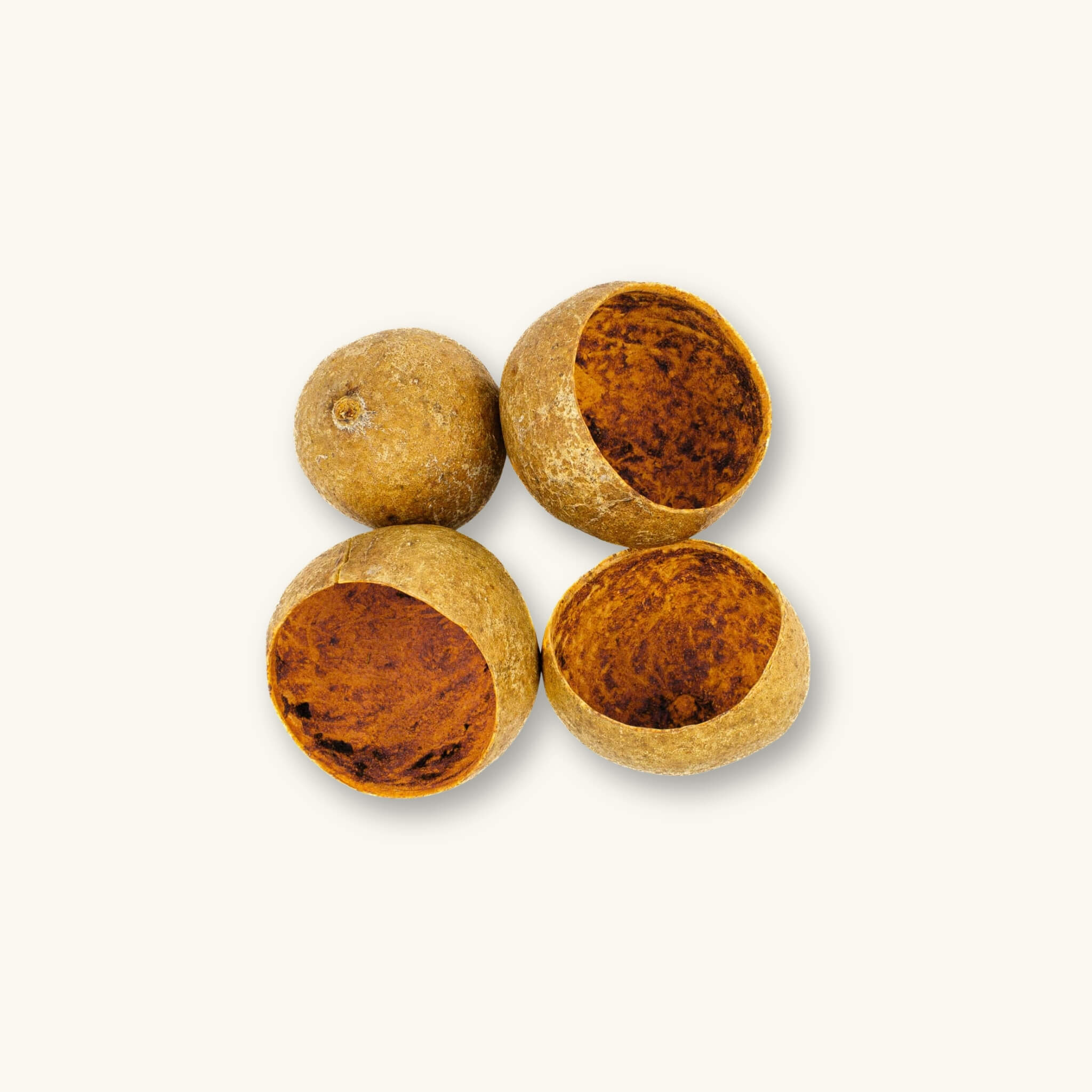
Bael Tree Pods are one of the best natural caves that you can provide to your betta fish. They grow on Aegle marmelos, a tropical tree native to the Indian subcontinent and parts of Southeast Asia, with our pods sourced from Sri Lanka. The durable woody shell is cut open on one end of the pod, creating a natural cave that offers shelter for community fish and food sources for microfauna or shrimp. Biofilms and fungal growths are quick to colonize these seed pods, so don't panic if the goo-phase is a bit stronger than on leaf litter. Some residual fruit may be present; please gently massage this out in the sink after following botanical preparation.
Essential Details
- Tannin Level: Medium
- Tint Color: Tea brown, with a deeper tint possible if residual fruit remains
- Durability: Very slow to decompose; the woody shell holds up for months
- Habitat Location: Indian subcontinent and Southeast Asia, with this botanical sourced from Sri Lanka
- Optimal For: Bettas, Apistogramma, small plecos, Corydoras, shrimp, snails, community fish, and bioactive enclosures with isopods, springtails, small frogs, and geckos
- Use with Caution: Preparation required; remove residual fruit after boiling, especially for aquariums 10 gallons and under
- Size Range: Typically 3–7 inches in diameter, with openings around 2–3 inches; small drying cracks are normal
- Quantities: Available as 1 count or 4 count Bael Tree Pods
Bael Tree Pods for Aquariums & Vivariums
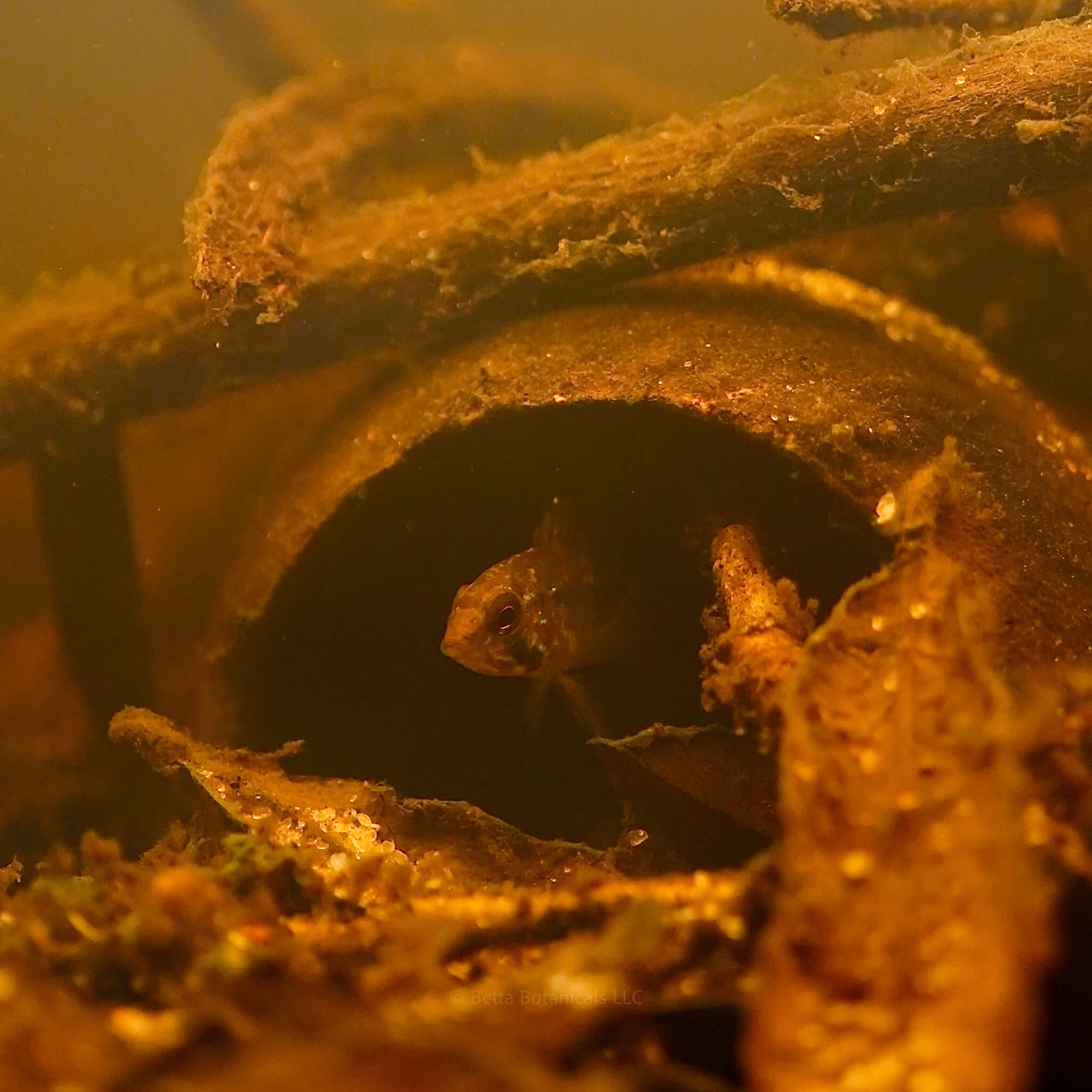
Bael Tree Pods are ideal natural aquarium caves for bettas. They create line-of-sight breaks that help fish settle and give shrimp and small fish refuge to escape predation. The surfaces of our Bael Pods are ideal for cultivating biofilms for microfauna, in turn providing supplemental nutrition for your fish. These aquatic seed pods help replicate a more natural tropical stream bed as you would find in nature, and look best when you nestle them amongst leaf litter, twigs, and smaller park pieces.
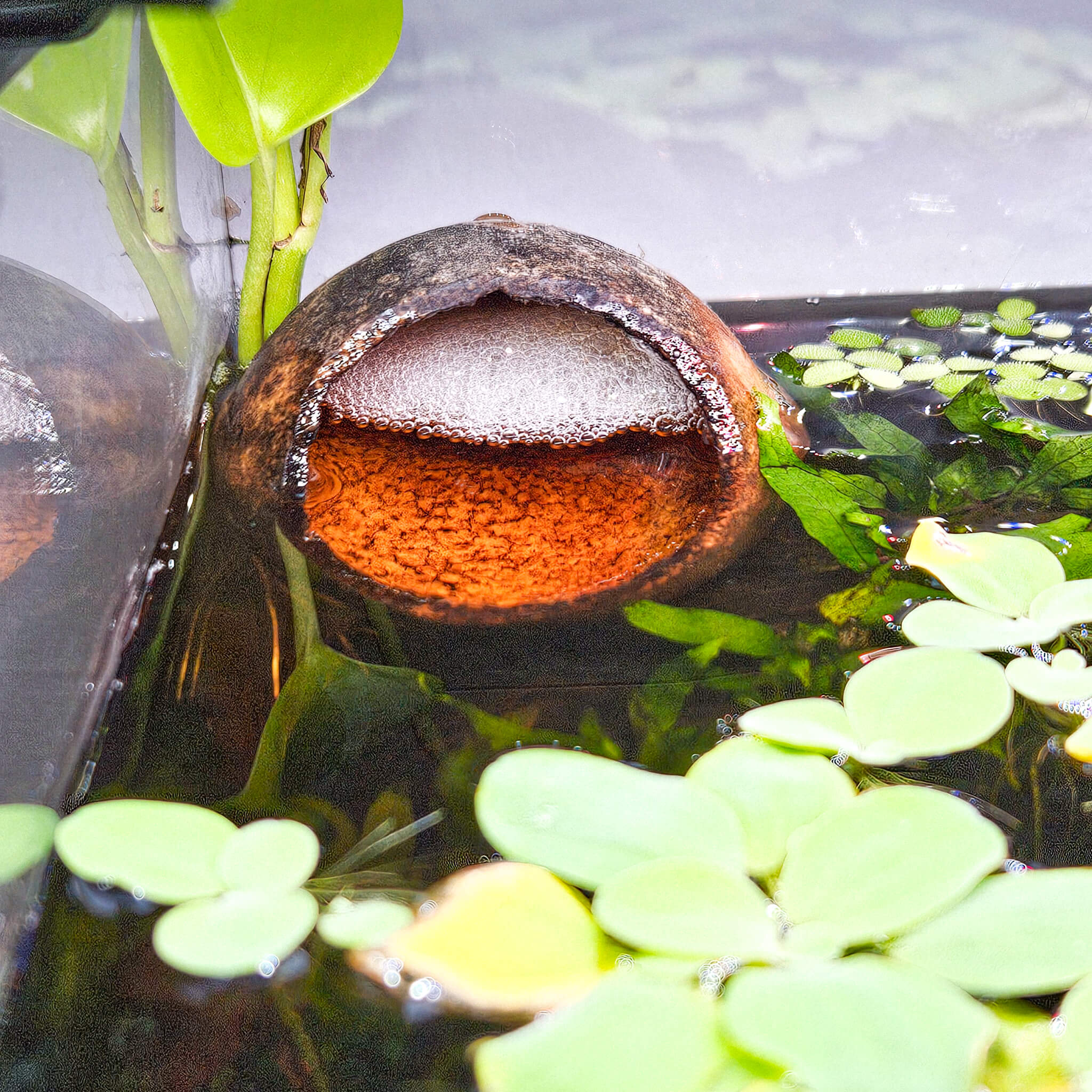
Preparation matters more here than with most botanicals. Residual Bael fruit is often present in these pods, and it can fuel intense early biofilms in the aquarium. Boil thoroughly, let the pod cool, then gently rub and rinse out any remaining fruit from the interior. In smaller aquariums, especially 10 gallons and under, this step is important. If you keep fish that actively rasp and graze, such as plecos, they can help process any fruit that remains. Even then, the clean-out step keeps the aquarium more predictable. Once prepared, the pod can be placed on sand, tucked into leaf litter, or partially buried so the opening stays accessible while the base anchors into the substrate.
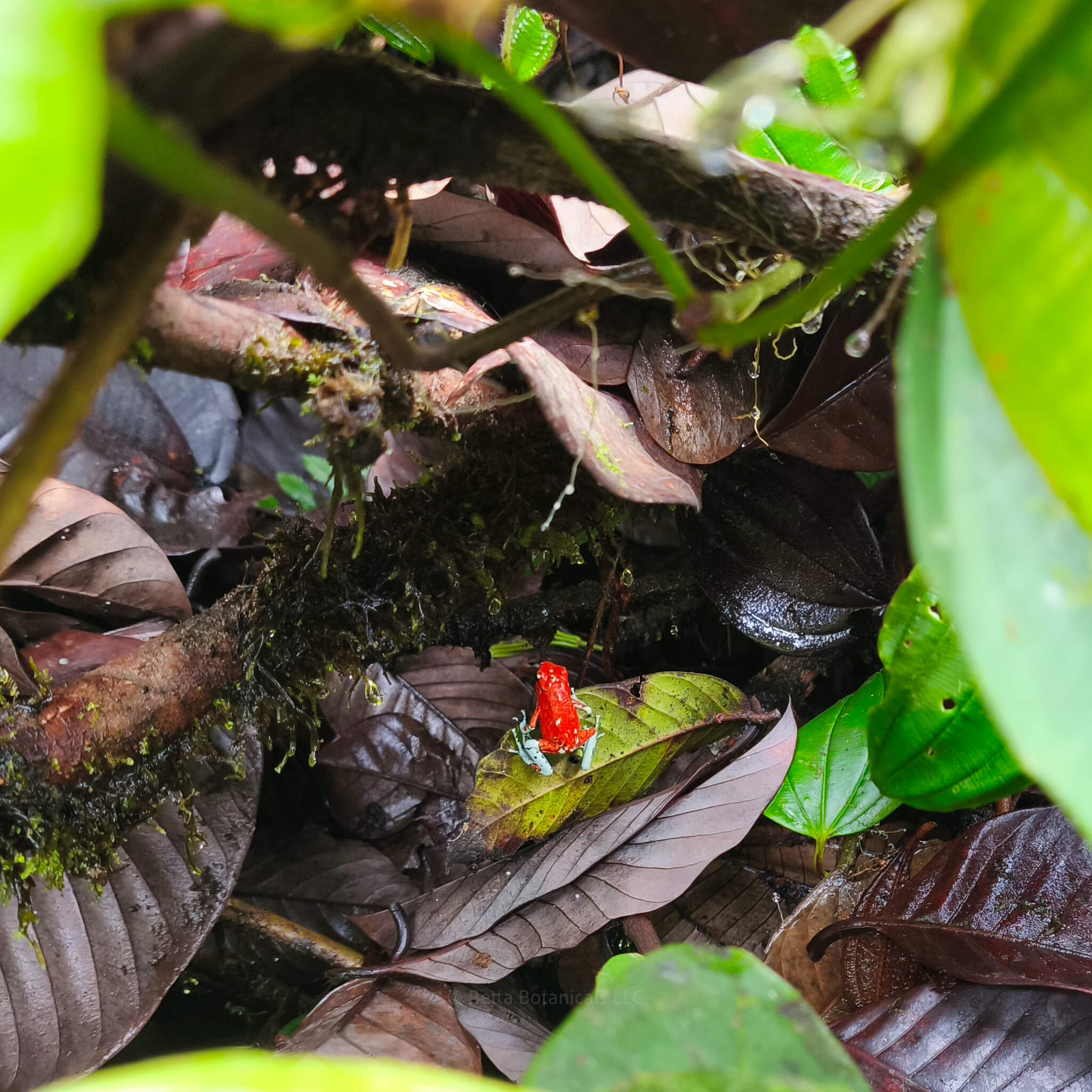
In bioactive enclosures, the same hard shell and interior create an ideal hide that resists flattening under humid conditions and the leaf litter layer. Isopods and springtails congregate in and around the pod, feeding on microbial films and using the cavity as refuge. Seed pods are a necessary addition to help promote natural behaviors throughout the “forest floor” of your enclosure.
Beneath the Leaves: Aegle marmelos in the Wild
In dry, open forests and seasonal landscapes across the Indian subcontinent, Aegle marmelos grows as a resilient tree that handles heat, drought, and long dry seasons easily. The fruit takes its time maturing, and when it finally drops or is opened, it is consumed much like an apple.
Bael trees have cultural weight. The tree is considered sacred in several Hindu traditions, and its trifoliate leaves are closely associated with ritual offerings, linking people to place.
Sustainability Note:
This product’s packaging is home compostable. Just like the botanicals inside, it will break down naturally and return to the soil, because what supports your ecosystem should minimally impact our planet.
Not for human consumption. Preparation required.
This is a natural product, and variation in color, shape, and texture is expected.
Bael Tree Pods | Aegle marmelos
Home is getting more natural
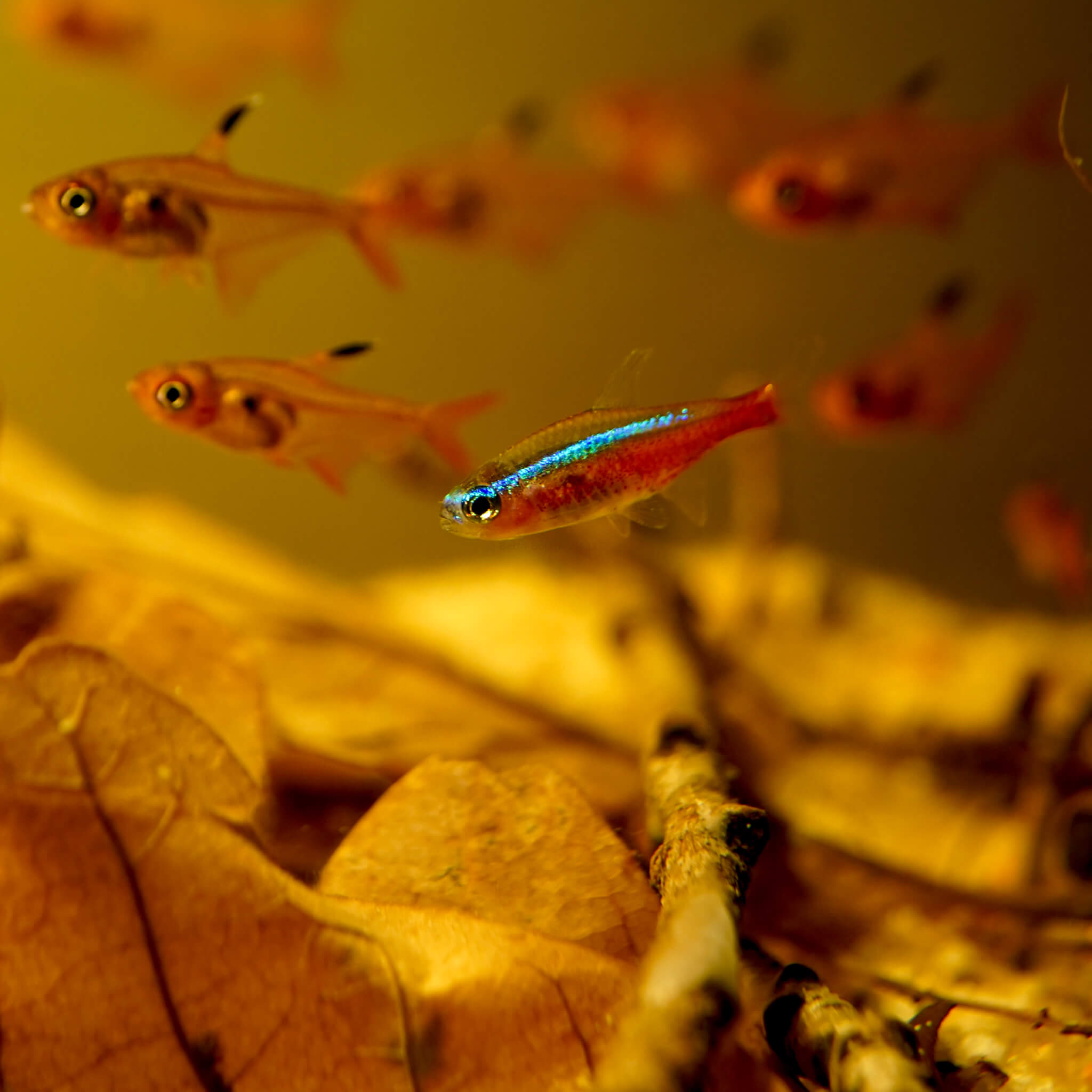
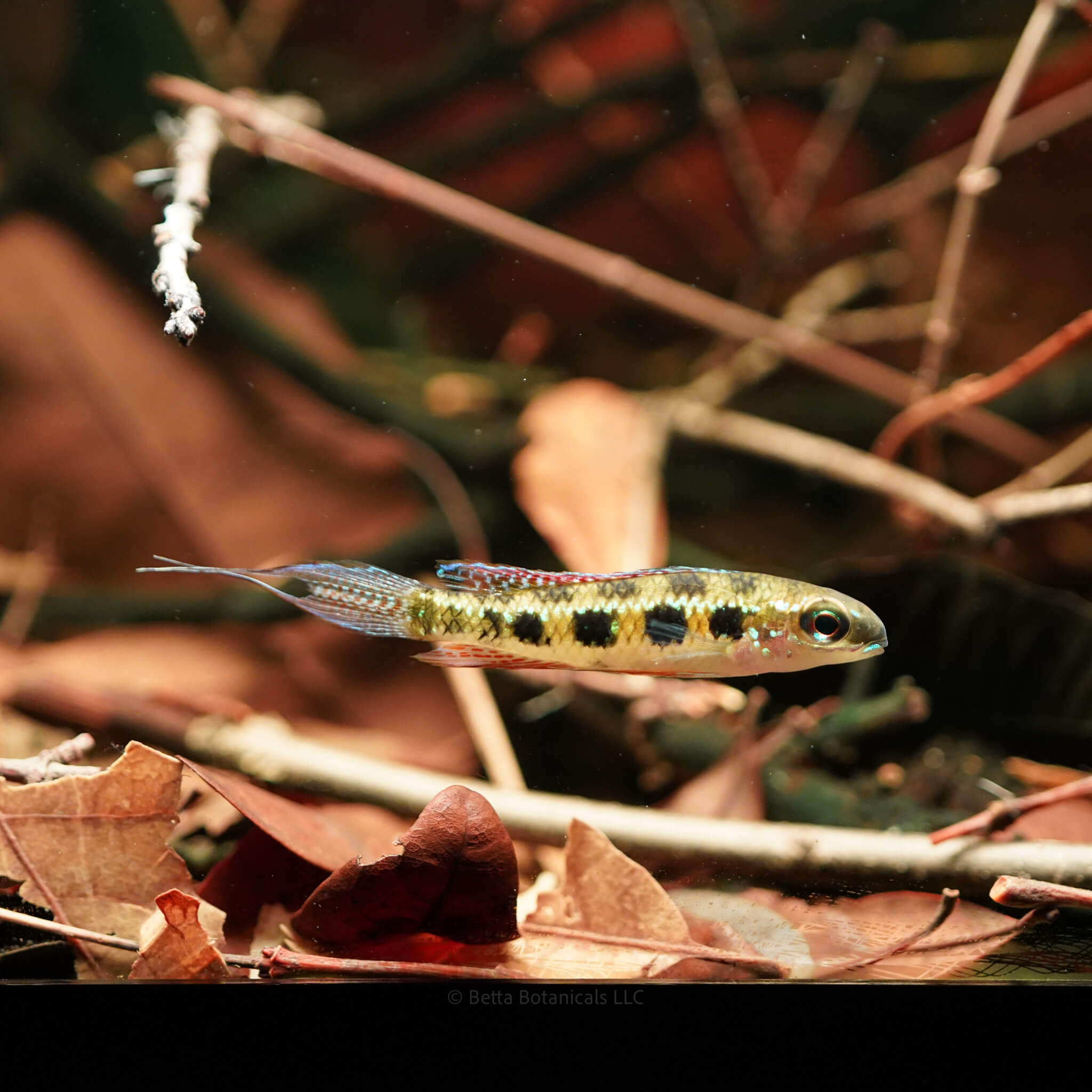
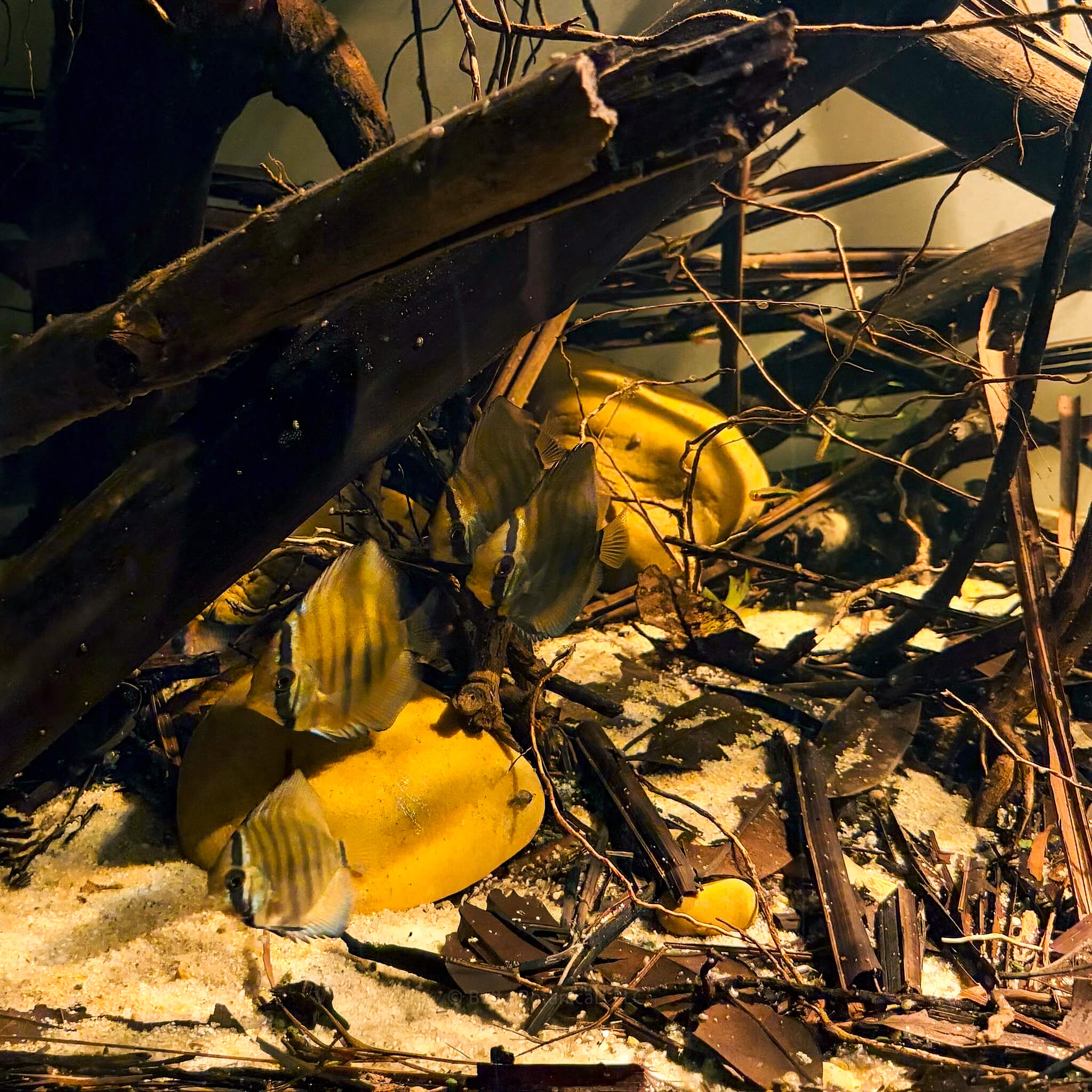
While the warm tones of tinted water and layered botanicals may first catch our eye, their true value is ecological. In South American habitats, fallen leaves, seed pods, and woody debris shape water chemistry, soften light, and sustain the microbial food web. Recreating these conditions allows us to mirror the rhythms of blackwater rivers and flooded forests where South American fish, amphibians, and invertebrates feel most at home.
Botanical FAQs
Compostable Packaging Promise
Our packaging is designed to return safely to the Earth, just like the botanicals inside. Every bag is BPA- and Phthalate-free, GMO-free, and contains no animal products. Each meets ASTM D6400 composting standards, ensuring it can fully break down in a home compost bin.
What are the Fluffy White Growths on my Botanicals?
That’s biofilm and fungi—what we call the “goo phase.” It’s one of the clearest signs that your aquarium is alive and functioning. These growths wax and wane naturally as botanicals decompose. They’re harmless, even beneficial, and will disappear on their own once microbial populations stabilize.
Will botanicals lower the pH of my water?
That depends entirely on your source water. In very soft or RODI water, botanicals can gradually lower pH as tannins and humic substances accumulate. In medium to hard tap water, buffering capacity often resists these shifts, and you may not notice much change. At Betta Botanicals HQ, our very hard water (350+ ppm) shows almost no pH change unless we use botanicals like Alder Cones or Macaranga Leaves.
When should I replace leaves or pods in my tank?
We recommend allowing botanicals to fully break down into detritus, since this fuels microbial life and enriches the substrate. You can remove them once they stop tinting the water, but you’ll lose some of their ecological benefits. Each time you add new botanicals, follow proper preparation and observe your livestock until you learn your aquarium’s rhythm.
Are your products just for bettas?
Nope. Our botanicals are safe for almost all aquariums, terrariums, vivariums, and paludariums. The only exceptions are goldfish and axolotls, which may ingest small pods like alder cones or casuarina cones. For those species, we recommend large leaves such as Indian Almond, Loquat, or Jackfruit.
What are Tannins?
Tannins are natural compounds released by leaves, seed pods, and bark as they decompose in water. They soften water, gently lower pH, and create the characteristic tea-stained tint found in blackwater habitats. But their role goes far beyond color—tannins fuel beneficial bacteria, fungi, and biofilms, which form the foundation of a healthy ecosystem. They also offer mild antifungal benefits and help reduce stress in fish by replicating the natural conditions they’ve evolved in. At their core, tannins are plant-derived antioxidants that connect your aquarium to the same processes at work in wild flooded forests and streams.
- They're sturdy and high quality. They provide great cover for my aquatic creatures.
- Shipping was quick and items were well packed. Pods came in a wonderful variety of sizes!
- Nice and big for my wild bettas!
I got this as a hide for my betta tank except it made the water REALLY cloudy even after boiling. Then, the water stank really bad. It had 2-3 layers on the outside that needed to be stripped off before it was no longer an issue. Just be aware if you’re using it for a fish tank!
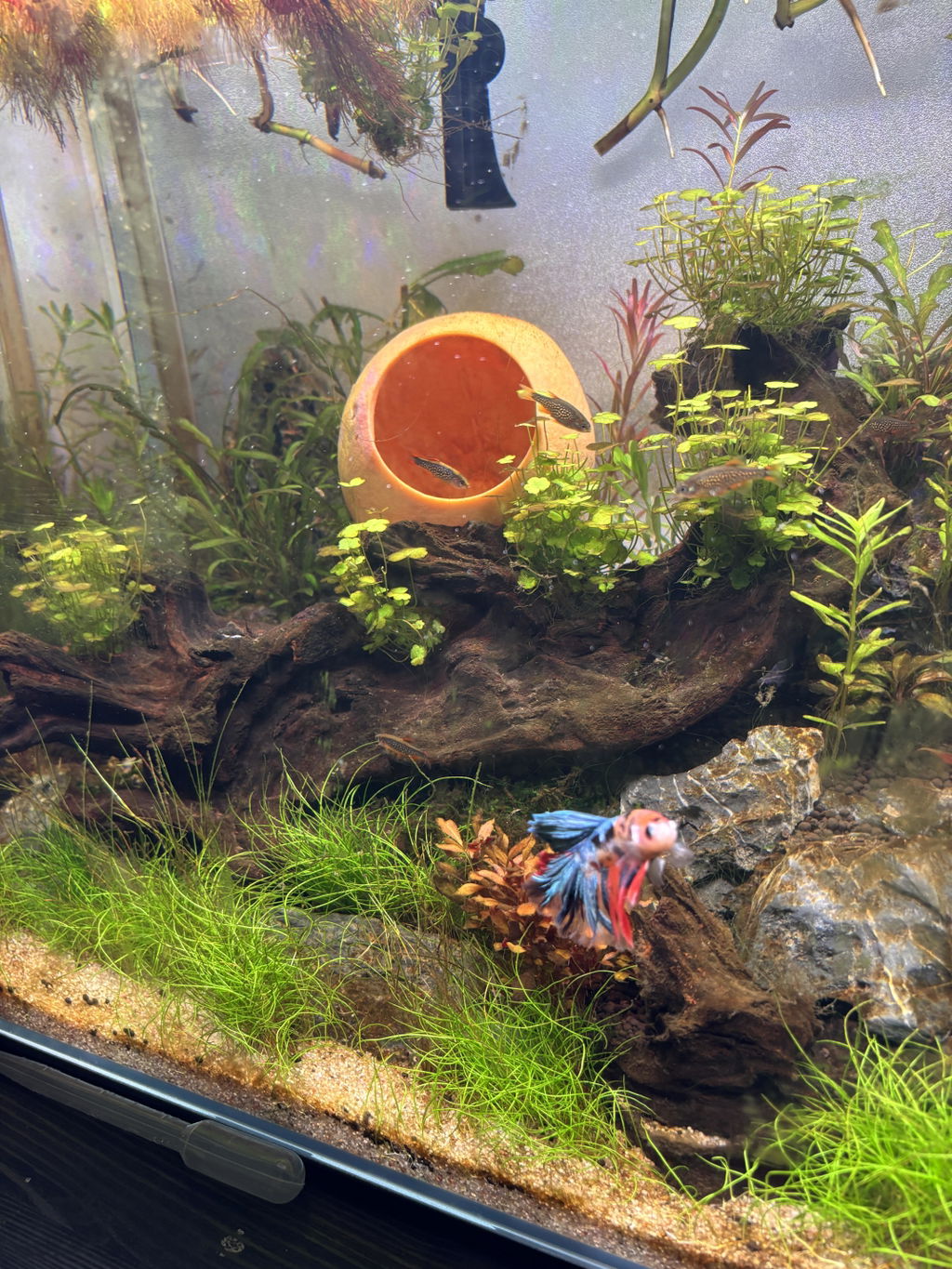
Thank you for the positive review, and the tips on managing the biofilms. I have adjusted the product description and added it to the preparation card included with each pod so future ecosystem builders can be more aware. Thank you! -Ben
Love it and it's a fun little place different fish hand out
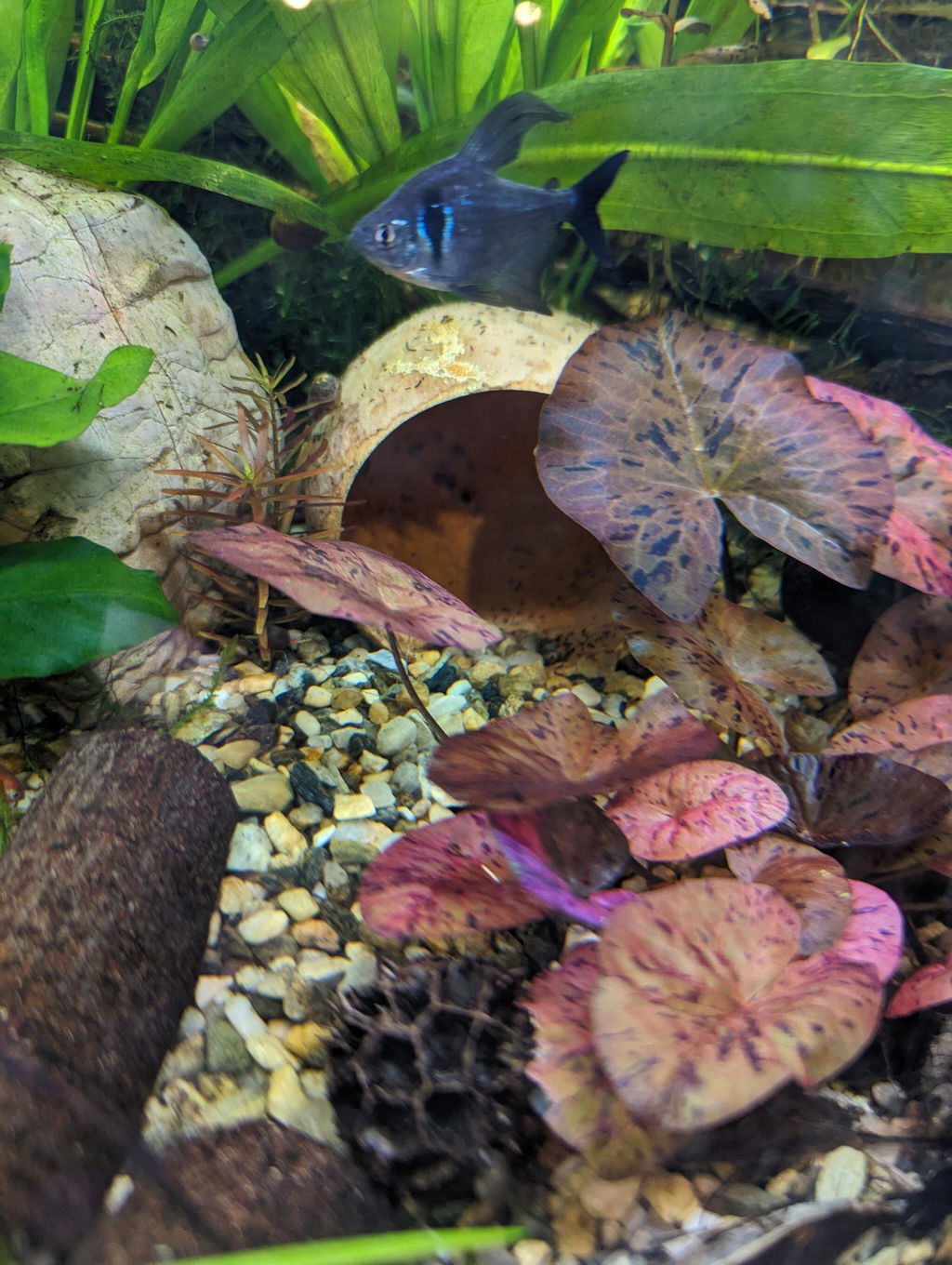
I ordered this just to see what it was. It is slightly ligher in color and very sturdy. I placed it in my Black Tiger Badis tank because he likes to hid and the shrimp have ripped a lot of the low plants up. I propped it against some driftwood so I am hoping it will create a nice space for him. So far the nerite snail has enjoyed it. Shipping was fast and packaging is great and guilt-free
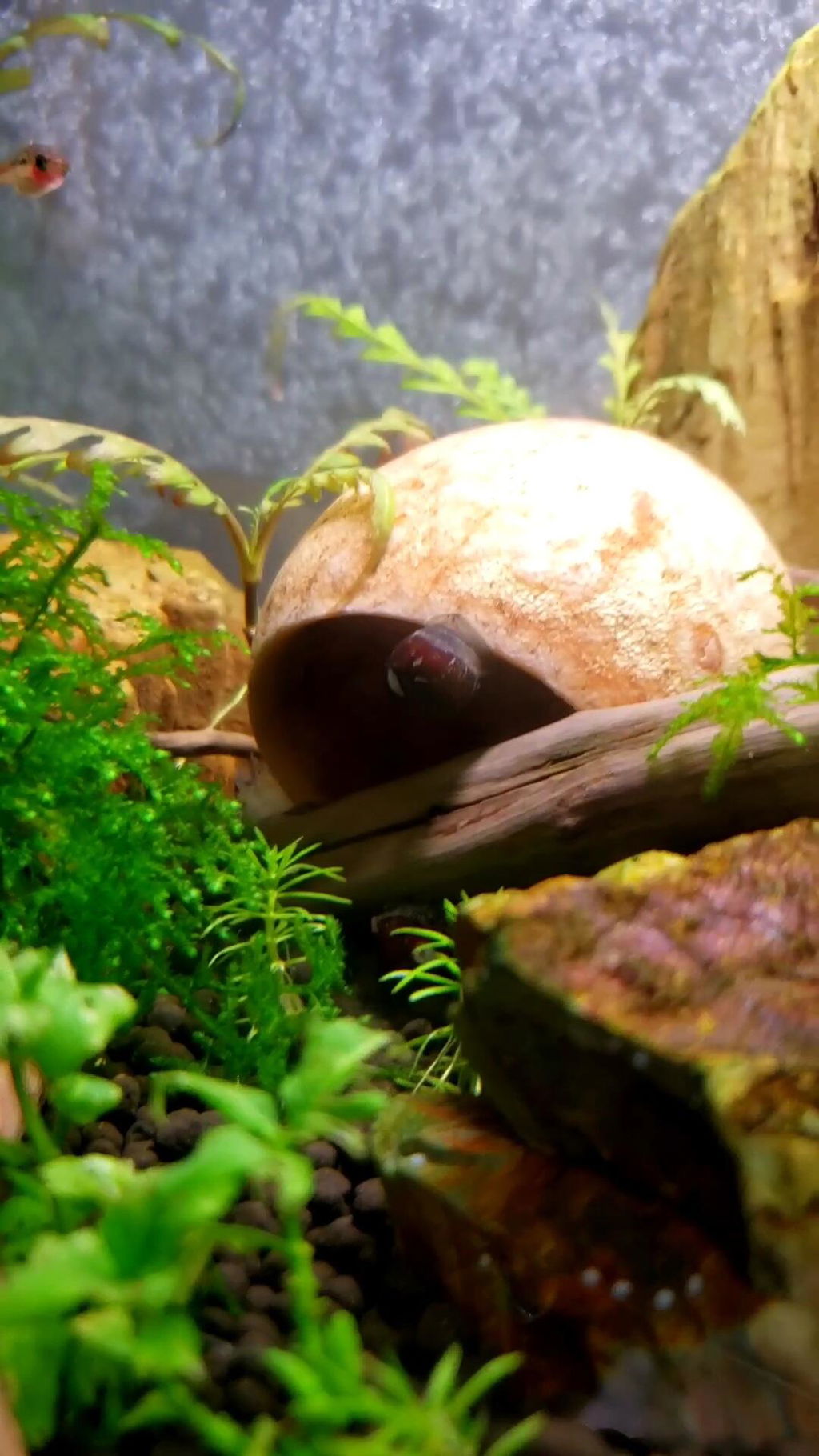
I've order quite a few times from Betta Botanical. I love the variety and the quality. This one pod is once of my favorites. It's a great resting place for my Corydoras.
Nice and big for my wild bettas!
Shipping was quick and the items were well packed. The pods came in a wonderful variety of sizes!
I think my betta will like this
They're sturdy and high quality. They provide great cover for my aquatic creatures.
Looking forward to using this and seeing how my tank inhabitants use it.
The cutest little pods, I can't wait to put them in my tanks
Amazing as always. Thank you Ben 💗
Make’s the aquarium more comfy for my wild betta
purchased these to be used as hides for various species of dwarf cichlids as well as cory cats they are doing the job quite well. everything showed up in good order and in a short amount of time. all in all i have no complaints with either the product of this company.
These were surprisingly large. I’m happy to give my fish some more natural areas in which to hide or brood babies.
These are aweome, my chili rasboras peck at the biofilm on the all day long, and they’re so a