

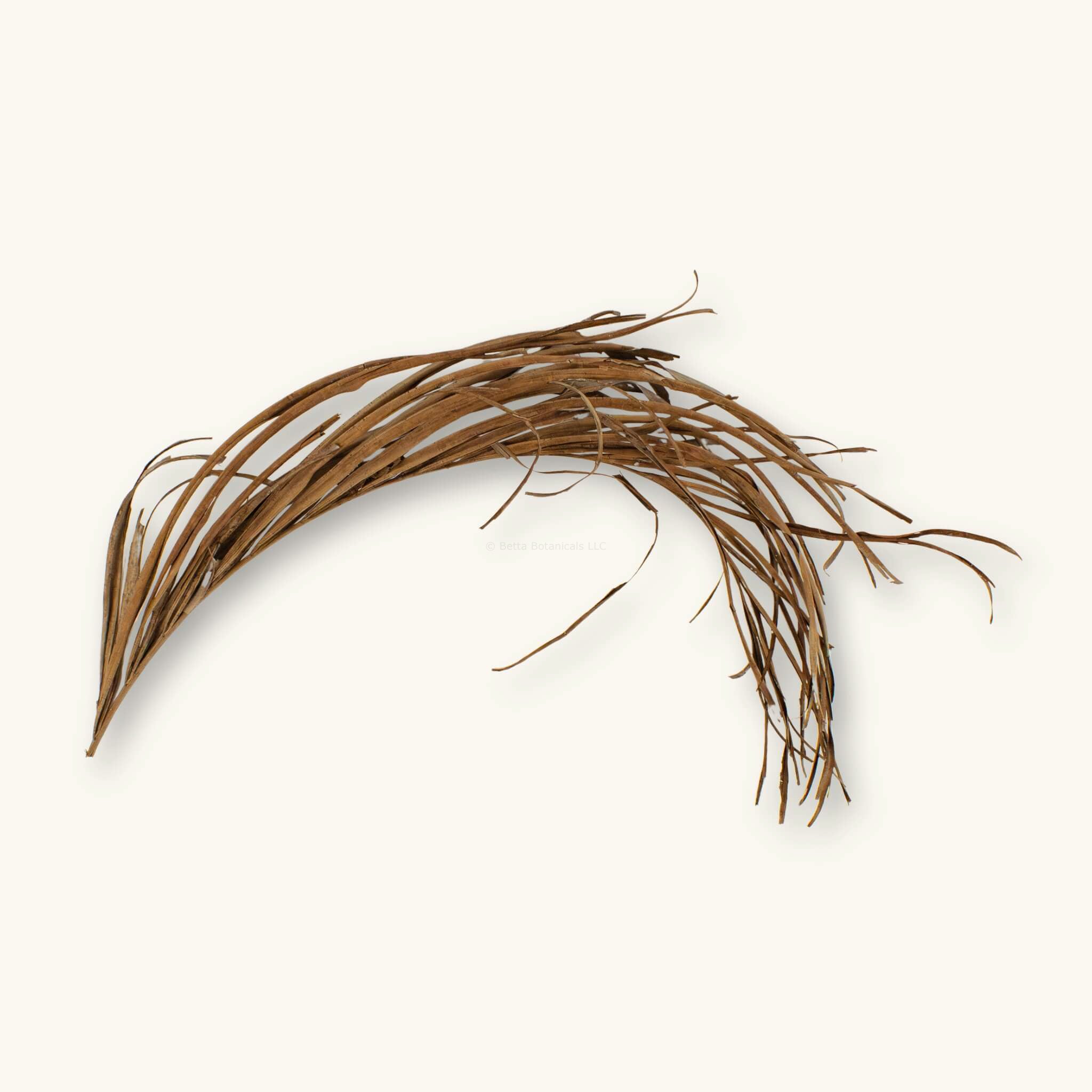
Areca Palm Fronds | Dypsis lutescens
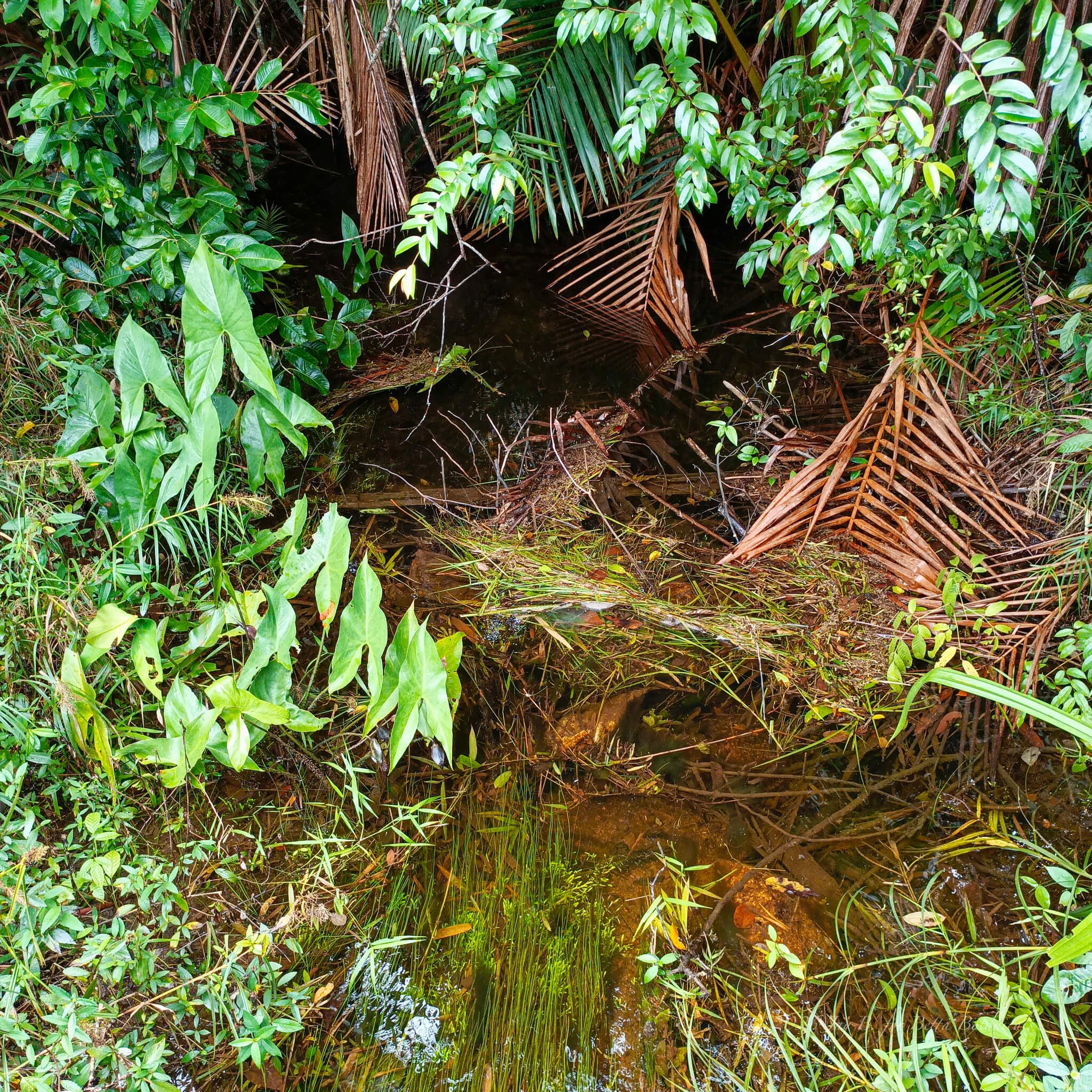
Areca Palm Fronds on the Surface:
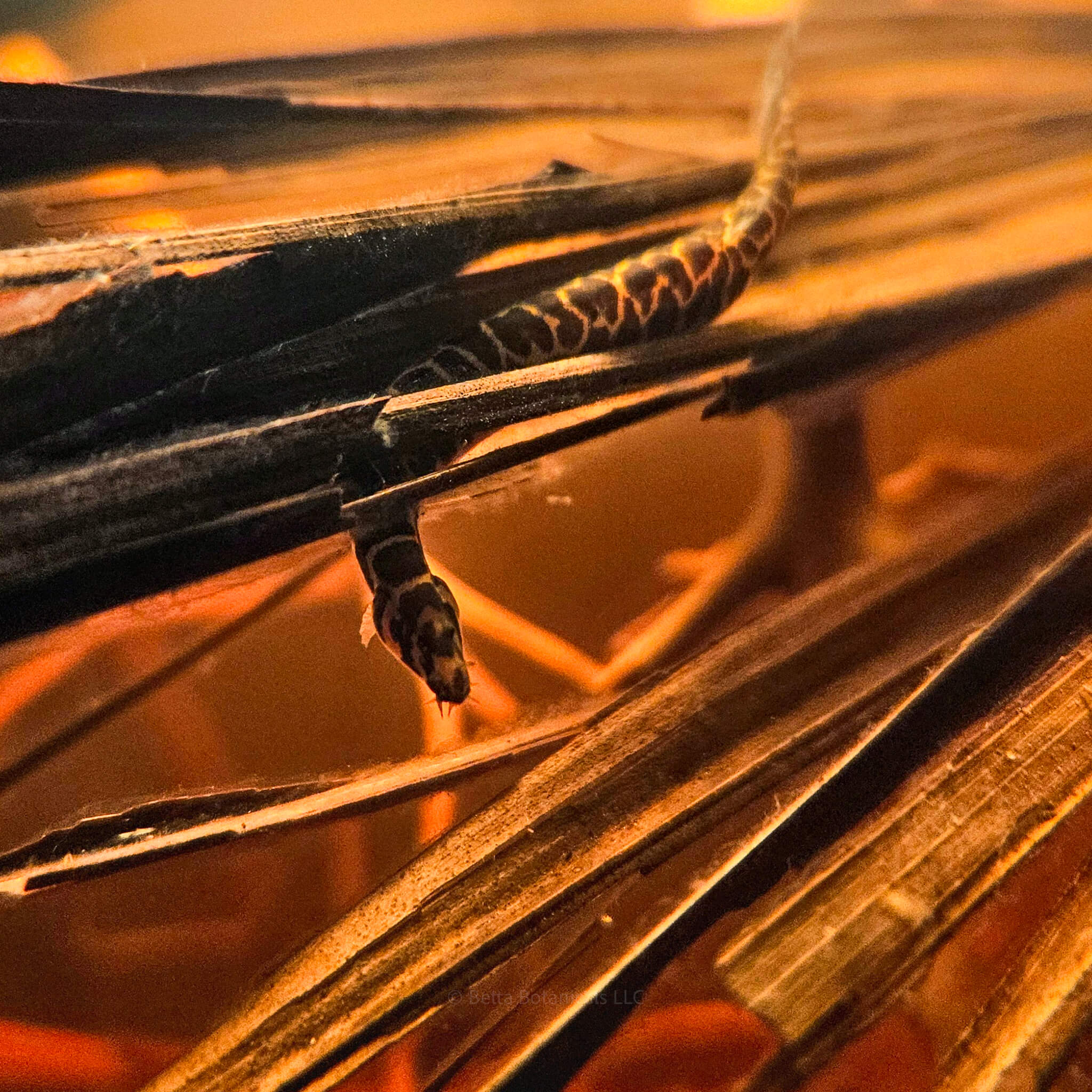
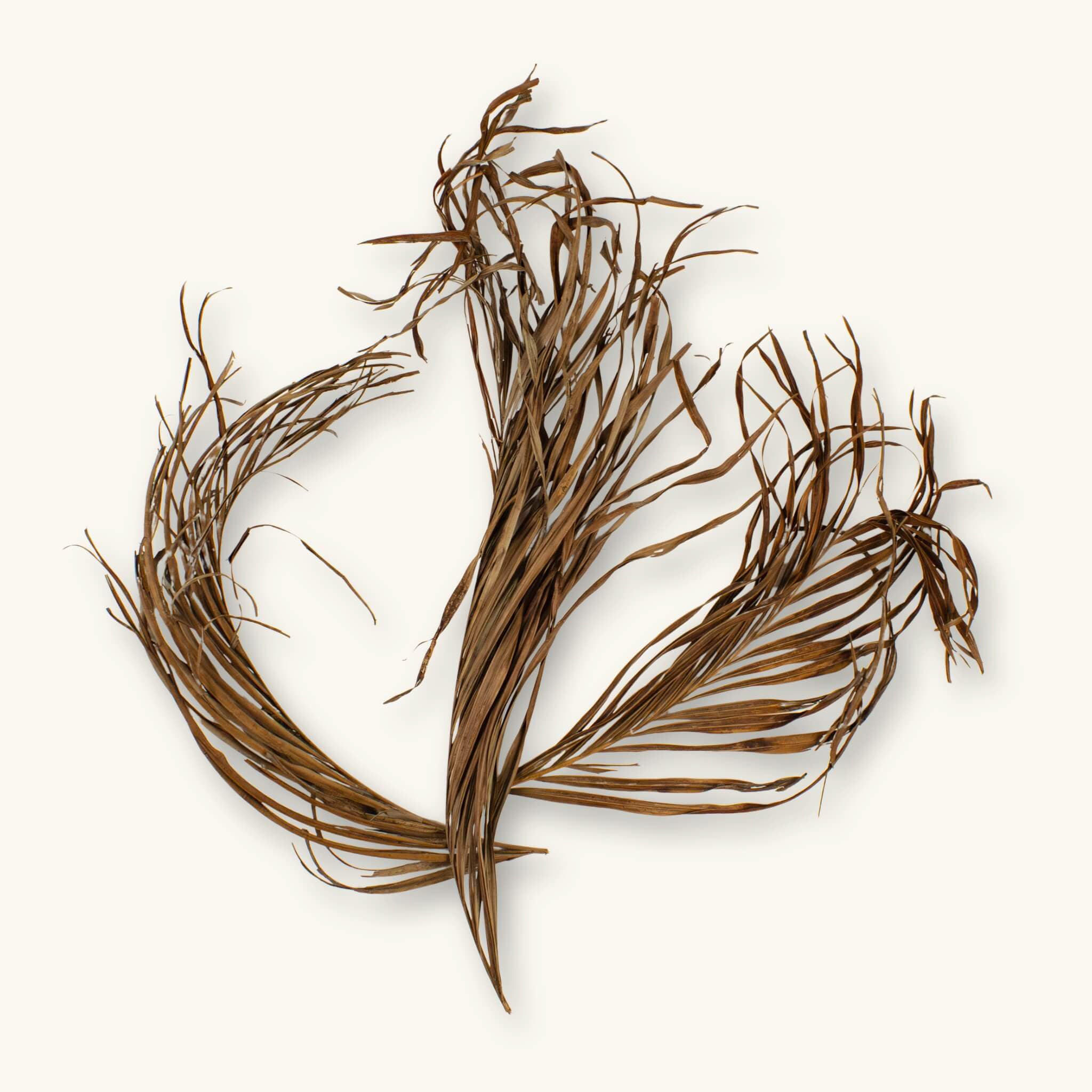
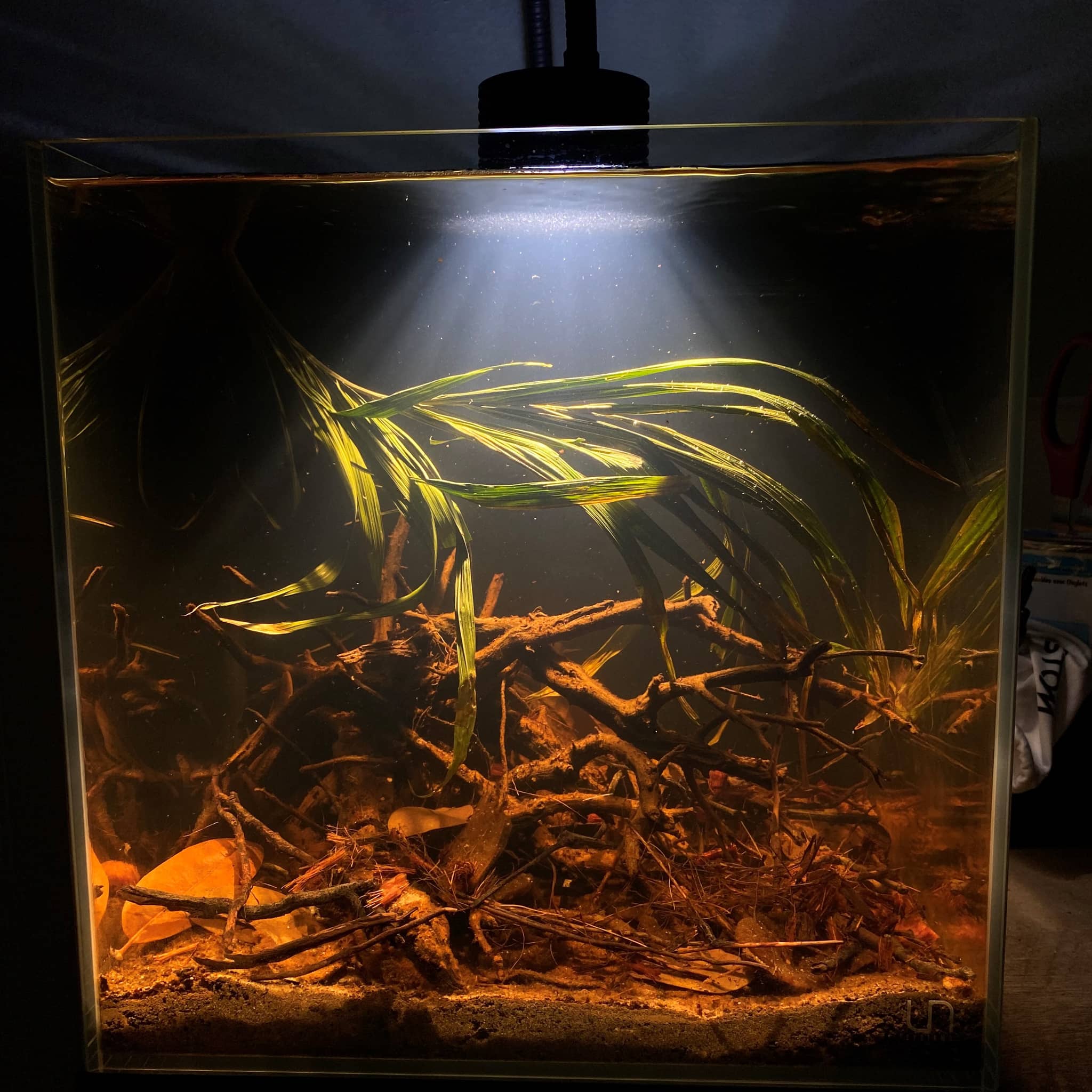
The Areca Palm Fronds that we use in aquariums come from Dypsis lutescens, a palm native to Madagascar that's been widely naturalized across warm climates. They have rather long, medium-durability, feather-like fronds, though some may condition quickly in ecosystems containing plecos and other rasping or nibbling fishes. They will often float at first, creating immediate cover for fish and shrimp in botanical method, blackwater, and biotope aquariums, and bioactive enclosures. Their widespread naturalization allows them to function as a broadly compatible, “generic tropical” botanical across many methods of aquarium keeping, and their low tannin content makes them ideal for the habitat replication of both clear water and blackwater streams.
Essential Details
- Tannin Level: Low
- Tint Color: Minimal to light tea brown
- Durability: Slow to decompose; leaflets soften gradually and hold structure for extended use
- Habitat Location: Native to Madagascar, widely naturalized in tropical and subtropical regions
- Optimal For: Bettas, gouramis, tetras, rasboras, shrimp, snails, nano fish, community tanks, and bioactive enclosures for snakes, geckos, frogs, isopods, and springtails
- Use with Caution: Suitable for all inhabitants
- Size Range: Typically 15–20 inches long, with natural variation in leaflet spacing and thickness
- Quantities: Sold as 1 count Areca Palm Frond or 3 count Areca Palm Fronds
Areca Palm Fronds for Aquariums & Vivariums
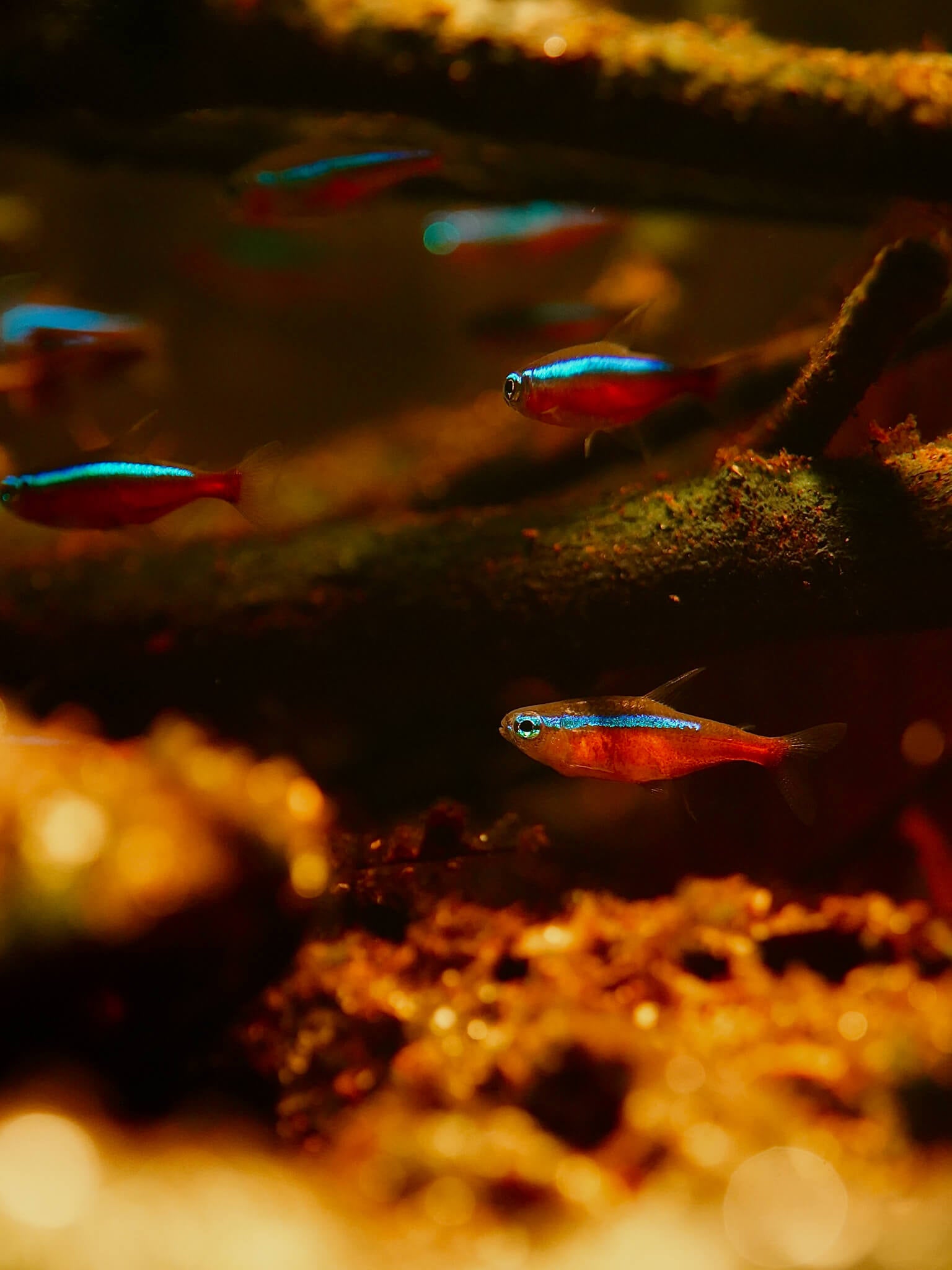
Areca Palm Fronds just look tropical! The long leaflets create soft line-of-sight breaks that fish use immediately, especially small schooling fish and timid species that settle faster when they can weave in and out of cover. They are a favorite amongst angelfish enthusiasts, or with nano fish like the green neon tetra.
Functionally, fronds provide a lot of surface area that is quick to be colonized with bacterial films and fungi, which then become grazing surfaces for shrimp and snails. In the botanical method aquarium, this forms the basis of the food web and is a level of the food chain that standard aquariums are often missing.
Once broken down, the frond fragments help in the mulm accumulation and substrate formation between larger leaves and seed pods. This natural substrate formation is exactly what we see in nature, especially when the frond is laid over leaf litter or tucked against wood. In this perpetual substrate approach, the mulm layer is a food source, as it feeds beneficial microbes and supports slow nutrient cycling within the litter layer for aquatic plants.
In nano aquariums, one frond can provide the entire habitat and cover on its own. In larger aquariums, using multiple fronds creates a broader “canopy” effect across the substrate, which fish and invertebrates utilize as habitat.
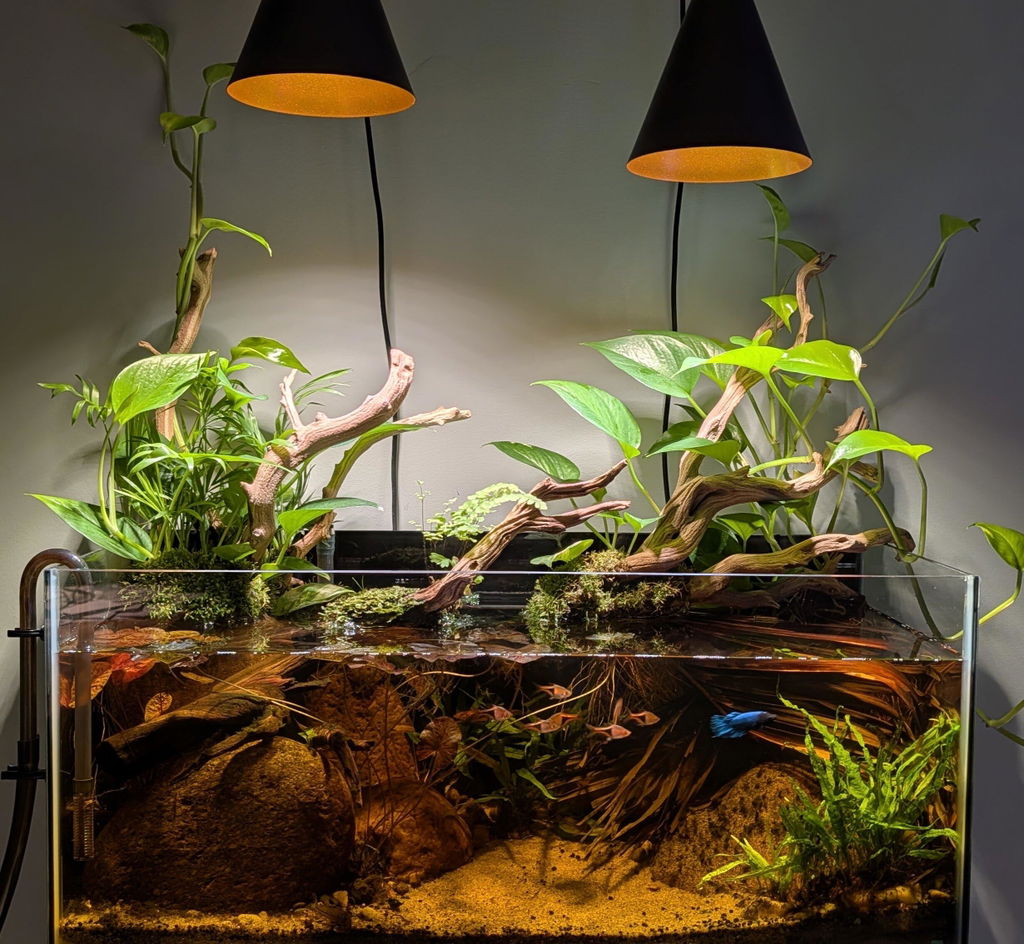
In bioactive enclosures, Areca Palm Fronds help replicate the diversity of litter found on the forest floor. They trap pockets of humidity in the litter, and create pathways that isopods and springtails use for refuge and feeding as microbial films develop. For reptiles and amphibians, this can increase activity because the enclosure offers more usable cover and more microclimates within the same footprint.
Beneath the Leaves: Dypsis lutescens in the Wild
Historically, palm fronds have been used as symbols of triumph, victory, and renewal, appearing in religious, ceremonial, and civic traditions across the Mediterranean, Africa, and parts of Asia. This association reflects the palm’s resilience and its ability to persist and regenerate in demanding environments.
Palms as a group have long provided practical resources as well. While Dypsis lutescens itself is not a major food crop, many closely related palm species produce edible fruits, sap, or starches that have supported human communities for thousands of years. The shedding of fronds and fruits links canopy growth to the ground below, reinforcing the constant exchange between living plants and the detrital systems that follow.
Sustainability Note:
This product’s packaging is home compostable. Just like the botanicals inside, it will break down naturally and return to the soil — because what supports your ecosystem should minimally impact our planet.
Not for human consumption. Preparation required.
This is a natural product — variation in color, shape, and texture is expected.
Areca Palm Fronds | Dypsis lutescens
Home is getting more natural
While the aesthetic appeal of botanicals and tinted water can be quite attractive to us, the recreation of nature to emulate water conditions, feeding patterns, spawning displays, and territory building are the true benefits botanicals provide to our critters.
Botanical FAQs
Compostable Packaging Promise
Our packaging is designed to return safely to the Earth, just like the botanicals inside. Every bag is BPA- and Phthalate-free, GMO-free, and contains no animal products. Each meets ASTM D6400 composting standards, ensuring it can fully break down in a home compost bin.
What are the Fluffy White Growths on my Botanicals?
That’s biofilm and fungi—what we call the “goo phase.” It’s one of the clearest signs that your aquarium is alive and functioning. These growths wax and wane naturally as botanicals decompose. They’re harmless, even beneficial, and will disappear on their own once microbial populations stabilize.
Will botanicals lower the pH of my water?
That depends entirely on your source water. In very soft or RODI water, botanicals can gradually lower pH as tannins and humic substances accumulate. In medium to hard tap water, buffering capacity often resists these shifts, and you may not notice much change. At Betta Botanicals HQ, our very hard water (350+ ppm) shows almost no pH change unless we use botanicals like Alder Cones or Macaranga Leaves.
When should I replace leaves or pods in my tank?
We recommend allowing botanicals to fully break down into detritus, since this fuels microbial life and enriches the substrate. You can remove them once they stop tinting the water, but you’ll lose some of their ecological benefits. Each time you add new botanicals, follow proper preparation and observe your livestock until you learn your aquarium’s rhythm.
Are your products just for bettas?
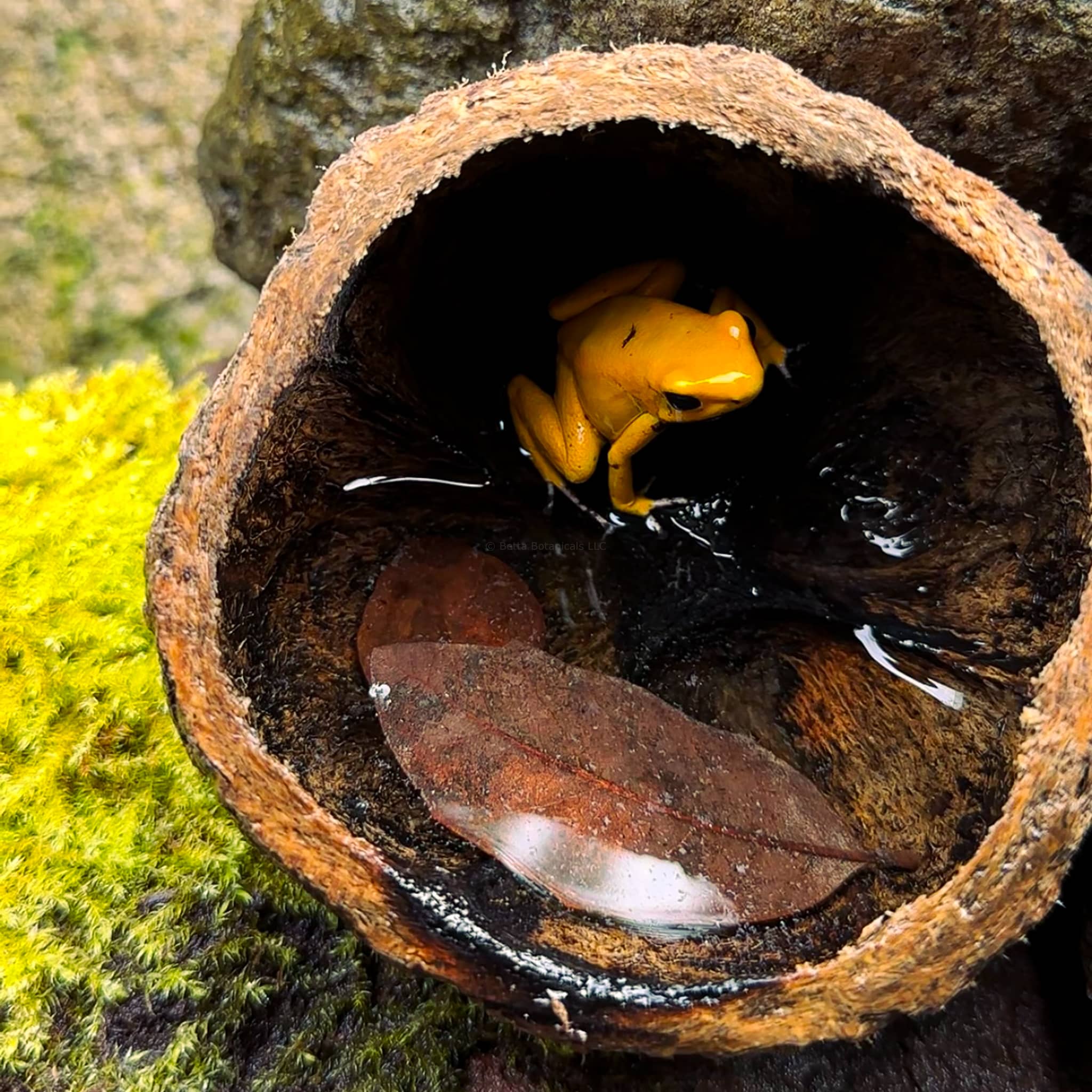
Nope. Our botanicals are safe for almost all aquariums, terrariums, vivariums, and paludariums. The only exceptions are goldfish and axolotls, which may ingest small pods like alder cones or casuarina cones. For those species, we recommend large leaves such as Indian Almond, Loquat, or Jackfruit.
What are Tannins?
Tannins are natural compounds released by leaves, seed pods, and bark as they decompose in water. They soften water, gently lower pH, and create the characteristic tea-stained tint found in blackwater habitats. But their role goes far beyond color—tannins fuel beneficial bacteria, fungi, and biofilms, which form the foundation of a healthy ecosystem. They also offer mild antifungal benefits and help reduce stress in fish by replicating the natural conditions they’ve evolved in. At their core, tannins are plant-derived antioxidants that connect your aquarium to the same processes at work in wild flooded forests and streams.
- Amazing Jungle Vibe! This is my 2nd order and I'm thrilled with the results!
- Fish love it. Mosquito rasboras were weaving in and out of the leaf blades
- Absolutely perfect. Rich tint. Beautiful addition to any scape.
Amazing Jungle Vibe! This is my 2nd order and I'm thrilled with the results! Also grateful to order from a supplier specializing in blackwater setups and potentially avoiding products that have been bleached or treated with other harmful chemicals. Thank you!!!
Hey Jonathan! Thank you for this review, it means a lot to me and BB! Thank you for being a repeat ecosystem builder too. Everything is sourced from darn near organic locations and then batch tested here at my Ecosystem Garage before being shipped. -Ben
Seconds after putting frond in, mosquito rasboras were weaving in and out of the leaf blades
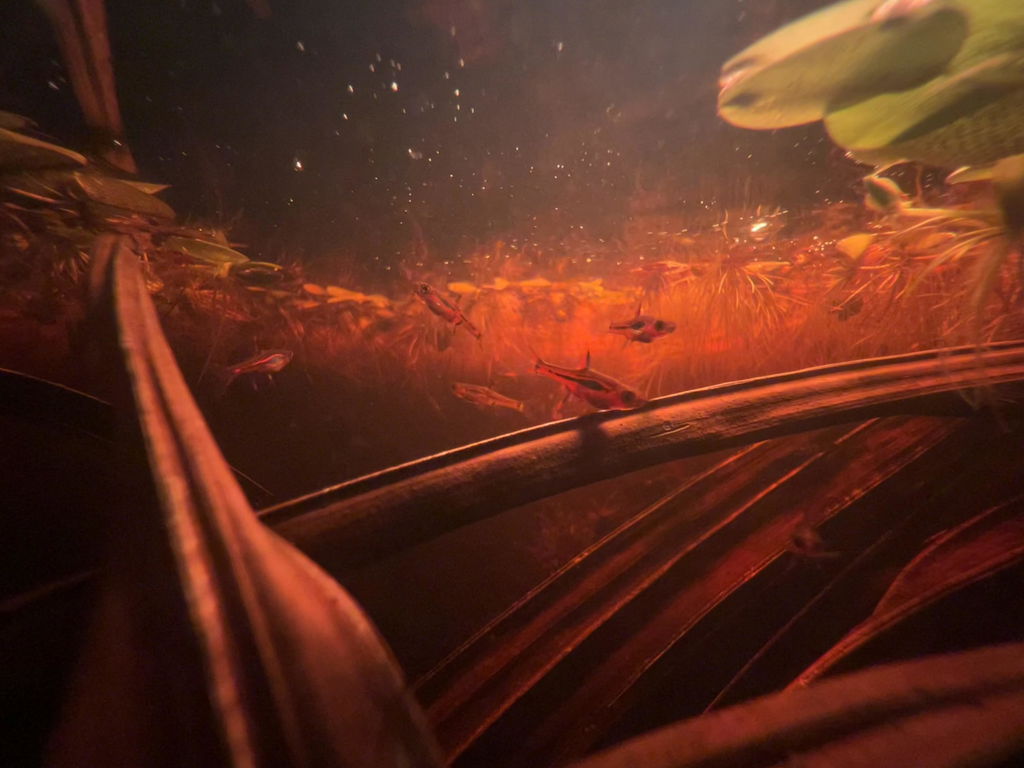
I experienced something similar with my bumblebee otocinculus catfish! It is very cool that the addition of botanicals can help signal that a fish is 'home', adjusting their behaviors. -Ben
Absolutely perfect. Rich tint. Beautiful addition to any scape.
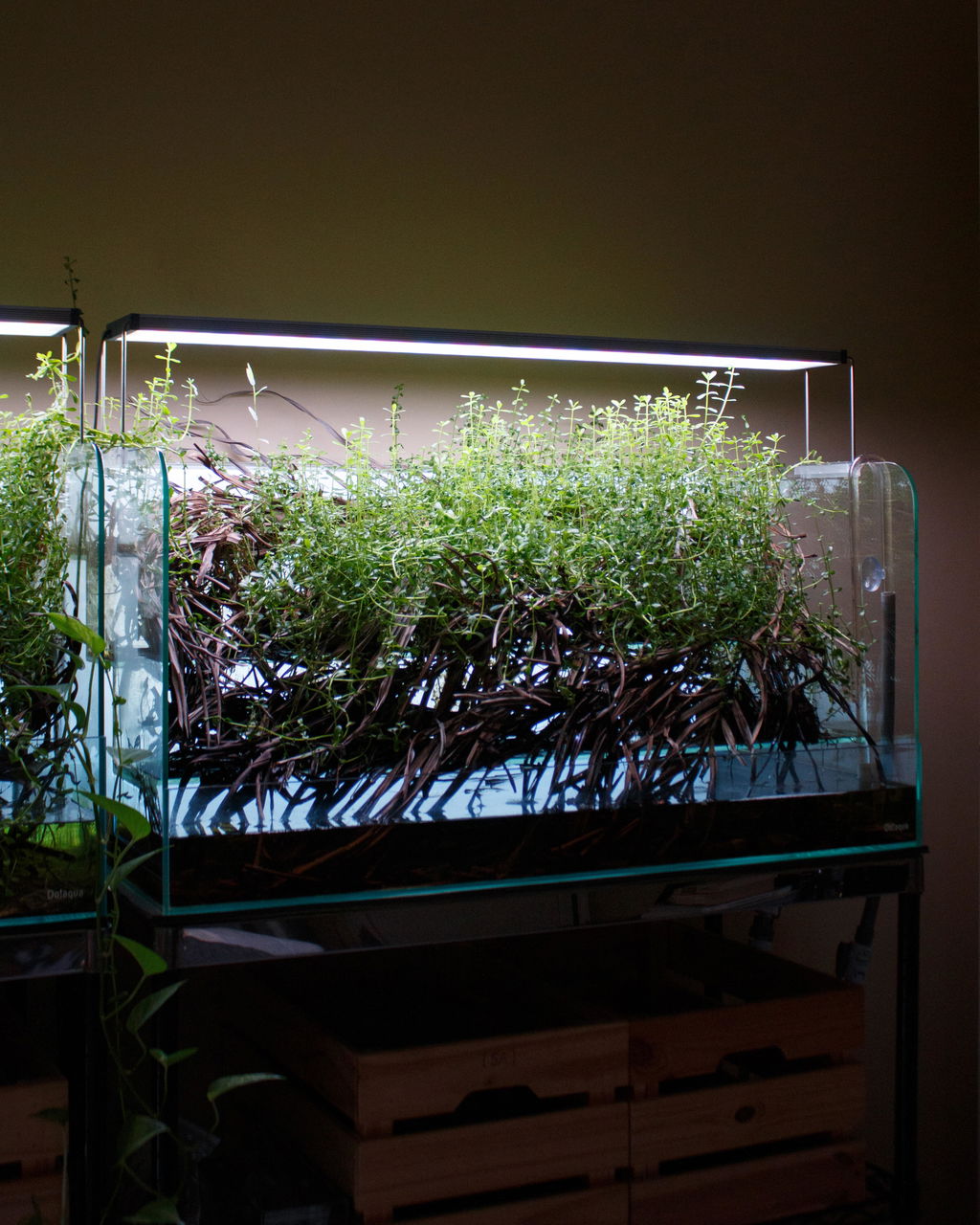
Awesome product! It really gave my 40 gallon breeder the looks and the nature vibe.
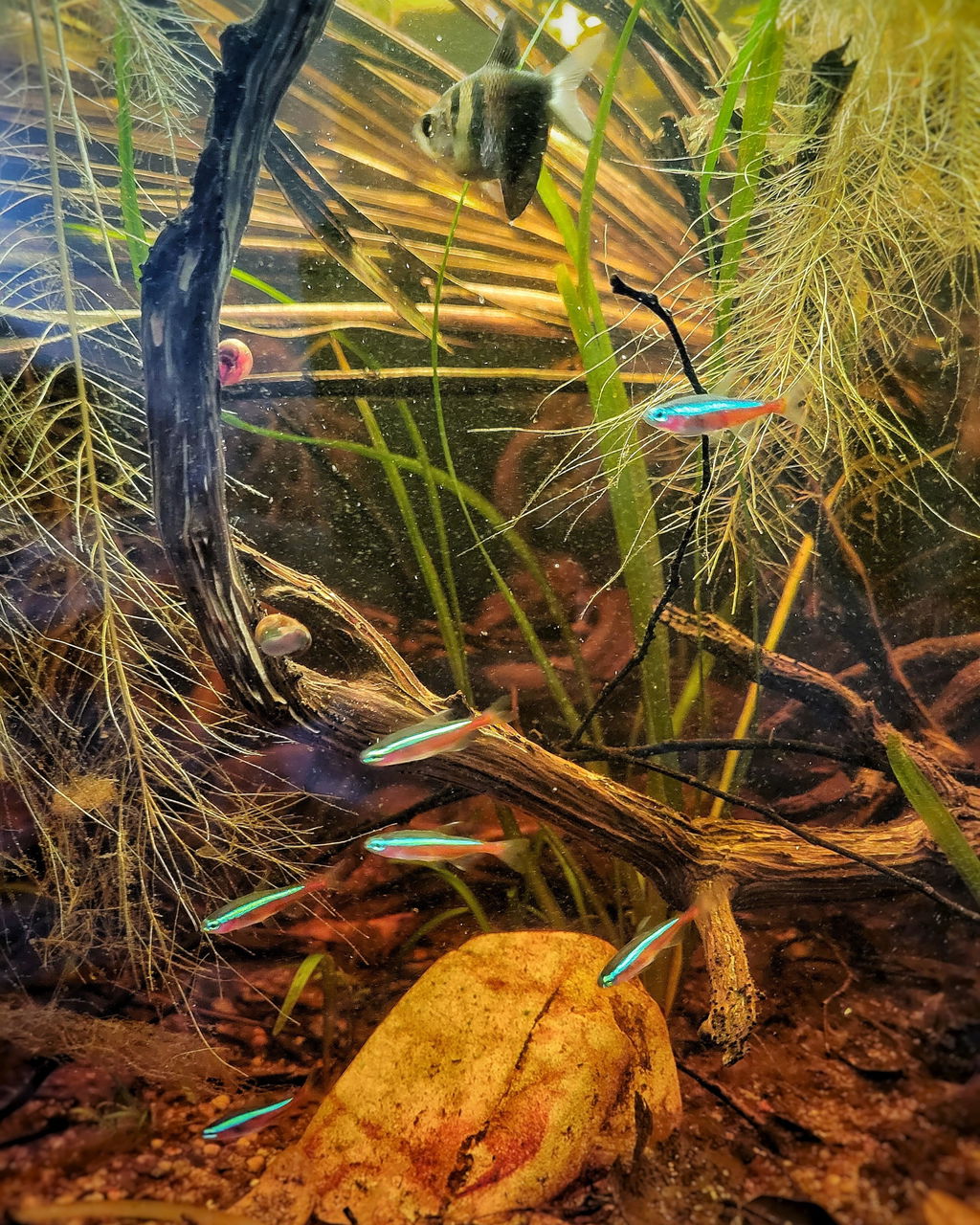
So beautiful and reasonably priced! Came with ab extra too
They look great in my aquarium. They really add to the beauty of my tank.
So glad to hear this! Palm Fronds are unique in that they have that generic tropical look, so no matter what kind of ecosystem you add them too it appears as if they belong...even if found on different continents. -Ben
I received these massive fronds and they were perfect for my ball python's 4x2x2 enclosure! She's much more active now and loves the added cover.
My order was delivered in perfect condition.
Phenomenal palm fronds, worked exactly the way I wanted to in my black water fish tank. Thank! Will order more soon