Terentang Leaves | Campnosperma brevipetiolata
Terentang Leaves on the Surface:
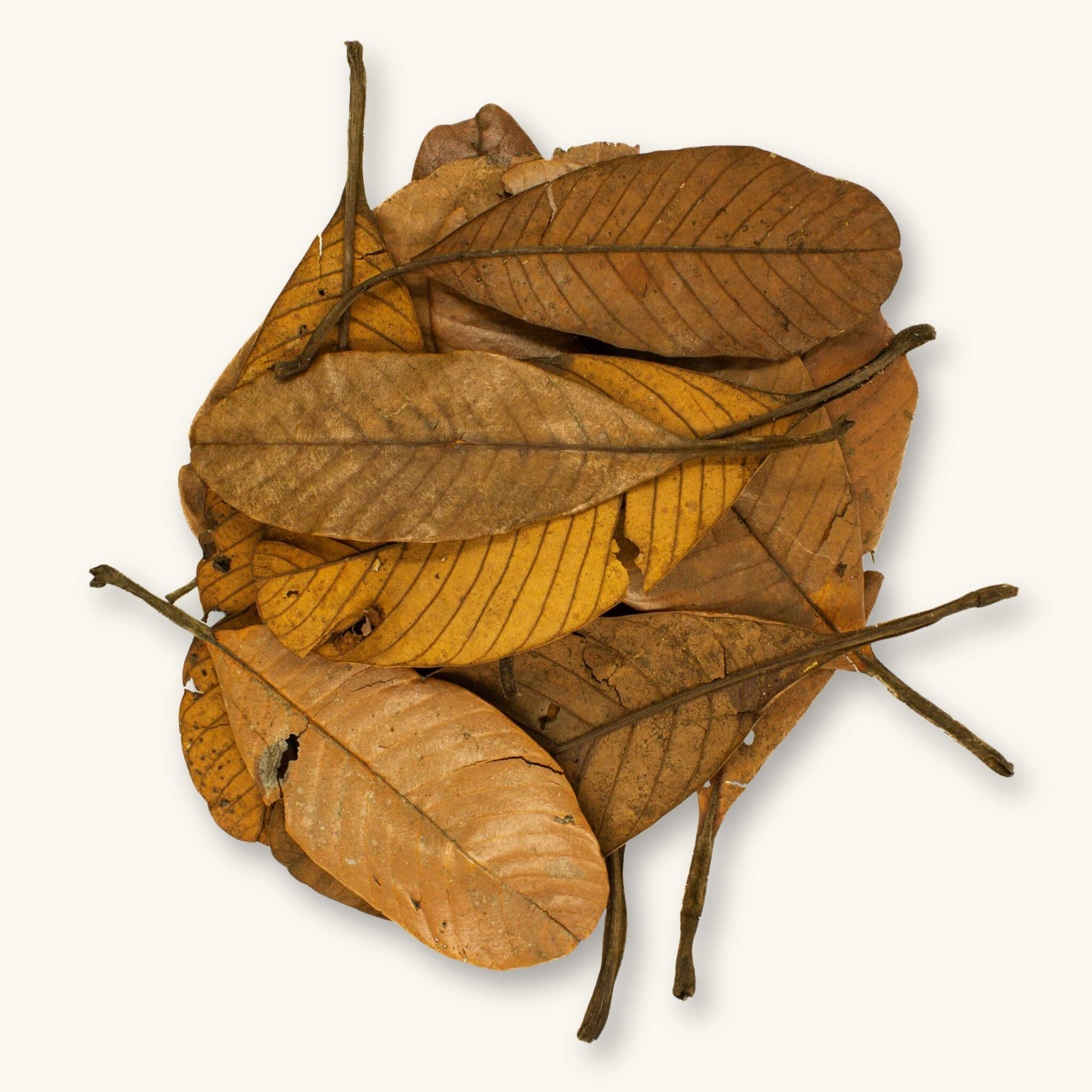
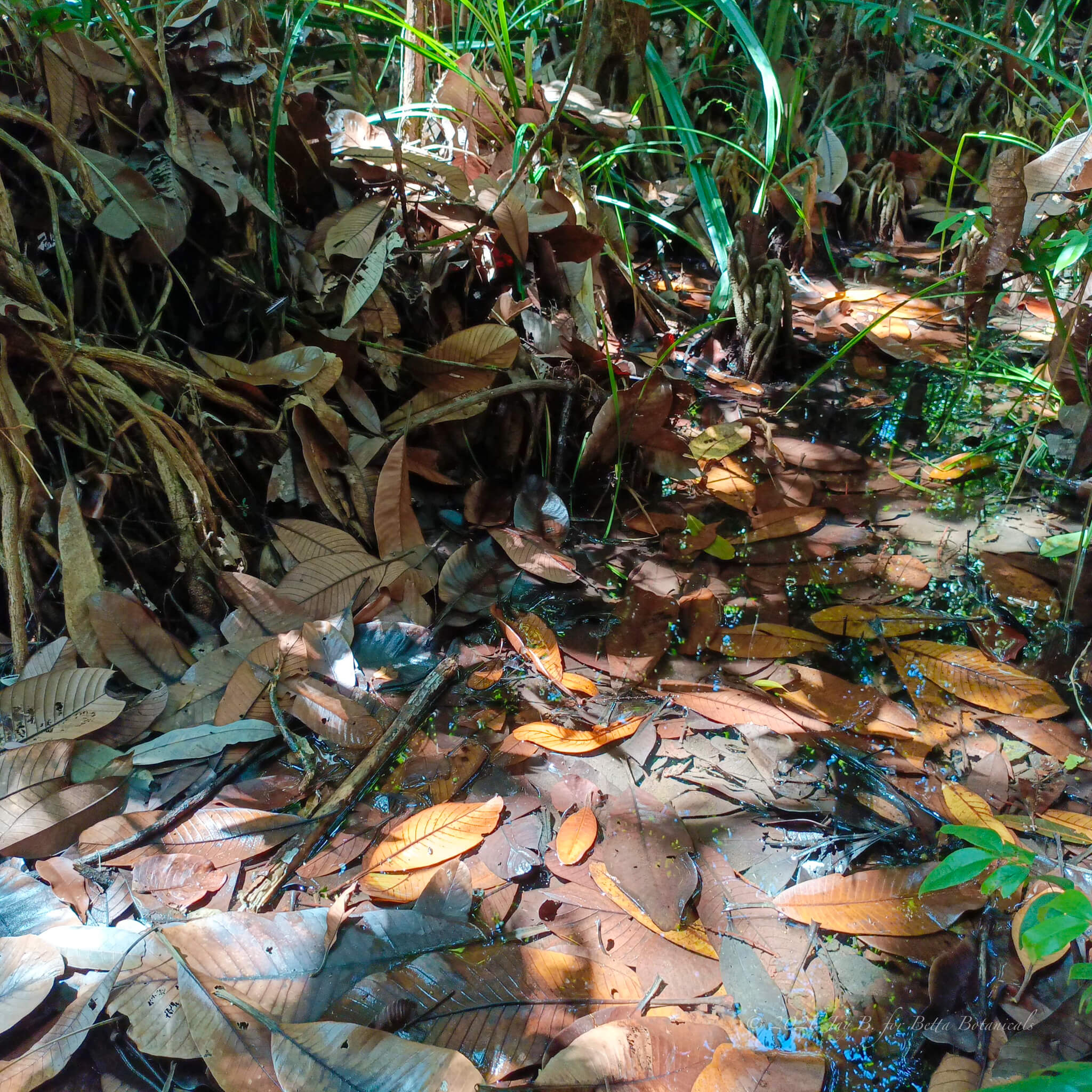
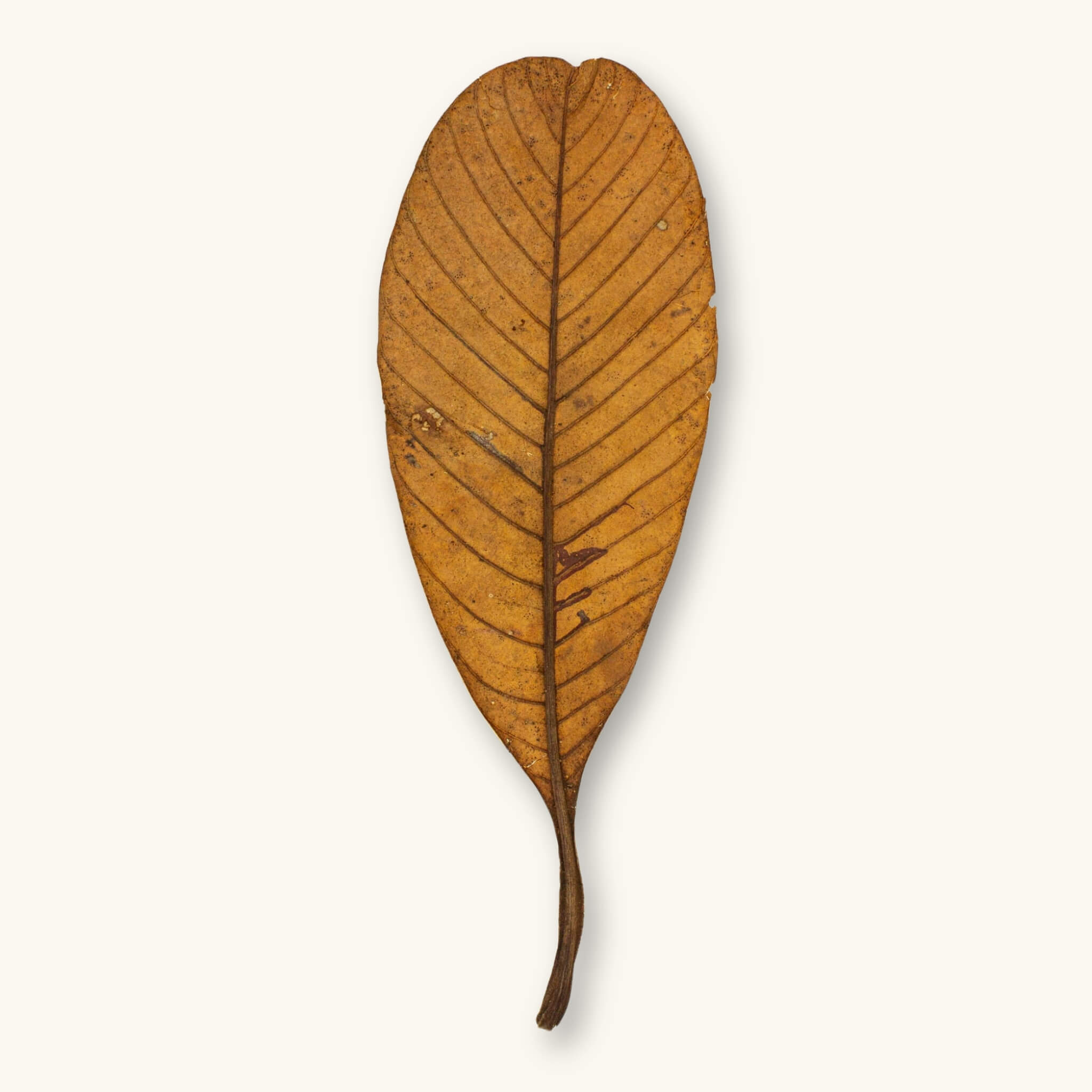
Terentang Leaves (Campnosperma brevipetiolata) are a rare, seasonally available botanical sourced from the peat swamp forests of Indonesia, which is the same habitat where species in the Betta coccina complex forage, shelter, and spawn amongst fallen leaf litter. Each batch contains a range of sizes, with an oval to elongated shape that softens and curls gradually in water, creating refuge sites within the substrate as they break down. They passively release moderate brown tannins and humic compounds over their decomposition cycle, making them well-suited for the botanical method, blackwater, and biotope aquarium and vivarium, where the ecosystem is allowed to develop over months, not weeks.
Essential Details
- Tannin Level: Moderate
- Tint Color: Warm amber to light brown
- Durability: Persistent — leaves remain structurally intact for approximately 5 to 6 months before fully breaking down into detritus
- Habitat Location: Peat swamp forests of Indonesia (Sumatra and affiliated islands)
- Optimal For: Betta coccina, betta splendens, gourami, parosphromenus, rasboras, freshwater shrimp, dart frogs, small geckos, isopods
- Use with Caution: No known concerns for standard aquarium inhabitants
- Size Range: 4" to 10" in length, 2.5" to 4" in width
- Quantities: 20 count Terentang Leaves per pack
Terentang Leaves for Aquariums & Vivariums
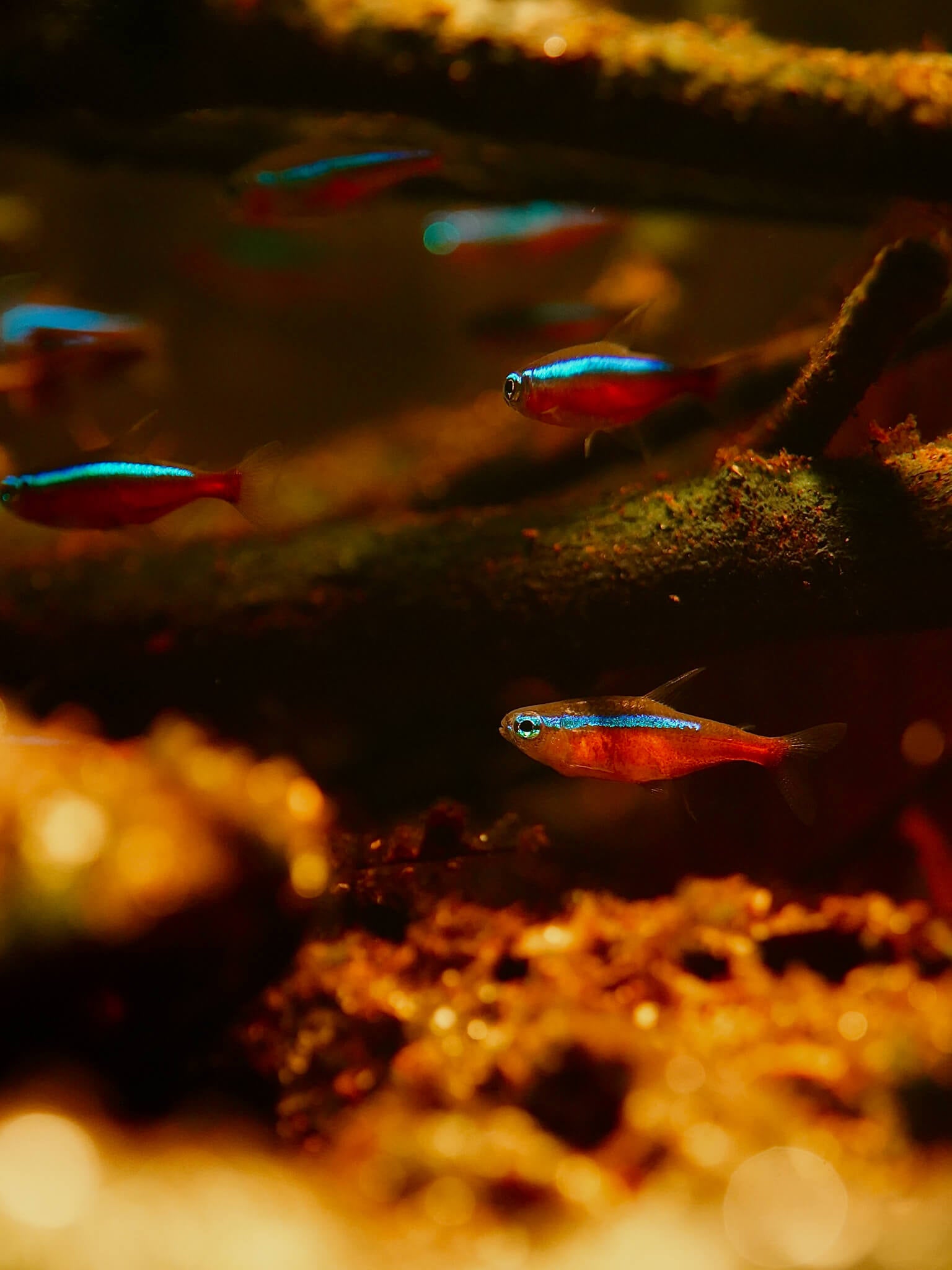
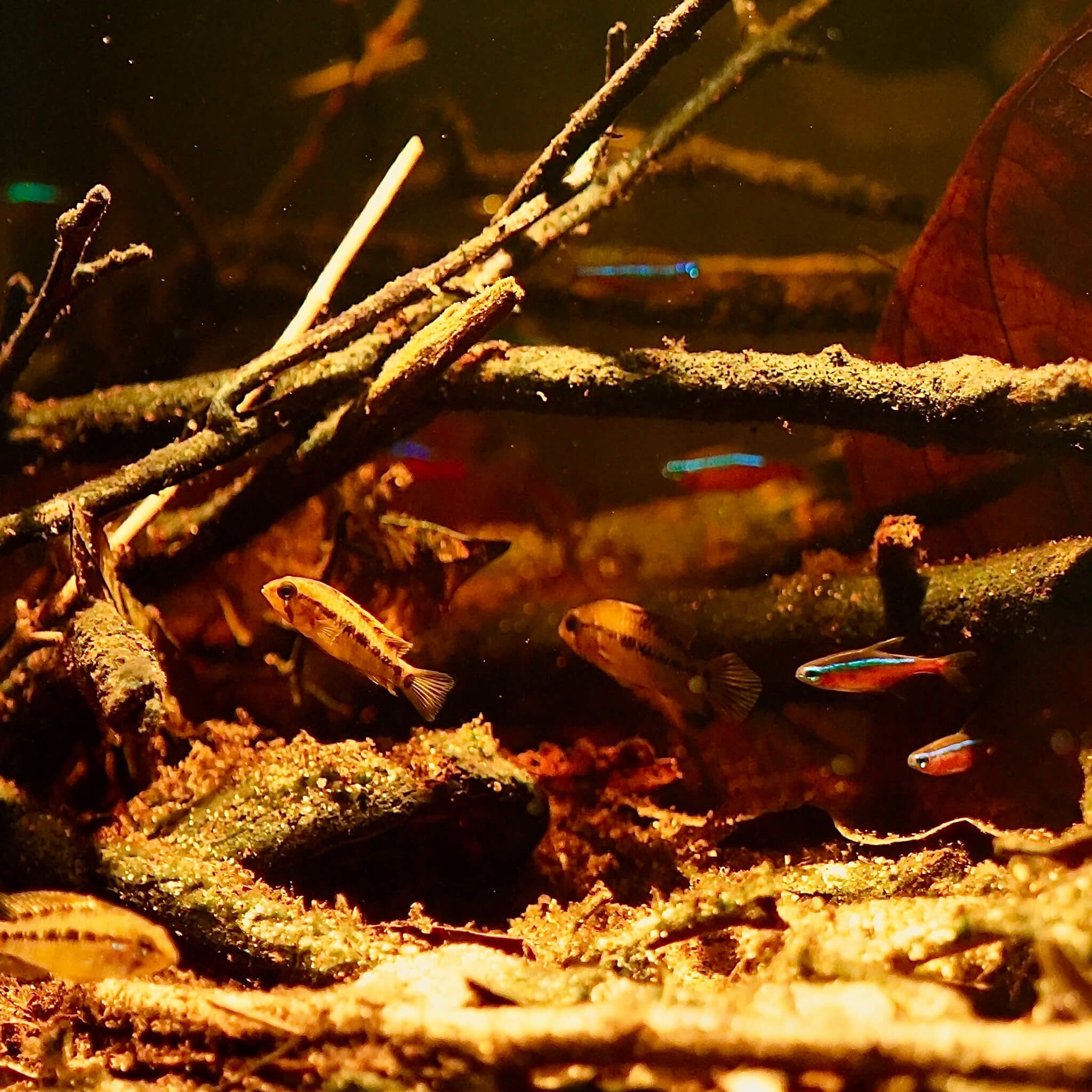
In the first weeks of submersion, the leaf surface becomes a primary site for beneficial biofilm and fungal colonization, which we refer to as supplemental nutrition or early microbial activity, that fish, shrimp, and invertebrates can graze on before the leaf begins to soften. As the leaf becomes saturated, it curls along its margins, forming concave spaces within the substrate layer that small fish can use as foraging territory and refuge sites.
Over time, Terentang Leaves passively release tannins and humic compounds into the water column. As decomposition continues, those compounds accumulate and can help contribute to the low-pH, high-humic-acid water chemistry characteristic of peat swamp habitats. The longer a leaf remains in the ecosystem, the more fully those humic substances leech into the water — building an environment that supports fish immune function and is less hospitable to common aquatic pathogens. This is a process-driven benefit. Long-term botanical use, where leaves are left to fully break down into detritus, provides the most benefits that each species has to passively contribute.
Layered alongside Macaranga Leaves, Sterculia Pods, Jambolan Leaves, or Catappa bark tubes, Terentang Leaves contribute to a substrate that mirrors the stratified leaf litter beds of Southeast Asian peat swamps. Their 5 to 6 month decomposition window means they remain functional throughout an entire stocking and conditioning cycle, reducing the frequency of re-introduction and allowing detritus to accumulate continuously in the benthic zone.
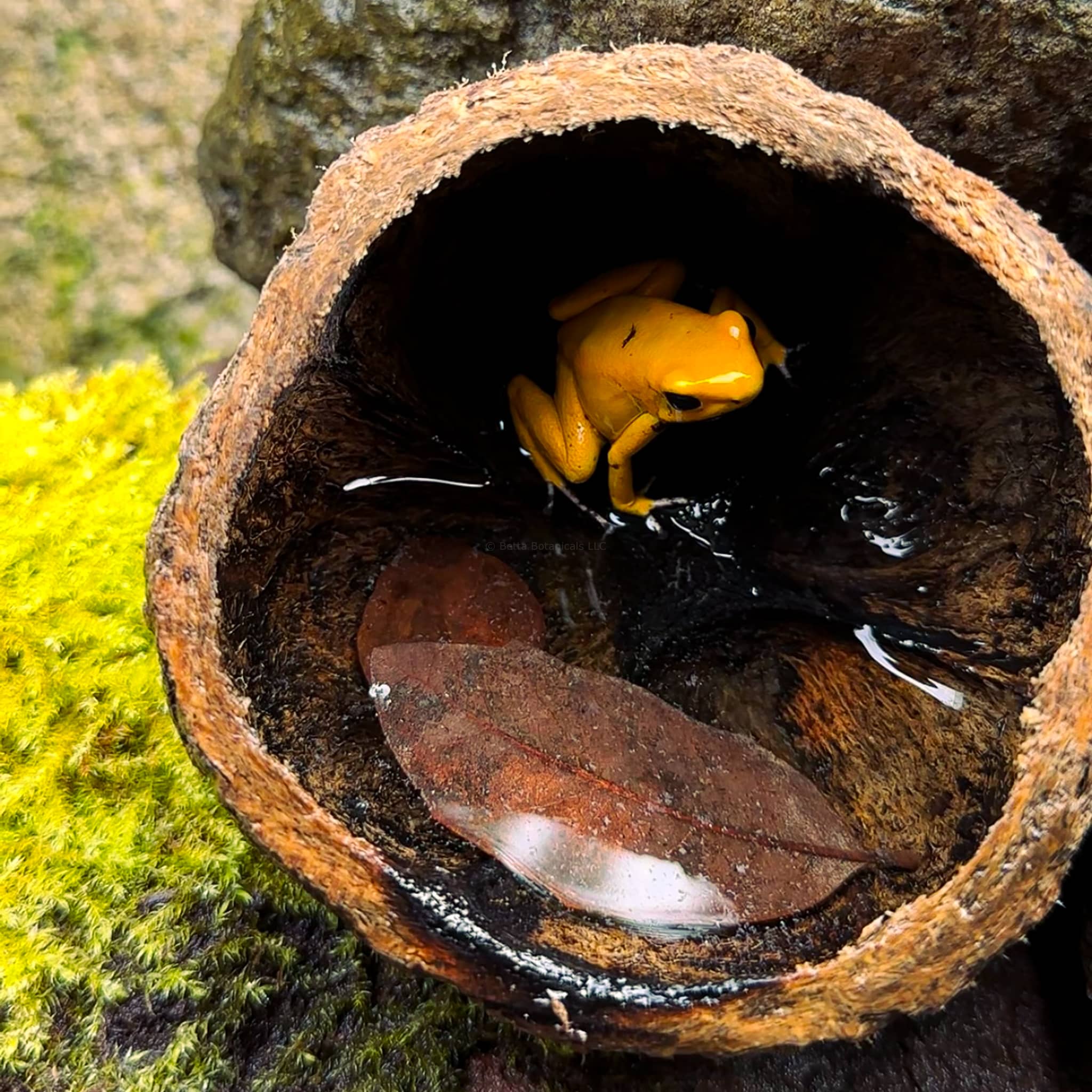
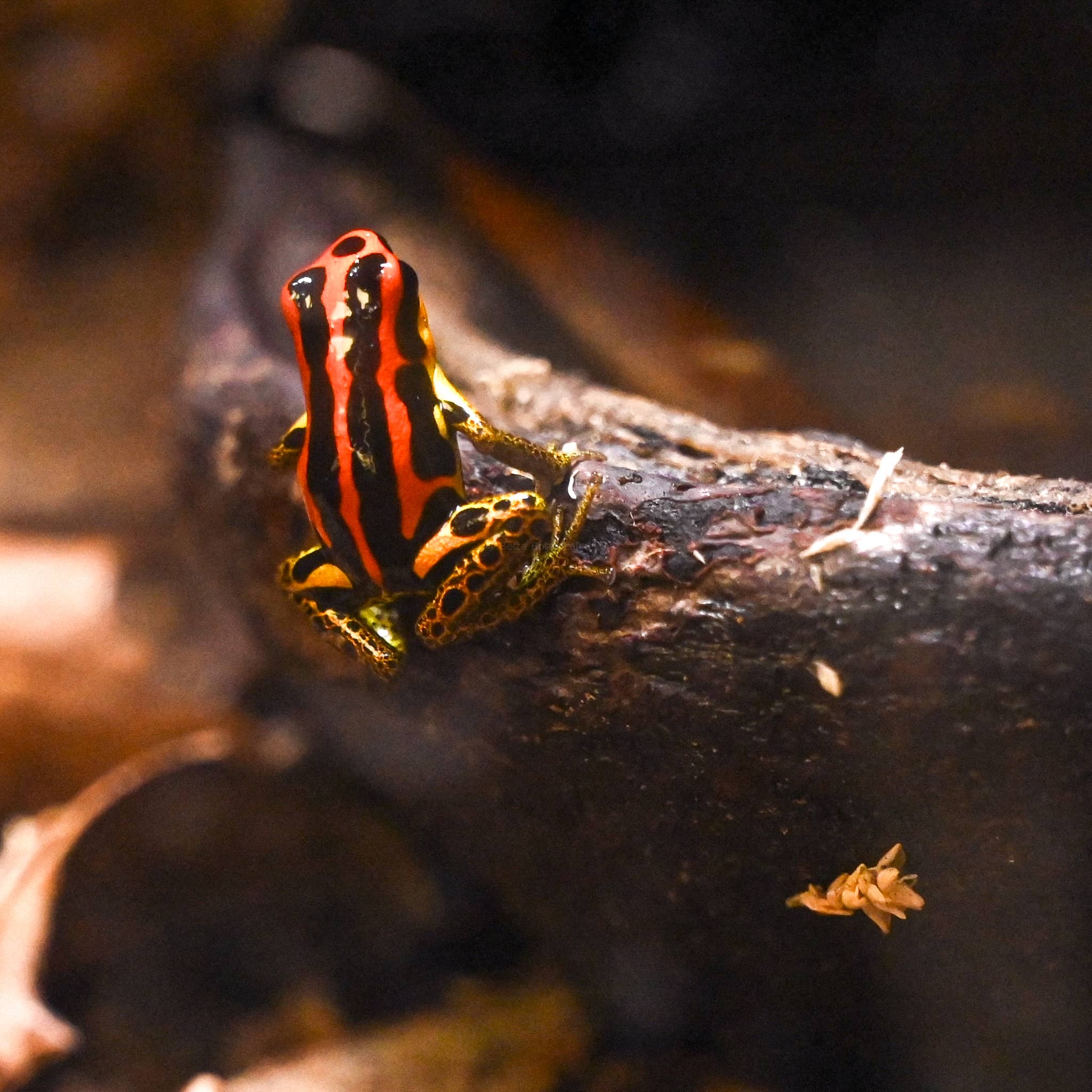
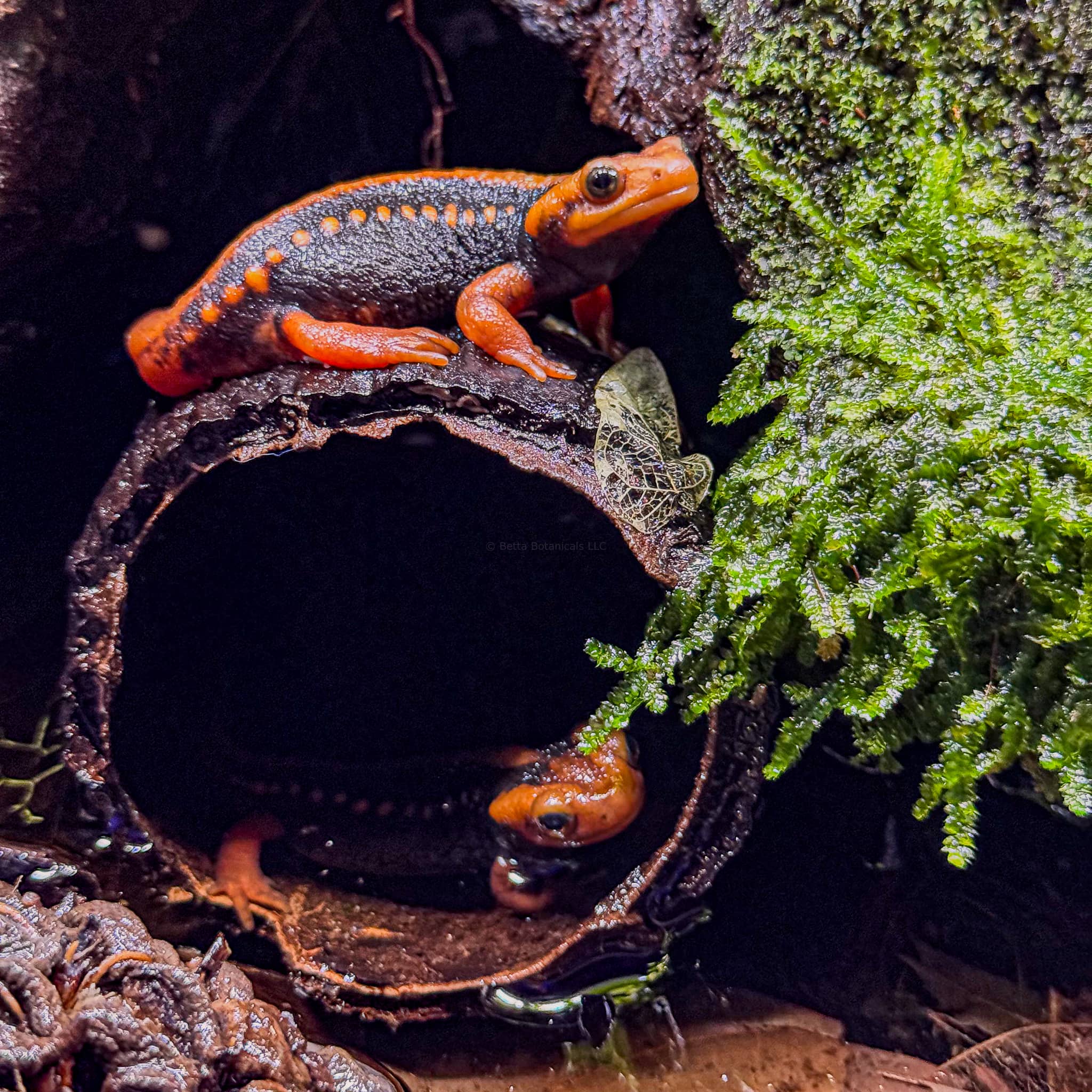
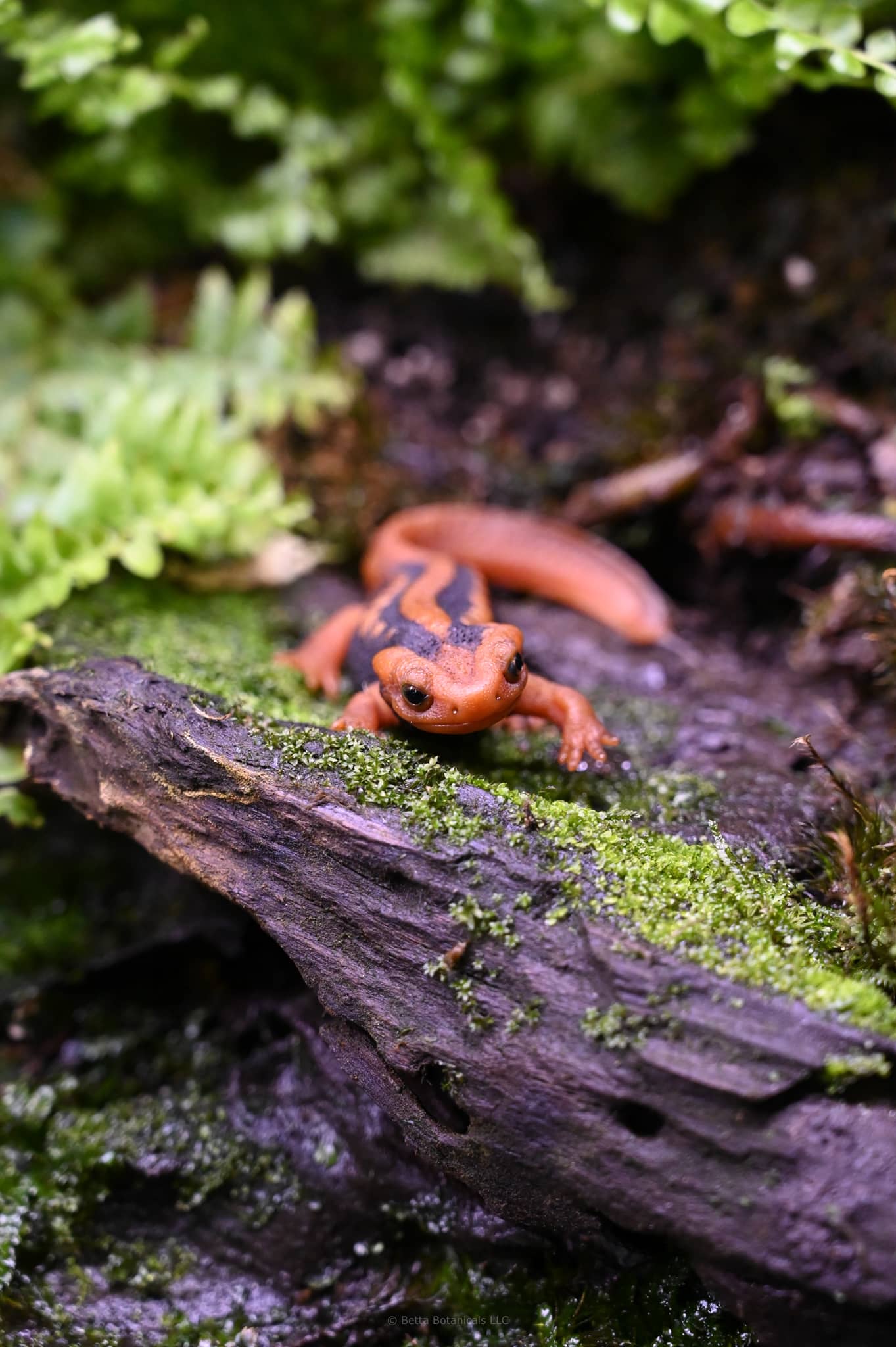
In bioactive vivariums, Terentang Leaves provide refuge for frogs, geckos, and isopods. They are readily consumed by the clean-up crew, helping to process waste and cultivate a micro-biome in your vivarium that functions similarly to wild habitats.
Beneath the Leaves: Campnosperma brevipetiolata in the Wild
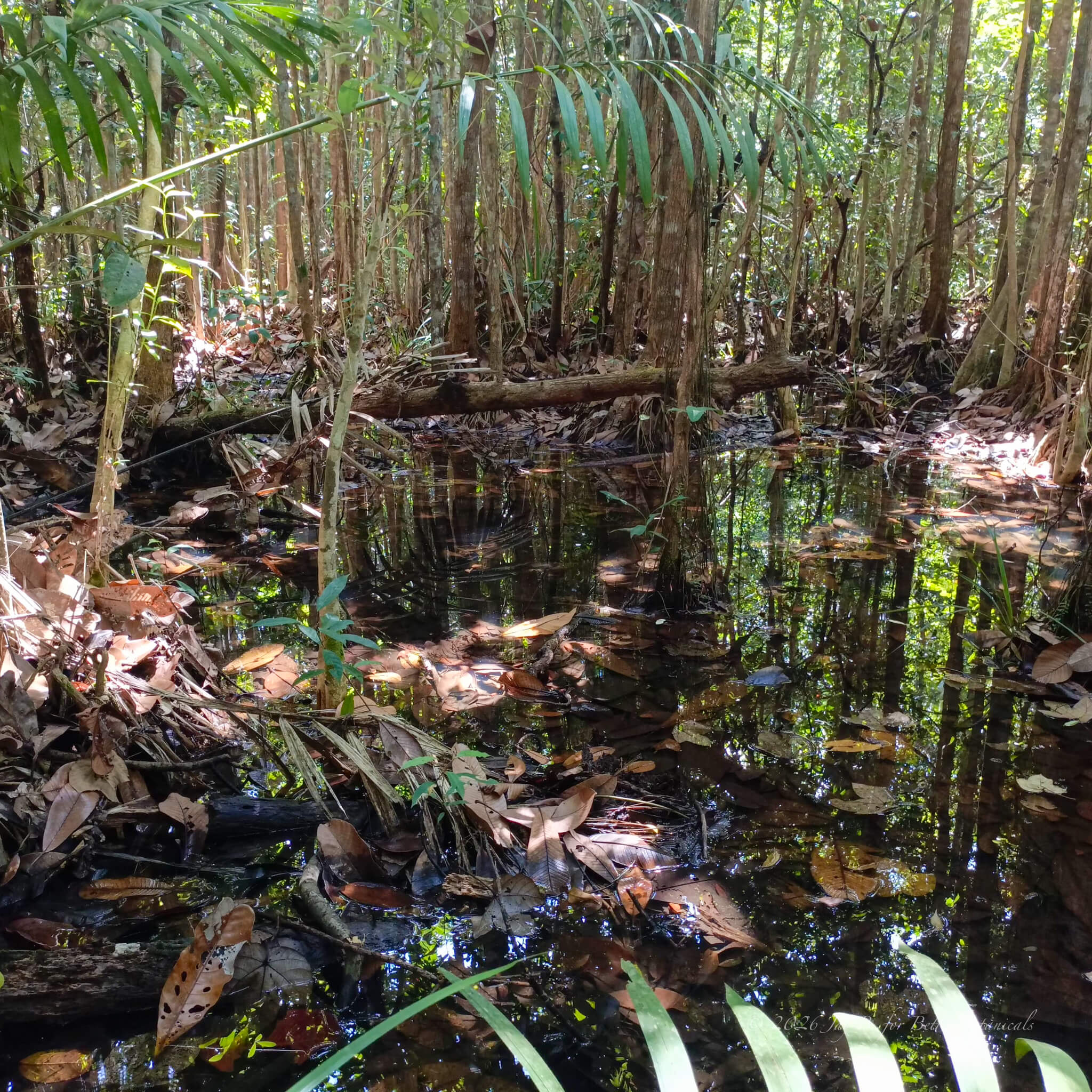
Campnosperma brevipetiolata is a tall canopy tree native to the peat swamp forests of Sumatra, Borneo, and affiliated islands. In these habitats, the forest floor is a dense, stratified accumulation of fallen leaves, submerged roots, and decomposing wood — a substrate built over decades from the same allochthonous inputs that define the ecosystem's chemistry. The water moving through this material is soft, acidic, and deeply stained with humic substances leeched from the leaf litter layer above.
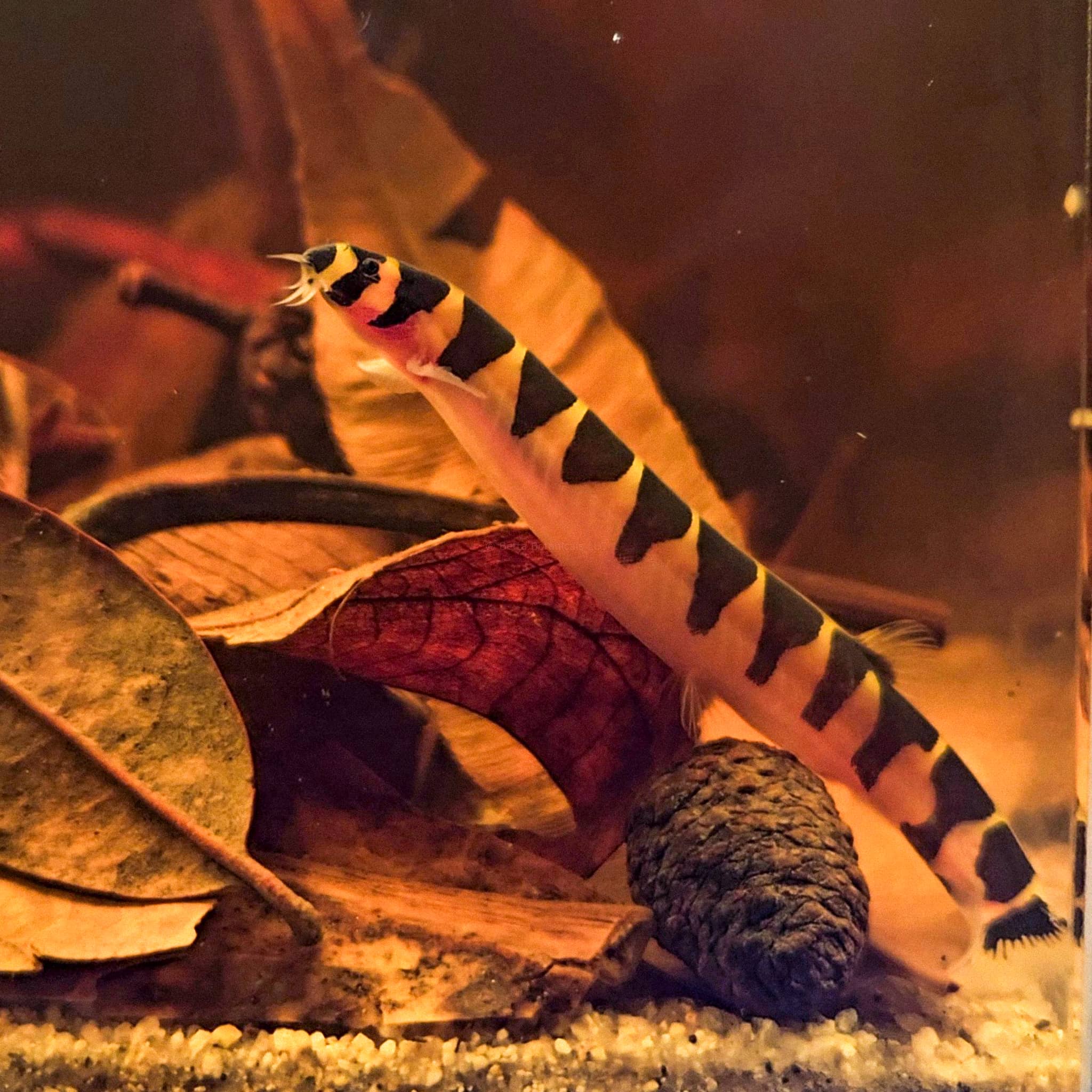
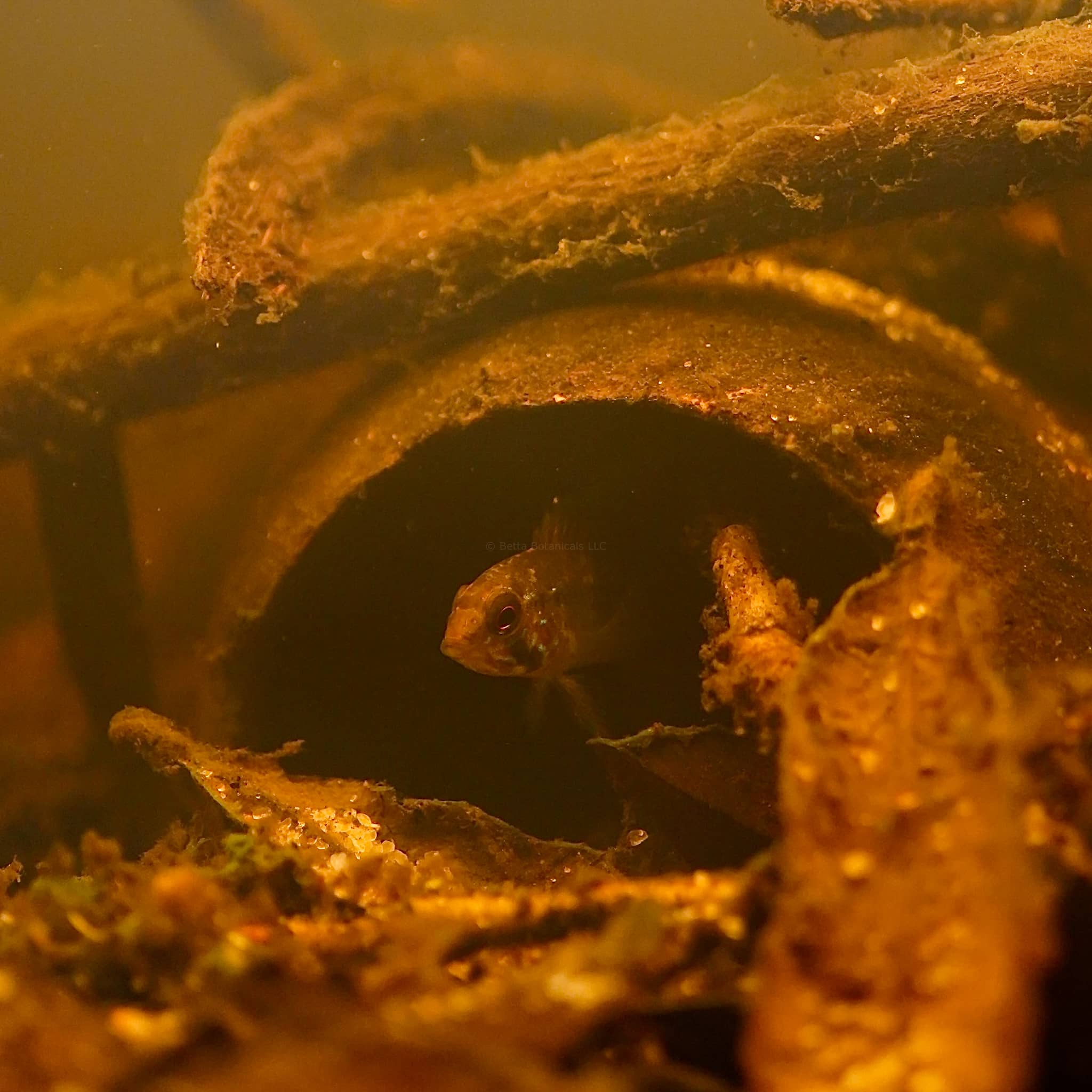
Species in the Betta coccina complex, including B. coccina, B. burdigala, and B. livida, have evolved alongside this leaf litter accumulation. These fish build bubble nests beneath the leaves, forage among the decomposing substrate for small invertebrates, and shelter within the dark recesses of leaf litter piles. The Terentang leaf they encounter in the wild is the same leaf they encounter in our aquariums. Mother Nature leads the way.
Sustainability Note:
This product's packaging is home compostable.
Just like the botanicals inside, it will break down naturally and return to the soil — because what supports your ecosystem should minimally impact our planet.
Not for human consumption. Preparation required.
This is a natural product — variation in color, shape, and texture is expected.
Terentang Leaves | Campnosperma brevipetiolata
Home is getting more natural
While the aesthetic appeal of botanicals and tinted water can be quite attractive to us, the recreation of nature to emulate water conditions, feeding patterns, spawning displays, and territory building are the true benefits botanicals provide to our critters.
Botanical FAQs
Compostable Packaging Promise
Our packaging is designed to return safely to the Earth, just like the botanicals inside. Every bag is BPA- and Phthalate-free, GMO-free, and contains no animal products. Each meets ASTM D6400 composting standards, ensuring it can fully break down in a home compost bin.
What are the Fluffy White Growths on my Botanicals?
That’s biofilm and fungi—what we call the “goo phase.” It’s one of the clearest signs that your aquarium is alive and functioning. These growths wax and wane naturally as botanicals decompose. They’re harmless, even beneficial, and will disappear on their own once microbial populations stabilize.
Will botanicals lower the pH of my water?
That depends entirely on your source water. In very soft or RODI water, botanicals can gradually lower pH as tannins and humic substances accumulate. In medium to hard tap water, buffering capacity often resists these shifts, and you may not notice much change. At Betta Botanicals HQ, our very hard water (350+ ppm) shows almost no pH change unless we use botanicals like Alder Cones or Macaranga Leaves.
When should I replace leaves or pods in my tank?
We recommend allowing botanicals to fully break down into detritus, since this fuels microbial life and enriches the substrate. You can remove them once they stop tinting the water, but you’ll lose some of their ecological benefits. Each time you add new botanicals, follow proper preparation and observe your livestock until you learn your aquarium’s rhythm.
Are your products just for bettas?
Nope. Our botanicals are safe for almost all aquariums, terrariums, vivariums, and paludariums. The only exceptions are goldfish and axolotls, which may ingest small pods like alder cones or casuarina cones. For those species, we recommend large leaves such as Indian Almond, Loquat, or Jackfruit.
What are Tannins?
Tannins are natural compounds released by leaves, seed pods, and bark as they decompose in water. They soften water, gently lower pH, and create the characteristic tea-stained tint found in blackwater habitats. But their role goes far beyond color—tannins fuel beneficial bacteria, fungi, and biofilms, which form the foundation of a healthy ecosystem. They also offer mild antifungal benefits and help reduce stress in fish by replicating the natural conditions they’ve evolved in. At their core, tannins are plant-derived antioxidants that connect your aquarium to the same processes at work in wild flooded forests and streams.