



Macaranga Leaves | Macaranga triloba
Macaranga Leaves on the Surface:
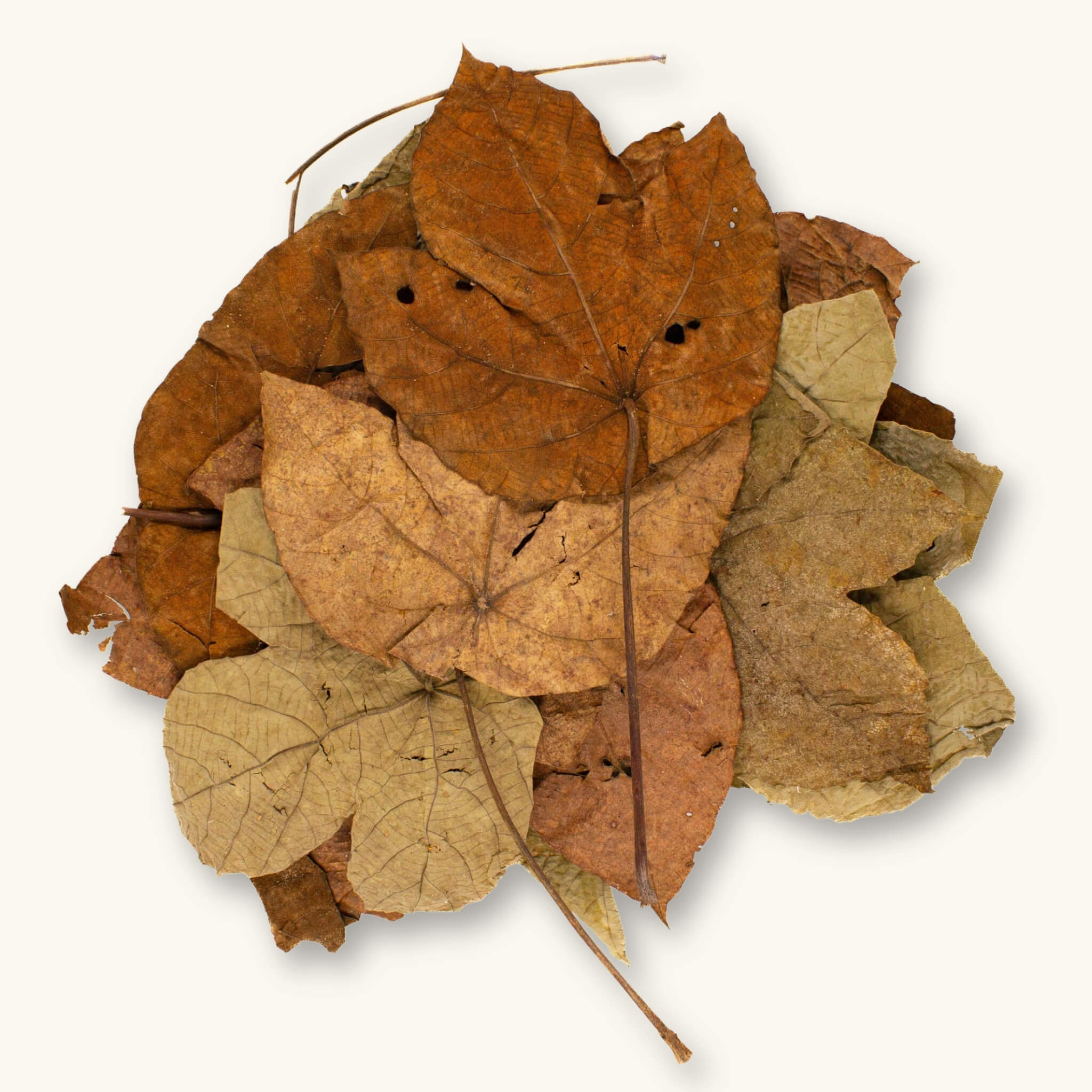
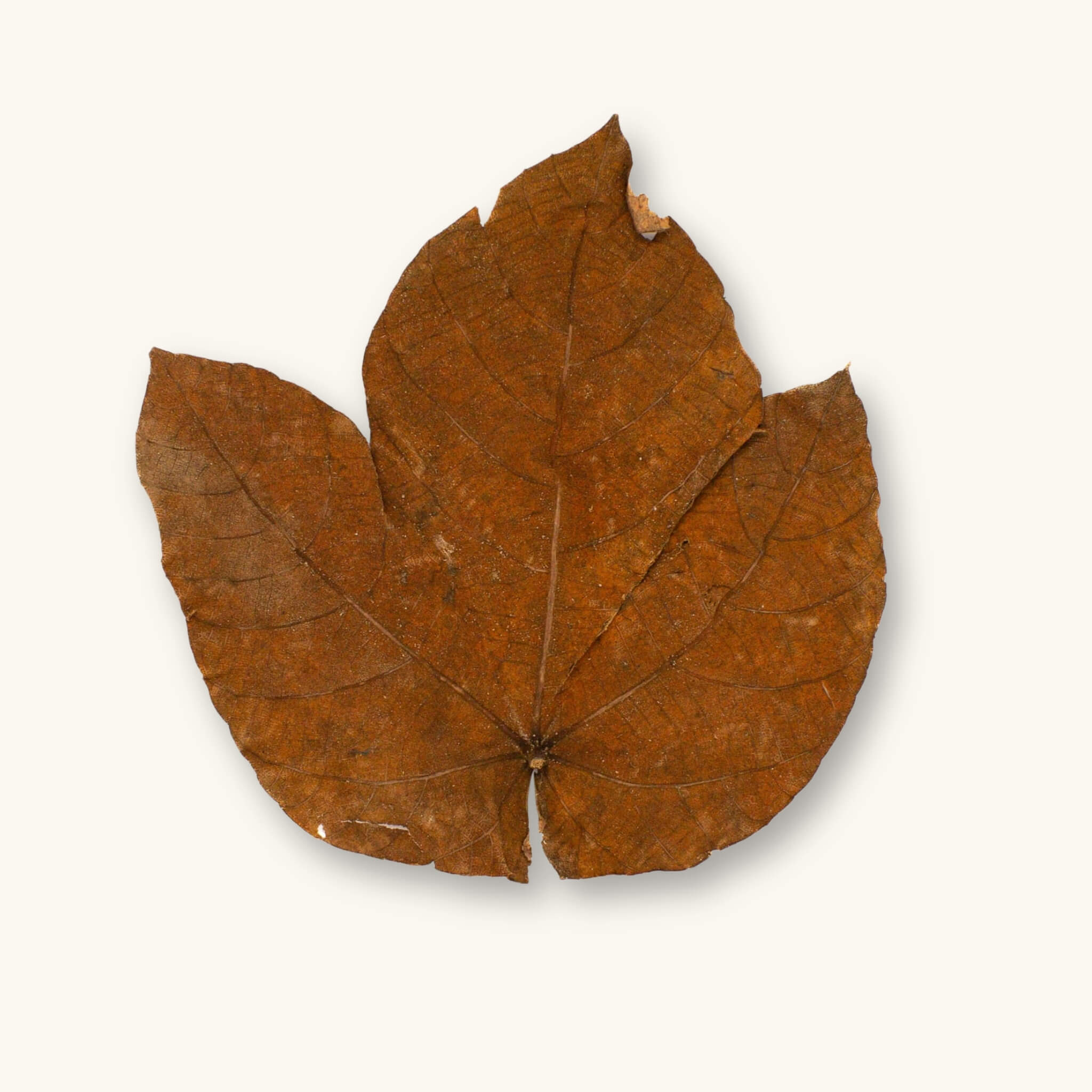
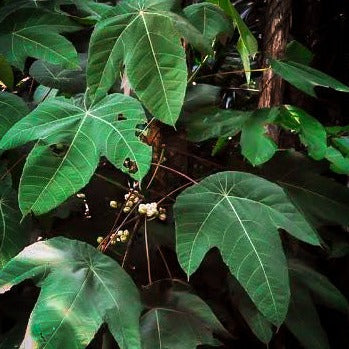
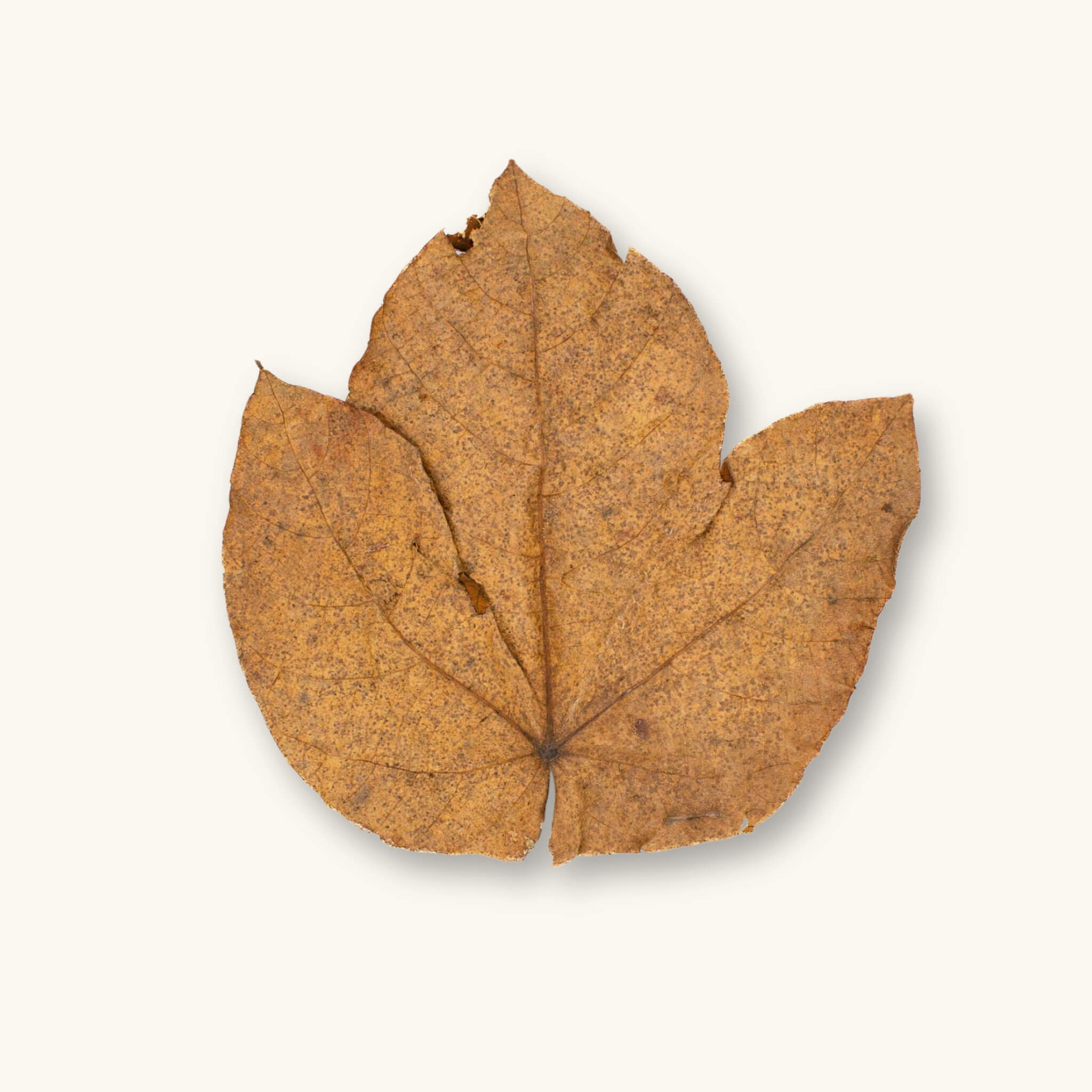
Macaranga Leaves (Macaranga triloba) are hand-collected in Indonesia from pioneer trees that colonize forest gaps and disturbed ground across Sumatra, Belitung, and West Java, growing along the margins of the same swamp forests our wild betta species come from. Each leaf is broad and leathery, running 6 to 10 inches across, and is one of the most acidic leaves we offer for lowering the pH of blackwater aquariums. Our favorite way to use them is to float one whole at the surface and tear a second into pieces across the substrate, mixed in with jambolan leaves and terentang leaves, which are also found across our bettas' native habitats.
Essential Details
- Tannin Level: High
- Tint Color: Golden brown to deep amber
- Durability: Moderate; 6 to 8 weeks
- Habitat Location: Sumatra, Belitung, and West Java, Indonesia
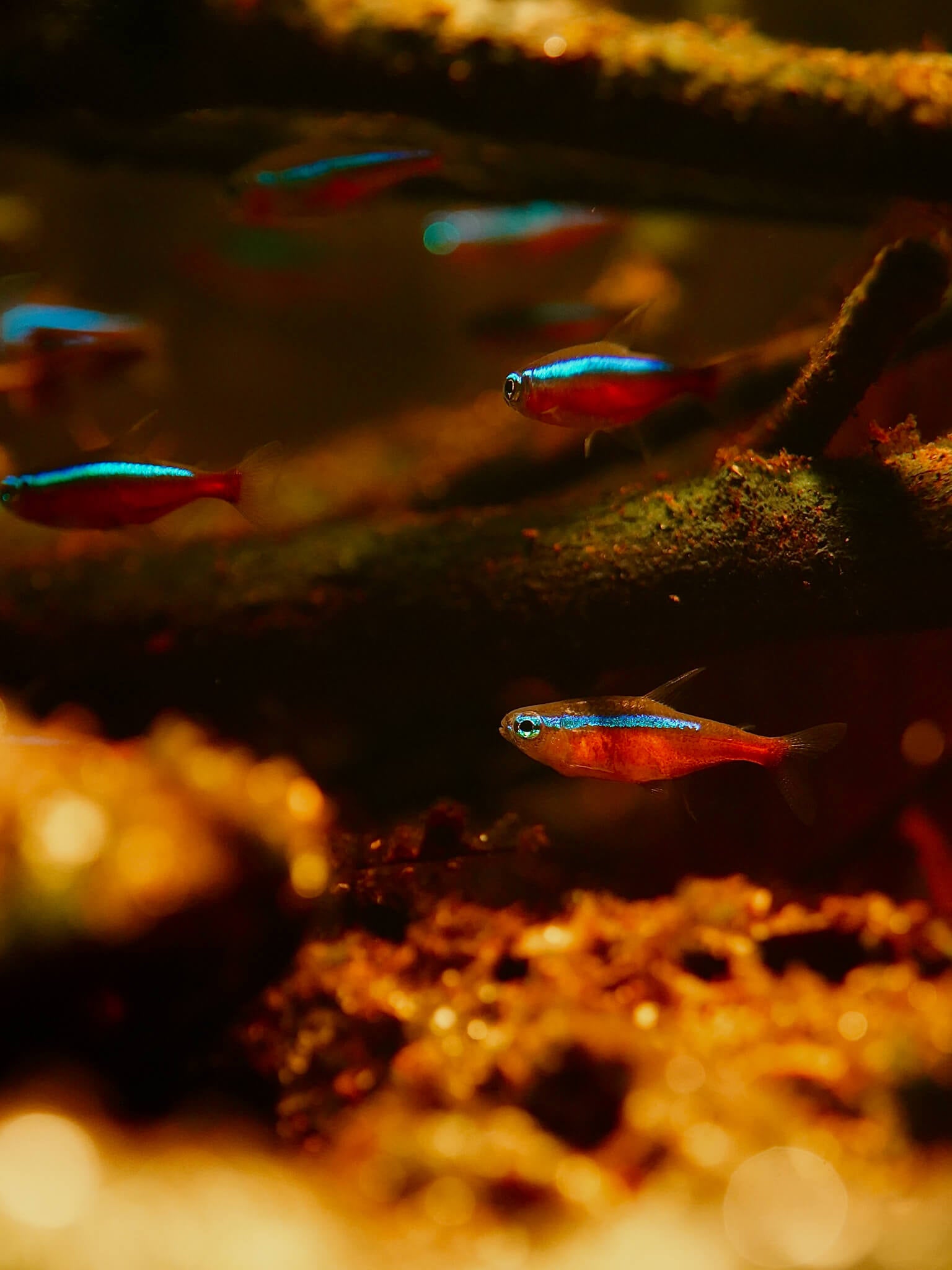
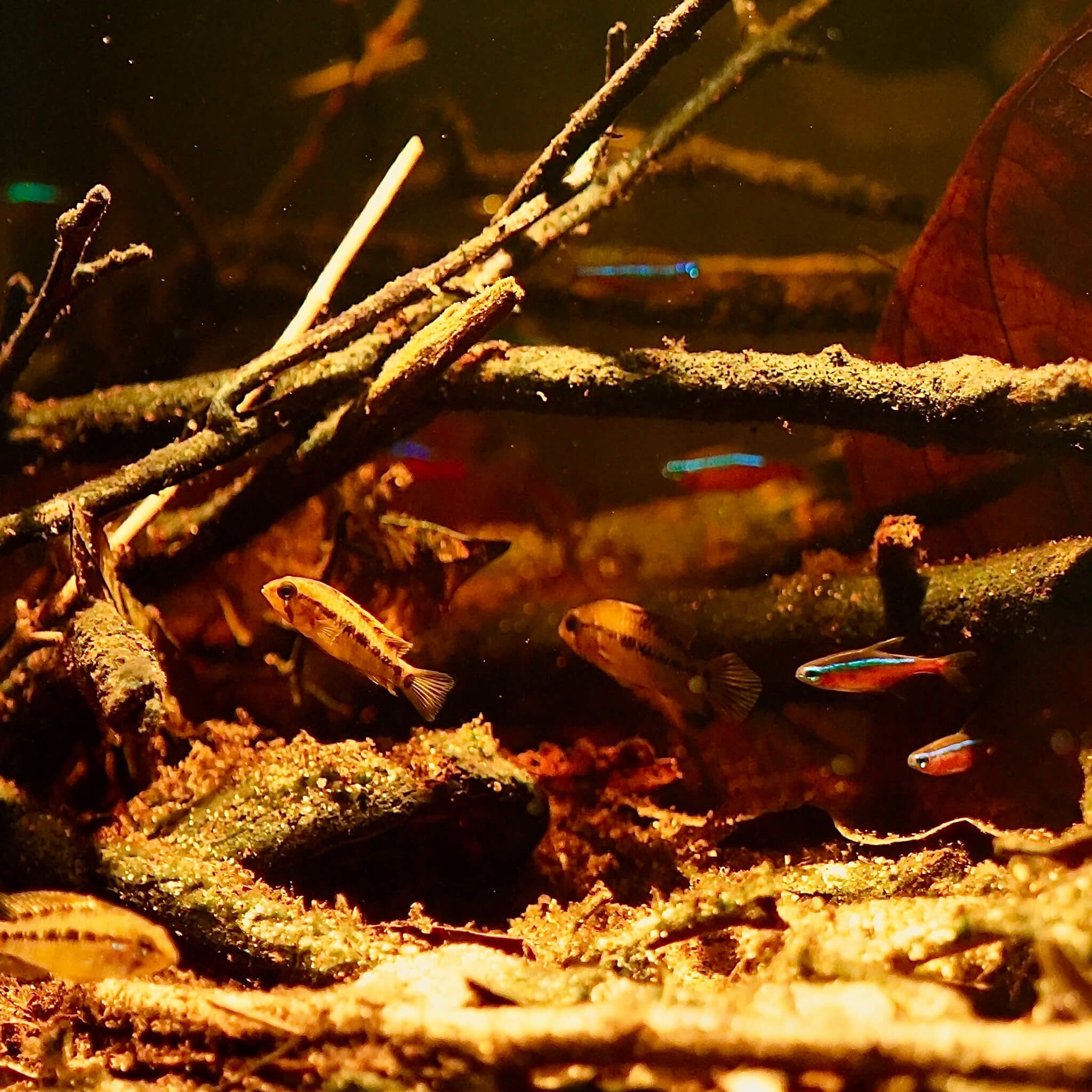
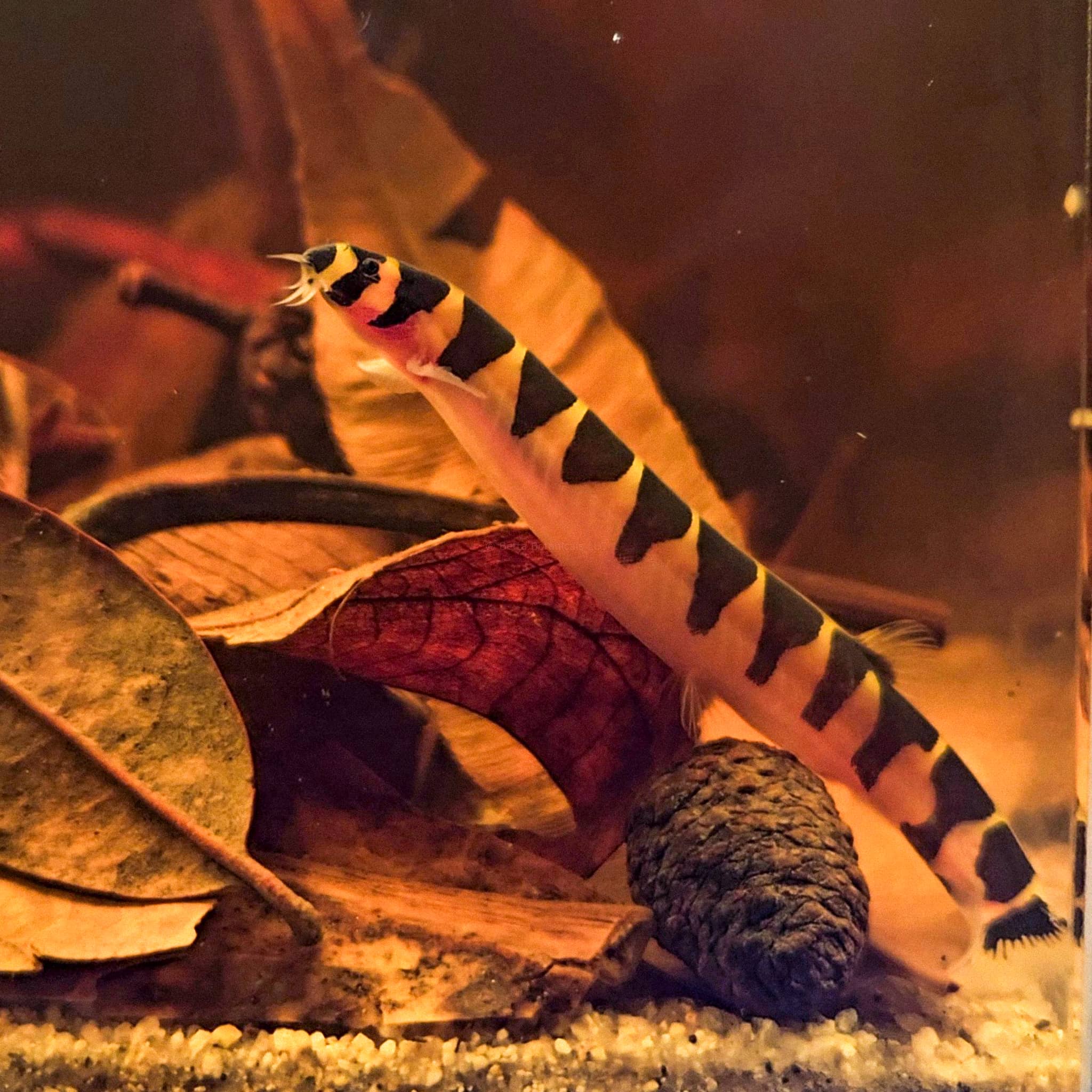
- Optimal For: Wild Betta species, Parosphromenus, chocolate gouramis, chili rasboras, kuhli loaches, shrimp, dart frogs
- Use with Caution: Do not use with fish who prefer hard water at neutral or basic pH. Macaranga leaves release an abundance of acids that benefit low pH fish.
- Size Range: 6 to 10 inches across
- Quantities: 20 count Macaranga Leaves per pack
Macaranga Leaves for Aquariums & Vivariums
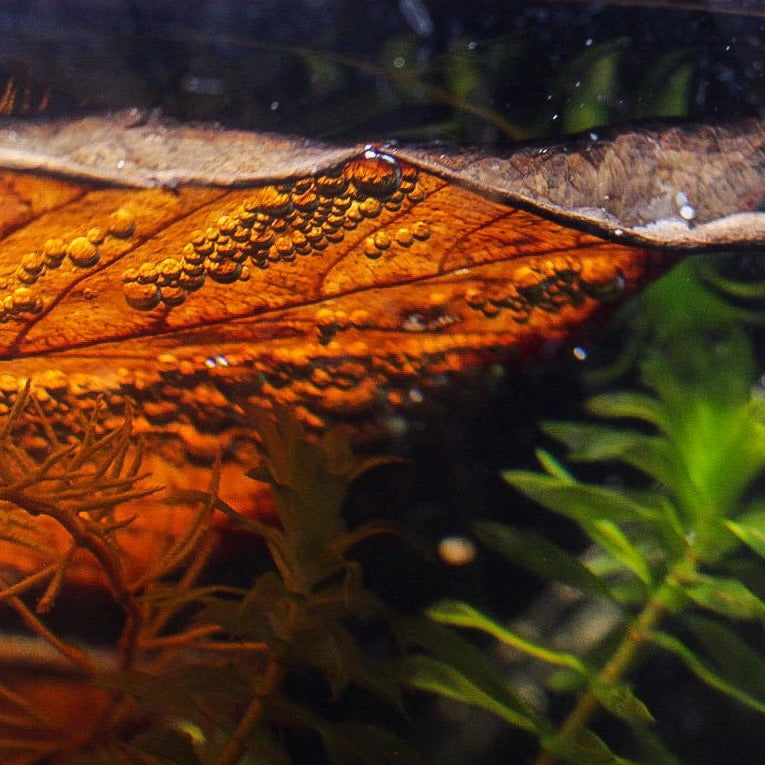
Once added to the aquarium, biofilms begin colonizing this leaf within a few days. This extracellular microbial community provides a grazing resource for shrimp, microfauna, and small fishes, what we call supplemental nutrition. Macaranga leaves are peltate, with the stem joining at the center of the underside, so a leaf settles onto the substrate as one continuous disc, with shaded space beneath. Chili rasboras, Parosphromenus, and wild Betta species will often feel more comfortable roaming the ecosystem when continuous refuge sites are provided. Macaranga can also be left floating at the surface, providing ideal bubble nesting habitat.
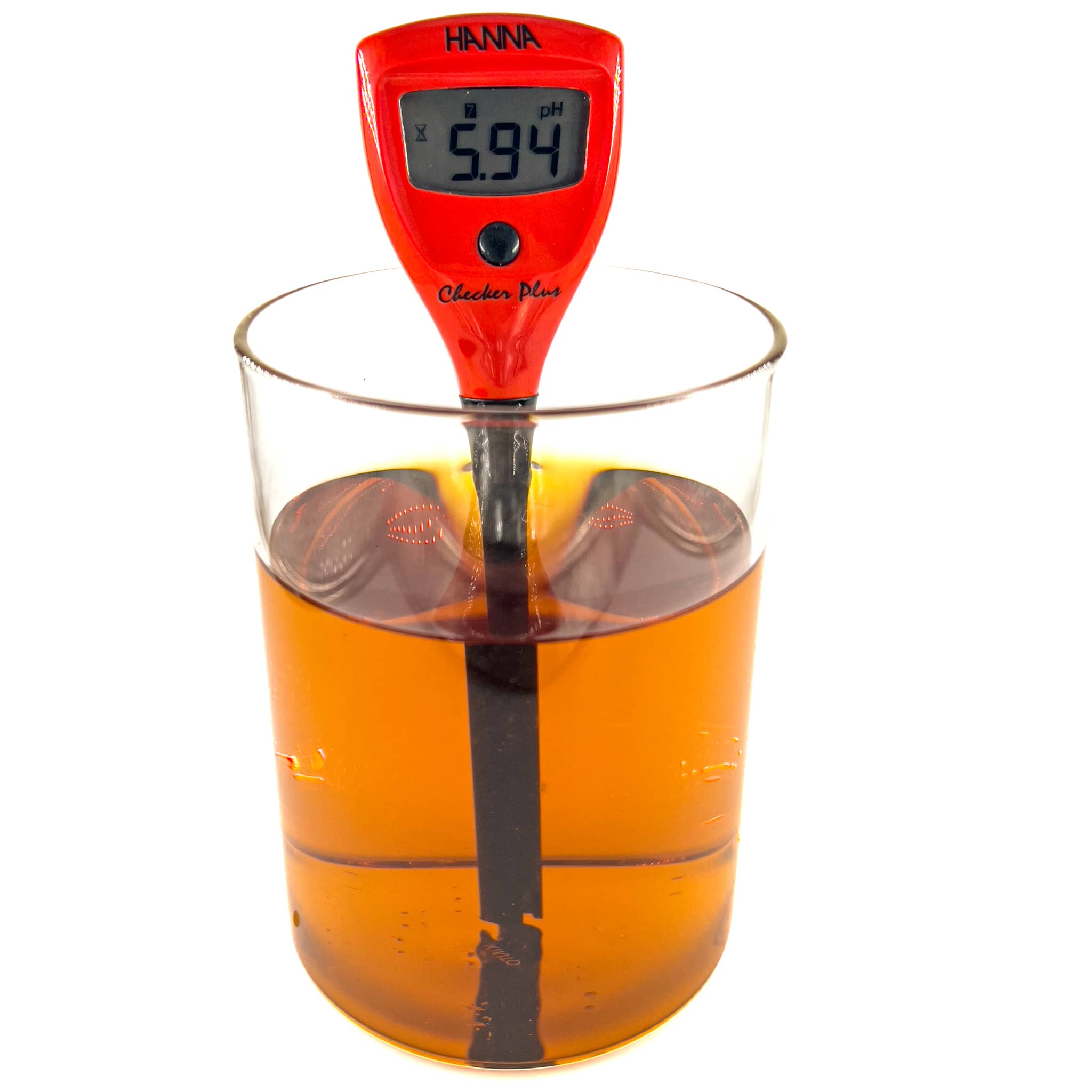
Macaranga leaves have a high tannin content, creating that characteristic brown and golden color of blackwater gambut habitats. In soft or RODI source water, these leaves can substantially lower the pH, and the acid load is heavy enough to register even against moderate carbonate hardness. Those tannins and polyphenols are the raw material for humic substances, which form over weeks and months as those compounds oxidize and condense with microbial byproducts in the substrate. The resulting humic and fulvic acids can chelate heavy metals, soften the water further, and accumulate in the water column. Please let the leaf break down fully on the substrate. We layer fresh leaves on top every few weeks and leave the older ones where they are, so the bed deepens as the lower layers finish breaking down into the perpetual substrate.
These leaves are on the larger side, so when used in the nano aquarium we recommend shredding them a bit. In larger ecosystems, they can be used whole or shredded, adding variation to the leaf litter bed. Because the acid load is heavy, add them a few at a time in soft water and let your parameters settle between additions and water exchanges. You will need multiple leaves in a larger aquarium to see pH changes on your probes.
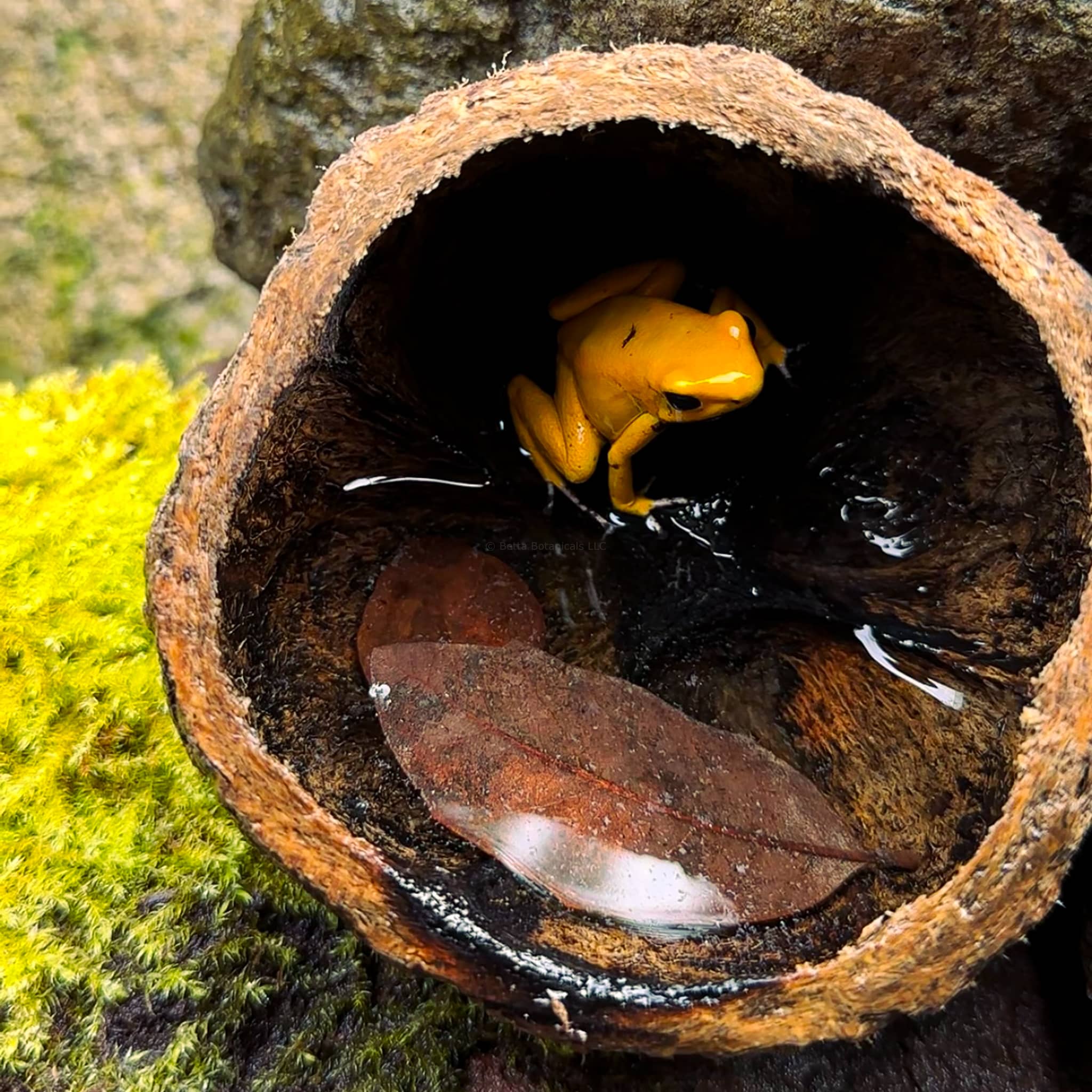
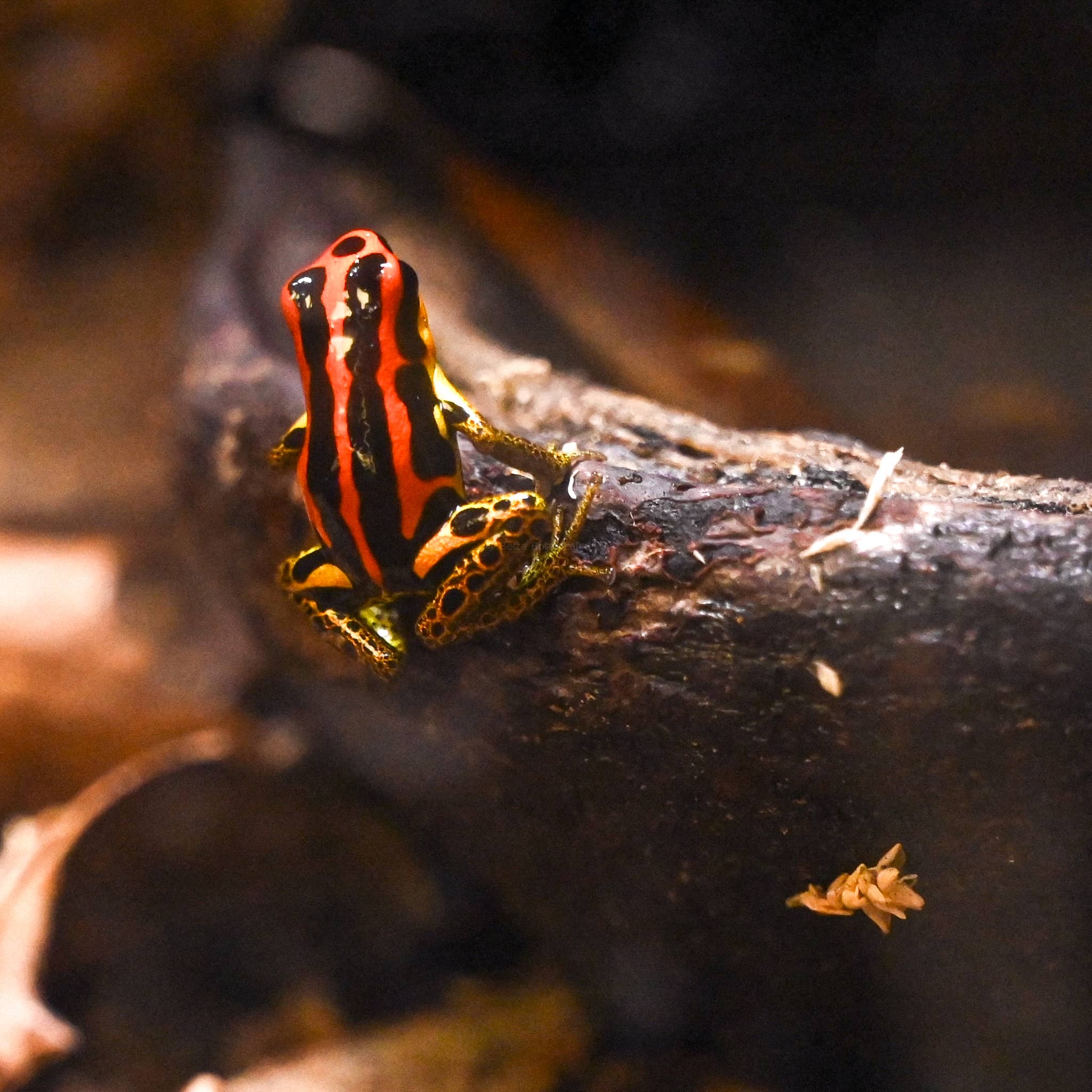
In the vivarium, Macaranga leaves are a preferred food source for isopods and clean-up crew members, quickly colonized and consumed. For dart frogs and geckos, they provide a variable substrate above the soil or foam base, helping moderate humidity. There is no need to remove them once they have fully broken down, as the detritus and mulm they produce feeds the bacterial and fungal network working beneath the leaves.
Beneath the Leaves: Macaranga triloba in the Wild
Macaranga triloba is an obligate ant plant. Colonies of Crematogaster borneensis live inside its hollow twigs, and the tree feeds them with lipid-rich food bodies produced on the stipules, the pair of small leathery flaps at the base of each leaf stalk. The ants patrol in return, stripping off herbivorous insects, cutting back climbing vines before they reach the canopy, and removing pathogenic fungi from the leaf surface. Neither partner survives without the other. Our collectors know the arrangement well, and the ants bite, so the trees get rinsed down with a garden hose before anyone starts gathering leaves.
M. triloba grows right at the swamp forest margin, so its leaves fall directly into the blackwater below. In Aceh, at the northern tip of Sumatra, that litter collects in shaded, near-stagnant pools running around pH 5.5 and carrying heavy loads of humic substances. Betta rubra is a peat swamp specialist from those drainages, and it is listed as critically endangered as its forest is cleared. When we add Macaranga Leaves into the aquarium, we replicate the allochthonous inputs that fuel the food webs of aquatic ecosystems around the globe. Mother Nature leads the way.
Sustainability Note:
This product's packaging is home compostable.
Just like the botanicals inside, it will break down naturally and return to the soil — because what supports your ecosystem should minimally impact our planet.
Not for human consumption. Preparation required.
This is a natural product — variation in color, shape, and texture is expected.
Macaranga Leaves | Macaranga triloba
Home is getting more natural
While the aesthetic appeal of botanicals and tinted water can be quite attractive to us, the recreation of nature to emulate water conditions, feeding patterns, spawning displays, and territory building are the true benefits botanicals provide to our critters.
Botanical FAQs
Compostable Packaging Promise
Our packaging is designed to return safely to the Earth, just like the botanicals inside. Every bag is BPA- and Phthalate-free, GMO-free, and contains no animal products. Each meets ASTM D6400 composting standards, ensuring it can fully break down in a home compost bin.
What are the Fluffy White Growths on my Botanicals?
That’s biofilm and fungi—what we call the “goo phase.” It’s one of the clearest signs that your aquarium is alive and functioning. These growths wax and wane naturally as botanicals decompose. They’re harmless, even beneficial, and will disappear on their own once microbial populations stabilize.
Will botanicals lower the pH of my water?
That depends entirely on your source water. In very soft or RODI water, botanicals can gradually lower pH as tannins and humic substances accumulate. In medium to hard tap water, buffering capacity often resists these shifts, and you may not notice much change. At Betta Botanicals HQ, our very hard water (350+ ppm) shows almost no pH change unless we use botanicals like Alder Cones or Macaranga Leaves.
When should I replace leaves or pods in my tank?
We recommend allowing botanicals to fully break down into detritus, since this fuels microbial life and enriches the substrate. You can remove them once they stop tinting the water, but you’ll lose some of their ecological benefits. Each time you add new botanicals, follow proper preparation and observe your livestock until you learn your aquarium’s rhythm.
Are your products just for bettas?
Nope. Our botanicals are safe for almost all aquariums, terrariums, vivariums, and paludariums. The only exceptions are goldfish and axolotls, which may ingest small pods like alder cones or casuarina cones. For those species, we recommend large leaves such as Indian Almond, Loquat, or Jackfruit.
What are Tannins?
Tannins are natural compounds released by leaves, seed pods, and bark as they decompose in water. They soften water, gently lower pH, and create the characteristic tea-stained tint found in blackwater habitats. But their role goes far beyond color—tannins fuel beneficial bacteria, fungi, and biofilms, which form the foundation of a healthy ecosystem. They also offer mild antifungal benefits and help reduce stress in fish by replicating the natural conditions they’ve evolved in. At their core, tannins are plant-derived antioxidants that connect your aquarium to the same processes at work in wild flooded forests and streams.
I love this leaf and so do my gouramis and bettas. It’s adds a piece of home into the aquarium for them. It’s a great size for cutting up and dispersing into smaller aquariums!
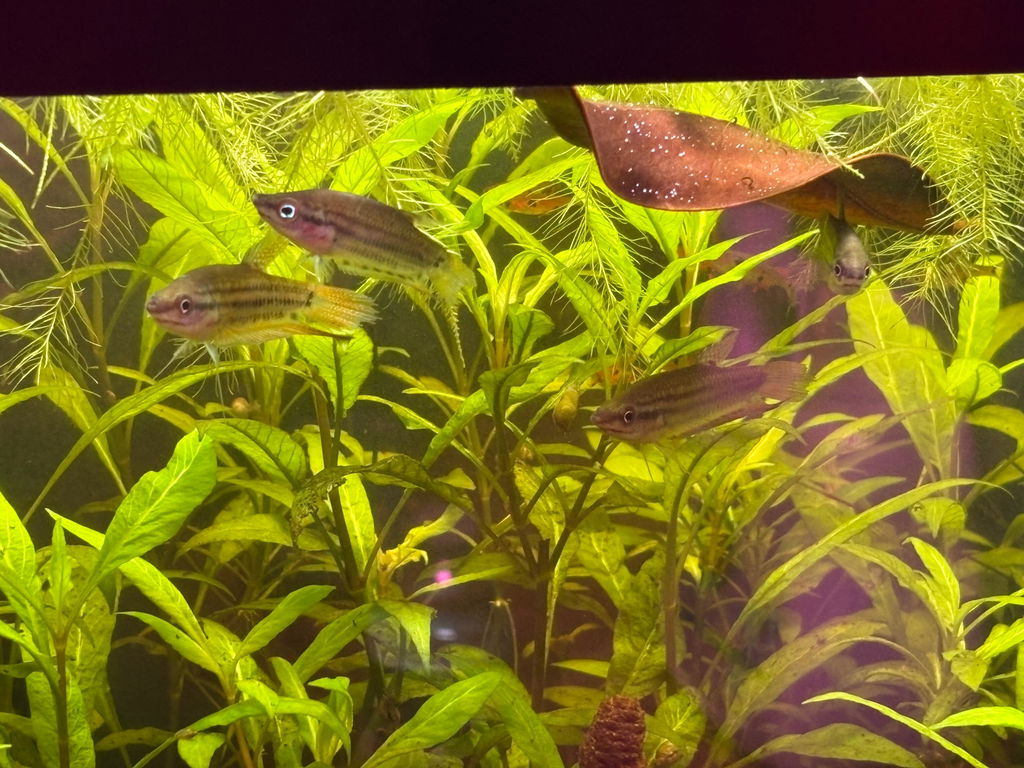
I bought some Macaranga leaves to try out on my imbellis breeding group. As soon as the leaf touched the water the male went to work and constructed a giant nest that covered the whole leaf.
Once the leaf sank and the babies started growing the leaf started to get covered in micro organisms which has become a natural food source for all the betta fry. Now I’m not gonna know what to do with so many imbellis 😂
I will be ordering more of the Macaranga leaves in the future!
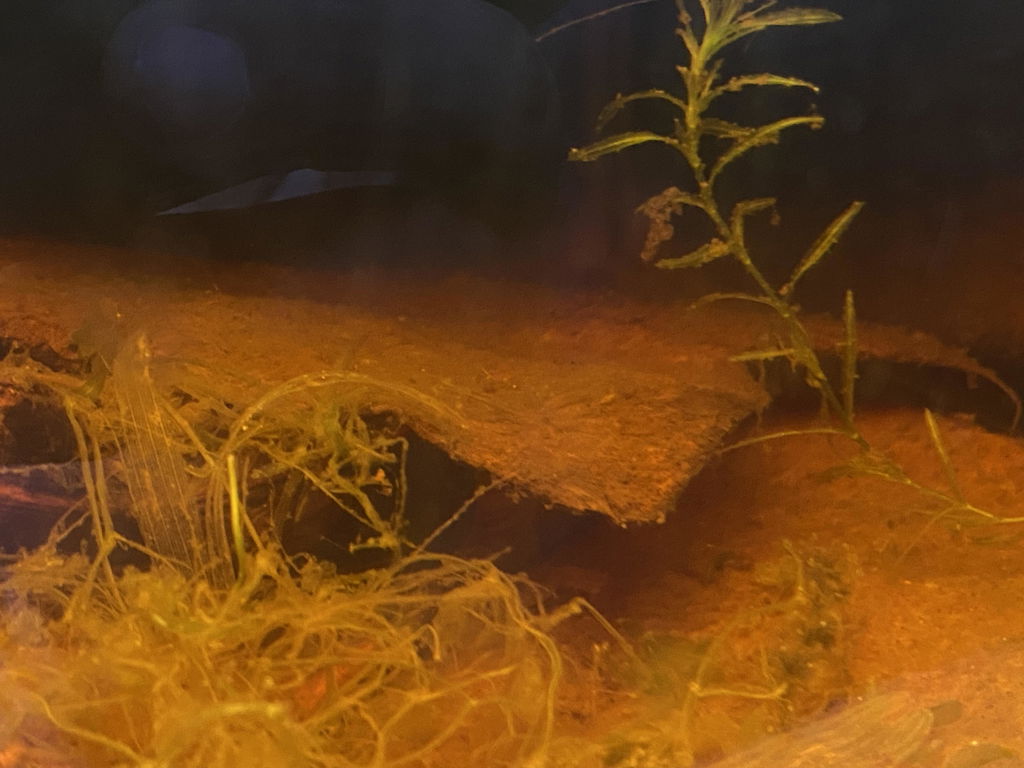
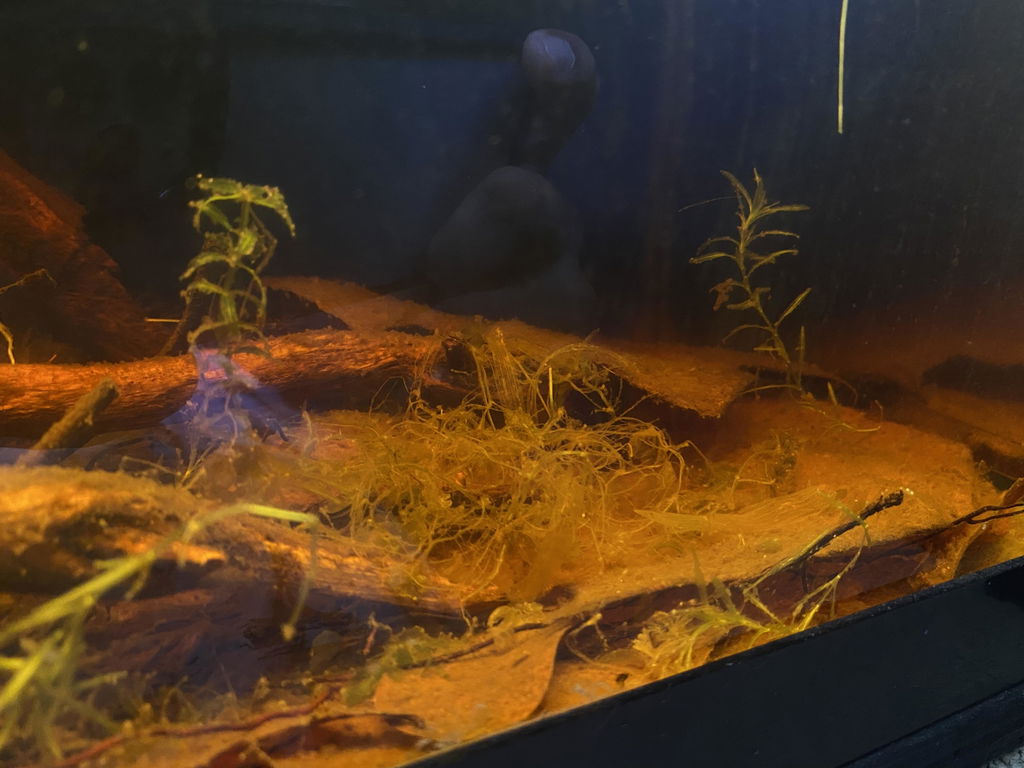
These leaves are big, a tad bit bigger than my own hands and I like to think I have average sized hands lol. But I love the shape and look of these and if undistrubed, they will hold their shape for months.
The leaves are effective in lowering pH. Good quality product. Prep instructions are very helpful.