Ben's Aquarium Blog

Ben's Aquarium blog is a developing resource full of tips and tricks to help build your ecosystems. Every two weeks we upload a new blog post helping to make botanical aquariums easier to keep. If you have a topic you want us to write about please send us a message!

Comprehensive guide to recreating the natural habitat and caring for Betta Hendra, with tips on maintaining optimal conditions in a biotope aquarium at Betta Botanicals.

Betta Hendra: A Comprehensive Care and Habitat Guide

To keep Betta hendra is to preserve a fragment of a vanishing world; a living story written in tannin-stained waters and fragile ecosystems. These fish carry within them the memory of Borneo’s disappearing swamps, a reminder of everything that’s at risk beyond the glass. Their survival depends on more than the forests they come from; it depends on us, on the choices we make, the care we give, and the respect we show for the wild they represent. 

Read more

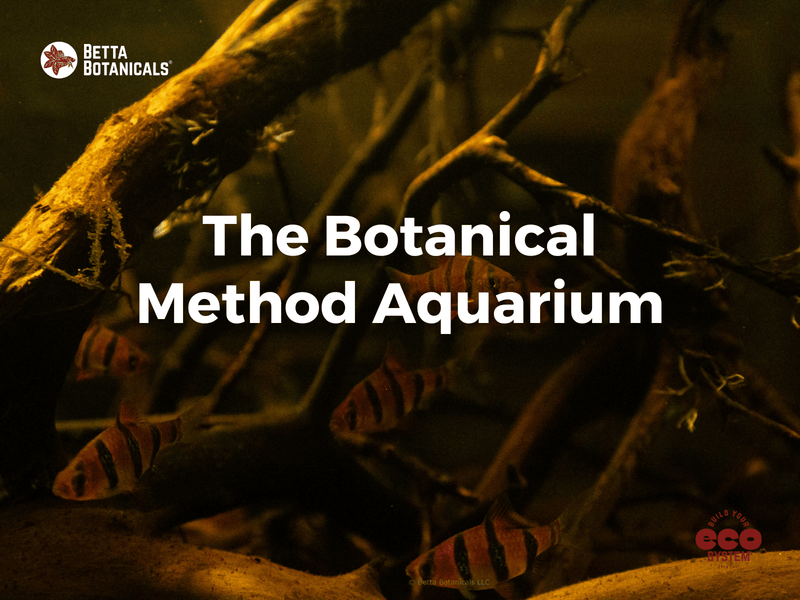
black striped orange fish swimming in brown tangled roots of a botanical method aquarium at Betta Botanicals.

How Methods Defined The 'Botanical Blackwater Tinted Ecosystem Aquarium Style'

“Botanical Method Aquariums” are the backbone of what we do here at Betta Botanicals. We distinguish their methods from blackwater and biotope aquariums, reinforcing their scientific and ecological foundations. This Ben's Aquarium blog post challenges a lot of mainstream aquascaping culture.

Read more

Recreating the natural habitat of the Sparkling Gourami in a botanical aquarium, highlighting blackwater environments and natural biotope products at Betta Botanicals.

Sparkling Gourami: Comprehensive Care And Habitat Guide

Our guest blog guides enthusiasts through the essentials of creating a thriving habitat for these iridescent beauties in botanical aquariums. It covers everything from tank setup and ideal water conditions to understanding the unique behaviors and needs of this lesser-known Anabantid family member.

Read more

Exploring the cycle of life and death in blackwater aquariums, highlighting the natural processes that contribute to thriving aquatic ecosystems at Betta Botanicals.

Setting Up An Aquarium | Research, Inspiration, Life & Death

Just like in nature, aquariums have a life and death so enjoy your setups and start over if you think it is time for your ecosystem to be reborn. 

Read more

Macaranga leaves, a sustainable alternative to peat, naturally lower pH in aquariums, enhancing water chemistry for sensitive species at Betta Botanicals.

Macaranga Leaves for Indonesian Blackwater Biotope Aquariums

To create a truly captivating Sumatran biotope aquarium you will need to utilize macaranga leaves; both for their tint and pH reducing properties.

Read more

An in-depth comparison of biotope, blackwater, and botanical aquarium methods, exploring their differences in creating natural aquatic environments at Betta Botanicals.

Key Differences: Biotopes, Blackwater & Botanical Method Aquariums

At first glance, each aquarium type can appear the same – they each have similar elements: botanicals. But upon closer inspection, you'll notice differences in the plant and animal stocking and the water chemistry.

Read more

Guide to using RODI water in blackwater and botanical aquariums, highlighting its benefits for water chemistry and aquatic ecosystem health at Betta Botanicals.

A Guide to Using RODI Water in Blackwater Aquariums

Reverse osmosis water is a great option for aquarists of all experience levels, but only after you've conducted proper research. Not only can RO water benefit your aquarium’s ecosystem by allowing you to change the pH to your fish's ideal range, but it can also make the water in your home cleaner, safer, and better-tasting.

Read more

Alder cones, the perfect starting botanical for aquariums, naturally lower pH and release beneficial tannins to enhance aquatic environments at Betta Botanicals.

Benefits of Alder Cones in Botanical Method & Blackwater Aquariums

Alder Cones are a staple in any botanical method aquarium and are known for their abundance of tannins, antioxidants, humic acids, polyphenols, and other health-promoting compounds. Their tint-producing properties have landed them in the top 10 list of our highest tannin botanicals.

Read more

Proper cleaning techniques for blackwater aquariums, focusing on maintaining water quality and ecosystem health without disrupting the delicate balance at Betta Botanicals.

Guide: How to Clean a Blackwater Aquarium

Your new botanical method aquarium or blackwater aquarium is up and running, but when it comes time to clean - where do you start? Should you vacuum the botanical substrate? Let's discuss

Read more

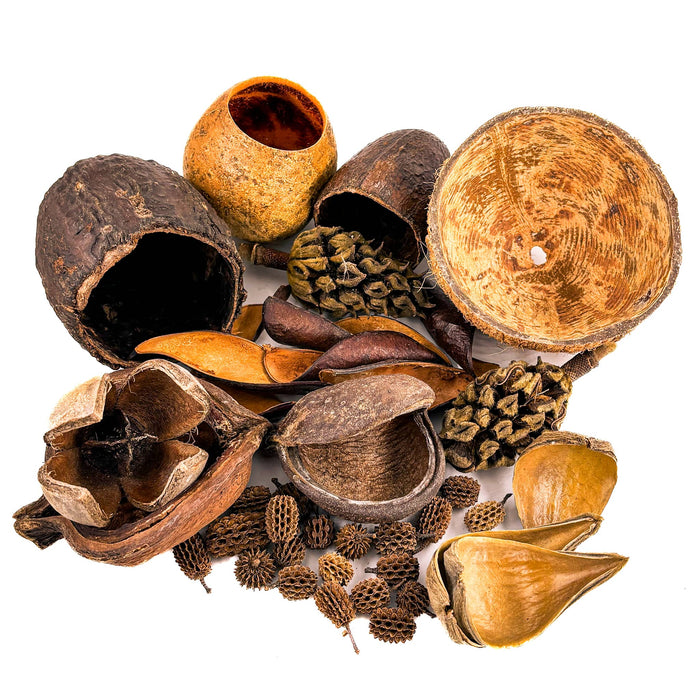
Variety packs of botanicals for aquariums and vivariums, featuring a curated selection of pods, leaves, and cones to enrich natural habitats at Betta Botanicals.

If You're a Beginner Blackwater Aquarist, Start with a Botanical Variety Pack!

Botanical variety packs are great for both beginner and experienced aquarists! Each unique variety pack allows you to create and explore diverse ecosystems in your home aquarium. Betta Botanicals is proud to intentionally curate each pack for the best quality botanicals from around the globe.

Read more

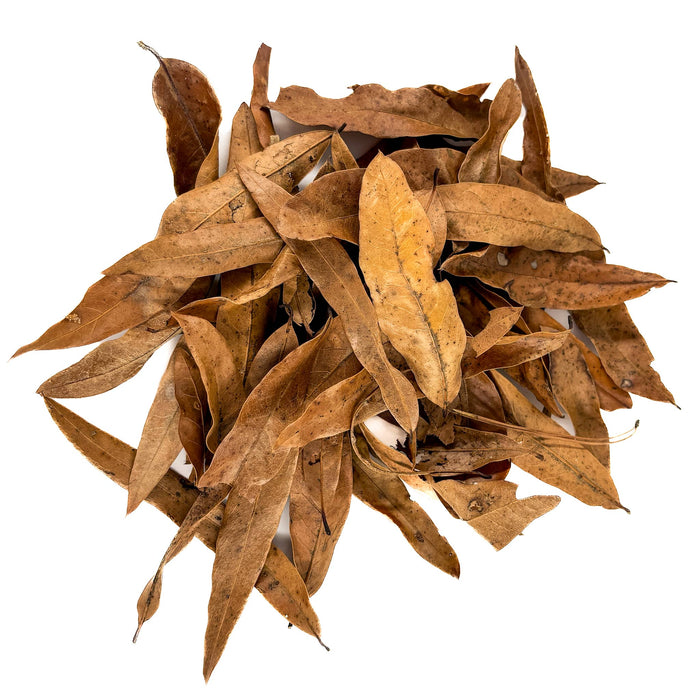
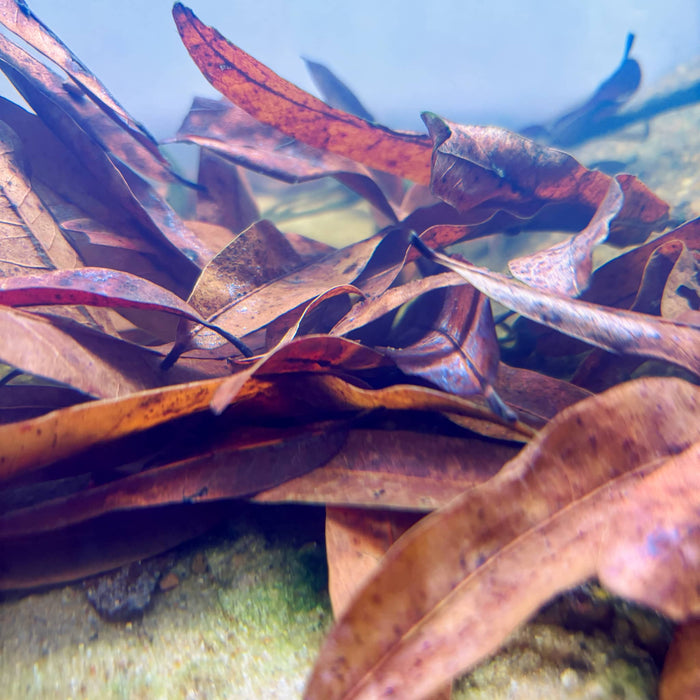
Benefits of terminalia catappa leaves for blackwater botanical method aquariums by Betta Botanicals.

Top Reasons Indian Almond & Catappa Leaves Keep Your Fish Healthy

Indian Almond leaves and Catappa leaves are THE SAME PLANT! ....and have been coveted by botanical method aquarium enthusiasts for decades, and for good reasons. Here is why these botanicals make your fish happier, naturally.

Read more

Learn about blackwater aquariums, their unique water chemistry, and how botanicals create a natural, tannin-rich environment for fish at Betta Botanicals.

Blackwater vs. Botanical Method Aquariums: Key Differences & Similarities

Are blackwater and botanical method aquariums the same thing? Not quite. While both embrace natural materials and tinted water, one focuses on replicating exact chemical conditions, while the other builds dynamic, living ecosystems. In this post, I share the differences (and surprising similarities) between these two approaches and why understanding them can transform how you build your next ecosystem.

Read more